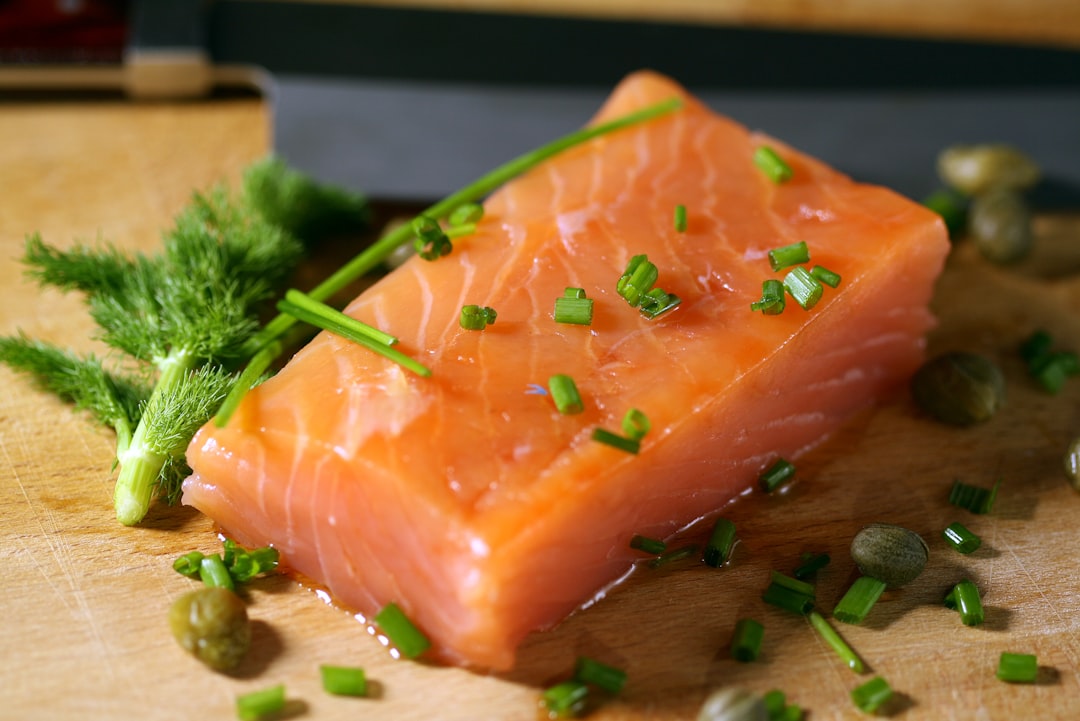
Farmed salmon, a staple in many diets, often garners attention for its vibrant pinkish-orange hue. However, this color is not a natural characteristic of the species in its wild state. The greyish appearance of truly wild salmon, when uninfluenced by diet, is a product of their natural environment and feeding habits. Understanding why farmed salmon deviates from this natural coloration requires an examination of both the biology of salmon and the specific practices employed in aquaculture.
What Wild Salmon Eat in Their Native Habitats
Wild salmon, in their natural environment, are opportunistic predators. Their diet varies significantly depending on their life stage and the specific geographical location of their freshwater and marine habitats. In freshwater rivers and streams, juvenile salmon, or alevins and fry, feed on small invertebrates such as insect larvae, crustaceans, and zooplankton. As they grow and migrate to the ocean, their diet expands to include a wider range of prey.
Key Nutritional Components Affecting Coloration
The key to understanding the color of wild salmon lies in the carotenoids present in their diet. Carotenoids are a group of fat-soluble pigments that occur naturally in plants and animals. In the context of salmon, the primary carotenoid responsible for coloration is astaxanthin. Astaxanthin is not synthesized by salmon themselves; rather, it is acquired through their diet. Organisms that consume algae, which contain astaxanthin, then become a food source for other animals. These animals, in turn, are consumed by salmon, leading to the accumulation of astaxanthin in their tissues.
The Role of Astaxanthin in the Wild Salmon Diet
In the wild, salmon consume a variety of crustaceans, such as krill, shrimp, and copepods. These small marine invertebrates are rich in astaxanthin because they themselves feed on phytoplankton and microalgae that produce this pigment. When salmon ingest these astaxanthin-rich prey, the pigment is absorbed and deposited in their flesh, or muscle tissue, giving it the characteristic pinkish-orange color that many consumers associate with salmon. The intensity of this color can vary depending on the species of wild salmon, its specific diet, and the amount of astaxanthin consumed. For instance, sockeye salmon, which are known to consume large quantities of krill, often exhibit a deeper red hue compared to other species like chinook salmon.
Why Natural Coloration is Often Greyish
Without the consistent and ample intake of astaxanthin-rich prey, the natural flesh of salmon would appear a much paler color. In its absence, the muscle tissue is largely composed of protein and fat, which are inherently white or translucent. Therefore, a truly wild salmon that has not been able to access sufficient sources of astaxanthin would naturally present a greyish or pale pink appearance. The vibrant coloration observed in some wild salmon is a direct consequence of their successful foraging and successful predation on organisms containing this specific pigment.
Farmed salmon are often perceived as vibrant pink or orange, but in reality, they are naturally grey due to their diet. This phenomenon is explored in detail in the article “Why is Farmed Salmon Naturally Grey?” which explains how the color of salmon flesh is influenced by the carotenoids found in their food. To learn more about this intriguing topic, you can read the full article here: Why is Farmed Salmon Naturally Grey?.
The Impact of Feed Formulation in Salmon Farming
The Necessity of Artificial Diets in Aquaculture
Salmon farming, or aquaculture, involves raising salmon in controlled environments, typically in pens or tanks. To ensure optimal growth, health, and marketability, farmed salmon are fed formulated diets. These diets are meticulously designed to meet the specific nutritional requirements of the salmon species being raised. The primary goal of these feed formulations is to provide a balanced and complete source of protein, fats, carbohydrates, vitamins, and minerals necessary for rapid growth and efficient feed conversion.
The Historical Shift from Natural to Formulated Feeds
Historically, early attempts at fish farming, including salmon, sometimes involved utilizing more natural feed sources. However, as aquaculture scaled up and became more industrialized, the reliance on precisely controlled and predictable feed sources became paramount. Natural ingredients, while potentially containing beneficial compounds, are often inconsistent in their nutrient profiles, availability, and potential for introducing diseases or contaminants. Formulated feeds offer a controlled environment for delivering precise nutrient levels, ensuring consistency in production, and minimizing risks associated with wild-caught feed ingredients.
The Evolution of Modern Aquaculture Feeds
Modern aquaculture feeds are highly sophisticated. They are typically composed of a blend of fish meal, fish oil, plant-based proteins, grains, and various vitamin and mineral premixes. The exact composition varies depending on the species, age, and growth stage of the fish. Manufacturers invest considerable research and development into optimizing these diets for factors such as growth rate, feed conversion efficiency, health, and palatability. The development of these feeds has been a critical factor in the success and economic viability of the salmon farming industry.
The Absence of Natural Astaxanthin Sources in Formulated Feeds
In the context of the natural coloration of salmon, the crucial point regarding formulated feeds is their initial composition. Unless specifically supplemented, these feeds may not inherently provide the astaxanthin required to impart the desired color. The ingredients used, such as plant proteins and grains, do not naturally contain significant amounts of astaxanthin. Therefore, without intentional fortification with astaxanthin, the farmed salmon feeding on such a diet would retain its natural pale, greyish flesh.
The Role of Added Astaxanthin in Farmed Salmon Color
Why Color is Important for Consumer Perception
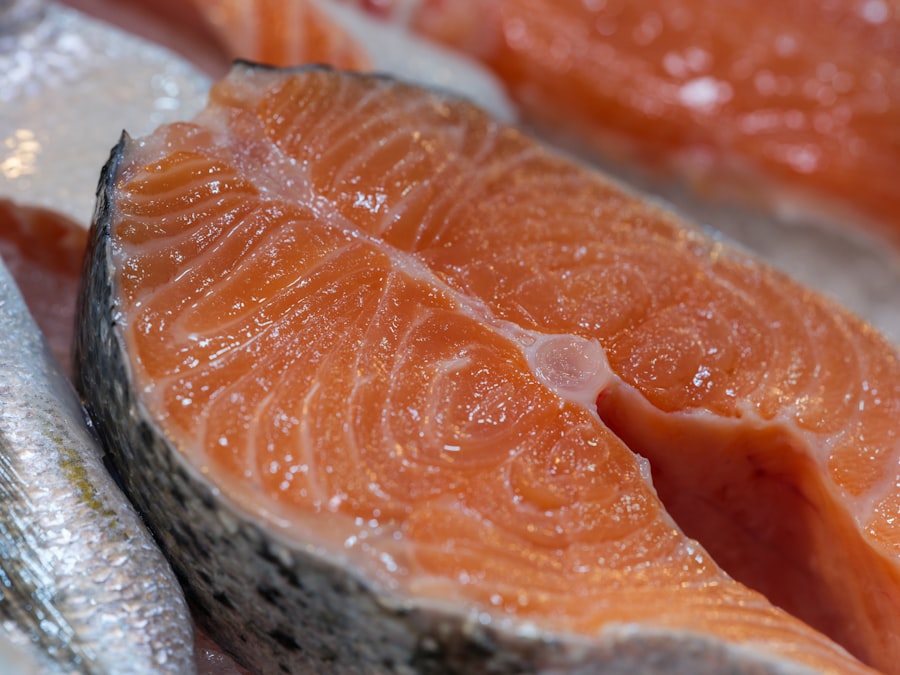
The vibrant pinkish-orange hue of salmon is deeply ingrained in consumer perception as a marker of quality, freshness, and desirability. This association is largely a result of the natural coloration observed in the highest-valued wild salmon species, like sockeye. Consequently, the aquaculture industry has an economic incentive to produce farmed salmon that aligns with these consumer expectations. A pale or greyish farmed salmon, even if perfectly healthy and nutritious, might struggle to compete in the market against its more vibrantly colored counterparts.
The Scientific Development of Astaxanthin Supplementation
Recognizing the importance of color and the nutritional limitations of unfortified feeds, the aquaculture industry has invested in understanding and implementing astaxanthin supplementation. Astaxanthin is not a synthetic colorant; it is a naturally occurring pigment. The challenge for feed manufacturers has been to source or produce astaxanthin in a cost-effective and bioavailable form that can be reliably incorporated into salmon feed.
Types of Astaxanthin Used in Salmon Feed
The astaxanthin used in salmon feed can be derived from a few key sources. One primary source is the microalgae Haematococcus pluvialis. This microalgae is capable of accumulating very high concentrations of astaxanthin when exposed to certain environmental stressors, such as intense sunlight. The microalgae are then harvested, processed, and the astaxanthin is extracted. Another source is synthetic astaxanthin, which is chemically identical to naturally occurring astaxanthin but is produced through an industrial process. Both natural and synthetic astaxanthin are widely used in the industry, with their selection often based on factors like cost, availability, and regulatory approvals.
How Feed Formulation Achieves the Desired Color
By carefully controlling the amount of astaxanthin added to the feed, feed manufacturers can precisely dictate the final color of the farmed salmon’s flesh. The astaxanthin is fat-soluble and is absorbed by the salmon and deposited in its muscle tissue. The higher the concentration of astaxanthin in the feed, the more intense the pinkish-orange coloration of the salmon flesh will be. This allows farmers to produce salmon that consistently meets market demand for a specific color range. The process is essentially mimicking and enhancing a natural biological phenomenon through controlled nutritional inputs.
The Biological Basis of Salmon Coloration
Carotenoids and Pigmentation in Animals
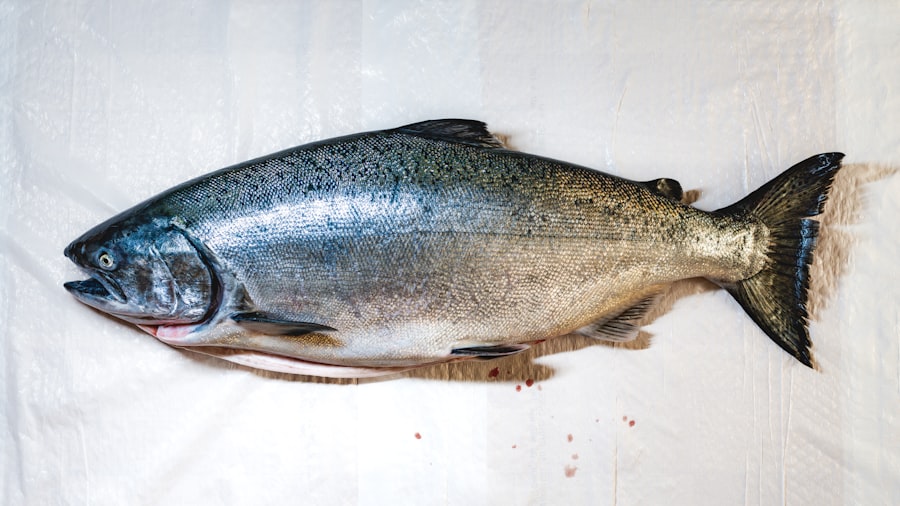
Carotenoids are a diverse group of lipid-soluble pigments that play several vital roles in the natural world. Beyond their function as colorants, they act as antioxidants, protecting organisms from cellular damage caused by free radicals. They also function as precursors to vitamin A in many animals, contributing to vision and immune function. In the case of salmon, their biological machinery is not equipped to synthesize astaxanthin internally. This dependency means that their coloration is entirely dictated by their dietary intake of this pigment.
Absorption and Deposition of Astaxanthin
Once consumed, astaxanthin is absorbed from the salmon’s digestive system. Being a fat-soluble pigment, it is transported and stored in the lipid-rich tissues of the fish, primarily in the muscles. The rate of absorption and deposition can be influenced by factors such as the overall fat content of the diet and the digestive efficiency of the fish. Salmon are biologically adapted to utilize the carotenoids they consume, effectively sequestering them in their flesh during their growth. The more astaxanthin ingested and absorbed, the greater the concentration will be in the muscle tissue.
The Chemical Structure of Astaxanthin and its Color Properties
Astaxanthin’s chemical structure, characterized by a conjugated system of double bonds, is what allows it to absorb specific wavelengths of light and reflect others, resulting in its distinct red-orange color. This structural property is fundamental to its function as a pigment. When light strikes the astaxanthin molecule, certain wavelengths are absorbed, and others are reflected. The reflected wavelengths are what our eyes perceive as color. The specific arrangement of atoms and double bonds in astaxanthin leads to the absorption of green and blue light, with the result that red and yellow light are predominantly reflected, giving rise to the characteristic hue.
Why Natural Salmon Flesh is Not Inherently Colored
Without sufficient dietary astaxanthin, the muscle tissue of salmon is composed primarily of proteins like actin and myosin, and lipids. These components themselves are not pigmented. Proteins are typically white or translucent, and lipids are generally yellowish or whitish. Therefore, in the absence of carotenoids like astaxanthin, the inherent color of salmon muscle is pale or greyish. The vibrant coloration is an acquired characteristic, dependent on the availability and consumption of specific dietary components. This highlights that the visual appeal of salmon color is a result of their diet, not an intrinsic property of their flesh.
Farmed salmon often appears naturally grey due to its diet, which lacks the carotenoid pigments found in wild salmon. These pigments, particularly astaxanthin, are responsible for the vibrant pink and orange hues of wild salmon. To learn more about the dietary differences and how they affect the color of farmed salmon, you can read a related article that delves into this topic further. For more insights, check out this informative article that explores the fascinating reasons behind the color variations in salmon.
Addressing Misconceptions and Clarifying Natural State
| Reasons | Explanation |
|---|---|
| Natural Diet | Farmed salmon are naturally grey because they are fed a diet that lacks the natural pigments found in their wild diet. |
| Artificial Pigments | To achieve the pink color desired by consumers, farmed salmon are often fed artificial pigments such as canthaxanthin and astaxanthin. |
| Genetics | The genetics of farmed salmon also play a role in their natural grey color, as they have been selectively bred for traits other than pigmentation. |
The Assumption of Innate Color
A common misconception is that salmon are naturally born with, or inherently develop, a vibrant pinkish-orange color. This is not the case. The striking coloration that consumers often associate with salmon is a direct result of their foraging habits in the wild and the specific dietary inputs provided in aquaculture. This belief leads to the assumption that farmed salmon’s color is somehow “artificial” in a negative sense, overlooking the natural biological processes involved.
The “Natural” State of Wild Salmon: A Spectrum of Colors
The term “natural” can be interpreted in different ways. If “natural” refers to the absence of human intervention in the form of feed additives, then wild salmon that have not had access to astaxanthin-rich prey would indeed be greyish. However, wild salmon populations exhibit a range of colors depending on their species, geography, and diet. Some wild salmon species, like sockeye, are consistently intensely colored because their natural diet is rich in astaxanthin. Other species might be paler. Therefore, the baseline “natural” color is not a single shade but a spectrum influenced by diet.
The Scientific Basis of Astaxanthin’s Bioavailability
Astaxanthin is a naturally occurring nutrient. When added to fish feed, it is absorbed and metabolized by the salmon in the same way that a wild salmon would absorb astaxanthin from its natural prey. The process is biologically sound and consistent with the natural accumulation of pigments in animals. The bioavailable form of astaxanthin, whether from algae or synthetic sources, is what facilitates this natural deposition in the fish’s muscle tissue.
Distinguishing Between Natural Pigments and Artificial Dyes
It is important to differentiate between added nutrients and artificial colorants. Astaxanthin, whether derived from natural sources or synthesized, is a nutrient that salmon have evolved to utilize. It is not an artificial dye introduced to deceive consumers. The goal of its inclusion in feed is to replicate a natural process that results in a visual characteristic that is highly valued by consumers. Consumers should be aware that the pigmentation in farmed salmon is a result of dietary astaxanthin, a naturally occurring pigment, which mirrors the process in many wild salmon species. The greyish appearance represents the salmon’s natural flesh color in the absence of this pigment.
FAQs
1. Why is farmed salmon naturally grey?
Farmed salmon is naturally grey because their diet does not include the same natural sources of pigment found in the wild salmon’s diet, such as krill and shrimp.
2. How do farmers enhance the color of farmed salmon?
Farmers enhance the color of farmed salmon by adding synthetic pigments to their feed. These pigments are often derived from sources such as petrochemicals or yeast.
3. Are the synthetic pigments added to farmed salmon harmful to human health?
The synthetic pigments added to farmed salmon have been approved by regulatory agencies such as the FDA and are considered safe for human consumption in the amounts typically found in farmed salmon.
4. What are the nutritional differences between naturally colored and artificially colored farmed salmon?
Naturally colored and artificially colored farmed salmon have similar nutritional profiles, as the added pigments do not significantly alter the fish’s nutritional content.
5. Is there a way to identify artificially colored farmed salmon when purchasing it?
Artificially colored farmed salmon can be identified by checking the ingredient list on the packaging, where synthetic pigments such as astaxanthin or canthaxanthin may be listed.