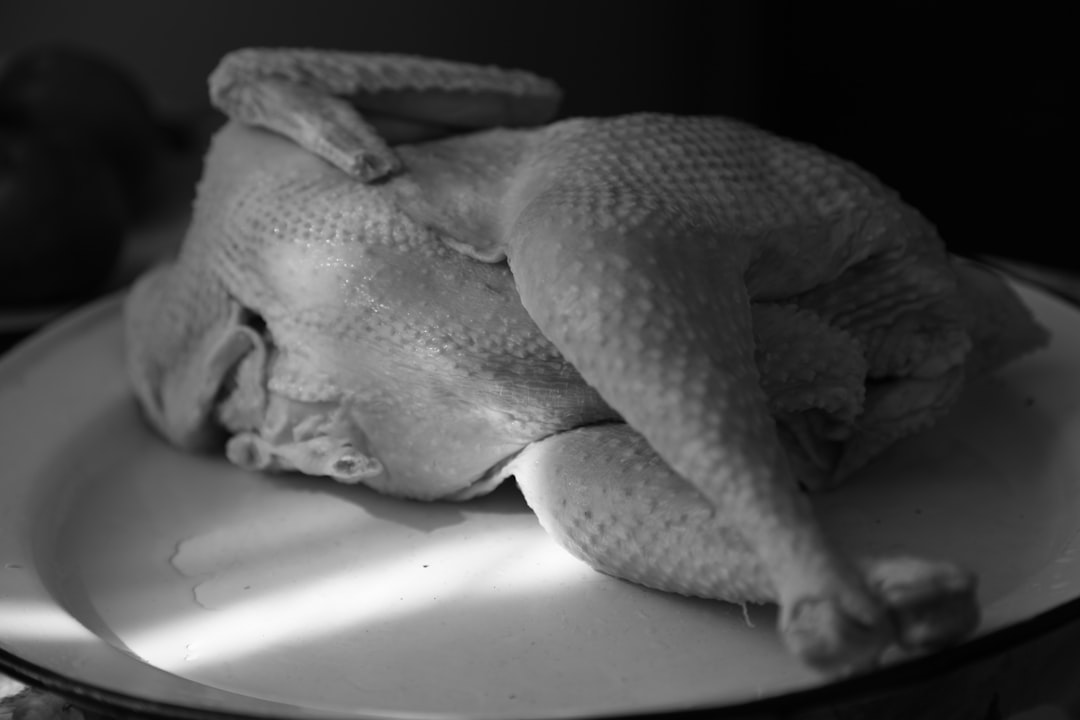
The Culinary Transformation: Understanding Chicken’s Culinary Shrinkage
The aroma of roasting chicken, or the sizzle of pan-fried breasts, are familiar and comforting. Yet, accompanying this culinary pleasure is an almost inevitable observation: chicken dramatically reduces in size as it cooks. This phenomenon, seemingly simple, is a complex interplay of biological structures and thermodynamic principles. Understanding why chicken shrinks is not just about satisfying curiosity; it offers insights into cooking techniques, meat preservation, and the fundamental nature of animal tissue. This article delves into the intricate science behind this ubiquitous culinary transformation.
To comprehend why chicken shrinks, one must first examine its fundamental building blocks: muscle tissue. Raw chicken, like all animal muscle, is a marvel of biological engineering, composed of specialized cells designed for contraction and movement.
Muscle Fibers: The Primary Components
The bulk of chicken meat is made up of muscle fibers. These are elongated, multinucleated cells that contain the contractile proteins actin and myosin. These proteins, arranged in a highly organized, repeating pattern known as sarcomeres, are the machinery that allows muscles to shorten and generate force. In raw chicken, these fibers are surrounded by a network of connective tissues and contain a significant amount of water.
Actin and Myosin: The Contractile Powerhouse
Actin and myosin are the key players in muscle contraction. Myosin filaments slide past actin filaments, causing the muscle fiber to shorten. While this contraction is central to the muscle’s function in a living animal, it’s not the primary driver of shrinkage during cooking. However, the presence and arrangement of these proteins are crucial to how the tissue behaves under heat.
Sarcomeres: The Repeating Units
The sarcomeres are the fundamental contractile units of muscle fibers. Their precise arrangement provides the muscle with its characteristic striations. The protein structures within the sarcomeres are resilient in their raw state, but their integrity is affected by cooking.
Connective Tissue: The Structural Scaffolding
Surrounding and binding the muscle fibers are various types of connective tissue. These include collagen and elastin. Collagen is a strong, fibrous protein that provides structural support and integrity to tissues. Elastin, as its name suggests, provides elasticity. Together, these tissues form a network that holds the muscle fibers in place. The amount of connective tissue varies depending on the cut of chicken, with darker meat generally containing more connective tissue than breast meat.
Collagen: The Gelatinous Foundation
Collagen is abundant in animal tissues. In its raw state, it forms tough, rope-like structures. When heated for extended periods, collagen undergoes a transformation, breaking down and converting into gelatin. This process, known as gelatinization, is responsible for the tenderizing effect of slow cooking. However, in the context of initial shrinkage, the impact of collagen is more about its role in holding water and its eventual breakdown.
Elastin: The Resilient Fibers
Elastin is more resistant to heat than collagen. It provides toughness to muscles that are subjected to high levels of stress or activity. While elastin is present in chicken, it is less abundant than collagen, particularly in the breast meat, which is the most commonly consumed part.
Water Content: The Hydrated Matrix
A significant portion of raw chicken’s weight is attributed to water. This water is held within the muscle cells, between the muscle fibers, and within the connective tissues. This cellular hydration is essential for maintaining the muscle’s texture and pliability. The amount of water can vary based on the chicken’s diet, age, and the presence of any post-mortem treatments like brining or injection.
Intracellular Water: Within the Cells
Water resides within the muscle fibers themselves, contributing to their plumpness and structure. This intracellular water is crucial for metabolic processes and maintaining cell volume.
Extracellular Water: The Interstitial Fluid
Between the muscle fibers and connective tissue, there is interstitial fluid, a type of extracellular water. This fluid helps to transport nutrients and remove waste products.
When cooking chicken, many people notice that it tends to shrink, which can be attributed to the loss of moisture and fat during the cooking process. This phenomenon is not only limited to chicken but can also be observed in other meats. For a deeper understanding of this topic, you can explore a related article that discusses the science behind meat shrinkage and cooking techniques. To read more, visit this informative article.
The Thermosensitive Nature of Proteins
When chicken is exposed to heat during the cooking process, its protein structures undergo profound changes. These changes are directly responsible for the observed shrinkage.
Protein Denaturation: Unfolding the Structures
Proteins are complex molecules composed of long chains of amino acids folded into specific three-dimensional shapes. These shapes are critical for their function. When exposed to heat, the bonds that maintain these intricate structures begin to break. This process is called denaturation. The heat energy disrupts the forces holding the protein molecules in their folded state, causing them to unfold and become more disordered.
Heat-Induced Structural Changes
As muscle proteins denature, they lose their precise, organized structure. This unfolding makes them less soluble and more prone to interacting with each other. This is a fundamental step in the transformation from raw to cooked meat.
The Role of Temperature Thresholds
Different proteins within the chicken muscle have different denaturation temperature thresholds. For instance, sarcoplasmic proteins, which are soluble in water, tend to denature at lower temperatures than myofibrillar proteins (actin and myosin) and connective tissue proteins (collagen). This means that as the temperature rises, a cascade of denaturation events occurs.
Protein Aggregation: Clumping Together
Once denatured, the unfolded protein strands are more likely to interact with one another. They begin to clump together, or aggregate, forming larger, more rigid structures. This aggregation is a direct consequence of denaturation and plays a significant role in expelling water.
Cross-linking and Coagulation
The aggregation process often involves the formation of new bonds between adjacent protein molecules, a phenomenon known as cross-linking. This leads to the “coagulation” of the muscle tissue, giving cooked chicken its firmer, more solid texture. The proteins effectively bind to each other, creating a denser matrix.
Loss of Solubility
The newly formed protein aggregates are much less soluble in water than the original folded proteins. This reduced solubility contributes to the squeezing out of water from the tissue.
The Expulsion of Water: The Primary Cause of Shrinkage
The denaturation and aggregation of proteins lead to the expulsion of water, which is the most significant factor contributing to chicken’s shrinkage.
Water Binding by Proteins
In raw chicken, water is held within the muscle cells and the interstitial spaces. A considerable amount of this water is bound to the protein molecules, interacting with their hydrophilic (water-attracting) groups. This hydration contributes to the meat’s juiciness and overall volume.
Osmotic Pressure and Hydration Shells
Proteins, particularly those with charged amino acid side chains, attract and hold water molecules in layers, forming hydration shells. This binding maintains the protein’s solubility and the surrounding cellular environment.
Intermolecular Forces Holding Water
Various intermolecular forces, including hydrogen bonds, help to keep water within the protein matrix and cellular structures.
Heat-Induced Water Release
As proteins denature and aggregate, their ability to bind water diminishes. The heat energy disrupts the delicate balance of forces holding water. The aggregated protein structures create a tighter, more compact network, effectively squeezing out the water that was previously held within their molecular structures and intercellular spaces.
Reduced Protein Solubility and Water Release
The decrease in protein solubility means that the water molecules are no longer effectively “solvated” by the proteins. They become free to move and are expelled from the matrix.
Mechanical Squeezing by Protein Networks
The formation of a denser, more rigid protein network acts like a sponge being squeezed. As the proteins coagulate, they reduce the volume of the spaces they occupy, forcing the water out. This mechanical expulsion is a direct result of the protein restructuring.
Evaporation: A Secondary Factor
While protein denaturation and water expulsion are the primary drivers, evaporation also contributes to some water loss, especially in cooking methods that expose the chicken to dry heat, such as roasting or grilling. However, the bulk of the visible shrinkage is due to the internal expulsion of water.
Surface Drying
At higher cooking temperatures, water at the surface of the chicken can evaporate, contributing to a loss of mass and potentially a slightly firmer surface texture.
Drippings and Juices
The expelled water often carries with it soluble proteins, fats, and flavor compounds, forming the cooking juices or drippings. This loss of liquid contributes to both shrinkage and a potential reduction in the final flavor intensity if these juices are not utilized.
Factors Influencing the Degree of Shrinkage
Not all chicken cooks to the same degree of shrinkage. Several factors influence how much the meat reduces in size.
Cut of Meat: Muscle Fiber Density and Connective Tissue
Different cuts of chicken have varying amounts of muscle fiber density and connective tissue. Breast meat, being primarily white muscle with less connective tissue, tends to be leaner and contains more water relative to its protein structure. This can lead to more pronounced shrinkage as the water is expelled. Darker meat, such as thighs and legs, contains more myoglobin (hence the darker color) and a higher concentration of connective tissue, which can offer more resistance to shrinkage, particularly during longer cooking times where collagen breaks down into gelatin.
Breast Meat: Lean and Prone to Shrinkage
The breast, composed of fast-twitch muscle fibers, is designed for quick bursts of activity. It has a higher proportion of sarcoplasmic proteins and less connective tissue compared to dark meat. This lean composition means it has less structural buffering against water loss.
Thigh and Leg Meat: Higher Connective Tissue Content
The muscles in the thighs and legs are used more for sustained movement and therefore have a higher proportion of slow-twitch fibers and more connective tissue, including collagen. This can contribute to a more resilient structure that shrinks less dramatically, especially when cooked properly to break down the collagen.
Cooking Method: Temperature and Time
The method used to cook chicken significantly impacts the degree of shrinkage. High-temperature cooking methods, particularly those involving dry heat, tend to cause more rapid and pronounced shrinkage. Longer cooking times, even at lower temperatures, can also lead to water loss through evaporation and continued protein aggregation.
Dry Heat Methods (Roasting, Grilling, Pan-Frying): Faster Evaporation
Cooking chicken at high temperatures in methods like roasting or grilling exposes it to intense dry heat. This promotes faster heat penetration, protein denaturation, and quicker water expulsion. The higher surface temperatures also lead to increased evaporation.
Moist Heat Methods (Braising, Poaching): Reduced Evaporation
Moist heat cooking methods, such as braising or poaching, involve cooking the chicken in liquid. While protein denaturation and water expulsion still occur within the meat, the surrounding liquid prevents excessive evaporation from the surface. This can result in less overall weight loss and shrinkage compared to dry heat methods.
Temperature and Duration Interaction
There is an interplay between cooking temperature and duration. A very high temperature for a short time might cause rapid surface shrinkage, while a moderate temperature for a prolonged period will lead to a more gradual but potentially more extensive internal water loss and protein aggregation.
Pre-Treatment: Brining and Marinating
Pre-treating chicken with brines or marinades can influence its water-holding capacity and, consequently, its shrinkage. Brining, which involves soaking chicken in a salt-water solution, allows the meat to absorb salt and water. The salt helps to denature some proteins and alters their ability to bind water, leading to a juicier and often plumper final product that may shrink less. Marinating, especially with acidic ingredients, can help to tenderize the meat, but its effect on shrinkage is generally less pronounced than brining.
Brining for Increased Water Retention
Salt in a brine solution can penetrate the muscle tissue, interacting with proteins. It can help to increase the protein’s capacity to hold water, leading to a juicier cooked product and potentially mitigating some of the shrinkage.
Marinating for Tenderness
Marinating, particularly with acidic components like lemon juice or vinegar, can begin to break down some of the connective tissues and surface proteins. This can contribute to tenderness but has a less direct impact on the overall water expulsion during cooking compared to brining.
When cooking chicken, many people notice that it tends to shrink, which can be attributed to the loss of moisture and fat during the cooking process. This phenomenon is not only common with chicken but can also occur with other meats. For a deeper understanding of this topic, you might find it interesting to read a related article that explores the science behind meat shrinkage and cooking techniques. You can check it out here: why chicken shrinks when cooked.
Culinary Implications and Techniques to Mitigate Shrinkage
| Reasons for Chicken Shrinkage When Cooking |
|---|
| Loss of Water |
| Protein Coagulation |
| Contraction of Muscle Fibers |
| Release of Fat |
Understanding why chicken shrinks has practical implications for chefs and home cooks alike. While some shrinkage is unavoidable with most cooking methods, certain techniques can help to minimize it and ensure a more succulent final product.
Maintaining Moisture for Juiciness
The goal in cooking chicken is often to achieve a balance between a cooked interior and a moist, tender texture. Excessive shrinkage can lead to dry, tough meat. Therefore, managing water loss is paramount to culinary success.
The Importance of Internal Temperature
Cooking chicken to the correct internal temperature is crucial. Overcooking significantly exacerbates water loss as proteins continue to denature and aggregate beyond the point of safety and optimal texture. Using a meat thermometer to ensure the chicken reaches its safe internal temperature (typically 165°F or 74°C for poultry) is essential.
Resting the Meat After Cooking
Allowing cooked chicken to rest before carving is a vital step. During cooking, the muscle fibers contract, squeezing water towards the center of the meat. Resting allows the muscle fibers to relax and reabsorb some of this expelled moisture, redistributing it throughout the meat and leading to a juicier outcome. This process can help to mitigate the perceived dryness that might result from initial shrinkage.
Optimizing Cooking Methods
Choosing the right cooking method can make a significant difference in the amount of shrinkage observed.
Slow Cooking and Braising for Reduced Shrinkage
As mentioned earlier, moist heat methods like braising or stewing, especially at lower temperatures over longer periods, can lead to less dramatic shrinkage. The surrounding liquid prevents excessive evaporation, and the gradual breakdown of collagen into gelatin can contribute to a tender, succulent texture that feels less dry.
Strategic High-Heat Cooking
When using dry heat methods like roasting or grilling, techniques such as ensuring the chicken is at room temperature before cooking (promoting even heat penetration) and not overcrowding the cooking surface can help. Overcrowding can lower the cooking temperature due to steaming, potentially leading to uneven cooking and prolonged exposure.
The Role of Fat Content
The fat content of chicken also plays a role in its perceived juiciness and can influence how shrinkage affects the final texture. While breast meat is very lean, parts like thighs and wings have more fat. Fat does not denature and expel water in the same way as protein. Instead, it melts and can contribute to lubrication and flavor, sometimes masking the effects of water loss and making the meat feel juicier even if some shrinkage has occurred.
Fat as a Lubricant and Flavor Carrier
During cooking, fat melts and renders. This rendered fat coats the muscle fibers, providing lubrication and carrying flavor molecules, which can enhance the perception of moistness and richness, even when water has been lost from the lean tissue.
The shrinkage of chicken during cooking is a complex, multi-faceted process rooted in the fundamental properties of its biological makeup. From the intricate arrangement of muscle fibers and connective tissues to the thermo-sensitive nature of proteins and the critical role of water, each element contributes to this ubiquitous culinary transformation. By understanding these underlying scientific principles, cooks can better appreciate the art and science of preparing delicious and succulent chicken dishes, navigating the inevitable shrinkage with informed techniques and yielding desirable results.
FAQs
1. Why does chicken shrink when you cook it?
Chicken shrinks when you cook it due to the loss of moisture. As the chicken cooks, the proteins in the meat coagulate and squeeze out water, causing the meat to shrink in size.
2. Does the type of chicken affect how much it shrinks when cooked?
Yes, the type of chicken can affect how much it shrinks when cooked. For example, skinless, boneless chicken breasts tend to shrink more than bone-in, skin-on chicken pieces due to their lower fat content and higher protein density.
3. How can you prevent chicken from shrinking when cooking it?
To prevent chicken from shrinking when cooking, you can try brining the chicken before cooking. Brining involves soaking the chicken in a saltwater solution, which helps the meat retain moisture and prevents excessive shrinkage during cooking.
4. Does overcooking chicken contribute to excessive shrinkage?
Yes, overcooking chicken can contribute to excessive shrinkage. When chicken is overcooked, the proteins continue to coagulate and squeeze out more moisture, leading to a greater loss of volume and shrinkage of the meat.
5. Are there any cooking methods that can minimize chicken shrinkage?
Cooking methods such as grilling, roasting, and sautéing at high heat for a short period of time can help minimize chicken shrinkage. These methods allow the chicken to cook quickly and retain more moisture, resulting in less shrinkage compared to slow cooking methods.