
The year 1945 witnessed a paradoxical electoral outcome in Great Britain. Winston Churchill, the indomitable war leader who had steered the nation through its darkest hours, was comprehensively rejected by the electorate in favour of Clement Attlee’s Labour Party. This result, unexpected by many both at home and abroad, was not a sudden phenomenon but the culmination of various sociopolitical and economic currents that had been gaining strength throughout the war years. To understand Churchill’s waning popularity, one must examine the multifaceted anxieties and aspirations of the British public as the war drew to a close.
As the guns fell silent, the British populace harboured a profound desire for a fundamental restructuring of society. The hardships endured during the war, including rationing, bombing, and the sacrifice of loved ones, had fostered a collective yearning for a more equitable future. This sentiment was not merely a wish but a demand, a tacit understanding that the old ways of pre-war Britain—marked by high unemployment, inadequate social provisions, and stark class divisions—were no longer acceptable. You can learn more about the pivotal moment in British history by watching the Winston Churchill 1945 election video.
The Beveridge Report and Social Security
A pivotal document in shaping these post-war aspirations was the Beveridge Report of 1942, written by Sir William Beveridge. This influential report outlined a comprehensive plan for social security “from cradle to grave,” proposing a national insurance scheme to combat the “five giant evils” of want, disease, ignorance, squalor, and idleness. Churchill’s Conservative government, though instrumental in commissioning the report, expressed reservations about its full implementation, fearing the financial implications and potential disruption to the private sector. This perceived hesitancy stood in stark contrast to the Labour Party’s enthusiastic embrace of Beveridge’s proposals, positioning them as the champions of a new social contract. The public, weary of economic insecurity and suffering, saw in Beveridge’s vision a concrete pathway to a better life, and Labour appeared to be the more reliable guide.
Housing and Reconstruction
Beyond social security, the need for extensive housing and reconstruction was acutely felt across the nation. German bombing raids had devastated large urban areas, leaving millions homeless or living in substandard conditions. The Labour Party presented a detailed plan for the rapid construction of new homes, emphasizing municipal responsibility and large-scale public works. Churchill’s Conservatives, while acknowledging the problem, often focused on encouraging private enterprise and a more gradual approach, which struck many as insufficient given the scale of the crisis. The perceived lack of urgency on the Conservative side regarding housing further alienated a populace desperate for decent living conditions.
The NHS and Healthcare Reform
The establishment of a National Health Service (NHS) was another core aspiration for many Britons. The war had exposed the existing disparities in healthcare provision, with access often dependent on one’s ability to pay. The Labour Party vehemently advocated for a universal, state-funded healthcare system, free at the point of use. Churchill, while not entirely opposed to healthcare reform, expressed concerns about the “cost to the taxpayer” and the potential for a “state monopoly” over medicine. This cautious stance again placed him at odds with a public eager for comprehensive and accessible healthcare, viewing it as a fundamental right rather than a privilege.
Winston Churchill, despite his pivotal role in leading Britain through World War II, faced significant unpopularity in the 1945 elections, largely due to the public’s desire for change and the pressing social issues of the time. Many voters were disillusioned with the Conservative Party’s policies and were eager for a government that would address post-war reconstruction and social welfare. For a deeper understanding of the factors contributing to Churchill’s unpopularity in that pivotal year, you can read more in this related article: Why Was Churchill So Unpopular in 1945?.
Churchill as a War Leader, Not a Peacetime Statesman
Churchill’s extraordinary leadership during the war was undeniable. His powerful oratory, strategic acumen, and unwavering resolve had galvanized the nation. However, the very qualities that made him an iconic war leader were perceived by many as ill-suited for the challenges of post-war reconstruction and domestic policy.
The “Iron Curtain” Persona
Churchill’s public persona, forged in the crucible of war, was often seen as that of a man dedicated to conflict and international diplomacy rather than the intricate details of domestic governance. His grand pronouncements and focus on global power dynamics, while essential during wartime, seemed out of step with the immediate anxieties of everyday Britons concerned with jobs, homes, and social welfare. He was, to many, a figure of a bygone era, too much a part of the “old guard” to fully grasp the nuanced requirements of a new peace. He stood as a monumental figure, a granite statue against the storm, but the storm had passed, and people now desired a more approachable and domestically focused architect.
Perceived Disinterest in Domestic Issues
Throughout the war, Churchill had largely delegated domestic policy to his coalition partners, focusing almost exclusively on the war effort. While understandable given the circumstances, this created a perception that he was either uninterested in or ill-equipped to address the complex social and economic issues facing Britain. His pronouncements on domestic matters often lacked the same passion and detail as his wartime speeches, further reinforcing this impression. This was not a failure of character, but a strategic prioritization for which he would later pay a political price. The nation was shifting its gaze from the battlefields to the hearths and homes, and Churchill’s compass still pointed eastward.
Campaign Blunders and Miscalculations
Churchill’s campaign for the 1945 election was marked by several significant missteps. His infamous “Gestapo speech,” in which he claimed that a Labour government would require “some form of Gestapo” to implement its socialist policies, was widely criticized as scaremongering and an insult to the intelligence of the electorate. This harsh rhetoric, while perhaps intended to highlight the perceived dangers of socialism, instead backfired, alienating swing voters and reinforcing the image of a leader out of touch with public sentiment. The speech was a miscalculation, a verbal hammerblow that fractured rather than unified.
The Labour Party’s Effective Campaign and Clear Vision
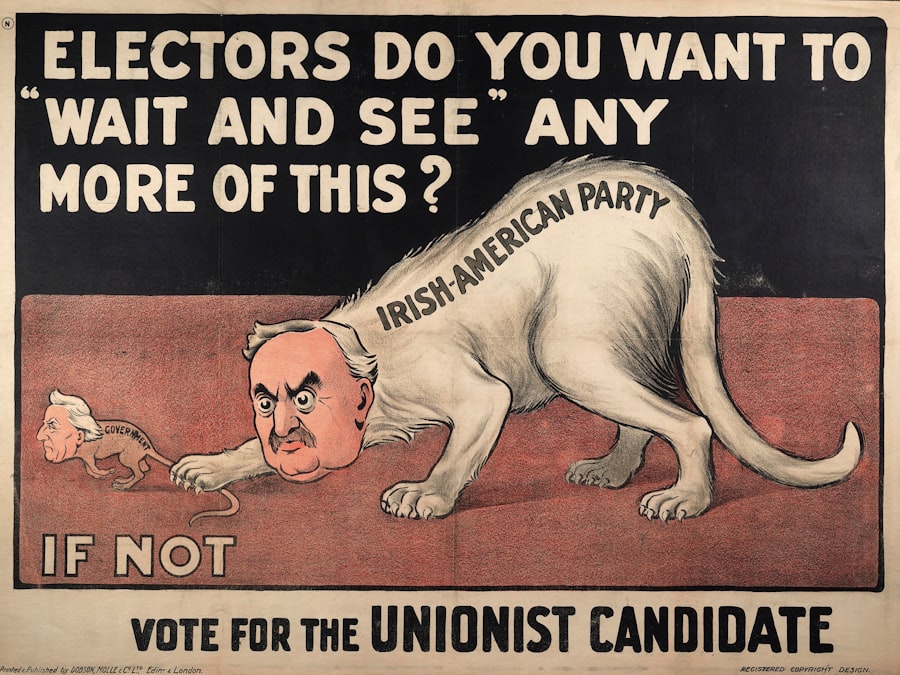
In stark contrast to Churchill’s perceived aloofness and occasional missteps, the Labour Party presented a cohesive and forward-looking vision for post-war Britain. Their campaign was meticulously organized and effectively articulated a message of hope, social justice, and a commitment to radical reform.
Attlee’s Quiet Competence
Clement Attlee, the Labour leader, presented a stark contrast to Churchill’s flamboyant style. Attlee was a quiet, unassuming man, but his calm competence and moral integrity resonated deeply with a public yearning for stability and serious leadership. He was seen as a man of the people, dedicated to tangible improvements in their lives. His understated demeanor projected an image of pragmatism and reliability, a quiet anchor in a sea of post-war uncertainties. Where Churchill was the thundering prophet, Attlee was the steady engineer.
A Detailed and Appealing Manifesto
Labour’s manifesto, “Let Us Face the Future,” was a carefully crafted document that directly addressed the public’s concerns and aspirations. It laid out clear plans for the nationalization of key industries (such as coal, railways, and utilities), the establishment of the NHS, a comprehensive housing program, and expanded social security. This detailed and coherent vision provided a stark contrast to the Conservative campaign, which often focused on Churchill’s past achievements and warned against the perils of socialism rather than offering a compelling alternative future. The manifesto was a blueprint for a better tomorrow, comprehensible and appealing to a population eager for practical solutions.
Harnessing the Spirit of Civilian Sacrifice
The Labour Party effectively tapped into the prevailing sentiment that the collective sacrifices made during the war should translate into a more equitable society. They argued that if the nation could collectivize its efforts for war, it could certainly do so for peace and social well-being. This appeal to a shared sense of purpose and a fairer distribution of resources resonated powerfully with millions who had endured years of hardship and inequality. The wartime “we’re all in this together” ethos was subtly repurposed to advocate for a more egalitarian peacetime.
The Decline of the Coalition and a Desire for Change

The very nature of the wartime coalition government, while essential for victory, also contributed to Churchill’s eventual downfall. As the war concluded, the public’s desire for a return to normal political discourse and clear party distinctions grew.
The End of National Unity
With the defeat of Nazi Germany, the immediate imperative for national unity began to dissipate. The binding force of a shared national enemy was gone, allowing pre-war political divisions and ideologies to re-emerge. Many Labour voters, who had reluctantly supported the coalition for the duration of the war, were now eager to see their party pursue its distinct agenda. The patriotic glue of war had begun to dissolve, and with it, the artificial harmony of the coalition.
A Vote for a New Era, Not Just Against Churchill
The 1945 election was not simply a rejection of Churchill but a resounding endorsement of a new direction for Britain. The public was not ungrateful for his wartime leadership, but they believed that the challenges of peace required a different kind of leadership and a fundamentally different approach to governance. It was a forward-looking vote, a decision to build a new world rather than simply restore the old. The nation was at a crossroads, and it chose the path of radical social reform rather than cautious conservatism.
Winston Churchill, despite his iconic status during World War II, faced significant unpopularity in 1945, primarily due to the public’s desire for change and the pressing social issues of the time. Many voters were disillusioned with the Conservative Party’s policies and sought a new direction for post-war Britain. For a deeper understanding of the factors contributing to Churchill’s decline in popularity, you can read this insightful article on the subject. It explores the political landscape of the era and the reasons behind the Labour Party’s sweeping victory in the 1945 election. To learn more about this fascinating topic, visit this article.
Socioeconomic Shifts and the Electorate’s Evolution
| Reason for Unpopularity | Description | Impact on 1945 Election |
|---|---|---|
| Post-War Economic Concerns | Britain faced severe economic difficulties after WWII, including rationing and unemployment. | Voters blamed Churchill’s Conservative Party for economic hardships, favoring Labour’s promises of reform. |
| Desire for Social Reform | Public wanted improvements in healthcare, housing, and welfare, which Labour strongly advocated. | Labour’s manifesto promised a welfare state, attracting voters away from Churchill. |
| Perception as Wartime Leader Only | Churchill was seen primarily as a wartime hero, less suited for peacetime governance. | Many voters doubted his ability to manage post-war reconstruction effectively. |
| Labour’s Effective Campaign | Labour ran a well-organized campaign focusing on social justice and economic recovery. | Labour gained significant public support, leading to a landslide victory. |
| Churchill’s Controversial Statements | Some speeches, including warnings about a Labour government, were seen as fearmongering. | Alienated moderate voters who preferred positive messages. |
Beyond the immediate political landscape, broader socioeconomic shifts also played a significant role in determining the election outcome. The war had profoundly altered the composition and expectations of the British electorate.
The Influence of Service Personnel
Millions of individuals serving in the armed forces, having experienced camaraderie and social leveling during their service, were often supportive of Labour’s reformist agenda. They had fought for a better world and were less inclined to return to the pre-war inequities they had known. Their experiences forged a desire for a society that valued collective welfare over individual privilege. The military, a cross-section of society, had become a crucible of shared hardship and democratic ideals.
A More Politically Conscious Public
The war had also fostered a more politically conscious and engaged public. Propaganda campaigns, wartime discussions, and the shared experience of adversity had heightened political awareness. People were more informed and more determined to have their voices heard in shaping the post-war future. The sacrifices demanded of them had instilled a sense of entitlement to a better future, making them less willing to accept the status quo.
The Legacy of the 1930s
The collective memory of the Great Depression and the widespread unemployment of the 1930s loomed large in the minds of many voters. The Labour Party, with its emphasis on full employment and a managed economy, offered a compelling alternative to the laissez-faire policies that many associated with Conservative rule in the pre-war era. The ghosts of economic deprivation were potent electoral factors, haunting the Conservative message of continuity.
In conclusion, Winston Churchill’s unpopularity in 1945 was not a simple reflection of ingratitude. It was a complex interplay of post-war aspirations for a new, more equitable society, the perception that Churchill was a war leader ill-suited for peacetime challenges, the Labour Party’s effective campaign and clear vision, the natural dissolution of wartime unity, and long-term socioeconomic shifts. The British people, having endured immense sacrifice, sought a fundamental transformation of their nation. While they admired Churchill’s past achievements, they believed that the future lay with a party that promised a truly new Britain.
WATCH THIS! 🤯 CHURCHILL’S DEFEAT IS ONE OF HISTORY’S BIGGEST SHOCKS.
FAQs
Why was Winston Churchill unpopular in the 1945 general election?
Winston Churchill was unpopular in the 1945 general election primarily because the British public wanted social and economic reforms after World War II. Despite his leadership during the war, many voters felt that the Conservative Party was not the best choice to implement the welfare state and rebuild the country. The Labour Party promised widespread social change, including the creation of the National Health Service and nationalization of key industries, which appealed to the electorate.
Did Churchill’s wartime leadership affect his popularity in 1945?
While Churchill was widely respected for his wartime leadership, this did not translate into electoral support in 1945. Many voters distinguished between his role as a wartime leader and their desire for peacetime social reform. The hardships of the war made people eager for change, and they believed Labour was better suited to address post-war challenges.
What role did the Labour Party play in Churchill’s unpopularity in 1945?
The Labour Party played a significant role in Churchill’s unpopularity by presenting a clear vision for post-war reconstruction and social welfare. Labour’s manifesto, “Let Us Face the Future,” promised comprehensive reforms such as full employment, social security, and public ownership of key industries. This contrasted with the Conservative Party’s more traditional policies, making Labour more appealing to voters seeking change.
Was Churchill’s personal image a factor in his 1945 unpopularity?
Churchill’s personal image was somewhat divisive. While admired for his wartime speeches and determination, some viewed him as out of touch with the needs of ordinary people in peacetime. His association with the Conservative Party, which was seen as representing the establishment, also contributed to his unpopularity among working-class voters.
How did the public’s desire for social reform impact Churchill’s defeat in 1945?
The public’s strong desire for social reform was a key factor in Churchill’s defeat. After years of war and sacrifice, many Britons wanted a government that would improve living standards, provide social security, and create a fairer society. Labour’s commitment to these goals resonated more with voters than Churchill’s focus on continuity and traditional Conservative policies.
Did Churchill’s stance on post-war policies influence his popularity?
Yes, Churchill’s stance on post-war policies influenced his popularity. He was perceived as less enthusiastic about the extensive social reforms proposed by Labour. His emphasis on maintaining the British Empire and a more cautious approach to economic change did not align with the public’s appetite for a new social order, contributing to his electoral loss.