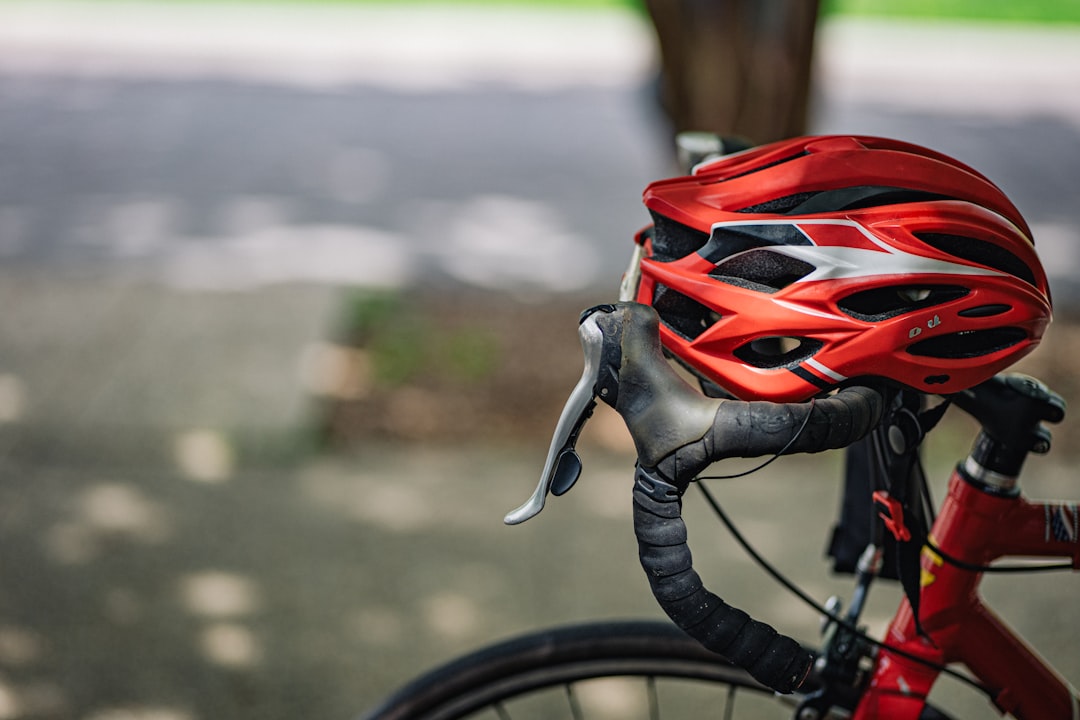
You remember it, don’t you? The scrape of gravel under your tires, the wind whipping past your ears as you navigated suburban streets, exploring every cul-de-sac and undeveloped patch of land you could find. For a generation, the bicycle was freedom, and that freedom came largely unencumbered. You likely didn’t strap on a bulky, brightly colored helmet before heading out the door. It just wasn’t a thing. This article delves into why, from a perspective of someone who lived through it, exploring the cultural, technological, and societal factors that shaped your childhood cycling experiences.
The 1980s, for many of you, were a time of relative simplicity in terms of child supervision and prescribed safety measures. Your parents, likely products of an even less regulated era, fostered a sense of independence and resilience. The idea of wrapping your child in cotton wool for every potential mishap was not yet the dominant parenting paradigm.
A Generational Shift in Perceived Risk
Your parents grew up in a world where scraped knees and minor bumps were considered part of the learning process. This perspective was passed down. The inherent dangers of activities like cycling were acknowledged, but the level of intervention was different. You were taught to be aware of your surroundings, to signal turns, and to watch out for cars – the responsibility for safety largely rested on your own shoulders and your parents’ general vigilance.
The “Toughen Up” Mentality
There was a prevailing attitude that encouraged a certain level of toughness. Falls were inevitable; the lesson was to get back up, dust yourself off, and keep going. This wasn’t about recklessness, but about building character and self-reliance. The concept of “safety gear” for every activity felt, to many, like an overreach, a coddling that would impede the development of these essential life skills.
The Bicycle as a Tool of Exploration, Not a High-Risk Activity
For you, a bike was much more than a mode of transport. It was a chariot of adventure, a passport to independence. It allowed you to traverse neighborhoods, visit friends across town, and discover hidden forts and secret pathways. The focus was on the joy of movement, the wind in your hair, and the sheer unadulterated fun of it all. The potential for serious injury, while understood implicitly, was not a constant, foregrounded concern that dictated equipment choices.
Unsupervised Freedom and the Open Road
The 1980s were characterized by a greater degree of unsupervised childhood. You were allowed to roam further, for longer periods, without constant parental oversight. This freedom bred a sense of autonomy and responsibility. The bike was the enabler of this exploration. Adding helmets, which were cumbersome and often ill-fitting, would have been an impediment to this unfettered mobility.
The Illusion of Invincibility
As a child, you possessed an inherent belief in your own invincibility. The world felt safer, or perhaps your perception of risk was simply different. You were less likely to dwell on worst-case scenarios. A fall was a temporary setback, a story to tell, not a catastrophic event looming in the distance. This youthful optimism, coupled with less exposure to graphic accident depictions, contributed to a dismissive attitude towards safety equipment.
Playground Scrapes vs. Road Crashes
Your typical cycling incidents were often minor – a tumble on a grassy verge or a skid on loose gravel. These were the stuff of playground tales, punctuated by minor abrasions and maybe a bruised ego. The extreme scenarios, the life-altering accidents, felt distant and improbable. They were the stuff of news reports, not personal anxieties that would dictate your daily choices.
In exploring the reasons why kids in the 1980s rarely wore bike helmets, it’s interesting to consider the cultural attitudes towards safety during that era. Many parents believed that children should experience freedom and adventure without the constraints of protective gear. For a deeper understanding of this phenomenon, you can read a related article that discusses the societal norms and perceptions of safety in the past. Check it out here: Why 1980s Kids Never Wore Bike Helmets.
The Absence of a Safety Mandate
The most significant factor, however, was the simple absence of widespread advocacy, regulation, and readily available safety equipment designed for cycling. Helmets, as you knew them, were not a common sight, and certainly not a requirement.
Bicycle Helmets: An Emerging Concept
The modern bicycle helmet, designed for impact absorption and widespread use, was still in its nascent stages of development and adoption in the 1980s. While rudimentary protective headgear existed, it was often bulky, uncomfortable, and not specifically tailored for the diverse needs of casual cyclists.
Early Models and Their Limitations
The helmets that were available were often akin to military or construction headgear. They lacked the aerodynamic designs, lightweight materials, and adjustable fitting systems that are standard today. For a child, these were an impractical burden, often too heavy, too hot, and prone to slipping. The idea of wearing one for a casual bike ride seemed, at best, like an unnecessary inconvenience.
The “Not For Me” Syndrome
Even when helmets were visible, they were often associated with specific, more dangerous forms of cycling. Think of professional racers or stunt riders. For the average kid cruising around the neighborhood, this felt like overkill. The gear was perceived as belonging to a different class of cyclist, one operating at a level of risk that didn’t apply to your everyday adventures.
Where Did You See Helmets?
You might have seen helmets on BMX riders attempting jumps in parks or on individuals engaged in more extreme cycling disciplines. These were niche activities. For your daily rides, the landscape was dominated by bare heads, wind-blown hair, and the unburdened joy of simple locomotion. This visual scarcity reinforced the idea that helmets were not part of the normal cycling experience.
Parental Perceptions and Priorities
Your parents’ understanding of cycling safety and the role of helmets was also shaped by the prevailing knowledge and societal norms of the time. What is considered a “standard” safety precaution now was not necessarily understood or prioritized then.
The “We Rode Without Them” Argument
Many of your parents had grown up without helmets and had experienced no serious injuries. This personal experience often translated into a belief that helmets were not essential for casual cycling. The argument “we rode without them and we were fine” was a common refrain, reflecting a generational confidence in their own past experiences and a certain skepticism towards new safety recommendations.
Focus on Other Hazards
While your parents were undoubtedly concerned about your safety, their priorities might have been focused on more immediate and visible dangers. Traffic awareness, avoiding dogs, and not venturing into unfamiliar or potentially dangerous areas often took precedence over the specific recommendation for helmet use, which was not yet a consistent part of the public discourse.
The Cultural Landscape of Childhood
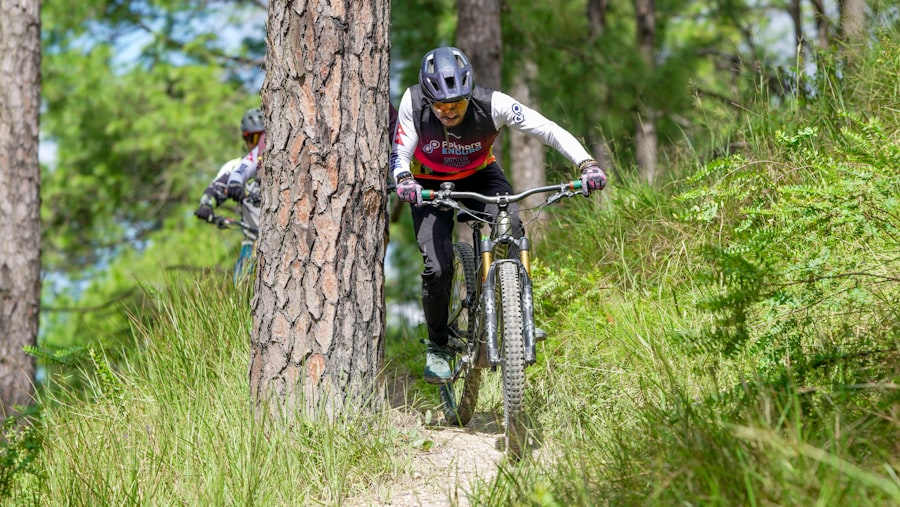
Beyond the practicalities of equipment and regulation, the broader cultural context of the 1980s played a significant role in shaping your cycling habits. The emphasis on self-reliance, exploration, and a less risk-averse approach to childhood set the stage for a generation of helmet-free cyclists.
The Rise of the Independent Explorer
The 1980s child was often a more independent entity than children in later decades. The concept of “latchkey kids” emerged, and with it, a greater degree of autonomy and responsibility granted to children. Your bicycle was the primary tool for exercising this independence.
The Neighborhood as Your Playground
Your neighborhood was your domain. You knew its inhabitants, its shortcuts, its secrets. The bike facilitated this intimate knowledge and allowed you to traverse it freely and without constant supervision. The helmet would have felt like an unnecessary barrier to this intimate engagement with your world.
The Absence of Pervasive Media Influence on Safety
Unlike today, where safety campaigns and public service announcements are ubiquitous, the 1980s had a less saturated media landscape when it came to child safety mandates. The constant barrage of warnings and advisement that characterizes modern media was not present.
Less Exposure to Accident Narratives
You were not as consistently exposed to graphic depictions of bicycle accidents or the devastating consequences of head injuries through television, internet, or readily accessible news. This lack of constant, high-visibility reinforcement meant that the perceived risk of serious injury was less immediate and visceral.
The “Toughness” Narrative in Media and Culture
The cultural narrative of the 1980s often celebrated resilience, grit, and a certain level of bravado. From action heroes on screen to the general portrayal of childhood, there was an underlying message that children were capable of overcoming minor adversities.
The Embodiment of Freedom and Adventure
Movies, television shows, and books often depicted children embarking on adventures, with their bicycles as a central element. These narratives rarely, if ever, featured mandatory safety equipment. This cultural portrayal reinforced the image of the bicycle as a symbol of unadulterated freedom and adventure, unburdened by protective gear.
The Appeal of the “Rebel” Image
While not overtly encouraged, there was a subtle undertone of a rebellious spirit in youth culture during the 1980s. Following every safety dictate could be perceived as overly cautious, or even a bit “uncool.” Riding your bike with your hair flying free, unencumbered by a helmet, aligned more with this image of independence and a touch of defiance.
The Evolution of Safety Awareness and Technology

The landscape you knew has dramatically transformed. This wasn’t a failure of your generation, but rather a reflection of a period where knowledge, technology, and societal priorities evolved.
The Growing Body of Evidence on Head Injuries
Over time, medical research and accident data began to accumulate, providing a clearer picture of the devastating impact of head injuries in cycling accidents. This growing body of evidence became the bedrock for future safety initiatives.
The Link Between Helmets and Reduced Injury
As studies became more sophisticated, the correlation between helmet use and a significant reduction in the severity and incidence of head injuries became undeniable. This scientific backing provided the impetus for public health campaigns and legislative changes.
Technological Advancements in Helmet Design
The evolution of helmet technology has been a key driver in their increased adoption. The bulky, uncomfortable helmets of the past have been replaced by lightweight, well-ventilated, and highly adjustable designs.
Improved Materials and Construction
Modern helmets utilize advanced materials like expanded polystyrene (EPS) foam and durable polycarbonate shells, engineered to absorb and dissipate impact forces effectively. This improved construction significantly enhances protection.
Focus on Fit and Comfort
Manufacturers now heavily emphasize adjustability and comfort. Features like dial-fit systems, adjustable straps, and improved ventilation ensure that helmets fit a wide range of head sizes and remain comfortable even during extended rides. This addresses the primary reason many from your generation avoided them.
The Shift in Public Policy and Advocacy
A concerted effort by health organizations, cycling advocacy groups, and government bodies has led to a significant shift in public policy and awareness regarding helmet use.
The Power of Public Awareness Campaigns
Targeted campaigns, often featuring compelling visuals and personal stories, have been instrumental in educating the public about the risks of cycling without a helmet and the benefits of wearing one.
Legislative Momentum Towards Mandates
In many regions, this has translated into legislation. While direct mandates for all ages are debated, laws requiring helmet use for children are now commonplace, reflecting a societal consensus on the importance of protecting young cyclists.
Your Children’s Experience: A Stark Contrast
For your own children, or children you observe today, the experience of cycling is vastly different. The helmet is an expected piece of equipment, as commonplace as the bicycle itself. This highlights the profound shift that has occurred in a relatively short period. The choices you made, unburdened by today’s prevailing safety discourse, were simply a reflection of the world you inhabited.
In exploring the carefree spirit of childhood in the 1980s, one can’t help but wonder why bike helmets were rarely seen on kids during that era. A related article discusses the cultural attitudes towards safety gear and how they have evolved over the years. Many parents back then prioritized freedom and adventure over protective measures, leading to a generation of kids who rode bikes with the wind in their hair. To delve deeper into this fascinating topic, you can read more about it in this insightful piece here.
The Legacy of the Helmet-Free Era
| Reasons | Metrics |
|---|---|
| Lack of awareness | Low percentage of public education campaigns |
| Cultural norms | High percentage of adults not wearing helmets |
| Cost | High price of helmets compared to disposable income |
| Comfort | Lack of comfortable and stylish helmet options |
| Freedom | Desire for unrestricted movement and play |
Looking back, your generation’s approach to cycling isn’t a tale of recklessness, but one of a different time with different norms. The absence of helmets speaks volumes about the cultural values, technological limitations, and societal expectations of the 1980s, shaping a childhood that was perhaps more independent, more adventurous, and undeniably, less helmeted.
A Generation of Independent Riders
You are a testament to the capabilities of a generation that learned to navigate the world with a degree of freedom and self-reliance that might seem remarkable today. Your childhood experiences, unencumbered by bulky safety gear, forged a particular kind of independence.
The Unconscious Risk Assessment
While you may not have consciously considered the risks in the same way a parent today might, your early cycling experiences likely honed your spatial awareness, your ability to judge speeds, and your understanding of road dynamics. You learned through doing, through mild falls and minor scrapes.
The Unforeseen Consequences, Viewed With Hindsight
It’s important to acknowledge, with the benefit of decades of hindsight and increased scientific understanding, that this era was not without its risks. The absence of widespread helmet use likely contributed to a higher incidence of head injuries than might have occurred otherwise.
Acknowledging the Data
While you may have ridden without incident, and many of your peers did too, the statistics on cycling-related head trauma are undeniable. It’s a complex narrative, acknowledging both the freedoms you enjoyed and the evolving understanding of safety that has led to different practices today.
The Continuing Dialogue on Risk and Freedom
Your generation’s experience serves as a valuable point of comparison as we continue to discuss the balance between fostering independence and ensuring safety in childhood. The debate is not about absolutes, but about finding the right equilibrium for each era and each individual.
Lessons Learned and Adaptations Made
The evolution from the helmet-free 1980s to the helmet-advocated present is a story of learning and adaptation. It reflects a growing understanding of health risks and a commitment to protecting vulnerable populations, particularly children. The choices you made were a product of your time, and the choices made today are a product of theirs.
FAQs
1. Why didn’t 1980s kids wear bike helmets?
In the 1980s, there was limited awareness about the importance of wearing bike helmets for safety. Helmets were not widely available or mandated by law, and the focus on bike safety was not as prominent as it is today.
2. Were there any safety concerns about not wearing bike helmets in the 1980s?
During the 1980s, there was a lack of understanding about the potential risks of head injuries while biking. As a result, many children and adults rode bikes without helmets, unaware of the potential dangers.
3. When did the use of bike helmets become more widespread?
The use of bike helmets became more widespread in the 1990s as research and advocacy efforts highlighted the importance of protecting the head while biking. Laws and regulations mandating the use of helmets for children and adults also contributed to increased adoption.
4. What are the benefits of wearing bike helmets?
Wearing a bike helmet can significantly reduce the risk of head injuries in the event of a fall or collision while biking. Helmets provide crucial protection for the brain and can prevent serious or life-threatening injuries.
5. Are bike helmets mandatory for children and adults today?
In many places, bike helmet laws have been enacted to require children and adults to wear helmets while biking. These laws vary by location, but the trend is towards increased helmet use to promote bike safety and reduce the risk of head injuries.