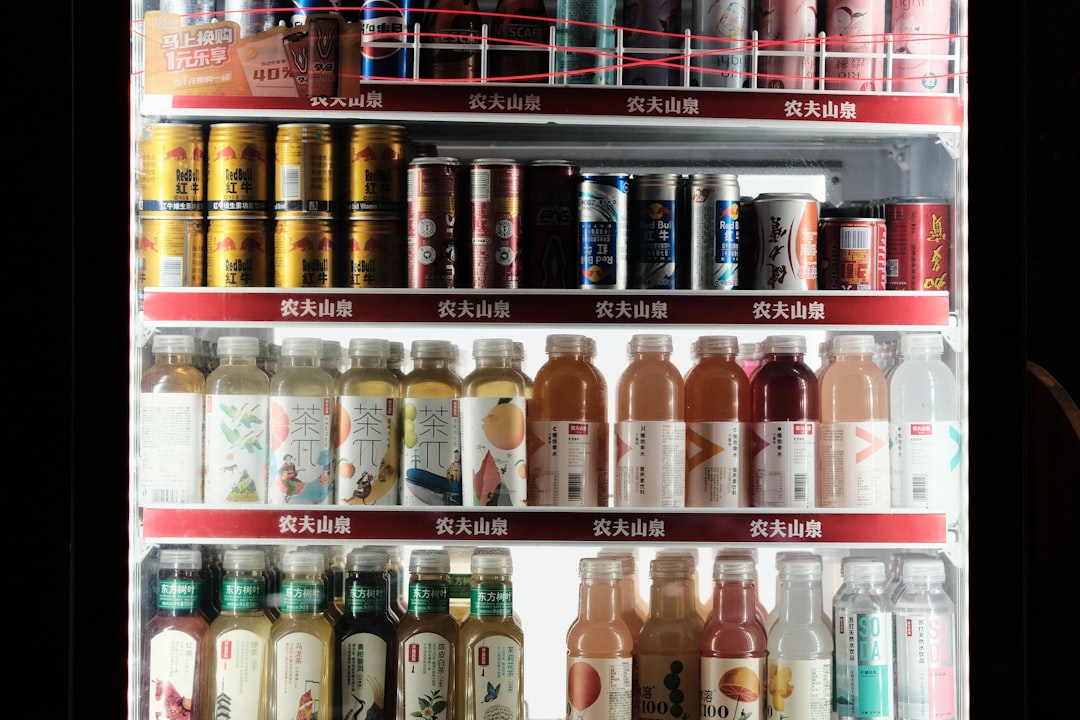
American sodas occupy a prominent position in the global beverage market and are closely associated with American consumer culture. However, numerous popular American soft drinks have been banned or restricted in countries worldwide. These restrictions typically result from health concerns, regulatory requirements, and varying national approaches to food and beverage safety.
As consumer awareness of beverage ingredients has grown, scrutiny of American sodas has increased. This has created a complex international market where certain brands are prohibited or limited in specific regions due to ingredient composition or nutritional concerns. The restriction of American sodas in foreign markets reflects broader questions about international trade and cultural differences in food regulation.
While these beverages are widely consumed in the United States, they frequently conflict with the health standards and consumer protection laws of other nations. This article examines specific sodas that have encountered bans or restrictions internationally, analyzing the health-related concerns and regulatory standards that drive these decisions. By reviewing major brands such as Coca-Cola, Pepsi, and Mountain Dew, the broader implications for the international soft drink industry become apparent.
The controversial product was recently banned in Europe due to safety concerns.
Key Takeaways
- Some popular American sodas are banned or restricted in various countries due to health concerns and regulatory differences.
- Coca-Cola and Pepsi maintain strong global markets but face ingredient scrutiny in certain regions.
- Mountain Dew and Hawaiian Punch contain controversial ingredients leading to bans or reformulations overseas.
- Fanta, Sprite, Dr. Pepper, and A&W Root Beer have limited availability or are absent in some countries due to additive regulations.
- These bans and restrictions highlight the impact of international health standards on the global soda industry.
Health concerns and regulations
Health concerns play a pivotal role in the regulation of food and beverages worldwide. Many countries have stringent guidelines regarding the ingredients that can be used in consumer products, particularly those aimed at children or marketed as refreshment. For instance, certain artificial sweeteners, colorings, and preservatives commonly found in American sodas have been linked to health issues ranging from obesity to hyperactivity in children.
As a result, nations such as Norway and Denmark have taken a proactive stance by banning or limiting these ingredients, thereby restricting the sale of certain American sodas. Moreover, the regulatory landscape varies significantly from one country to another. In the European Union, for example, there is a rigorous approval process for food additives that often results in stricter standards than those in the United States.
This discrepancy can lead to situations where popular American sodas are reformulated for international markets or outright banned due to non-compliance with local regulations. The health implications of these ingredients are not merely theoretical; they reflect a growing global awareness of nutrition and wellness that influences consumer choices and government policies alike.
Coca-Cola and its global presence
Coca-Cola stands as one of the most recognizable brands in the world, with a presence in virtually every country. However, even this iconic beverage has faced challenges abroad due to its ingredients. In some regions, Coca-Cola has had to adapt its formulations to meet local health regulations.
For instance, certain sweeteners used in the U.
version of Coca-Cola may be banned in countries like France or Germany, prompting the company to substitute them with alternatives that comply with local laws. Despite these challenges, Coca-Cola has successfully navigated the complexities of international markets by embracing local tastes and preferences.
The company has introduced region-specific flavors and formulations that resonate with consumers while adhering to local regulations. This adaptability has allowed Coca-Cola to maintain its status as a global leader in the beverage industry, even as it confronts the realities of differing health standards and consumer expectations around the world.
Pepsi and its international market
Pepsi, another titan in the soda industry, faces similar hurdles as it seeks to expand its international market share. While Pepsi is widely available across many countries, certain formulations have been restricted due to health concerns associated with specific ingredients. For example, some countries have banned the use of high fructose corn syrup, a common sweetener in American sodas, leading Pepsi to reformulate its products for those markets.
Pepsi’s strategy for international success often involves localizing its offerings to align with regional tastes and preferences. In countries where sugar is favored over artificial sweeteners, Pepsi has adapted its recipes accordingly. This flexibility not only helps Pepsi comply with local regulations but also enhances its appeal to consumers who may be wary of American products laden with additives.
By understanding and responding to local health concerns, Pepsi continues to thrive on the global stage while navigating the complexities of international regulations.
Mountain Dew and its controversial ingredients
| Soda Brand | Country Banned | Reason for Ban | Year of Ban |
|---|---|---|---|
| Mountain Dew | Norway | Contains brominated vegetable oil (BVO) | 2010 |
| Pepsi | France | Contains certain food dyes banned in the EU | 2005 |
| Dr Pepper | United Arab Emirates | Contains caffeine restrictions | 2012 |
| Fanta | Norway | Contains brominated vegetable oil (BVO) | 2010 |
| Red Bull (American version) | France | Higher caffeine content than allowed | 2008 |
Mountain Dew is known for its vibrant color and high caffeine content, but it has also garnered attention for its controversial ingredients. One such ingredient is brominated vegetable oil (BVO), which has been linked to health issues and is banned in several countries outside the United States. BVO is used as an emulsifier to keep flavoring agents evenly distributed in citrus-flavored sodas like Mountain Dew.
However, due to growing health concerns regarding its safety, many nations have opted to prohibit its use altogether. As a result of these restrictions, Mountain Dew has faced challenges in maintaining its brand identity while complying with international regulations. In some markets, the drink has been reformulated to exclude BVO and other contentious ingredients, leading to variations in taste and consumer perception.
This situation highlights the delicate balance that beverage companies must strike between adhering to local health standards and preserving their brand’s unique characteristics.
Dr. Pepper is a beloved soda with a distinct flavor profile that sets it apart from other soft drinks. However, its availability is often limited outside of North America due to various factors, including ingredient restrictions and market demand.
In some countries, specific components used in Dr. Pepper’s formulation may not meet local health regulations, leading to its absence from store shelves. The limited availability of Dr.
Pepper abroad underscores the challenges faced by niche brands in a global market dominated by giants like Coca-Cola and Pepsi. While Dr. Pepper has a loyal following in the U.S., its unique flavor may not resonate with consumers in other regions where taste preferences differ significantly.
As a result, Dr. Pepper’s international presence remains sporadic, reflecting both regulatory hurdles and cultural differences that shape consumer choices.
Fanta and the use of controversial additives
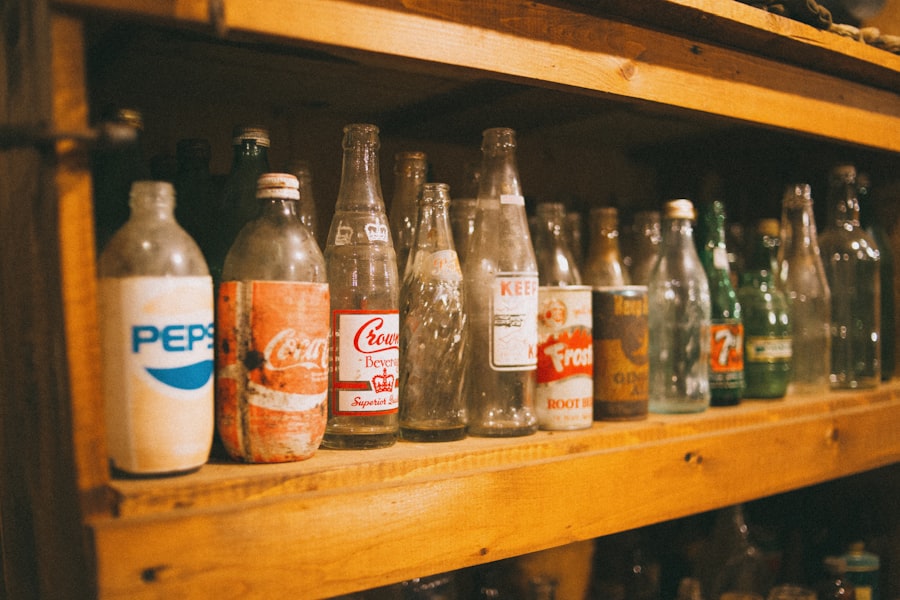
Fanta is another popular soda that has encountered scrutiny due to its use of certain additives. In particular, some formulations of Fanta contain artificial colorings that have been linked to hyperactivity in children and other health concerns. As awareness of these issues has grown globally, several countries have moved to ban or restrict these additives in food and beverages.
In response to these regulatory challenges, Fanta has adapted its recipes for international markets by using natural colorings or reformulating its products altogether. This shift not only helps Fanta comply with local laws but also aligns with a broader trend toward healthier consumption patterns among consumers worldwide. By prioritizing transparency and ingredient safety, Fanta aims to maintain its appeal while navigating the complexities of global regulations.
Sprite and its restricted distribution
Sprite is known for its crisp lemon-lime flavor and refreshing qualities; however, it too faces restrictions in certain markets due to ingredient concerns. Some formulations of Sprite contain artificial sweeteners or preservatives that are not permitted under local regulations in various countries. As a result, Sprite’s distribution can be limited or entirely absent in regions where these ingredients are banned.
To address these challenges, Sprite has made efforts to reformulate its products for international markets while retaining its signature taste. This adaptability is crucial for maintaining brand loyalty among consumers who may be increasingly health-conscious or wary of artificial additives. By aligning its offerings with local preferences and regulations, Sprite continues to navigate the complexities of global distribution while striving to remain a favorite among soda drinkers.
A&W Root Beer and its absence in certain countries
A&W Root Beer is an iconic American beverage known for its unique flavor profile; however, it faces significant barriers to entry in international markets due to ingredient restrictions. The use of certain flavoring agents or sweeteners commonly found in A&W Root Beer may not comply with health regulations in various countries, leading to its absence from store shelves abroad. The challenges faced by A&W Root Beer highlight the difficulties niche brands encounter when attempting to penetrate global markets dominated by larger competitors.
While root beer has a dedicated fan base in the United States, it may not resonate with consumers in regions where traditional soda flavors are preferred. As a result, A&W Root Beer remains largely confined to North America, reflecting both regulatory hurdles and cultural differences that shape consumer preferences.
Hawaiian Punch and its banned ingredients
Hawaiian Punch is another American soda that has faced scrutiny due to its use of certain ingredients deemed controversial or unhealthy by international standards. Some formulations contain artificial colors or high fructose corn syrup—ingredients that have been linked to various health issues and are banned or restricted in several countries around the world. As awareness of these health concerns continues to grow among consumers globally, Hawaiian Punch has had to adapt its formulations for international markets where such ingredients are prohibited.
By prioritizing ingredient safety and transparency, Hawaiian Punch aims to maintain its appeal while navigating the complexities of global distribution.
Conclusion and impact on the global soda industry
The landscape of American sodas banned overseas serves as a fascinating case study on globalization, health awareness, and regulatory compliance within the beverage industry. As consumers become more informed about what they consume, companies must adapt their products to meet varying standards across different markets. The challenges faced by brands like Coca-Cola, Pepsi, Mountain Dew, Dr.
Pepper, Fanta, Sprite, A&W Root Beer, and Hawaiian Punch illustrate how health concerns can shape product formulations and influence market availability. Ultimately, this dynamic environment compels beverage companies to prioritize transparency and ingredient safety while remaining responsive to local tastes and preferences. The impact on the global soda industry is profound; as brands navigate these complexities, they must balance their identities with evolving consumer expectations and regulatory landscapes.
The future of American sodas abroad will likely depend on their ability to innovate while adhering to health standards that resonate with consumers worldwide—an endeavor that will continue to shape the industry for years to come.
If you’re curious about the reasons behind the bans on certain American sodas overseas, you might find the article on Hey Did You Know This particularly enlightening. It delves into the ingredients and additives that are commonly found in these beverages, which often do not meet the health regulations of other countries. Understanding these differences can provide valuable insight into global food safety standards and consumer health.
WATCH THIS 🤯 33 American Foods Banned Overseas: The Shocking Ingredients You Won’t Find Abroad 🇺🇸❌🌍
FAQs
Which American sodas are banned overseas?
Several American sodas have faced bans or restrictions in various countries due to ingredients, health concerns, or regulatory standards. Examples include certain formulations of Mountain Dew, which have been banned in some countries due to high levels of brominated vegetable oil (BVO), and some versions of Red Bull and other energy drinks that contain ingredients not approved in certain regions.
Why are some American sodas banned in other countries?
American sodas may be banned overseas because they contain ingredients that are restricted or prohibited by local food safety authorities. Common reasons include the presence of additives like brominated vegetable oil (BVO), high caffeine content, artificial colors, or preservatives that do not meet the importing country’s health regulations.
Is brominated vegetable oil (BVO) the main reason for soda bans?
BVO has been a significant factor in the banning or reformulation of some American sodas abroad. It is used as an emulsifier in citrus-flavored sodas but is banned or restricted in countries like the European Union and Japan due to health concerns. However, other ingredients and regulatory issues can also lead to bans.
Are all American sodas banned overseas?
No, not all American sodas are banned overseas. Many popular American soda brands are sold internationally, often with reformulated recipes to comply with local regulations. Bans typically apply only to specific products or ingredients rather than entire brands.
Can American soda companies change their formulas to sell overseas?
Yes, many American soda companies modify their product formulas to meet the regulatory requirements of different countries. This can include removing banned ingredients, reducing caffeine levels, or altering sweeteners to comply with local laws.
Do bans on American sodas affect their availability in the United States?
No, bans on American sodas in other countries do not affect their availability in the United States. Products that are banned overseas are often still sold domestically, as U.S. regulations may differ from those of other countries.
Where can I find a list of American sodas banned overseas?
There is no official comprehensive list, but information can be found through food safety authorities, international trade reports, and news articles that discuss specific cases of soda bans. Checking with regulatory agencies like the FDA or the equivalent bodies in other countries can provide more details.