
The pharmaceutical industry, a colossal economic and scientific entity, stands as a critical pillar of modern healthcare. Its operations, encompassing research, development, manufacturing, and marketing of medicinal drugs, are inextricably linked to human well-being. However, beneath the veneer of life-saving innovation lies a complex landscape often characterized by intense commercial pressures, intricate regulatory frameworks, and ethical dilemmas. This article aims to unveil some fundamental truths about this industry, prompting a deeper understanding beyond its public-facing façade.
The journey from a novel chemical compound to a globally accessible medicine is an arduous and financially intensive endeavor. Pharmaceutical companies invest billions annually into research and development (R&D), a process likened to navigating a vast ocean where only a minuscule fraction of ships reach port.
The Protracted Timeline
The average time it takes for a new drug to go from synthesis in a laboratory to approval for patient use is estimated to be between 10 and 15 years. This extensive timeline is a consequence of rigorous preclinical testing, multiple phases of human clinical trials, and meticulous regulatory review.
The Attrition Rate
The R&D pipeline is prone to significant attrition. For every 10,000 compounds initially investigated, only a handful will demonstrate sufficient promise to enter human trials. Of those entering clinical trials, merely one or two are likely to receive final regulatory approval. This high failure rate necessitates substantial investment across a broad portfolio of potential therapies to ensure any successful product eventually offsets the costs of numerous failures.
The Cost of Innovation
Estimates for the cost of bringing a single new drug to market vary, often cited in the range of $1 billion to $2.6 billion, including the cost of failures. These figures are subject to debate, but unequivocally underscore the monumental financial resources required to innovate in this sector. These expenditures are often cited as a justification for the high prices of patented drugs, a point of continuous contention.
The pharmaceutical industry has long been a topic of debate and scrutiny, with many questioning the ethics behind drug pricing and marketing practices. For a deeper understanding of the complexities surrounding this industry, you can read a related article that explores various aspects of pharmaceutical practices and their impact on healthcare. Check it out here: The Truth About the Pharmaceutical Industry.
Navigating the Regulatory Labyrinth: Gatekeepers of Safety and Efficacy
Regulatory bodies worldwide, such as the Food and Drug Administration (FDA) in the United States, the European Medicines Agency (EMA), and Japan’s Pharmaceuticals and Medical Devices Agency (PMDA), serve as the arbiters of drug safety and efficacy. Their stringent approval processes are designed to protect public health, acting as a critical filter for the myriad of potential therapies.
Preclinical Testing
Before any substance can be tested in humans, it undergoes extensive preclinical testing in laboratory settings and animal models. This phase assesses a drug’s basic pharmacological profile, toxicity, and potential side effects, aiming to identify compounds too harmful or ineffective for human trials.
Clinical Trials: The Human Crucible
Human clinical trials are meticulously designed studies conducted in several phases:
- Phase I Trials: Involve a small group of healthy volunteers to assess safety, dosage, and how the drug is metabolized and excreted.
- Phase II Trials: Administered to a larger group of patients with the target disease to evaluate efficacy and further monitor safety.
- Phase III Trials: Involve thousands of patients, often comparing the new drug to existing treatments or a placebo, to confirm efficacy, monitor adverse reactions, and contribute to the understanding of the drug’s overall risk-benefit profile. These trials are pivotal for gaining regulatory approval.
- Phase IV Trials (Post-Marketing Surveillance): Continue after the drug has been approved and is available on the market. These trials monitor long-term effects, identify rare side effects not seen in earlier, smaller studies, and study the drug in diverse populations.
The Regulatory Review Process
Upon completion of successful clinical trials, pharmaceutical companies submit a comprehensive New Drug Application (NDA) or similar dossier to regulatory authorities. This application, often thousands of pages long, details all aspects of the drug, from its chemical composition and manufacturing process to the results of all preclinical and clinical studies. Regulators meticulously review this data to determine if the drug’s benefits outweigh its risks for its intended use.
The Business of Healing: Economics and Market Dynamics

The pharmaceutical industry, while dedicated to health, operates within a capitalist framework. Its economic engine is fueled by patents, market exclusivity, and strategic pricing, which are often at the heart of public debate regarding drug accessibility and affordability.
The Patent System: A Double-Edged Sword
Patents are the lifeblood of pharmaceutical innovation. They grant a company exclusive rights to manufacture and sell a drug for a defined period, typically 20 years from the patent filing date. This exclusivity is intended to incentivize R&D by allowing companies to recoup their enormous investments and generate profits.
The Generic Avalanche
Once a patent expires, generic manufacturers can produce bioequivalent versions of the drug. Generic drugs are typically significantly cheaper, leading to substantial savings for healthcare systems and patients. This sudden influx of competition often results in a steep decline in sales for the original brand-name drug, influencing pharmaceutical companies to continuously innovate and develop new patented compounds.
Pricing Strategies: A Complex Algorithm
Drug pricing is influenced by a multitude of factors, including R&D costs (including failures), manufacturing expenses, marketing outlays, perceived therapeutic value, market size, and reimbursement policies. The pricing of novel, highly specialized drugs, particularly those for rare diseases, often reflects the significant investment required and the limited patient pool over which to amortize these costs.
The Debate on Affordability
The high prices of certain drugs, particularly in markets with less stringent price controls, are a source of ongoing controversy. Critics argue that these prices are exorbitant and prevent equitable access to essential medicines, while industry proponents maintain that such pricing is necessary to sustain innovation and fund future research. This tension forms a perpetual dialogue between access and innovation.
The Ethical Quandaries: A Moral Compass in a Commercial World
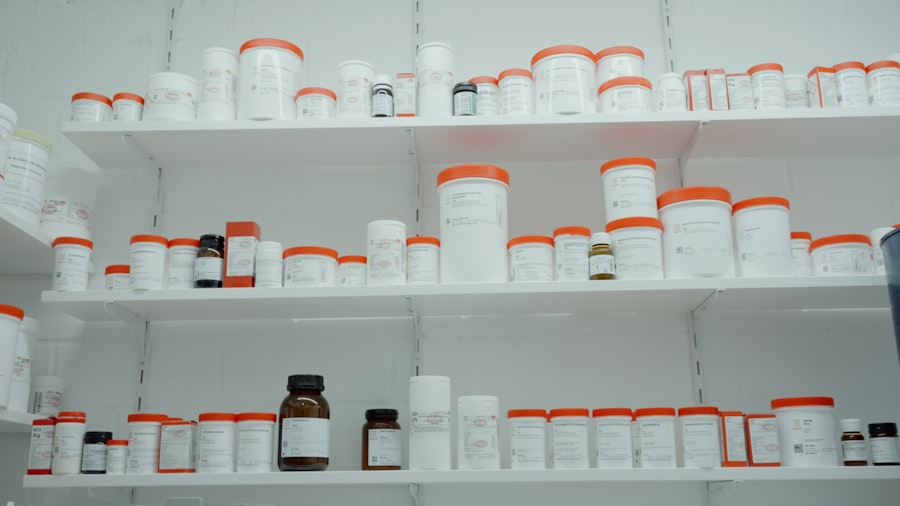
The pharmaceutical industry, by its very nature, treads a fine line between commercial imperatives and its profound responsibility to public health. This delicate balance frequently gives rise to significant ethical dilemmas that demand careful scrutiny.
Marketing and Promotion: Influencing Prescribing Practices
Pharmaceutical companies employ extensive marketing and promotional strategies to inform healthcare professionals about their products. While some efforts genuinely aim to disseminate vital medical information, others are perceived as exerting undue influence on prescribing practices.
Direct-to-Consumer Advertising (DTCA)
In countries like the United States and New Zealand, direct-to-consumer advertising (DTCA) of prescription drugs is permitted. While proponents argue that DTCA empowers patients by informing them of treatment options, critics contend that it can lead to inappropriate prescribing, encourages demand for expensive brand-name drugs over equally effective generics, and may overstate benefits while downplaying risks. The metaphor here resembles a siren’s call, alluring but potentially misleading.
Physician-Industry Relationships
The relationship between pharmaceutical companies and physicians is another area of ethical concern. Interactions can range from educational events sponsored by pharmaceutical companies to consulting agreements and research grants. While these collaborations can foster medical progress, they also raise questions about potential conflicts of interest and whether promotional activities unduly influence clinical judgment. Transparency initiatives, such as public databases disclosing payments to physicians, are efforts to mitigate these concerns.
Access to Medicines: A Global Imperative
The disparity in access to essential medicines between developed and developing nations represents a profound ethical challenge. Diseases prevalent in poorer regions may receive less R&D investment due to limited market potential, even if the global health burden is immense.
Differential Pricing and Compulsory Licensing
Strategies like differential pricing (charging lower prices in developing countries) and compulsory licensing (allowing countries to produce generic versions of patented drugs during public health emergencies) are mechanisms intended to address these access disparities. However, these solutions often face resistance from patent holders who argue they undermine intellectual property rights and disincentivize future innovation. It is an ongoing battle between the profit motive and humanitarian necessity.
The complexities of the pharmaceutical industry have been a topic of much debate, particularly regarding transparency and ethics. For those interested in exploring this subject further, a related article discusses various aspects of the industry’s practices and their impact on healthcare. You can read more about it in this insightful piece that sheds light on the challenges faced by consumers and healthcare professionals alike. To delve deeper into this important topic, check out the article here.
The Future Landscape: Adaptations and Evolving Paradigms
| Metric | Value | Notes |
|---|---|---|
| Global Pharmaceutical Market Size | 1.5 trillion | Estimated market value in 2023 |
| Percentage of Revenue Spent on R&D | 15-20% | Average investment in research and development |
| Average Time to Develop a New Drug | 10-15 years | From discovery to market approval |
| Success Rate of Drug Candidates | Less than 12% | Percentage of drugs entering clinical trials that reach market |
| Percentage of Revenue Spent on Marketing | 25-30% | Includes direct-to-consumer and physician marketing |
| Top 5 Pharmaceutical Companies Market Share | 40% | Combined share of global pharmaceutical sales |
| Number of FDA Drug Approvals (2023) | 50 | New molecular entities and biologics approved |
| Percentage of Drugs with Generic Competition | 70% | Drugs that face generic alternatives after patent expiry |
| Average Cost to Develop a New Drug | 2.6 billion | Includes failed trials and capital costs |
| Percentage of Pharmaceutical Industry Revenue from Patented Drugs | 80% | Revenue generated before patent expiration |
The pharmaceutical industry is not static; it is a dynamic entity constantly adapting to scientific breakthroughs, technological advancements, shifting regulatory landscapes, and evolving societal expectations. Understanding these trends provides insight into where the industry is headed.
Personalized Medicine and Precision Therapeutics
The rise of genomics and other ‘omics’ technologies is paving the way for personalized medicine. Instead of a “one-size-fits-all” approach, treatments can be tailored to an individual’s genetic makeup, disease characteristics, and lifestyle. This promises more effective therapies with fewer side effects but also presents challenges in terms of R&D, clinical trials, and manufacturing for smaller, more targeted patient populations.
AI and Big Data in Drug Discovery
Artificial intelligence (AI) and big data analytics are becoming transformative tools in drug discovery and development. AI can analyze vast datasets to identify potential drug targets, predict molecular interactions, optimize compound structures, and even accelerate aspects of clinical trial design and analysis. This could potentially shorten R&D timelines and reduce costs, acting as a powerful magnifying glass in the complex microscopic world of molecular biology.
Ethical Considerations in Emerging Technologies
While these technological advances offer immense promise, they also introduce new ethical considerations. Questions surrounding data privacy, algorithmic bias in AI-driven drug development, and the equitable distribution of highly specialized and potentially expensive personalized therapies will continue to shape public discourse and industry practices.
In conclusion, the pharmaceutical industry is a complex ecosystem. It is a powerful engine of innovation that has revolutionized healthcare, turning once-fatal diseases into manageable conditions and alleviating suffering on a global scale. Yet, it operates under the constant tension of its commercial objectives and its fundamental mandate to improve health. Readers ought to consider the intricacies of R&D, the necessity of rigorous regulation, the economic drivers, and the recurring ethical debates. A comprehensive understanding of these facets is crucial for informed public discourse and for shaping an industry that truly serves the collective health of humanity.
FAQs
What is the pharmaceutical industry?
The pharmaceutical industry is a sector focused on the research, development, production, and marketing of medications and vaccines used to treat and prevent diseases.
How does the pharmaceutical industry impact public health?
The industry plays a crucial role in improving public health by developing new drugs and therapies that can cure or manage illnesses, thereby increasing life expectancy and quality of life.
Are pharmaceutical companies involved in drug pricing controversies?
Yes, pharmaceutical companies have faced criticism for high drug prices, which can limit access to essential medications for some patients, leading to ongoing debates about pricing transparency and regulation.
What role does regulation play in the pharmaceutical industry?
Regulatory agencies, such as the FDA in the United States, oversee the approval, safety, and efficacy of drugs to ensure that medications on the market are safe for public use.
How does pharmaceutical research and development (R&D) work?
Pharmaceutical R&D involves extensive laboratory research, clinical trials, and testing phases to discover and validate new drugs, a process that can take several years and requires significant financial investment.