
The vast, intricate network responsible for bringing food from farm to table is a marvel of modern logistics. Yet, beneath the surface of readily available groceries lies an industrial food supply chain operating with a complexity and opacity that often shields its inner workings from public scrutiny. This article aims to shed light on some of these less-discussed aspects, exploring the mechanisms, challenges, and societal implications inherent in this critical infrastructure.
The initial stage of the food supply chain, agricultural production, has evolved dramatically from localized, adaptable farming to highly industrialized, specialized operations. This shift is driven by the imperative of scale – the ability to produce immense quantities of specific commodities to meet global demand.
Mechanization and Monoculture
The widespread adoption of heavy machinery has transformed land management. Tractors, combines, and automated planters allow for the efficient tilling, sowing, and harvesting of vast tracts of land. This mechanization facilitates a focus on monoculture, the cultivation of a single crop over extensive areas. While efficient in terms of immediate yield and predictability, monoculture presents significant ecological drawbacks. Soil health can degrade without crop rotation and diverse nutrient cycling. Pest and disease outbreaks can spread rapidly through a homogenous crop, necessitating extensive use of pesticides and herbicides.
Seed Technology and Genetic Modification
The seeds planted today are often products of sophisticated breeding programs and genetic modification. These technologies aim to enhance traits such as yield, pest resistance, drought tolerance, and shelf-life. Genetically modified organisms (GMOs) have become a staple in many agricultural systems, raising ongoing debates about their long-term health and environmental impacts. The dominance of a few large seed corporations in this sector also raises concerns about farmer autonomy and biodiversity.
Input Dependencies and Cost Structures
Industrial agriculture relies heavily on external inputs, including fertilizers, pesticides, herbicides, and energy for machinery and irrigation. The cost of these inputs directly influences the price of agricultural commodities. Fluctuations in global energy markets, the availability of petrochemicals for fertilizer production, and even geopolitical stability can have a ripple effect up the supply chain. This dependency creates a system vulnerable to external shocks, impacting both producer profitability and consumer affordability.
Specialized Growing Regions and Logistics
The pursuit of optimal growing conditions and cost efficiencies has led to the concentration of specific crop production in particular geographical regions. This specialization creates long-distance transportation requirements. For instance, a significant portion of certain fruits or vegetables consumed in one continent might be grown in another, underscoring the crucial role of global logistics in sustaining current food availability.
In exploring the intricacies of the industrial food supply chain, a fascinating article titled “Unveiling the Hidden Layers of Food Production” delves into the often-overlooked aspects of how our food is sourced, processed, and delivered to consumers. This article complements the discussion on industrial food supply chain secrets revealed, shedding light on the various factors that influence food quality and safety. For more insights, you can read the article here: Unveiling the Hidden Layers of Food Production.
The Art of Aggregation: Consolidation and Commodity Markets
Once crops are harvested, they enter the aggregation phase, where produce is collected, sorted, and prepared for onward distribution. This stage is characterized by increasing consolidation, with fewer, larger entities controlling significant portions of the market.
Grain Elevators and Storage Facilities
For staple crops like grains and oilseeds, the journey often begins at large-scale grain elevators and storage facilities. These are strategically located to receive produce from numerous farms. The capacity and management of these facilities are critical for ensuring the availability of commodities throughout the year, especially for crops with distinct harvest seasons. Issues such as spoilage, contamination, and efficient inventory management are paramount.
Commodity Exchanges and Price Discovery
The prices of many agricultural commodities are determined through complex trading on global commodity exchanges. Producers and buyers alike participate in these markets, setting benchmark prices that influence the entire supply chain. Understanding the forces at play – supply and demand dynamics, futures contracts, speculative trading – is crucial for grasping how food prices are established, often far removed from the farm gate.
The Role of Intermediaries
Between the farmer and the large-scale processor or retailer, numerous intermediaries exist. These can include brokers, wholesalers, and traders who facilitate the movement of goods. Each layer adds its own margin and introduces its own set of operational considerations, contributing to the overall cost and complexity of the chain. The opacity of some of these intermediary relationships can make it difficult to trace the origin and exact cost breakdown of food products.
Quality Control and Grading Standards
At this stage, basic quality control and grading take place. Standards are established for different food products, based on factors like size, appearance, and absence of defects. These standards, while necessary for marketability, can also lead to the exclusion of perfectly edible food that does not meet aesthetic criteria, contributing to food waste.
The Engine of Transformation: Processing and Value Addition
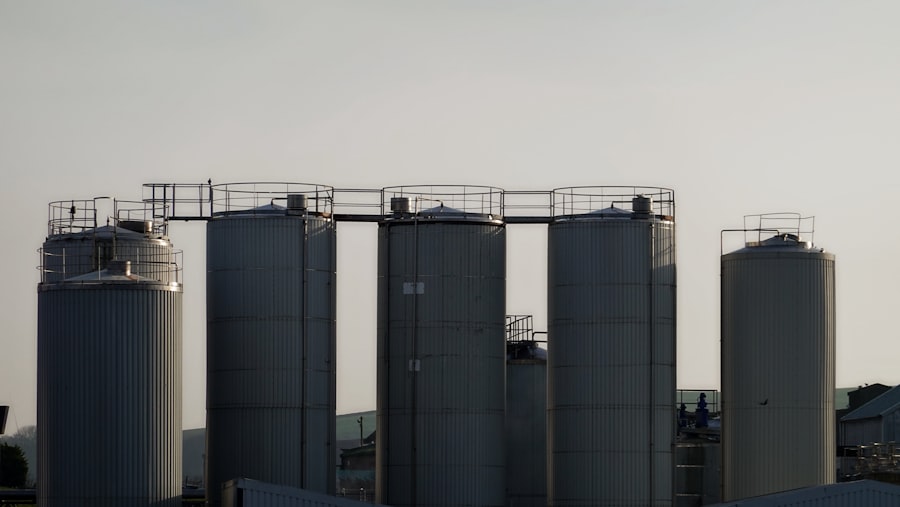
The processing stage is where raw agricultural products undergo significant transformation, becoming the ready-to-eat or ready-to-cook items found on supermarket shelves. This phase is characterized by industrial-scale operations and a focus on shelf-life extension, convenience, and palatability.
Industrial Food Manufacturing
Large food manufacturing plants operate with assembly-line efficiency. Ingredients are combined, cooked, mixed, and packaged in highly automated environments. This segment of the supply chain is responsible for a vast array of products, from breakfast cereals and processed meats to pre-packaged meals and beverages. The focus is on achieving consistent product quality and meeting high production volumes.
Preservation Techniques and Shelf-Life
A key objective of food processing is to extend shelf-life and prevent spoilage. This is achieved through various techniques, including pasteurization, sterilization, freezing, refrigeration, dehydration, and the use of preservatives. While these methods are essential for enabling widespread distribution and reducing waste, concerns are often raised about the impact of chemical preservatives on human health and the potential loss of nutritional value during processing.
The Impact of Additives
Food additives, including flavor enhancers, emulsifiers, stabilizers, colorants, and artificial sweeteners, play a significant role in modern processed foods. They are used to improve taste, texture, appearance, and stability. The widespread use of these substances has led to extensive scientific research and public debate regarding their safety and potential long-term health implications. Regulatory oversight of food additives is a complex and evolving area.
Energy and Water Intensity
Industrial food processing is often an energy- and water-intensive operation. Maintaining specific temperatures for cooking, chilling, and freezing, along with the operation of machinery and packaging equipment, requires substantial resources. The environmental footprint of this stage, particularly concerning energy consumption and water usage, is a growing area of concern and focus for industry improvement.
The Arteries of Distribution: Logistics and Retail Delivery
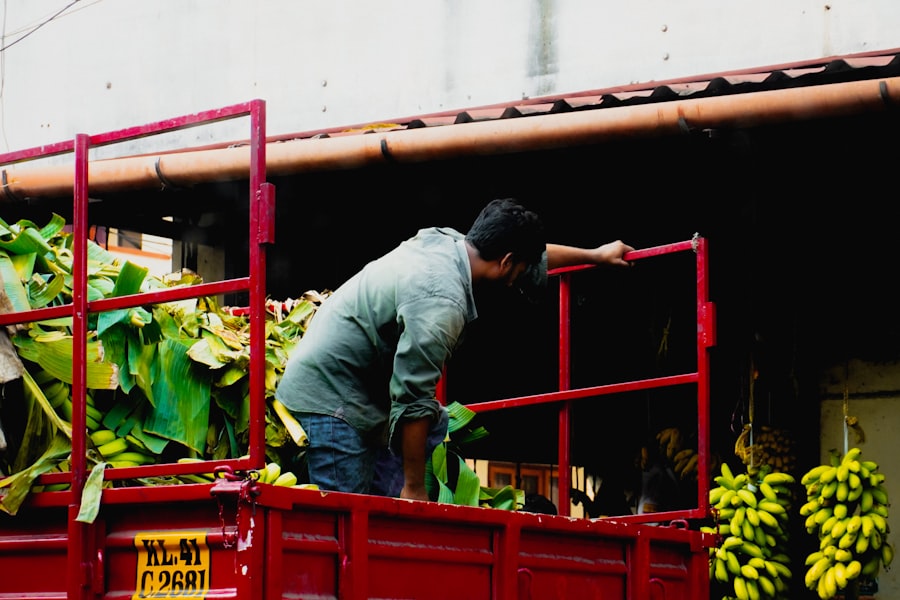
The distribution phase is the logistical backbone of the industrial food supply chain, connecting processing plants to the diverse points of sale. This involves a complex network of transportation, warehousing, and inventory management.
Cold Chain Management
For perishable goods, maintaining a continuous “cold chain” from production to consumption is paramount. This involves refrigerated trucks, railcars, ships, and storage facilities to ensure that products remain at specific, low temperatures, preventing spoilage and bacterial growth. Disruptions in the cold chain can lead to significant product loss and pose public health risks.
Warehouse Operations and Inventory Control
Large distribution centers and warehouses serve as hubs for storing and managing vast quantities of food. Sophisticated inventory management systems are employed to track stock levels, optimize order fulfillment, and minimize waste. The efficiency of these operations directly impacts the availability and freshness of products in retail stores.
Transportation Modes and Their Footprint
The movement of food relies on a variety of transportation modes, including trucks, trains, ships, and, for some high-value or time-sensitive items, air cargo. Each mode has varying levels of efficiency, cost, and environmental impact. The extensive reliance on road transport in many regions contributes significantly to carbon emissions and traffic congestion.
Retail Ready Packaging and Presentation
Products are often packaged in “retail-ready” formats designed for efficient restocking and appealing display in supermarkets. This can involve individual portioning, multipacks, and specialized shelving units. While facilitating consumer convenience, this also contributes to packaging waste.
In exploring the complexities of the industrial food supply chain, many secrets come to light that reveal how our food is produced and distributed. For a deeper understanding of these intricacies, you might find the article on food sourcing and sustainability particularly enlightening. It delves into various aspects of the supply chain that often go unnoticed by consumers. You can read more about it in this insightful piece here. Understanding these factors can empower consumers to make more informed choices about their food.
The Point of Interrogation: Consumer Access and Transparency
| Secrets Revealed | Impact |
|---|---|
| Use of Chemical Additives | Increased shelf life but potential health risks |
| Highly Processed Ingredients | Lower nutritional value |
| Hidden Sugar Content | Contributes to health issues like obesity and diabetes |
| Supply Chain Complexity | Increased risk of contamination and food fraud |
The final stage of the supply chain is where consumers interact with the food system. This is also the point where many of the preceding complexities and compromises become most apparent, and where calls for greater transparency and more sustainable practices intensify.
Supermarket Dynamics and Merchandising
Supermarkets, the primary retail point for many, are designed to maximize sales through strategic merchandising. Product placement, promotions, and the sheer variety on offer all influence consumer purchasing decisions. The dominant position of a few large retail chains can also impact the power dynamics within the supply chain, influencing pricing and product availability from suppliers.
The Illusion of Choice and Price Premiums
While consumers often perceive a wide array of choices, the reality can be more nuanced. Many products on the shelf may originate from a limited number of processing facilities or feature ingredients sourced from a small number of large-scale agricultural producers. The price of food is influenced by numerous factors, and “value” options often reflect compromises in ingredient quality, processing methods, or ethical sourcing.
Labeling and Information Gaps
Food labeling provides some information, such as ingredients, nutritional content, and origin. However, significant gaps often exist. The precise geographic origins of all ingredients a complex processed food might contain can be difficult to ascertain. Information regarding labor practices, environmental impact, and the specific farming methods used is often absent or generalized.
The Growing Demand for Traceability and Ethics
Increasingly, consumers are demanding greater transparency and accountability from the food industry. This includes a desire for robust traceability – knowing exactly where their food comes from and how it was produced. Concerns about animal welfare, fair labor practices, and the environmental sustainability of food production are driving a growing segment of the market towards ethically sourced and conscientiously produced food. This pressure is forcing the industrial food supply chain to confront its secrets and adapt to evolving societal expectations.
FAQs
What is the industrial food supply chain?
The industrial food supply chain refers to the network of processes and activities involved in producing, processing, and distributing food products on a large scale. This includes everything from farming and harvesting to packaging and transportation.
What are some common secrets of the industrial food supply chain?
Some common secrets of the industrial food supply chain include the use of additives and preservatives to extend shelf life, the practice of sourcing ingredients from multiple suppliers to cut costs, and the use of marketing tactics to create the illusion of freshness and quality.
How does the industrial food supply chain impact consumers?
The industrial food supply chain can impact consumers in various ways, including potential exposure to harmful chemicals and additives, reduced nutritional value in processed foods, and limited transparency about the origins and production methods of the food they consume.
What are some ethical concerns related to the industrial food supply chain?
Ethical concerns related to the industrial food supply chain include issues such as animal welfare in factory farming, exploitation of labor in food processing facilities, environmental degradation from industrial agriculture, and unequal distribution of profits within the supply chain.
What can consumers do to navigate the industrial food supply chain?
Consumers can navigate the industrial food supply chain by seeking out transparent and ethical food producers, reading labels and ingredient lists, supporting local and sustainable food systems, and advocating for greater transparency and accountability within the food industry.