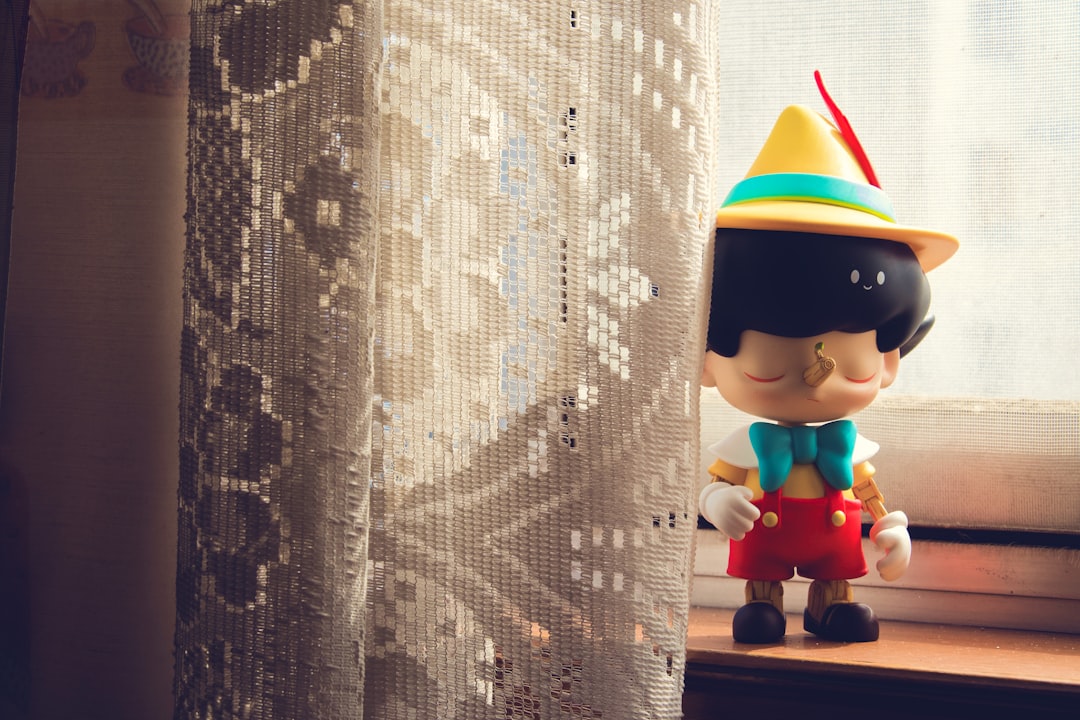
Unraveling the Controversial History of Pinocchio
The tale of Pinocchio, the wooden puppet who yearns to become a real boy, has etched itself into the global consciousness, appearing in countless forms from beloved animated films to literary adaptations. Yet, beneath the veneer of a simple children’s story lies a complex and often controversial history, a journey through shifting societal values, evolving interpretations, and a creation that, from its very inception, was more than just a puppet. To truly understand Pinocchio, one must peel back the layers of nostalgia and confront the disquieting shadows that have accompanied its enduring legacy.
The origin of Pinocchio is inextricably linked to Carlo Lorenzini, better known by his pen name, Carlo Collodi. Born in Florence in 1826, Collodi was a journalist and a writer who initially focused on political satire and journalism. His early works often reflected the burgeoning nationalist sentiment in
FAQs
What is the origin of the story of Pinocchio?
The story of Pinocchio was originally written by Italian author Carlo Collodi and first published as a serial in 1881. It was later compiled into a book titled “The Adventures of Pinocchio” in 1883.
Why is the history of Pinocchio considered controversial?
The history of Pinocchio is considered controversial due to various adaptations and interpretations that have altered the original story’s themes, tone, and messages. Some versions have sanitized or changed the darker and more moralistic elements present in Collodi’s original work.
How has Pinocchio’s character evolved over time?
Pinocchio’s character has evolved from a mischievous and sometimes morally ambiguous puppet in the original story to a more innocent and heroic figure in many modern adaptations, especially in popular culture and film.
What are some notable adaptations of Pinocchio?
Notable adaptations include the 1940 Disney animated film, which significantly softened the story, as well as various stage plays, television series, and international film versions that have each brought their own cultural perspectives to the tale.
How does the original Pinocchio story differ from popular versions?
The original story by Collodi is darker and more cautionary, featuring harsher consequences for Pinocchio’s misbehavior and a stronger emphasis on moral lessons. Popular versions often focus more on entertainment and the theme of personal growth, sometimes omitting the more severe punishments and grim events.