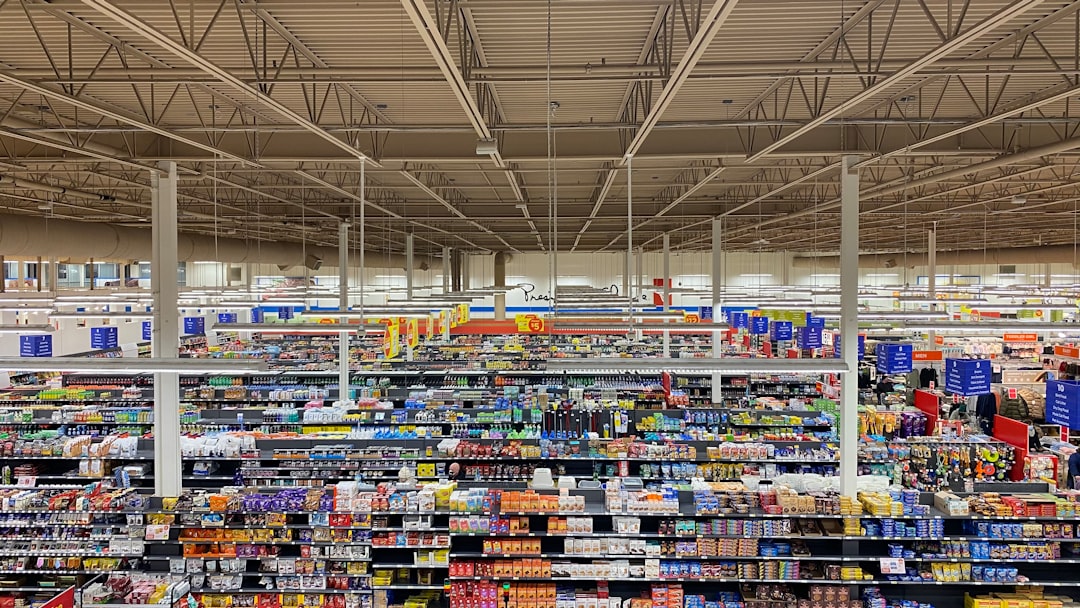
Unlocking the Physics of Grocery Store Sales
Grocery store sales, a seemingly mundane aspect of daily life, operate on principles deeply rooted in physics and human behavior, albeit often unconsciously applied. The strategic placement of products, the design of store layouts, and even the sensory experiences within these retail environments can be analyzed through the lens of physical forces, fluid dynamics, and even the perception of energy. Understanding these underlying scientific concepts offers a different perspective on why certain aisles are busier, why impulse buys proliferate, and how the overall shopping experience is engineered to influence consumer decisions.
The physical layout of a grocery store is not arbitrary; it represents a carefully constructed system designed to channel shoppers and maximize exposure to various products. This can be understood by considering the principles of fluid dynamics, where aisles function as conduits and shoppers act as particles within a flow.
The Inertia of the Main Path
The primary aisles, often wide and well-lit, serve as the main arteries of the store. Shoppers entering the store tend to follow a predictable path, driven by a form of behavioral inertia. This initial momentum carries them through the store, with the direction often determined by the placement of high-demand items such as produce and dairy, typically located at the back. This forces consumers to traverse a significant portion of the store, thereby encountering a greater number of products. The physics of this phenomenon can be likened to the initial force required to overcome an object’s resistance to motion. Once in motion, the object (the shopper) tends to continue along its path unless acted upon by an external force (e.g., a specific product destination, a sale sign, or a distracting display).
Friction and Resistance in Niche Aisles
Smaller, more specialized aisles, such as those for ethnic foods or specialty baking ingredients, experience different flow patterns. These areas often act as points of higher resistance. Shoppers are less likely to wander into these aisles unless they have a specific purpose. The narrowed pathways and the concentration of unfamiliar or niche products can create a cognitive and physical friction that limits casual browsing. This resistance is not just about physical space; it also involves the mental effort required to locate specific items in less prominent areas.
The Gravitational Pull of Bulk Buy Zones
End caps and prominent displays near high-traffic areas act as gravitational pull points. These locations, strategically chosen for their visibility, exert a strong influence on consumer attention. Products placed here often experience an increased rate of selection, much like objects with greater mass exert a stronger gravitational force. The sheer density of attention drawn to these areas makes it difficult for shoppers to ignore the featured items, leading to a higher probability of purchase.
The physics of grocery store sales can be quite fascinating, as it involves principles of consumer behavior and pricing strategies that influence purchasing decisions. For a deeper understanding of these concepts, you might find the article on the science behind shopping dynamics particularly insightful. It explores how factors such as product placement and promotional discounts can impact customer choices. You can read more about it in this related article: The Science of Shopping.
Sensory Physics: Manipulating Perception and Mood
The grocery store environment is a carefully orchestrated sensory landscape, employing physics principles to manipulate perception and influence the shopper’s emotional state, thereby impacting purchasing behavior.
The Thermodynamics of Temperature and Comfort
The control of temperature within a grocery store is a critical element. Comfortable ambient temperatures encourage longer stays, allowing more time for browsing and impulse purchases. Conversely, overly warm or cold environments can create discomfort, accelerating the shopping process and reducing the likelihood of lingering. This relates to the human body’s thermoregulation and the subtle physiological responses to environmental conditions. The distribution of temperature throughout the store also plays a role, with chilled sections for perishables requiring specific thermodynamic considerations that can unintentionally influence the shopper’s experience in adjacent areas.
The Optics of Lighting and Color
Lighting is a powerful tool in retail. Bright, focused lighting on produce sections enhances their visual appeal, making them appear fresher and more vibrant. This is an application of optics, where light wavelengths are manipulated to accentuate desirable qualities. The strategic use of color also plays a role. Warm colors, such as reds and oranges, are often used in impulse purchase areas and at checkout counters, as they are known to evoke feelings of excitement and urgency. Cool colors, like blues and greens, are sometimes used in more subdued areas to create a calming atmosphere. The physics of light reflection and absorption contributes to how these colors are perceived.
The Acoustics of Sound and Atmosphere
The ambient soundscape of a grocery store is another carefully managed element. Soft, unobtrusive music can create a relaxing and enjoyable atmosphere, encouraging shoppers to spend more time in the store. Loud or jarring noises can create anxiety and prompt a quicker exit. The physics of sound waves, including their frequency, amplitude, and reverberation, are all considered in designing the auditory experience. Furthermore, the sound of carts rolling, announcements, and even the crinkling of packaging contribute to the overall acoustic environment, subtly shaping the shopper’s mood and perception of the store. The absence of distracting sounds allows for greater focus on product selection, while the presence of certain sounds can draw attention to specific displays.
Product Placement Physics: Strategic Positioning for Maximum Impact

The location of products on shelves is a highly strategic endeavor, employing principles that can be understood through physics and psychology. It’s about leveraging visibility, accessibility, and even the concept of energy expenditure for the shopper.
The Law of Least Effort: Eye-Level Equilibrium
Products placed at eye level, particularly for the average adult shopper, are in a prime position. This aligns with the principle of least effort. Shoppers tend to reach for items directly in their line of sight, minimizing the physical and cognitive effort required to locate and retrieve them. This is analogous to an object seeking its lowest potential energy state; items at eye level require the least amount of deviation from a relaxed posture. Products placed on higher or lower shelves often require a conscious adjustment in posture, representing an increase in applied effort and therefore a reduced likelihood of selection for less critically desired items.
The Momentum of Familiarity: Clustering and Flow
Similar products are often grouped together. This clustering creates a sense of familiarity and allows shoppers to move through a section with a certain momentum. For example, all the breakfast cereals are in one area, allowing a shopper seeking cereal to efficiently browse through options without having to navigate to different parts of the store. This creates a predictable flow, reducing the search time and increasing the perceived efficiency of the shopping trip. The physics here is about creating a continuous trajectory for a specific consumer need.
The Inertial Drift of Impulse Buys
Impulse purchases are often strategically placed near the checkout counters or in high-traffic areas where shopper attention is already elevated. These items, often smaller and less expensive, capitalize on the shopper’s weakened resistance due to the completion of their primary shopping list. The psychological momentum of finishing a task, coupled with the visual proximity of these tempting items, creates a receptivity to spontaneous decisions. This is akin to an object in motion having a tendency to continue its motion, in this case, a financial expenditure.
Neurological Physics: The Brain’s Response to Retail Environments

The physical environment of a grocery store has a direct impact on the shopper’s brain, influencing decision-making through the principles of neurological physics, which explores how physical stimuli trigger chemical and electrical responses.
The Dopamine Rush of Discovery and Deals
Sale signs and prominent displays of discounted items can trigger a release of dopamine, a neurotransmitter associated with pleasure and reward. This “reward pathway” in the brain is activated by the perceived value of a deal, even if the savings are marginal. The physical presentation of a sale – bold colors, large fonts, and prominent placement – acts as a direct stimulus to these neurological mechanisms. The anticipation of a good deal creates a positive feedback loop, encouraging further exploration and potentially leading to additional purchases.
The Habit Loop: Navigating with Repetition
Regular shoppers develop “habit loops” within grocery stores. They learn the optimal paths to navigate, the locations of frequently purchased items, and even the most efficient checkout lines. This is a form of learned behavior that reduces cognitive load. The physical layout of the store, through repeated exposure, becomes imprinted in the shopper’s spatial memory. This reduces the need for active decision-making and allows for a more automated shopping experience, a form of conserved energy expenditure by the brain.
The Cognitive Load of Choice Overload
While variety is often seen as a positive, an excessive number of choices can lead to cognitive overload. This can manifest as decision paralysis, where shoppers become overwhelmed and may opt for familiar brands or even abandon the purchase altogether. The physics of information processing suggests that there is a limit to how much data the brain can effectively process at any given time. Too many options create an inefficient expenditure of cognitive resources, increasing the perceived difficulty of the task.
The physics of grocery store sales can be quite fascinating, as it involves understanding consumer behavior and the strategies retailers use to maximize their profits. For instance, the arrangement of products and the timing of discounts can significantly influence purchasing decisions. If you’re interested in exploring more about the psychological and physical principles behind shopping habits, you might find this article on consumer behavior insightful. You can read it here: consumer behavior.
The Physics of Checkout: The Final Frontier of Influence
| Metrics | Data |
|---|---|
| Customer foot traffic | High during weekends and evenings |
| Product placement | Eye-level shelves have higher sales |
| Temperature | Cold temperatures increase sales of frozen foods |
| Promotional displays | Boost sales of featured products |
| Checkout wait time | Long lines can deter purchases |
The checkout area is not merely a transaction point; it is the final stage in the physics of grocery store sales, designed to maximize opportunities for last-minute decisions and efficiently process shoppers.
The Queue Dynamics: Patience and Peril
Checkout lines are a critical component of the store’s operational physics. The length and perceived speed of the queues can significantly impact the shopper’s experience. Long, slow-moving lines can lead to frustration and even abandoned carts. The efficiency of the checkout process can be analyzed using queuing theory, a branch of mathematics that studies waiting lines. The arrangement of queues, the number of open registers, and the speed of transactions all contribute to the overall flow and the shopper’s perception of the store’s efficiency.
The Impulse Buy Zone: The Final Friction Point
As mentioned previously, the checkout area is a prime location for impulse buys. These items are strategically placed to capture the attention of shoppers who are often tired and ready to leave. The small, often indulgently priced items – candy, magazines, and seasonal trinkets – appeal to the desire for immediate gratification. The physics of proximity and the weakened resistance at this stage of the shopping journey make these items exceptionally potent. The tactile nature of picking up a bar of chocolate or a magazine introduces a physical interaction that can solidify the purchase decision.
The Exit Velocity: From Persuasion to Parting
The design of the exit also plays a role in the overall sales strategy. Well-designed exits can facilitate a smooth and efficient departure, reinforcing a positive final impression. Conversely, a confusing or congested exit can leave a negative lasting memory. The physics of movement and flow are critical here, ensuring that shoppers can easily exit the premises, carrying their purchased goods and, hopefully, with a predisposition to return. The act of exiting the store, much like an object achieving a certain velocity, represents the culmination of the shopping expedition.
FAQs
What is the physics of the grocery store sale?
The physics of the grocery store sale refers to the scientific principles and strategies behind the pricing, placement, and promotion of products in a grocery store to attract customers and increase sales.
How do grocery stores use physics to attract customers?
Grocery stores use physics principles such as the psychology of pricing, the placement of products to optimize visibility and accessibility, and the use of lighting and color to create an inviting atmosphere that encourages customers to make purchases.
What role does pricing play in the physics of a grocery store sale?
Pricing plays a significant role in the physics of a grocery store sale, as it involves the application of psychological pricing strategies, such as using odd prices (e.g., $4.99 instead of $5.00) and bundling products to create the perception of value.
How does the placement of products impact the physics of a grocery store sale?
The placement of products in a grocery store is strategically designed to maximize visibility and accessibility, utilizing principles of physics such as the use of eye-level shelving for high-demand items and the arrangement of products to create a natural flow for customers.
What are some examples of physics principles used in grocery store sales?
Examples of physics principles used in grocery store sales include the use of lighting and color to create an inviting atmosphere, the application of the psychology of pricing to influence purchasing decisions, and the strategic placement of products to optimize sales.