# Food Safety Regulation and Industry Influence
When shopping at a grocery store, consumers generally expect the food products on shelves to be safe. However, food safety is influenced by a complex system involving multiple stakeholders, including corporations, government agencies, and consumer groups. Understanding how food safety regulations are developed and enforced requires examining the relationships between these parties.
Food safety can be affected by various factors, including the economic interests of food manufacturers, the capacity and priorities of regulatory agencies, and market pressures. The relationship between large food companies and regulatory bodies involves competing interests that sometimes create tension between profit considerations and public health protection. To better understand current food safety challenges, it is useful to examine the historical development of food safety regulations, the functions of government oversight agencies, and documented cases where food safety failures occurred.
This examination reveals the structural and practical challenges involved in maintaining an effective food safety system and protecting consumers from foodborne illness and contamination.
Key Takeaways
- Food safety regulations have a complex history influenced by powerful food industry interests.
- Big food companies and government agencies sometimes prioritize profits over public health.
- Food safety violations are often concealed, with whistleblowers playing a crucial role in revealing the truth.
- Economic incentives frequently drive compromises in food safety standards worldwide.
- Addressing the food safety conspiracy requires transparency, stronger regulations, and active public involvement.
The History of Food Safety Regulations
To comprehend the current state of food safety, it is essential to look back at its historical context. The evolution of food safety regulations can be traced to various public health crises that have prompted governments to take action. In the early 20th century, incidents such as the infamous “The Jungle” by Upton Sinclair exposed unsanitary conditions in meatpacking plants, leading to public outcry and the eventual establishment of regulatory bodies like the Food and Drug Administration (FDA) in the United States.
These early efforts laid the groundwork for a more structured approach to food safety. As you delve deeper into history, you will find that food safety regulations have often been reactive rather than proactive. Major outbreaks of foodborne illnesses have spurred legislative changes, but these changes frequently come after significant harm has already occurred.
The establishment of standards and guidelines has been a slow process, often hindered by political lobbying from powerful agricultural and food industry groups. This historical backdrop sets the stage for understanding how entrenched interests can shape regulations that are meant to protect you and your family. Learn about the surprising [foods banned in Europe](https://youtu.be/w1BTsG4Lb6E) and the reasons behind their prohibition.
The Influence of Big Food Companies on Food Safety
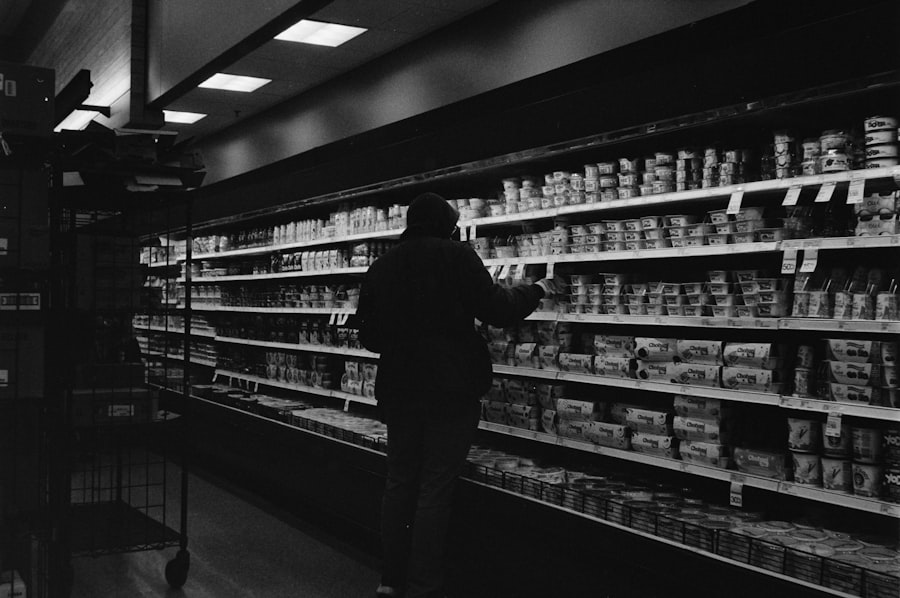
Big food companies wield considerable influence over food safety regulations, often prioritizing their profit margins over consumer health. As you consider this influence, think about how these corporations engage in lobbying efforts to shape legislation in their favor. They invest heavily in marketing campaigns that promote their products as safe and healthy, while simultaneously working behind the scenes to weaken regulations that could impact their bottom line.
This creates a paradox where consumers are led to believe they are making safe choices, while the reality may be quite different. Moreover, the consolidation of the food industry has resulted in fewer companies controlling a larger share of the market. This oligopoly allows these corporations to exert even more power over regulatory processes.
You may find it alarming that many of the individuals who work in regulatory agencies often come from these very companies, creating a revolving door that blurs the lines between regulation and corporate interests. This dynamic raises questions about whether your safety is truly being prioritized or if it is merely an afterthought in a system driven by profit.
The Role of Government Agencies in Food Safety
Government agencies play a crucial role in overseeing food safety, but their effectiveness can be compromised by various factors. As you explore this topic, consider how agencies like the FDA and the United States Department of Agriculture (USDA) are tasked with ensuring that food products meet safety standards. However, these agencies often face budget constraints and staffing shortages that limit their ability to conduct thorough inspections and enforce regulations effectively.
Additionally, political pressures can influence how these agencies operate. You may notice that during times of economic downturn or political upheaval, food safety regulations can become lax as governments prioritize economic recovery over public health. This creates a precarious situation where your safety may be sacrificed for short-term gains.
Understanding these dynamics is essential for recognizing the challenges faced by government agencies in their mission to protect consumers.
The Impact of Food Safety Failures on Public Health
| Metric | Description | Data/Value | Source |
|---|---|---|---|
| Reported Foodborne Illness Cases | Number of reported cases linked to contaminated food annually | 48 million (US estimate) | CDC |
| Food Safety Inspection Frequency | Average number of inspections per food processing facility per year | 1.5 inspections | FDA Reports |
| Percentage of Food Recalls Due to Contamination | Proportion of total food recalls caused by microbial or chemical contamination | 65% | USDA |
| Whistleblower Reports on Food Safety Violations | Number of whistleblower complaints filed annually | 120 cases | Food Safety Watchdog Groups |
| Average Time to Recall After Contamination Detection | Time taken from contamination detection to public recall announcement | 14 days | FDA Data |
| Percentage of Food Safety Violations Unreported | Estimated proportion of violations not reported or concealed | 30% | Independent Investigations |
The consequences of food safety failures can be dire, affecting not only individual health but also public trust in the food system. When outbreaks of foodborne illnesses occur, they can lead to severe health complications and even fatalities. As you reflect on this issue, consider high-profile cases such as the E.
coli outbreak linked to contaminated spinach or the Salmonella outbreak associated with peanut butter. These incidents serve as stark reminders of how quickly things can go wrong when food safety is compromised. Moreover, the ripple effects of these failures extend beyond immediate health concerns.
You may find it troubling that such outbreaks can lead to economic losses for farmers and producers, as well as increased scrutiny and regulation that can stifle innovation in the industry. The impact on public health is not just about immediate illness; it also encompasses long-term consequences for healthcare systems and societal trust in food safety measures.
The Cover-Up of Food Safety Violations
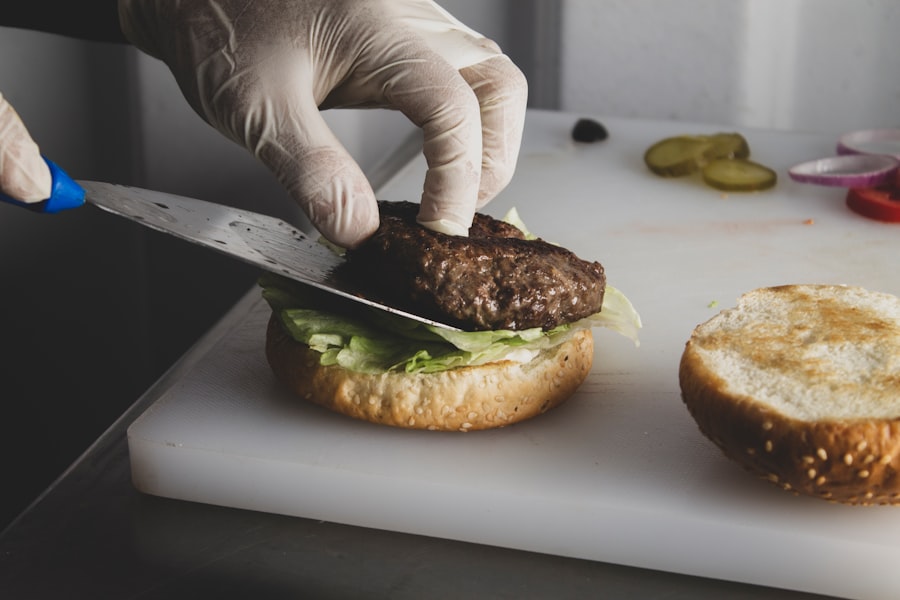
In some instances, violations of food safety regulations are not just overlooked; they are actively covered up by companies seeking to protect their reputations and profits. As you consider this unsettling reality, think about how whistleblowers often play a critical role in exposing these violations. However, many employees fear retaliation or job loss if they speak out about unsafe practices within their organizations.
You may be surprised to learn that some companies have been known to manipulate data or conceal information regarding contamination or unsafe practices. This culture of secrecy not only endangers public health but also erodes trust in regulatory agencies meant to protect consumers like you. The challenge lies in creating an environment where transparency is encouraged and whistleblowers are protected, allowing for a more accountable food system.
Whistleblowers and Their Role in Exposing the Conspiracy
Whistleblowers serve as vital sources of information when it comes to exposing food safety violations and corporate malfeasance. As you consider their role, think about individuals who have risked their careers to bring attention to unsafe practices within large food corporations or regulatory agencies. These brave individuals often face significant personal and professional repercussions for their actions, yet they play an essential part in holding companies accountable.
You might find it inspiring that many whistleblowers have successfully brought about change by revealing critical information about unsafe practices or regulatory failures. Their courage can lead to increased scrutiny from regulatory agencies and prompt legislative changes aimed at improving food safety standards. By supporting whistleblower protections and encouraging transparency within organizations, you can contribute to a culture that prioritizes public health over profit.
The Economic Incentives Behind Compromising Food Safety
Economic incentives often drive decisions that compromise food safety, creating a complex landscape where profit motives overshadow consumer welfare. As you explore this issue, consider how companies may cut corners on safety measures to reduce costs and maximize profits. This can manifest in various ways, from using cheaper ingredients to neglecting proper sanitation practices during production.
Moreover, you may find it concerning that some companies prioritize short-term gains over long-term sustainability. The pressure to deliver quarterly profits can lead to decisions that jeopardize food safety standards, putting consumers at risk. Understanding these economic incentives is crucial for recognizing why systemic change is necessary to ensure that your health is not sacrificed for corporate profits.
The Global Perspective on Food Safety
Food safety is not just a national issue; it is a global concern that transcends borders. As you consider this global perspective, think about how international trade has complicated food safety regulations.
Additionally, global supply chains can introduce vulnerabilities that may not be immediately apparent. You might be surprised to learn that outbreaks of foodborne illnesses can quickly spread across countries due to interconnected supply chains. This highlights the need for international cooperation and harmonization of food safety standards to protect consumers worldwide.
Solutions and Steps to Address the Food Safety Conspiracy
Addressing the food safety conspiracy requires a multifaceted approach involving various stakeholders, including consumers like you. One potential solution is advocating for stronger regulations that prioritize public health over corporate interests. By supporting policies that enhance transparency and accountability within the food industry, you can contribute to a safer food supply.
Moreover, educating yourself about food sourcing and production practices can empower you as a consumer. By making informed choices and supporting companies committed to ethical practices, you can help drive demand for safer products. Additionally, encouraging whistleblower protections and supporting organizations dedicated to improving food safety can create a more robust system that prioritizes your health.
Taking Action to Ensure Food Safety
In conclusion, understanding the complexities surrounding food safety is essential for ensuring your well-being and that of your community. The interplay between big corporations, government agencies, and economic incentives creates a challenging environment where your health may be compromised for profit. However, by staying informed and advocating for change, you can play an active role in promoting safer food practices.
By demanding transparency and supporting ethical practices within the food industry, you contribute to a movement toward greater accountability and improved public health outcomes. Together, we can work towards dismantling the food safety conspiracy and ensuring that everyone has access to safe and nutritious food.
In the quest to uncover the food safety conspiracy, it’s essential to explore various perspectives and insights. One such article that delves into the intricacies of food safety regulations and their implications is available at