
The Ultra Filtered Honey Scam: Unveiled
Consumers often seek out honey for its perceived natural purity and health benefits. Marketed as a wholesome sweetener, honey has a long-standing reputation for being a simple, unadulterated product of bees. This perception creates a fertile ground for deception. The advent of “ultra filtered” honey presents a prime example of how subtle marketing can mask a fundamentally altered product, often to the detriment of the consumer and the integrity of the honey industry.
What Does “Ultra Filtered” Really Mean?
The term “ultra filtered” itself is a carefully crafted piece of marketing jargon. It suggests a superior level of purification, implying that this honey is somehow cleaner or more refined than standard honey. However, the reality is far more concerning. This process, while removing particulates, also strips away beneficial compounds and characteristic flavors that define genuine, raw honey.
The Mechanics of Ultra Filtration
Ultra filtration employs fine membranes to separate components of liquids. In the context of honey, this process is used to remove pollen, propolis, enzymes, and other micro-elements. While these elements are naturally present in honey and contribute to its unique properties, the ultra filtration process deems them undesirable for commercial sale, often for aesthetic reasons or to achieve a standardized, bland product.
The Loss of Natural Markers
Pollen, in particular, is a crucial indicator of a honey’s floral origin and geographical source. Its removal via ultra filtration makes it impossible for consumers to discern where their honey comes from or the specific flowers the bees visited. This loss of traceable markers undermines the transparency and authenticity of the product.
The Deceptive Nature of the Label
The packaging of ultra filtered honey often employs imagery and language that evoke the naturalness of honey, creating a cognitive dissonance. Labels might feature smiling beekeepers, vibrant floral scenes, or emphasize terms like “natural” or “pure,” leading consumers to believe they are purchasing a traditional honey product.
“Pure” vs. “Natural” – A Semantic Game
The distinction between “pure” and “natural” is often exploited. While legally “natural” can encompass a wide range of processes, “pure” suggests an absence of adulteration. Ultra filtered honey, while chemically still honey, is far removed from its natural state due to the extensive processing. The label plays on the consumer’s understanding of these terms, aiming to associate the processed product with the positive connotations of its unprocessed counterpart.
The Absence of Transparency
The deliberate removal of pollen and other natural markers by ultra filtration inherently lacks transparency. Consumers are not informed about the extent of the processing their honey has undergone, nor are they made aware of the beneficial components that have been removed. This omission constitutes a form of deception, as it prevents informed consumer choice.
In recent discussions surrounding the ultra-filtered honey scam, it’s important to stay informed about the various aspects of honey authenticity and quality. A related article that delves deeper into this issue can be found at Hey Did You Know This, where you can explore the implications of ultra-filtering processes and how they affect the purity of honey products on the market. This resource provides valuable insights into the challenges consumers face when trying to ensure they are purchasing genuine honey.
The Hidden Costs: What’s Lost in Filtration
The processing of honey through ultra filtration is not a neutral act; it results in the significant degradation of the product’s inherent qualities. The removal of microscopic elements, while seemingly minor, has a profound impact on the honey’s nutritional value, flavor profile, and potential health benefits.
The Elimination of Pollen’s Role
Pollen is a significant component of raw honey. It contains proteins, amino acids, vitamins, and minerals, contributing to the overall nutritional complexity of honey. Furthermore, pollen grains act as unique identifiers of the floral sources from which the nectar was collected.
Nutritional Dilution
When pollen is removed, the honey loses some of its inherent micronutrient content. While honey is not primarily consumed for its vitamin and mineral profile, the reduction of these elements further moves the product away from its natural, nutrient-rich state. This dilution can be seen as a loss of potential nutritional value.
Environmental Fingerprints Erased
Each type of flower produces pollen with a distinct microscopic structure. Identifying these structures allows for the determination of a honey’s origin, season, and even the geographical regions where it was produced. Ultra filtration eradicates these vital ecological fingerprints, making provenance impossible to verify.
The Disappearance of Beneficial Enzymes and Antioxidants
Raw honey is known to contain a variety of enzymes, such as diastase and invertase, which are crucial for its properties and contribute to its digestive and antimicrobial capabilities. Additionally, honey possesses antioxidant compounds that can offer health benefits.
Enzyme Inactivation and Removal
The ultra filtration process can not only remove enzymes physically but also damage them through the high pressures and filtration media involved. This loss diminishes honey’s natural digestive aid capabilities and potentially its antimicrobial properties. For individuals seeking honey for its specific bioactive compounds, ultra filtered versions are a poor substitute.
Antioxidant Reduction
Antioxidants found in honey are also often bound to the particulate matter that is removed during ultra filtration. This leads to a reduction in the overall antioxidant capacity of the final product, diminishing its potential to combat free radicals in the body.
Flavor and Aroma Sacrifice
The complex flavor and aroma of genuine honey are developed through a combination of floral nectars, enzymes, and other trace compounds. The removal of these elements during ultra filtration results in a bland, often one-dimensional flavor profile.
The “Generic” Honey Taste
Ultra filtered honey tends to taste much the same, regardless of its floral origin. The nuanced notes of wildflower honey, the fruity undertones of orange blossom honey, or the robust character of buckwheat honey are all systematically masked or eliminated. This creates a “generic” honey taste that lacks authenticity.
Aromatic Deprivation
The subtle aromas that make honey so appealing are also victims of ultra filtration. The volatile compounds responsible for these scents are often attached to the very particles that are removed, leaving the consumer with a honey that is perceptually less engaging.
The “Black Market” of Adulterated Honey
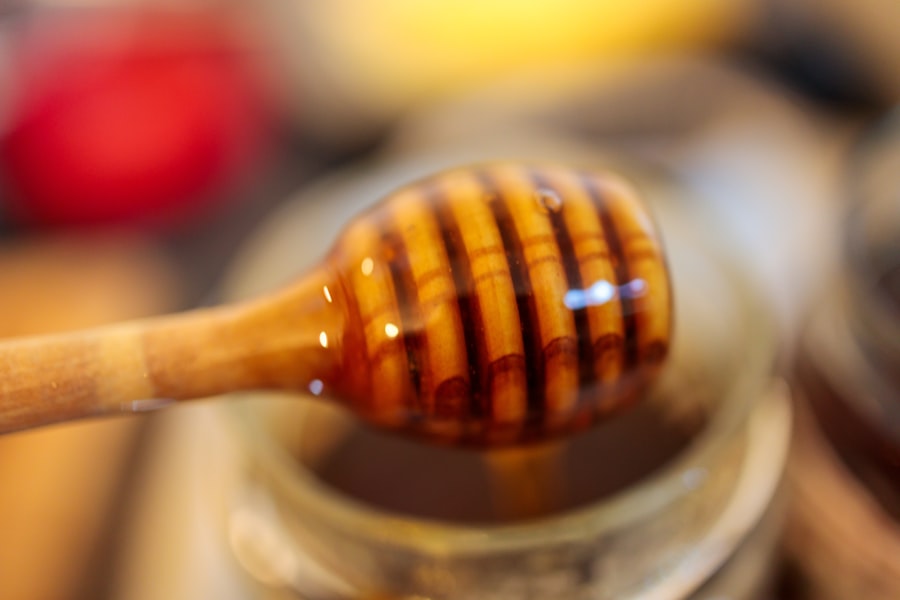
The demand for affordable honey, coupled with the sophistication of modern processing techniques, has led to a significant problem of honey adulteration, often intertwined with the ultra filtration trend. This adulteration goes beyond simple filtration; it involves the deliberate introduction of cheaper syrups to increase volume and reduce costs.
Economic Incentives for Deception
The global honey market is a multi-billion dollar industry. The price differential between pure honey and common sweeteners like corn syrup or rice syrup creates a powerful economic incentive for unscrupulous producers and distributors to engage in fraudulent practices.
Profit Margins Driven by Fraud
By diluting pure honey with cheaper syrups, producers can significantly increase their output and profit margins. This practice is particularly enticing when dealing with a product like ultra filtered honey, where the removal of natural markers makes adulteration harder to detect through traditional analytical methods.
The Global Network of Adulteration
The complexity of the global supply chain for honey makes it difficult to track the origin and processing of every batch. This opacity allows for fraudulent activities to proliferate, with adulterated honey often entering the market through anonymous import channels.
Identifying the Signs of Adulteration
While ultra filtration itself is a form of adulteration in terms of product integrity, the addition of external syrups is a more direct form of fraud. Consumers must be aware of certain indicators, though these are becoming increasingly sophisticated to conceal.
Beyond the Visual: Unmasking Chemical Deception
Visual inspection is rarely sufficient against modern adulteration techniques. While some syrups might lead to an unusually watery consistency, many are blended to mimic the appearance of honey. Chemical analysis is often the only definitive way to detect the presence of added sugars.
The Role of Analytical Testing
Sophisticated analytical techniques, such as Nuclear Magnetic Resonance (NMR) spectroscopy and isotope ratio mass spectrometry (IRMS), are employed by regulatory bodies and independent laboratories to detect adulteration. These methods analyze the molecular structure and isotopic composition of honey to identify deviations from natural honey.
The Regulatory Void and Enforcement Challenges
The global nature of the honey trade, coupled with the varying regulatory frameworks across different countries, creates significant challenges for effective enforcement.
International Harmonization Gaps
A lack of consistent international standards and rapid, reliable detection methods hinders the global fight against honey adulteration. Different countries have varying levels of testing and enforcement, allowing substandard or adulterated products to slip through the cracks.
The Limits of Current Regulations
Even with existing regulations, the sheer volume of honey traded globally makes it challenging to police every batch. The sophistication of some adulteration techniques can sometimes outpace the development of detection methods, creating a constant cat-and-mouse game.
The Ethical Implications for Beekeepers and Consumers
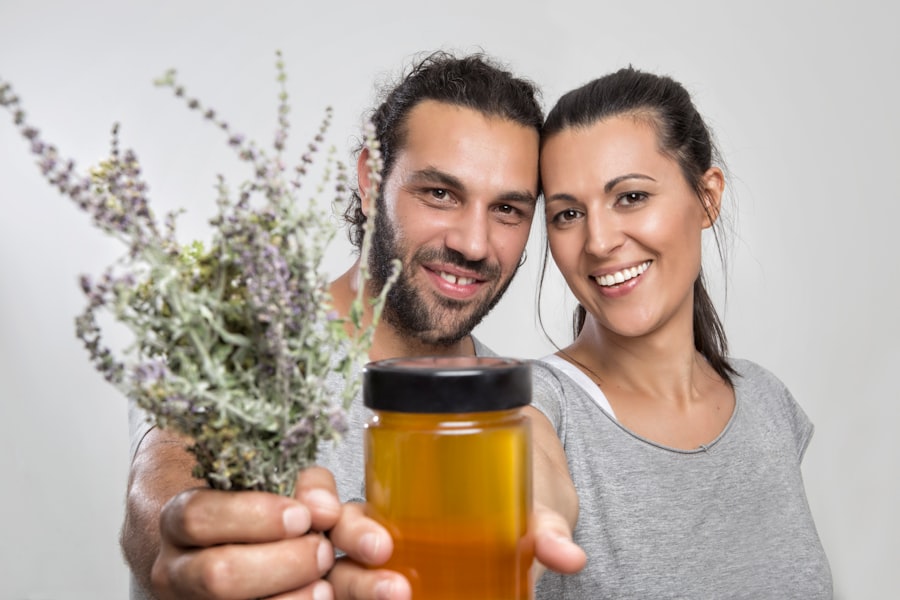
The prevalence of ultra filtered honey and its association with adulteration has far-reaching ethical implications, impacting not only the consumer’s wallet but also the livelihoods of honest beekeepers and the integrity of the environment.
Undermining Honest Beekeeping Practices
Genuine beekeepers invest significant time, effort, and resources into producing high-quality, natural honey. Their practices are often dictated by seasonal availability, floral bloom, and the health of their bee colonies, resulting in a product that is inherently variable and tied to natural cycles.
Price Wars Fueled by Deception
The availability of cheap, ultra filtered, and often adulterated honey on the market drives down the overall perceived value of honey. This puts honest beekeepers in a difficult position, as they struggle to compete on price with products that have been artificially cheapened.
Loss of Market for Authentic Products
Consumers who are unaware of the differences may opt for the cheaper, aesthetically pleasing ultra filtered honey, inadvertently bypassing the products of dedicated beekeepers. This can lead to a decline in demand for truly artisanal and regional honeys.
The Consumer’s Right to Know
Consumers have a fundamental right to be informed about the products they purchase. The marketing of ultra filtered honey often obscures the true nature of the product, thus infringing upon this right.
Informed Purchasing Decisions
Transparency in labeling is crucial for consumers to make informed purchasing decisions. Without clear information about the extent of processing, consumers may unknowingly purchase a product that does not meet their expectations for naturalness or potential health benefits.
The Erosion of Trust
When consumers discover they have been misled about the quality and characteristics of a product, it erodes their trust not only in specific brands but also in the broader food industry. This distrust can have a chilling effect on consumer engagement and healthy market development.
Environmental Concerns Associated with Large-Scale Processing
While not directly related to bee health, the industrial-scale processing involved in ultra filtration and potential adulteration has its own environmental footprint.
Energy and Resource Consumption
The energy required to power filtration systems, transport materials, and manage waste associated with large-scale processing contributes to resource depletion and potential pollution.
The Unseen Impact of Industrial Food Systems
The drive for standardized, mass-produced food products often prioritizes efficiency and cost reduction over environmental sustainability. The production of ultra filtered honey can be seen as a symptom of this broader industrial approach to food.
In recent discussions about food authenticity, the topic of ultra filtered honey scams has gained significant attention. Many consumers are unaware that some honey products labeled as pure may actually be heavily processed, stripping them of their natural properties. For a deeper understanding of this issue, you can explore a related article that delves into the intricacies of honey labeling and the potential pitfalls for unsuspecting buyers. This informative piece can be found here, shedding light on how to identify genuine honey and avoid falling victim to misleading marketing practices.
Combating the Ultra Filtered Honey Scam
| Aspect | Explanation |
|---|---|
| Scam | The ultra filtered honey scam involves the adulteration of honey with various substances such as corn syrup or other sweeteners, and then ultra filtering it to remove any trace of adulteration, making it difficult to detect through standard testing methods. |
| Impact | This scam can deceive consumers into purchasing what they believe to be pure honey, when in fact it is a mixture of honey and other substances, potentially leading to health concerns and economic losses. |
| Detection | Detecting ultra filtered honey requires advanced testing methods such as Nuclear Magnetic Resonance (NMR) spectroscopy, which can identify the unique chemical fingerprint of pure honey and distinguish it from adulterated products. |
| Prevention | To prevent falling victim to this scam, consumers can look for reputable honey producers who provide transparency about their sourcing and production methods, and consider purchasing honey that has been certified by trusted organizations. |
Addressing the issue of ultra filtered honey requires a multi-pronged approach involving consumers, industry stakeholders, and regulatory bodies. Education, improved labeling, and stricter enforcement are vital in combating this deceptive practice.
Empowering Consumers Through Education
The most immediate line of defense against deceptive marketing lies with the informed consumer. Raising awareness about the processes involved in honey production and the implications of ultra filtration is paramount.
Understanding What to Look For
Educating consumers on the characteristics of raw, unfiltered honey, such as the presence of pollen, natural cloudiness, and distinct floral notes, can help them identify potentially over-processed products. Conversely, the uniform clarity and blandness of ultra filtered honey can be indicators.
Seeking Out Trusted Sources
Encouraging consumers to purchase honey directly from local beekeepers or from reputable retailers who prioritize transparency can help ensure they are buying genuine products. Supporting local agriculture fosters a more sustainable and ethical food system.
Advocating for Clearer Labeling and Regulations
Stronger labeling requirements and more robust regulatory oversight are essential to prevent the continued misrepresentation of honey.
Mandating Disclosure of Processing Methods
Legislation should mandate the clear disclosure of any significant processing methods, including filtration, on honey labels. Terms like “raw,” “unfiltered,” and “processed” should be clearly defined and enforced.
Strengthening Analytical Testing and Enforcement
Regulatory bodies need to invest in and regularly utilize advanced analytical techniques to detect adulteration and over-processing. Swift and decisive action against fraudulent producers is crucial to deter further deception. International cooperation on testing standards and enforcement is also necessary.
Supporting Ethical Beekeeping and Industry Standards
Promoting and supporting beekeepers who adhere to ethical and natural practices is vital for the long-term health of the honey industry.
Industry Self-Regulation and Certification
Industry associations can play a significant role by developing and enforcing stricter quality standards and introducing certification programs that guarantee the purity and authenticity of honey.
Building a Market for Authentic Honey
By supporting beekeepers who produce natural honey, consumers contribute to a market that values quality, traceability, and the inherent benefits of a minimally processed natural product. This, in turn, reinforces the economic viability of ethical beekeeping.
The ultra filtered honey scam represents a significant challenge to consumer trust and the integrity of a beloved natural product. By understanding the realities behind the marketing, consumers can make more informed choices and contribute to a more transparent and ethical honey industry, one that truly reflects the natural bounty of the bees’ labor.
FAQs
What is ultra filtered honey?
Ultra filtered honey is a type of honey that has been processed using a fine filtration technique to remove impurities and particles, resulting in a clear and smooth appearance.
What is the ultra filtered honey scam?
The ultra filtered honey scam refers to the practice of diluting honey with various syrups and then ultra filtering it to remove any trace of adulteration, making it difficult to detect the added ingredients. This allows the scammers to sell the product as pure honey at a higher price.
How can consumers identify ultra filtered honey?
Consumers can identify ultra filtered honey by looking for certain characteristics such as a lack of pollen, a very clear appearance, and a prolonged shelf life. These are indicators that the honey may have been ultra filtered and potentially adulterated.
What are the potential health risks of consuming ultra filtered honey?
Consuming ultra filtered honey may pose health risks as the process of ultra filtration removes beneficial components such as pollen and enzymes, which are important for the nutritional and health benefits of honey. Additionally, the added syrups used in the scam may contain harmful ingredients.
How can consumers protect themselves from the ultra filtered honey scam?
Consumers can protect themselves from the ultra filtered honey scam by purchasing honey from reputable sources, looking for honey that is labeled as unfiltered or raw, and supporting local beekeepers who are transparent about their production methods.