
Fast fashion greenwashing describes deceptive marketing tactics where clothing brands present themselves as environmentally responsible while continuing unsustainable production practices. Many brands promote supposedly eco-friendly collections using terminology such as “sustainable,” “organic,” or “recycled” to appeal to environmentally conscious consumers. These claims frequently lack substantiation and transparency, often misrepresenting the brand’s overall environmental impact.
This marketing strategy creates an illusion of sustainability, enabling companies to capitalize on growing consumer demand for ethical fashion without implementing meaningful operational changes. Greenwashing manifests in various ways within the fashion industry. Companies may prominently feature isolated eco-friendly products while disregarding the environmental harm caused by their broader product range.
This selective marketing creates misconceptions for consumers, suggesting their purchases have positive environmental implications when the reality may differ significantly. Understanding these greenwashing techniques enables consumers to make better-informed purchasing decisions and support genuinely sustainable fashion brands.
Key Takeaways
- Fast fashion brands often use greenwashing to create a false impression of environmental responsibility.
- The environmental and social impacts of fast fashion are significant, including pollution and poor labor conditions.
- Consumers can learn to identify greenwashing by scrutinizing brand claims and seeking transparency.
- Holding brands accountable and supporting genuine sustainable fashion initiatives are crucial for change.
- The future of fashion depends on increased consumer awareness and industry shifts toward true sustainability.
The Environmental Impact of Fast Fashion
The environmental consequences of fast fashion are staggering and far-reaching. The industry is notorious for its high levels of waste, pollution, and resource consumption. As you may know, fast fashion brands produce clothing at an alarming rate, often resulting in millions of garments being discarded each year.
This throwaway culture not only contributes to overflowing landfills but also exacerbates the depletion of natural resources. The production process itself is resource-intensive, requiring vast amounts of water, energy, and raw materials, which can lead to habitat destruction and biodiversity loss. Moreover, the chemicals used in dyeing and finishing processes can pollute waterways and harm local ecosystems.
When you consider that many fast fashion items are made from synthetic fibers like polyester, which are derived from fossil fuels, the environmental impact becomes even more pronounced.
As a consumer, it’s essential to recognize that your choices in fashion can have significant implications for the environment, and understanding the broader impact of fast fashion is a crucial step toward making more sustainable decisions.
How Fast Fashion Brands Use Greenwashing to Mislead Consumers
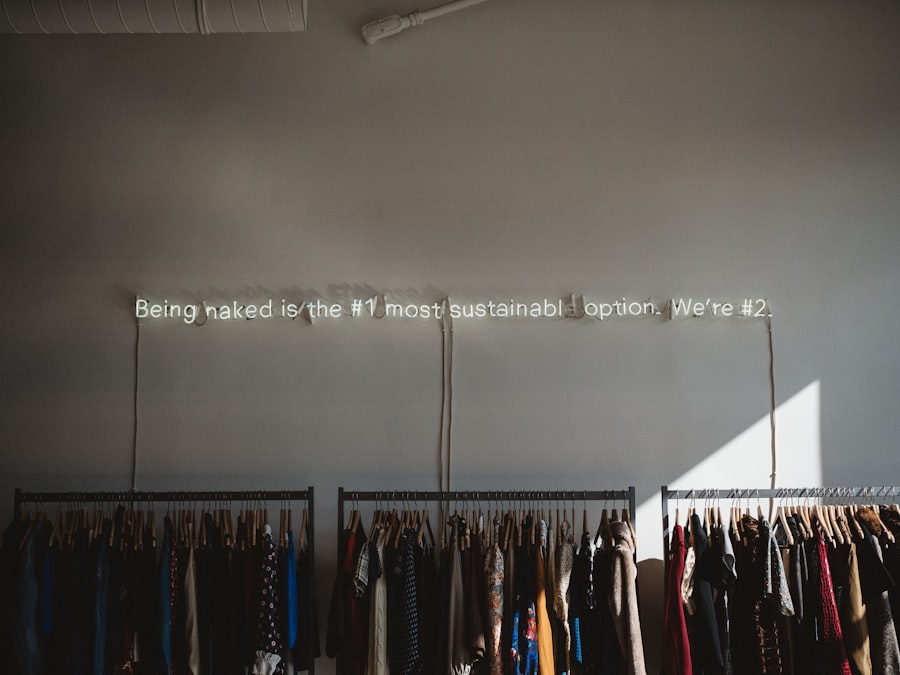
Fast fashion brands often employ various strategies to greenwash their products and mislead consumers like you into believing they are making environmentally conscious choices. One common tactic is the use of vague or misleading language in marketing campaigns. Phrases such as “eco-friendly,” “green,” or “sustainable” can be thrown around without any concrete evidence or certifications to back them up.
This lack of transparency can create confusion and make it difficult for you to discern which brands are genuinely committed to sustainability. Another method used by these brands is the promotion of limited eco-friendly collections while continuing to produce large volumes of traditional fast fashion items. By showcasing a small selection of sustainable products, they can divert attention from their overall practices and maintain their profit margins.
This strategy not only misleads consumers but also allows brands to continue their harmful practices under the guise of environmental responsibility. As you navigate the fashion landscape, it’s essential to be aware of these tactics and seek out brands that demonstrate genuine commitment to sustainability through transparent practices and comprehensive environmental policies.
Examples of Fast Fashion Greenwashing
Several high-profile fast fashion brands have been called out for their greenwashing efforts in recent years.
However, investigations revealed that this line represented only a tiny fraction of their overall production, which continued to rely heavily on unsustainable practices.
This example illustrates how brands can create an illusion of sustainability while maintaining their core business model focused on rapid production and low costs. Another example involves a popular brand that marketed its use of eco-friendly dyes and materials in its advertising campaigns. While these claims may sound impressive, further scrutiny revealed that the majority of their clothing was still produced using harmful chemicals and processes that contributed significantly to environmental degradation.
These instances highlight the importance of being vigilant as a consumer; just because a brand claims to be sustainable doesn’t mean it is genuinely committed to making a positive impact on the environment.
The Social Impact of Fast Fashion Greenwashing
| Metric | Description | Example | Impact |
|---|---|---|---|
| Percentage of “Sustainable” Collections | Share of fast fashion brands’ collections marketed as sustainable or eco-friendly | Up to 30% of collections labeled as “green” or “eco” | Misleads consumers about overall brand sustainability |
| Actual Use of Recycled Materials | Proportion of recycled or organic materials used in “sustainable” lines | Often less than 10% of total fabric content | Minimal reduction in environmental footprint |
| Carbon Emissions Disclosure | Transparency in reporting carbon emissions from production | Less than 20% of brands provide detailed emissions data | Limits accountability and progress tracking |
| Water Usage Claims | Claims about reduced water consumption in manufacturing | Claims often lack third-party verification | Potential exaggeration of environmental benefits |
| Third-Party Certifications | Use of recognized eco-labels or certifications | Less than 15% of “green” products certified | Raises questions about authenticity of claims |
| Fast Fashion Production Rate | Number of new styles released annually | Over 500 new styles per brand per year | Contradicts sustainability messaging |
| Consumer Awareness | Percentage of consumers recognizing greenwashing in fast fashion | Approximately 60% aware of misleading claims | Growing skepticism towards brand sustainability claims |
The social implications of fast fashion greenwashing extend beyond environmental concerns; they also affect workers and communities involved in garment production. Many fast fashion brands rely on low-wage labor in developing countries, where workers often face poor working conditions and exploitation. When these companies engage in greenwashing, they divert attention away from these critical social issues, allowing them to continue operating without accountability.
As a consumer, you may feel conflicted when purchasing from brands that promote sustainability while simultaneously contributing to social injustices. The reality is that greenwashing can perpetuate a cycle of exploitation by masking the true costs of fast fashion. By failing to address labor rights and working conditions, these brands undermine the very principles they claim to uphold.
Understanding this connection between environmental sustainability and social responsibility is vital for making informed choices that align with your values.
The Rise of Sustainable Fashion

In response to the growing awareness of fast fashion’s negative impacts, sustainable fashion has emerged as a viable alternative for consumers seeking ethical options. This movement emphasizes environmentally friendly materials, ethical labor practices, and a commitment to reducing waste throughout the production process. As you explore sustainable fashion options, you’ll find a diverse range of brands dedicated to creating high-quality garments that prioritize both people and the planet.
Sustainable fashion encourages you to think critically about your purchasing habits and consider the lifecycle of your clothing. Many sustainable brands focus on timeless designs that transcend seasonal trends, promoting a shift away from the disposable nature of fast fashion. By investing in quality pieces that are made to last, you can contribute to a more sustainable future while also enjoying clothing that reflects your personal style.
The rise of sustainable fashion represents a significant shift in consumer consciousness, empowering you to make choices that align with your values.
How to Spot Greenwashing in Fast Fashion
Identifying greenwashing in fast fashion can be challenging, but there are several key indicators you can look for as you navigate your shopping experience. First, pay attention to the language used in marketing materials. If a brand makes broad claims about being “eco-friendly” or “sustainable” without providing specific details or certifications, it may be worth investigating further.
Look for transparency regarding sourcing practices, production methods, and labor conditions; genuine sustainable brands will often provide this information readily. Another red flag is when a brand promotes a single eco-friendly product while continuing to produce large quantities of traditional fast fashion items. This selective marketing strategy can indicate that the brand is more focused on image than on making meaningful changes.
Additionally, consider researching third-party certifications or labels that indicate a brand’s commitment to sustainability; these can provide valuable insights into their practices. By arming yourself with knowledge and being vigilant about potential greenwashing tactics, you can make more informed choices as a consumer.
The Importance of Holding Fast Fashion Brands Accountable
Holding fast fashion brands accountable for their environmental and social impacts is essential for driving meaningful change within the industry. As a consumer, your voice matters; by demanding transparency and ethical practices from brands, you can encourage them to adopt more sustainable approaches. This accountability can take many forms, from supporting legislation aimed at regulating the fashion industry to participating in campaigns that raise awareness about unethical practices.
Moreover, when you choose to support brands that prioritize sustainability and ethical labor practices, you send a clear message about what matters to you as a consumer. This collective action can create pressure on fast fashion companies to reevaluate their practices and make genuine commitments toward sustainability. By holding these brands accountable, you contribute to a larger movement advocating for systemic change within the fashion industry.
The Role of Consumers in Combatting Fast Fashion Greenwashing
As a consumer, your role in combatting fast fashion greenwashing cannot be overstated. Your purchasing decisions have the power to influence brand behavior and drive demand for more sustainable options. By choosing to support companies that prioritize ethical practices and transparency, you help create a market where sustainability is valued over profit margins.
This shift in consumer behavior can encourage fast fashion brands to rethink their strategies and invest in more responsible practices. Additionally, educating yourself and others about the impacts of fast fashion and greenwashing is crucial for fostering awareness within your community. Sharing information about sustainable alternatives and advocating for ethical consumption can inspire others to join you in making more conscious choices.
Together, consumers can create a ripple effect that challenges the status quo and pushes for greater accountability within the fashion industry.
Steps Towards a More Sustainable Fashion Industry
Transitioning towards a more sustainable fashion industry requires collective effort from consumers, brands, and policymakers alike. As an individual consumer, there are several steps you can take to contribute to this transformation. Start by evaluating your wardrobe and identifying areas where you can reduce consumption—consider adopting practices like thrifting or swapping clothes with friends instead of buying new items frequently.
Supporting local artisans and sustainable brands is another effective way to promote ethical practices within the industry. By investing in high-quality pieces made with care and consideration for both people and the planet, you help create demand for responsible production methods. Additionally, advocating for policies that promote sustainability within the fashion industry—such as regulations on waste management or labor rights—can further drive systemic change.
The Future of Fast Fashion and Greenwashing
The future of fast fashion remains uncertain as consumers become increasingly aware of its environmental and social impacts. While some brands may continue to engage in greenwashing tactics as a means of maintaining profitability, there is also a growing movement toward transparency and accountability within the industry. As more consumers demand genuine sustainability efforts from brands, those unwilling or unable to adapt may find themselves facing significant backlash.
Ultimately, the future will likely see a shift towards more responsible consumption patterns as individuals prioritize ethical choices over fleeting trends. The rise of sustainable fashion indicates that there is hope for change within the industry; by continuing to educate yourself and advocate for accountability, you play an essential role in shaping this future landscape. As we move forward together, it’s crucial to remain vigilant against greenwashing while supporting genuine efforts toward sustainability in fashion.
Fast fashion brands often promote their sustainability efforts, but many of these claims are misleading, a practice known as greenwashing. For a deeper understanding of this issue, you can read the article that exposes the tactics used by these companies to mislead consumers about their environmental impact. Check out the related article on this topic here.
FAQs
What is fast fashion greenwashing?
Fast fashion greenwashing refers to the practice where fast fashion brands falsely promote their products or business practices as environmentally friendly or sustainable, while continuing to engage in harmful environmental and ethical practices.
Why is greenwashing a problem in the fast fashion industry?
Greenwashing misleads consumers into believing they are making eco-friendly choices, which can undermine genuine sustainability efforts and allow harmful environmental and labor practices to continue unchecked.
How can consumers identify greenwashing in fast fashion?
Consumers can look for vague or unverified sustainability claims, lack of transparency about supply chains, absence of third-party certifications, and marketing that focuses more on image than on concrete environmental actions.
What are some common greenwashing tactics used by fast fashion brands?
Common tactics include using buzzwords like “eco-friendly” without evidence, highlighting minor sustainable initiatives while ignoring larger issues, and promoting limited “green” collections that do not represent the brand’s overall impact.
What impact does fast fashion have on the environment?
Fast fashion contributes to pollution, excessive water use, textile waste, and carbon emissions due to rapid production cycles, overconsumption, and poor labor practices.
Are there any regulations against greenwashing in the fashion industry?
Some countries have regulations against false advertising and misleading environmental claims, but enforcement varies, and the fashion industry often lacks specific, stringent rules addressing greenwashing.
How can fast fashion brands improve their sustainability efforts genuinely?
Brands can improve by increasing transparency, adopting circular economy principles, reducing waste and emissions, ensuring fair labor practices, and obtaining credible third-party sustainability certifications.
What role do consumers play in combating fast fashion greenwashing?
Consumers can research brands, demand transparency, support genuinely sustainable companies, reduce consumption, and advocate for stronger regulations to hold brands accountable.