
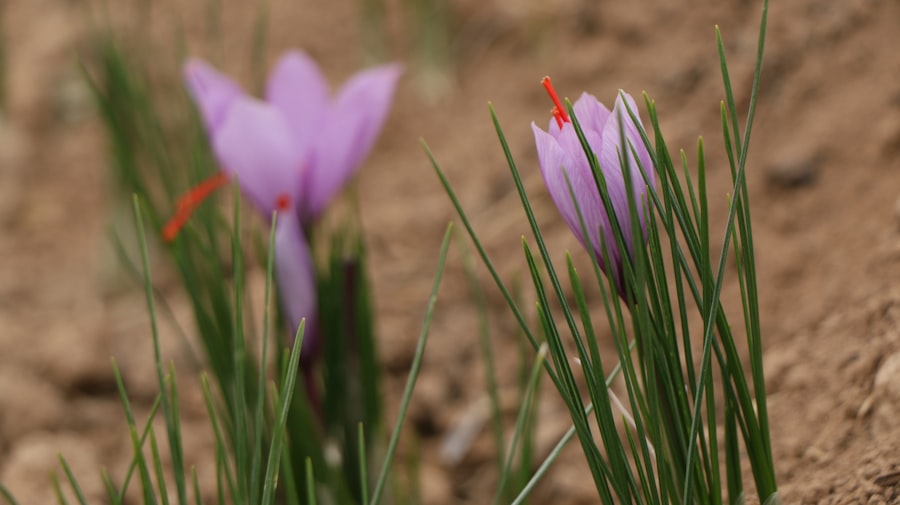
Food coloring has a documented history spanning thousands of years. Ancient Egyptian and Roman civilizations used natural substances to color their food, including beet juice, saffron, and plant extracts. Beyond aesthetic purposes, these colorants indicated freshness and quality.
Food coloring methods and materials changed substantially over time. During the Middle Ages, natural dyes became more common in Europe, with madder root and indigo being frequently used.
Synthetic food colorings first appeared in the 19th century. The Industrial Revolution enabled chemical innovations that produced artificial dyes that were both less expensive and more vibrant than natural alternatives. This development transformed the food industry and altered consumer expectations about food appearance.
Learn about the surprising [foods banned in Europe](https://youtu.be/w1BTsG4Lb6E) and the reasons behind their prohibition.
Key Takeaways
- Food coloring has evolved from natural dyes to synthetic agents widely used in the food industry.
- Both natural and synthetic food colorings have distinct health effects and regulatory standards.
- Some food colorings may impact children’s behavior and cause allergies or sensitivities.
- Identifying and avoiding harmful food colorings is crucial for consumer safety.
- Informed choices and alternatives to artificial colorings support healthier food consumption.
Commonly Used Food Coloring Agents
In today’s food landscape, a variety of food coloring agents are commonly used to enhance the visual appeal of products. You might encounter both natural and synthetic options in your grocery store. Among the most prevalent synthetic dyes are Red 40, Yellow 5, and Blue 1.
These artificial colors are favored for their bright hues and stability, making them ideal for a wide range of applications, from candies to beverages. Their ability to withstand heat and light makes them particularly appealing to manufacturers looking to create eye-catching products that maintain their appearance over time. On the other hand, natural food coloring agents are gaining popularity as consumers become more health-conscious and environmentally aware.
Ingredients like turmeric, beet juice, and spirulina are often used as alternatives to synthetic dyes. These natural options not only provide color but also offer additional health benefits, such as antioxidants and vitamins. As you explore the aisles of your local supermarket, you may notice a growing trend toward products labeled as “naturally colored,” reflecting a shift in consumer preferences toward more wholesome ingredients.
The Health Effects of Food Coloring
The health effects of food coloring have been a topic of considerable debate among researchers, health professionals, and consumers alike. Some studies suggest that certain artificial dyes may be linked to hyperactivity and behavioral issues in children. As you consider the implications of these findings, it’s essential to recognize that individual responses to food coloring can vary widely.
While some people may experience adverse effects, others may consume these additives without any noticeable impact on their health or behavior. Moreover, there is ongoing research into the potential long-term effects of consuming synthetic food colorings. Some studies have raised concerns about the possible carcinogenic properties of certain dyes when consumed in large quantities over extended periods.
As you navigate your dietary choices, it’s crucial to stay informed about the latest research findings and consider how they may apply to your own health and well-being.
Regulations and Safety Standards for Food Coloring
Regulations surrounding food coloring are designed to ensure consumer safety while allowing manufacturers to use these additives in their products. In many countries, including the United States, the Food and Drug Administration (FDA) oversees the approval process for food colorings. Before a dye can be used in food products, it must undergo rigorous testing to assess its safety for human consumption.
This process includes evaluating potential toxicity, allergenic properties, and overall health effects. Despite these regulations, there are still concerns about the adequacy of safety standards for food coloring. Some critics argue that existing regulations may not fully account for the cumulative effects of consuming multiple products containing various dyes.
As you consider your own consumption habits, it’s essential to be aware of these regulatory frameworks while also advocating for transparency and stricter safety measures in the food industry.
The debate between natural and synthetic food coloring continues to be a significant topic among consumers and manufacturers alike. Natural food colorings are derived from plant sources, minerals, or insects, offering a more organic approach to enhancing food appearance. You might find that these options not only provide vibrant colors but also align with a growing preference for clean-label products that emphasize minimal processing and natural ingredients.
Conversely, synthetic food colorings are often criticized for their chemical composition and potential health risks. However, they remain popular due to their cost-effectiveness and ability to produce consistent results across large batches of products. As you weigh the pros and cons of each type, consider your personal values regarding health, sustainability, and environmental impact.
Making informed choices about food coloring can empower you to select products that align with your dietary preferences and lifestyle.
The Impact of Food Coloring on Children’s Behavior
| Food Coloring | Type | Common Uses | Health Concerns | Regulatory Status | Natural or Synthetic |
|---|---|---|---|---|---|
| Red 40 (Allura Red AC) | Synthetic | Soft drinks, candies, baked goods | Possible hyperactivity in children, allergic reactions | Approved by FDA and EFSA | Synthetic |
| Yellow 5 (Tartrazine) | Synthetic | Snack foods, cereals, beverages | May cause allergic reactions, linked to hyperactivity | Approved by FDA and EFSA with warning labels in some countries | Synthetic |
| Blue 1 (Brilliant Blue FCF) | Synthetic | Confectionery, beverages, dairy products | Generally considered safe, rare allergic reactions | Approved by FDA and EFSA | Synthetic |
| Beet Juice | Natural | Natural red coloring in foods and beverages | Generally safe, may cause discoloration of urine/stools | Generally recognized as safe (GRAS) | Natural |
| Turmeric (Curcumin) | Natural | Yellow coloring in curries, mustard, snacks | Generally safe, high doses may cause stomach upset | GRAS status | Natural |
| Caramel Color | Natural/Synthetic | Sodas, sauces, baked goods | May contain contaminants like 4-MEI, possible cancer risk debated | Approved with limits on contaminants | Both |
The impact of food coloring on children’s behavior has garnered significant attention from parents and educators alike. Some studies suggest a correlation between artificial dyes and increased hyperactivity in children, leading many parents to scrutinize ingredient labels more closely. If you’re a parent or caregiver, you may find yourself questioning whether certain brightly colored snacks or beverages could be contributing to your child’s energy levels or mood swings.
While research in this area is ongoing, it’s essential to recognize that not all children will react similarly to food coloring. Factors such as individual sensitivities, overall diet, and lifestyle can all play a role in how a child responds to these additives. As you navigate this complex issue, consider keeping a food diary or consulting with a healthcare professional if you suspect that certain foods may be affecting your child’s behavior.
Food Coloring Allergies and Sensitivities

Food coloring allergies and sensitivities are relatively rare but can have significant implications for those affected. If you or someone in your family has experienced allergic reactions after consuming products containing artificial dyes, it’s crucial to identify which specific colorings may be responsible. Common symptoms can include hives, itching, or gastrointestinal distress, which can be distressing for both children and adults alike.
For individuals with known sensitivities or allergies, avoiding certain food colorings becomes essential for maintaining health and well-being. As you read ingredient labels, look out for common allergens associated with specific dyes, such as Yellow 5 or Red 40. Being proactive about understanding your dietary needs can help you make safer choices when selecting foods for yourself or your loved ones.
How to Identify and Avoid Harmful Food Coloring
Identifying and avoiding harmful food coloring requires vigilance and knowledge about ingredient labels. When shopping for groceries, take the time to read labels carefully; many products contain artificial dyes that may not be immediately obvious from their packaging. Familiarizing yourself with common synthetic colorings can empower you to make informed decisions about what you consume.
In addition to reading labels, consider opting for whole foods or minimally processed items whenever possible. Fresh fruits and vegetables typically do not contain added colorings, making them a safer choice for those concerned about artificial additives. You might also explore brands that prioritize natural ingredients or those that explicitly state they do not use synthetic dyes in their products.
The Role of Food Coloring in Food Marketing
Food coloring plays a pivotal role in food marketing by influencing consumer perceptions and purchasing decisions. Brightly colored packaging and visually appealing products can attract attention on store shelves, making them more likely to catch your eye as you shop. Marketers understand that color can evoke emotions and associations; for example, red is often linked with excitement or appetite stimulation.
As you navigate the world of food marketing, it’s essential to be aware of how colors can influence your choices subconsciously. While vibrant colors can enhance your enjoyment of a product, they may also mask less desirable qualities such as high sugar content or artificial ingredients. By being mindful of marketing tactics that rely on color appeal, you can make more conscious decisions about what you choose to consume.
Alternatives to Artificial Food Coloring
If you’re looking for alternatives to artificial food coloring, there are numerous options available that can enhance the visual appeal of your meals without relying on synthetic additives. Natural sources such as beet juice for red hues or turmeric for yellow can provide vibrant colors while also offering nutritional benefits. You might find that experimenting with these natural alternatives not only enhances your dishes but also aligns with a healthier lifestyle.
Additionally, many brands are now offering products made with natural colorings as consumer demand shifts toward cleaner labels. When shopping for snacks or beverages, look for items labeled as “naturally colored” or “free from artificial dyes.” By choosing these alternatives, you can enjoy colorful foods while minimizing potential health risks associated with synthetic colorings.
Making Informed Choices About Food Coloring
Making informed choices about food coloring involves understanding both the benefits and potential risks associated with various additives. As you educate yourself about different types of food colorings—both natural and synthetic—you empower yourself to select products that align with your values regarding health and nutrition. Consider keeping an eye on emerging research related to food coloring safety and regulations as well.
Staying informed about new findings can help you navigate the complexities of dietary choices in an ever-evolving food landscape. Ultimately, by being proactive about your consumption habits and advocating for transparency in labeling practices, you can make choices that support your well-being while enjoying the colorful world of food.
Food coloring has long been a topic of debate regarding its safety and effects on health. For a deeper understanding of the implications of food additives, you can explore a related article that discusses various aspects of food safety and consumer awareness.