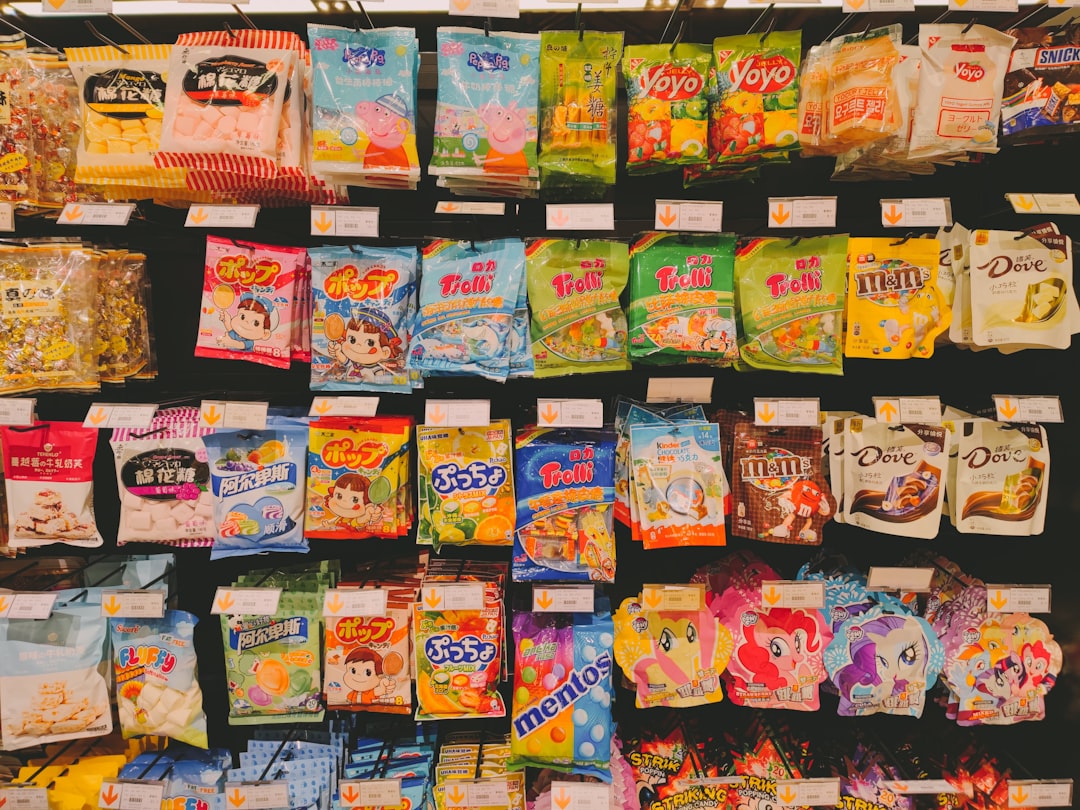
The modern supermarket aisle, a tapestry of vibrant packaging and polished produce, often presents a stark contrast to the culinary experience it promises. Consumers frequently lament a perceived lack of flavor in their grocery store purchases, a disappointing departure from the tastes of home-cooked meals or memory-laden meals from childhood. This widespread observation is not a mere figment of nostalgic sentimentality; it is a tangible consequence of complex scientific processes that influence the way food reaches our tables. The primary culprits behind this diminished gustatory pleasure are the relentless pursuit of shelf-stability and the pervasive nature of industrial processing, both inextricably linked to a profound loss of freshness.
The Unseen Journey: From Farm to Fridge
The distance food travels from its point of origin to the consumer’s shopping cart has expanded dramatically in recent decades. While this globalized food system offers accessibility and variety, it necessitates a careful management of decay.
Pre-Harvest Practices and Their Impact
Even before a crop is harvested, its potential for flavor can be significantly altered. Certain agricultural practices are employed to maximize yield and uniformity, often at the expense of nuanced taste.
Variety Selection for Durability Over Flavor
Modern agriculture often favors crop varieties that are bred for their resilience during transport and storage, rather than their inherent flavor profiles. This means that the plump, blemish-free tomatoes or the uniformly large apples on display might have been selected for their ability to withstand bumps and bruises, not for their burst of sweetness or complex acidity. The genetic makeup of these plants prioritizes structural integrity and a longer post-harvest life, a trade-off that frequently results in a less aromatic and less flavorful product.
Controlled Growing Environments
While greenhouses and other controlled environments can ensure consistent production, they can also inadvertently diminish the natural variation that contributes to robust flavor. Factors like sunlight intensity, soil composition, and natural pest pressures all play a role in developing the complex compounds that give fruits and vegetables their distinctive tastes and aromas. Replicating these conditions perfectly in a controlled setting proves challenging, leading to a product that may look appealing but lacks the depth of flavor found in field-grown counterparts.
Post-Harvest Handling: The Beginning of the End for Freshness
Once harvested, the clock begins to tick on a food item’s freshness. The methods employed to slow down this inevitable decline have a significant impact on its sensory qualities.
The Role of Refrigeration and Modified Atmosphere Packaging
Refrigeration is a cornerstone of modern food preservation, drastically slowing down enzymatic activity and microbial growth. However, even low temperatures cannot halt the degradation of volatile aromatic compounds responsible for flavor. Modified Atmosphere Packaging (MAP) involves altering the gas composition within a package, typically by reducing oxygen and increasing nitrogen or carbon dioxide. While this extends shelf life by inhibiting spoilage, it can also create an anoxic environment that suppresses the natural metabolic processes in produce that contribute to flavor development. The absence of controlled ripening processes, common in commercial settings, further exacerbates this.
Minimizing Respiration and Ethylene Production
Fruits and vegetables are living organisms that continue to respire after harvest, a process that consumes stored sugars and can lead to a loss of sweetness and texture. They also produce ethylene, a plant hormone that triggers ripening and, consequently, senescence. Commercial handlers employ various techniques to minimize respiration and ethylene production, including careful temperature control and the use of ethylene absorbers. While these methods prevent premature spoilage, they also prevent the full development of flavor compounds that occur during a natural ripening process.
Many consumers have noticed that supermarket food often lacks the rich flavors they remember from home-cooked meals or fresh produce. This phenomenon can be attributed to several factors, including the use of mass production techniques, the selection of varieties that prioritize shelf life over taste, and the impact of transportation on freshness. For a deeper understanding of this issue, you can read a related article that explores the reasons behind the decline in flavor in supermarket foods at this link: Why Supermarket Food Has No Flavor.
The Industrial Transformation: Processing’s Flavor Footprint
The journey from farm to table is often punctuated by extensive processing, a necessity for mass production and distribution. This transformation, while providing convenience and affordability, invariably strips away inherent flavors.
The Stripping of Natural Components
Industrial food processing often involves steps that physically remove or degrade compounds critical to flavor.
Washing, Peeling, and Slicing
Although seemingly innocuous, repeated washing, peeling, and slicing can lead to the loss of water-soluble vitamins and flavor compounds located just beneath the skin of fruits and vegetables. This is particularly true for delicate produce. The abrasive nature of some industrial washing processes can also damage cellular structures, leading to further loss of essential components.
Thermal Processing: Cooking or Pasteurizing Away Flavor
Heat is a powerful tool in food preservation, neutralizing harmful microbes and extending shelf life. However, high temperatures are also highly effective at destroying volatile aromatic compounds, the very molecules that provide food with its characteristic aromas and tastes. Pasteurization, a milder form of heat treatment, still contributes to a reduction in flavor complexity. The longer and hotter the thermal processing, the greater the loss of nuanced sensory qualities. This is why canned vegetables, while safe and convenient, often lack the vibrant flavor of their fresh counterparts.
The Addition of “Flavor Enhancers” and Artificial Substitutes
To compensate for the flavors lost during processing, the food industry often relies on a cocktail of additives.
The Science of Salt, Sugar, and Fat
Salt, sugar, and fat are fundamental taste elements that, when precisely balanced, can create a highly palatable product. Processors utilize these ingredients to mask the blandness of their offerings and to create satisfying textures. The precise ratios are carefully calculated to evoke a sense of pleasure, often overriding the subtle complexities of natural flavors. This can lead to a form of “flavor addiction,” where consumers become accustomed to these intense, uniform tastes, finding natural foods less appealing.
Artificial Flavors and Their Limitations
Artificial flavors are chemically synthesized compounds designed to mimic natural tastes. While they can replicate specific flavor notes, they often lack the intricate symphony of aromas and taste sensations that characterize real food. The complexity of natural flavor arises from hundreds of different volatile compounds interacting in specific ratios. Replicating this perfect balance with artificial substitutes is an ongoing challenge, and the result is frequently a flavor that is one-dimensional and ultimately unconvincing. Furthermore, the cumulative effect of consuming foods high in artificial flavors can desensitize our palates to more subtle, natural tastes.
The Role of Water: A Carrier of Flavor Lost and Gained
Water plays a dual role in flavor. It is essential for the biochemical reactions that produce flavor compounds, and it also acts as a solvent for these compounds, allowing us to perceive them.
Dehydration and Rehydration: A Two-Edged Sword
Dehydrating food to extend shelf life concentrates the remaining solids, including sugars and starches, which can intensify sweetness and other tastes. However, this process also leads to the loss of volatile aromatic compounds that evaporate with the water. When these foods are then rehydrated, the texture can be compromised, and many of the lost aromatics are not fully restored.
Water Content and Mouthfeel: An Indirect Flavor Indicator
The water content of food significantly influences its mouthfeel, which in turn affects our perception of flavor. For instance, a crisp apple releases water and aroma compounds as it is bitten, contributing to a more vibrant sensory experience. Processed foods often have altered water content, leading to a less desirable mouthfeel and, consequently, a less satisfying flavor perception. For example, overcooked or processed vegetables can become mushy, losing the structural integrity that contributes to a pleasing bite and the release of flavor.
The Impact of Farming Practices on Soil and Flavor
Beyond the direct handling of the food item, the health of the soil in which it is grown has a profound impact on its flavor.
Soil Depletion and Nutrient Deficiency
Modern intensive farming practices can deplete the soil of essential nutrients and beneficial microorganisms. Healthy soil acts as a living ecosystem, providing plants with the complex array of minerals and trace elements necessary for optimal growth and the development of robust flavor compounds. When soil is nutrient-deficient, plants may lack the building blocks to produce these desirable taste and aroma molecules, resulting in produce that is less flavorful.
The Loss of Microbial Diversity in Soil and Its Link to Plant Health
The intricate web of microbial life in healthy soil contributes significantly to plant health and nutrient uptake. These microorganisms can facilitate the absorption of minerals and the synthesis of complex organic compounds within the plant. A decline in soil microbial diversity, often a consequence of monoculture farming and the use of synthetic fertilizers and pesticides, can negatively impact a plant’s ability to develop its full flavor potential. The plant may survive, but it may not thrive in a way that translates to a rich and complex taste.
Many consumers have noticed that supermarket food often lacks the vibrant flavors they remember from home-cooked meals or fresh produce. This phenomenon can be attributed to various factors, including the industrial farming practices that prioritize shelf life over taste. For a deeper understanding of this issue, you can explore a related article that discusses the reasons behind the decline in flavor in supermarket foods. It highlights how mass production and the use of certain agricultural techniques have led to a significant change in the taste of our food. To learn more, check out this insightful piece on the topic here.
The Consumer’s Role: Navigating the Flavorless Landscape
While manufacturers play a significant role in the production of flavorless food, consumers also possess agency in seeking out and appreciating more flavorful options.
Recognizing and Seeking Out Freshness Cues
Developing a discerning palate involves learning to recognize the subtle cues of true freshness. This includes looking for vibrant colors, firm textures, and characteristic aromas. Understanding that the aesthetic perfection of supermarket produce may come at the expense of flavor is a crucial first step.
The Power of Simple Preparations and Home Cooking
Simple cooking methods, such as steaming or lightly sautéing, can preserve and even enhance the natural flavors of fresh ingredients. Home cooking allows for greater control over ingredients and processing. By choosing to prepare meals from scratch and prioritizing fresh, seasonal ingredients, consumers can actively counter the trend of flavorless food. This also encourages exploration of heirloom varieties and produce from local farmers’ markets, which often prioritize taste over shelf-life.
Supporting Local and Sustainable Agriculture
Supporting local farmers and opting for produce from sustainable agricultural systems can often lead to a more flavorful experience. These producers may be more inclined to grow varieties known for their taste, and the shorter supply chains mean that the food reaches the consumer with more of its natural flavor intact. The emphasis is often placed on the quality of the harvest rather than the longevity of its journey.
FAQs
1. Why does supermarket food often lack flavor?
Supermarket food often lacks flavor due to factors such as long transportation times, storage conditions, and the breeding of produce for appearance and shelf life rather than taste.
2. How does transportation affect the flavor of supermarket food?
Transporting food long distances can lead to a loss of flavor, as fruits and vegetables are often picked before they are fully ripe in order to withstand the journey, resulting in a lack of natural sugars and flavor development.
3. What role do storage conditions play in the flavor of supermarket food?
Storage conditions, such as refrigeration and packaging, can impact the flavor of supermarket food by affecting the ripening process and potentially causing flavor loss over time.
4. Why is supermarket food bred for appearance and shelf life rather than taste?
Supermarket food is often bred for appearance and shelf life in order to meet consumer demand for visually appealing produce and to ensure longer shelf life, which can lead to compromises in flavor.
5. Are there any ways to enhance the flavor of supermarket food?
Consumers can enhance the flavor of supermarket food by seeking out locally grown produce, choosing seasonal items, and exploring different cooking techniques and flavor-enhancing ingredients.