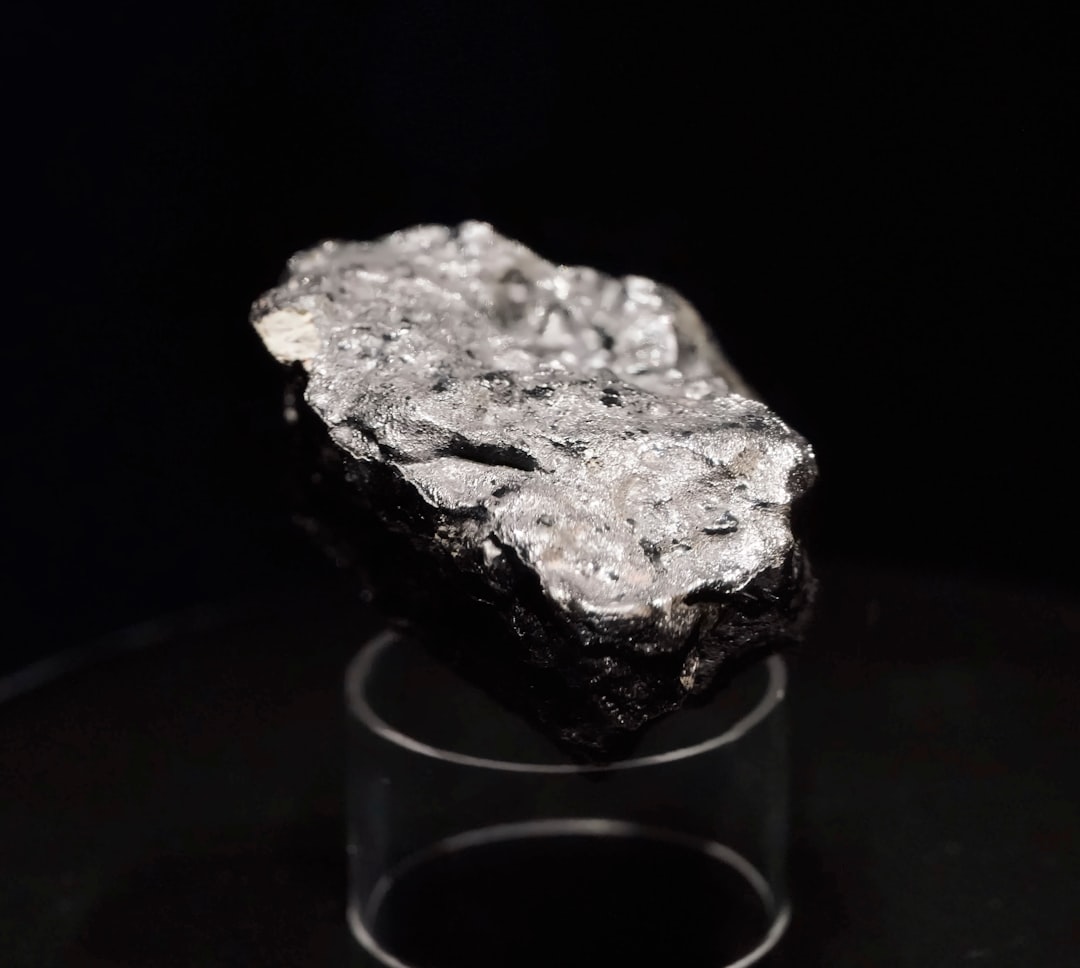
Titanium dioxide, commonly abbreviated as TiO2, is a naturally occurring mineral widely utilized across multiple industries, particularly in food manufacturing. This compound exhibits a brilliant white color and functions as a pigment due to its high refractive index and strong ultraviolet light-absorbing capabilities. Titanium dioxide appears in numerous products, including paints, coatings, cosmetics, and food items.
Its capacity to enhance brightness and opacity makes it valuable for manufacturers seeking to improve product appearance. In food production, titanium dioxide functions as a food additive designated as E171 in the European Union. Its primary application is to impart white coloration to food products, thereby enhancing their visual appeal.
Titanium dioxide is found in confectionery, dairy products, and sauces, among other items. The compound’s versatility has established it as a standard ingredient in food manufacturing because it integrates readily into various formulations without affecting the taste or texture of finished products.
Key Takeaways
- Titanium dioxide is widely used in food production primarily as a whitening and brightening agent.
- Regulatory bodies have set safety limits, but concerns about its potential health risks persist.
- Alternatives to titanium dioxide are being explored due to controversies and consumer demand for natural ingredients.
- Environmental impacts of titanium dioxide production and disposal are increasingly scrutinized.
- The future of titanium dioxide in the food industry depends on balancing its functional benefits with health and environmental considerations.
The Use of Titanium Dioxide in Food Production
The application of titanium dioxide in food production is extensive and multifaceted. You may not realize it, but this additive plays a crucial role in enhancing the aesthetic qualities of many foods you consume daily. For instance, it is often used in products like icing, whipped toppings, and even some types of cheese to create a uniform and appealing appearance.
By providing a bright white color, titanium dioxide helps to mask any imperfections in the food, making it more enticing to consumers.
By acting as a stabilizer, it helps maintain the consistency and quality of food items over time.
This is particularly important in processed foods where visual appeal can significantly influence purchasing decisions. As you navigate grocery store aisles, you may notice that many products contain titanium dioxide, reflecting its widespread acceptance and use in the food industry. Learn about the surprising [foods banned in Europe](https://youtu.be/w1BTsG4Lb6E) and the reasons behind their prohibition.
The Function of Titanium Dioxide in Food
The primary function of titanium dioxide in food is to serve as a coloring agent. However, its role extends beyond mere aesthetics. You might be surprised to learn that titanium dioxide also contributes to the overall quality and stability of food products.
By enhancing opacity, it can help prevent light from degrading sensitive ingredients within the food, thereby preserving flavor and nutritional value. In addition to its protective qualities, titanium dioxide can also improve the texture of certain foods. For example, in powdered products like sugar or flour, it can help prevent clumping by providing a free-flowing consistency.
This functionality is essential for manufacturers who aim to deliver high-quality products that meet consumer expectations. As you enjoy your favorite snacks or meals, you may appreciate the subtle yet significant impact that titanium dioxide has on their overall quality.
Safety and Regulations of Titanium Dioxide in Food
When it comes to food additives, safety is paramount. Regulatory bodies around the world have established guidelines to ensure that substances like titanium dioxide are safe for consumption. In the European Union, for instance, titanium dioxide has been evaluated by the European Food Safety Authority (EFSA), which has deemed it safe when used within specified limits.
You can take comfort in knowing that these regulations are designed to protect consumers from potential harm. However, it’s essential to stay informed about ongoing research and discussions surrounding the safety of titanium dioxide. While regulatory agencies have approved its use, some studies have raised concerns about potential health risks associated with long-term consumption.
As a responsible consumer, you should be aware of these discussions and consider them when making choices about the foods you consume.
Controversies Surrounding Titanium Dioxide in Food
| Metric | Value | Unit | Notes |
|---|---|---|---|
| Maximum Allowed Concentration | 1,000 | mg/kg (ppm) | EU limit for titanium dioxide (E171) in food products before ban |
| Particle Size | ~200 | nm | Average size of titanium dioxide particles used as food additive |
| Typical Usage Level | 0.01 – 1.0 | % by weight | Concentration range in food products for whitening effect |
| Daily Intake Estimate | 0.2 – 2.0 | mg/kg body weight/day | Estimated intake from food in general population |
| Regulatory Status (EU) | Banned | N/A | As of 2022, titanium dioxide (E171) banned as food additive |
| Regulatory Status (USA) | Approved | N/A | FDA allows titanium dioxide up to 1% in food products |
| Common Food Applications | Confectionery, bakery, dairy | N/A | Used for whitening and opacity |
Despite its widespread use and regulatory approval, titanium dioxide has not been without controversy. You may have heard about debates regarding its safety and potential health risks, particularly concerning its nano-sized particles. Some researchers argue that these nanoparticles could pose risks when ingested, leading to concerns about their accumulation in the body and potential toxicity.
Additionally, there have been calls for greater transparency in labeling practices related to titanium dioxide in food products.
The push for clearer labeling reflects a growing demand for transparency in the food industry, allowing you to make informed choices about what you eat.
Alternatives to Titanium Dioxide in Food Production
As discussions about the safety of titanium dioxide continue, some manufacturers are exploring alternatives that can achieve similar effects without potential risks. You may find that natural colorants derived from fruits, vegetables, or spices are gaining popularity as substitutes for titanium dioxide. These alternatives not only provide color but also offer additional nutritional benefits.
For instance, beet juice powder can impart a vibrant red hue, while turmeric can add a warm yellow tone to foods. These natural options appeal to consumers who prioritize clean labels and seek products free from synthetic additives. As you consider your food choices, you might find yourself drawn to brands that embrace these alternatives, reflecting your desire for healthier and more transparent options.
Potential Health Risks of Consuming Titanium Dioxide in Food
While regulatory agencies have deemed titanium dioxide safe for consumption within established limits, ongoing research continues to explore potential health risks associated with its use. Some studies suggest that long-term exposure to titanium dioxide nanoparticles may lead to adverse effects on gut health and immune function. As you stay informed about these findings, it’s essential to weigh the potential risks against the benefits of consuming products containing this additive.
Moreover, concerns have been raised about the accumulation of titanium dioxide particles in the body over time. You might wonder how this could impact your health in the long run. While current evidence does not definitively establish a causal link between titanium dioxide consumption and specific health issues, remaining vigilant about emerging research is crucial for making informed dietary choices.
The Environmental Impact of Titanium Dioxide in Food Production
The environmental implications of titanium dioxide production are another aspect worth considering. The extraction and processing of titanium ore can have significant ecological consequences, including habitat destruction and pollution. As you reflect on your food choices, you may want to consider not only the health implications but also the environmental footprint associated with the ingredients used in your favorite products.
Furthermore, the disposal of products containing titanium dioxide raises questions about sustainability. As awareness grows regarding environmental issues, many consumers are seeking out brands that prioritize eco-friendly practices. By choosing products with minimal environmental impact, you can contribute to a more sustainable food system while enjoying your meals.
The Role of Titanium Dioxide in Food Packaging
Beyond its use as a food additive, titanium dioxide also plays a role in food packaging. You may not realize it, but this compound is often incorporated into packaging materials to enhance their barrier properties and protect contents from light exposure. By preventing light from degrading sensitive ingredients within packaged foods, titanium dioxide helps maintain freshness and quality.
As you navigate the world of packaged foods, consider how titanium dioxide contributes to preserving the integrity of what you consume. The use of this additive in packaging reflects a broader trend toward improving food safety and extending shelf life while ensuring that products remain visually appealing on store shelves.
The Future of Titanium Dioxide in Food Industry
Looking ahead, the future of titanium dioxide in the food industry remains uncertain as consumer preferences evolve and research continues to unfold. You may notice an increasing demand for transparency and natural alternatives as more people prioritize health-conscious choices. This shift could prompt manufacturers to reevaluate their use of titanium dioxide and explore innovative solutions that align with consumer values.
Additionally, ongoing research into the safety and environmental impact of titanium dioxide will likely influence regulatory decisions and industry practices moving forward. As a consumer who values informed choices, staying updated on these developments will empower you to make decisions that align with your health and environmental priorities.
The Balance Between Benefits and Risks of Titanium Dioxide in Food
In conclusion, titanium dioxide serves as a multifaceted additive in the food industry, offering benefits such as enhanced appearance and improved shelf life. However, as you navigate your dietary choices, it’s essential to consider both the advantages and potential risks associated with its consumption. While regulatory bodies have deemed it safe within established limits, ongoing research raises questions about long-term effects and environmental implications.
As a conscious consumer, you have the power to influence industry practices by seeking out transparency and supporting brands that prioritize health and sustainability. By staying informed about developments related to titanium dioxide and exploring alternatives when possible, you can strike a balance between enjoying your favorite foods and making choices that align with your values. Ultimately, your awareness and engagement will play a crucial role in shaping the future landscape of food production and consumption.
Titanium dioxide, commonly used as a food additive for its whitening properties, has sparked discussions regarding its safety and potential health effects. For a deeper understanding of this topic, you can read more in the article available at this link. This article explores the implications of titanium dioxide in food products and the ongoing debates surrounding its use in the food industry.
WATCH THIS 🛑 The 30 Toxic Chemicals Europe Banned That Live in American Homes
FAQs
What is titanium dioxide and why is it used in food?
Titanium dioxide is a white pigment commonly used as a coloring agent in food products to enhance their appearance. It provides a bright white color and opacity, making foods look more appealing.
Is titanium dioxide safe to consume in food?
Titanium dioxide has been evaluated by food safety authorities such as the FDA and EFSA. While it is generally recognized as safe in small amounts, some recent studies have raised concerns about its potential health effects, leading to regulatory reviews in certain regions.
Which types of food commonly contain titanium dioxide?
Titanium dioxide is often found in products like candies, chewing gum, baked goods, sauces, and dairy products where a white or bright color is desired.
Are there any regulations regarding the use of titanium dioxide in food?
Yes, many countries regulate the maximum allowable levels of titanium dioxide in food. For example, the European Union has banned its use as a food additive since 2022 due to safety concerns, while other countries may still permit its use under specific conditions.
Can titanium dioxide cause allergic reactions or sensitivities?
Titanium dioxide is generally considered non-allergenic and inert. However, individuals with specific sensitivities or allergies should consult healthcare professionals if they have concerns.
Is titanium dioxide the same as nanoparticles used in other industries?
Titanium dioxide used in food is typically in a larger particle size than nanoparticles used in industrial applications. However, some food-grade titanium dioxide may contain a fraction of nanoparticles, which has prompted further safety evaluations.
How can consumers avoid titanium dioxide in their diet?
Consumers can check ingredient labels for “titanium dioxide,” “E171,” or related terms. Choosing products labeled as free from artificial colors or additives can also help avoid titanium dioxide.
What are the alternatives to titanium dioxide in food products?
Manufacturers may use natural colorants such as calcium carbonate, starches, or plant-based pigments as alternatives to titanium dioxide to achieve similar visual effects without synthetic additives.