
The Iraq War, which began in 2003, incorporated psychological warfare alongside military operations. Psychological operations (PSYOP) were a documented component of U.S. military strategy, designed to influence both the Iraqi civilian population and insurgent forces.
These operations included distributing information to shape public opinion, using messaging to reduce opponent morale, and creating conditions of uncertainty. The U.S. military employed various communication channels for psychological operations, including leaflets, radio broadcasts, and digital media.
These efforts targeted different audiences with distinct objectives: reassuring civilians while attempting to create divisions within insurgent groups. Military planners analyzed Iraqi cultural and social structures to identify existing tensions that could be leveraged strategically. This approach reflected the broader evolution of modern warfare, where information and psychological factors became significant tactical elements alongside conventional military operations.
You can watch the documentary about the hunt for Saddam Hussein to learn more about the events.
Key Takeaways
- Psychological warfare in the Iraq War involved tactics like propaganda, fear, and coercion to influence both enemy forces and public opinion.
- Propaganda and media played crucial roles in shaping morale and perceptions on the battlefield and at home.
- Coercive interrogation and intimidation had significant psychological impacts on detainees and civilians.
- The war caused profound psychological stress for soldiers and civilians, with long-lasting mental health consequences.
- Ethical concerns and lessons from Iraq highlight the need for responsible use of psychological operations in future conflicts.
The Impact of Propaganda on Public Opinion and Morale
Propaganda played a crucial role in shaping public opinion during the Iraq War, influencing both domestic and international perceptions of the conflict. The U.S. government and military employed various forms of media to promote narratives that justified their actions and painted a favorable picture of their objectives.
This included highlighting successes on the battlefield, downplaying setbacks, and emphasizing the liberation of Iraq from tyranny. By controlling the narrative, they aimed to maintain public support for the war effort and bolster morale among troops and civilians alike. However, the effectiveness of propaganda was often met with skepticism and resistance.
Many Iraqis were exposed to alternative narratives through local media and word-of-mouth, which painted a starkly different picture of the occupation. Reports of civilian casualties, human rights abuses, and the chaos that ensued following the invasion contributed to a growing disillusionment with foreign forces. This disconnect between official narratives and on-the-ground realities created a complex landscape where propaganda could backfire, leading to increased resentment and hostility towards occupying forces.
Coercive Interrogation Techniques and their Psychological Effects

Coercive interrogation techniques employed during the Iraq War raised significant ethical concerns and had profound psychological effects on both detainees and interrogators. Methods such as stress positions, sleep deprivation, and psychological manipulation were used in an attempt to extract information from suspected insurgents. While these techniques were justified by some as necessary for national security, they often resulted in severe psychological trauma for those subjected to them.
The long-term effects of such treatment could lead to lasting mental health issues, including post-traumatic stress disorder (PTSD), depression, and anxiety. Moreover, the use of coercive techniques not only impacted detainees but also had repercussions for the soldiers involved in the interrogations. Engaging in practices that contradicted their moral beliefs could lead to feelings of guilt, shame, and emotional distress among interrogators.
This created a cycle of psychological harm that extended beyond the immediate context of interrogation, affecting the overall morale and mental well-being of military personnel. The ethical implications of these practices continue to be debated, raising questions about the balance between security needs and human rights.
The Use of Fear and Intimidation as Psychological Weapons
Fear and intimidation emerged as powerful psychological weapons during the Iraq War, utilized by both insurgents and occupying forces to achieve their objectives. Insurgent groups often resorted to violent acts, such as bombings and targeted killings, to instill fear within the civilian population and undermine support for coalition forces. This strategy aimed to create an atmosphere of terror that would discourage cooperation with foreign troops and foster a sense of hopelessness among Iraqis.
On the other hand, U.S. forces also employed fear as a tactic to assert control over territories and populations. Military operations often involved show-of-force tactics designed to intimidate potential insurgents and deter opposition.
While these methods may have temporarily quelled resistance in certain areas, they frequently alienated local communities and fueled resentment towards foreign troops. The dual use of fear by both sides illustrated the complex interplay of psychological tactics in warfare, where intimidation could lead to unintended consequences that ultimately hindered long-term stability.
Psychological Operations and their Role in Shaping the Battlefield
| Metric | Description | Data/Value | Source/Notes |
|---|---|---|---|
| Leaflets Dropped | Number of psychological warfare leaflets distributed over Iraq | Over 30 million | U.S. Military Psychological Operations reports |
| Radio Broadcast Hours | Hours of psychological warfare radio broadcasts targeting Iraqi forces | Approx. 10,000 hours | Operation Iraqi Freedom media logs |
| Enemy Surrenders Attributed | Estimated number of Iraqi soldiers surrendering due to PSYOPS | Over 50,000 | U.S. Department of Defense estimates |
| PSYOPS Personnel Deployed | Number of psychological operations specialists deployed in Iraq | Approx. 1,200 | Military personnel records |
| Broadcast Languages | Number of languages used in psychological warfare broadcasts | 3 (Arabic, Kurdish, English) | PSYOPS campaign documentation |
| Psychological Warfare Budget | Estimated budget allocated for psychological operations in Iraq War | Confidential/Not publicly disclosed | Classified military budget data |
Psychological operations (PSYOP) played a pivotal role in shaping the battlefield dynamics during the Iraq War. These operations aimed to influence attitudes and behaviors through targeted messaging that resonated with specific audiences. By leveraging cultural insights and local grievances, military strategists sought to create narratives that would undermine insurgent recruitment efforts while promoting cooperation with coalition forces.
The effectiveness of PSYOP was evident in various campaigns that sought to win over hearts and minds. For instance, initiatives that highlighted humanitarian efforts or reconstruction projects were designed to foster goodwill among civilians. However, the success of these operations often hinged on their authenticity; when local populations perceived them as disingenuous or merely propaganda, they could backfire, leading to increased skepticism towards foreign intentions.
Thus, while PSYOP had the potential to shape perceptions on the battlefield, its efficacy depended on a nuanced understanding of local contexts and genuine engagement with communities.
The Psychological Toll on Soldiers and Civilians
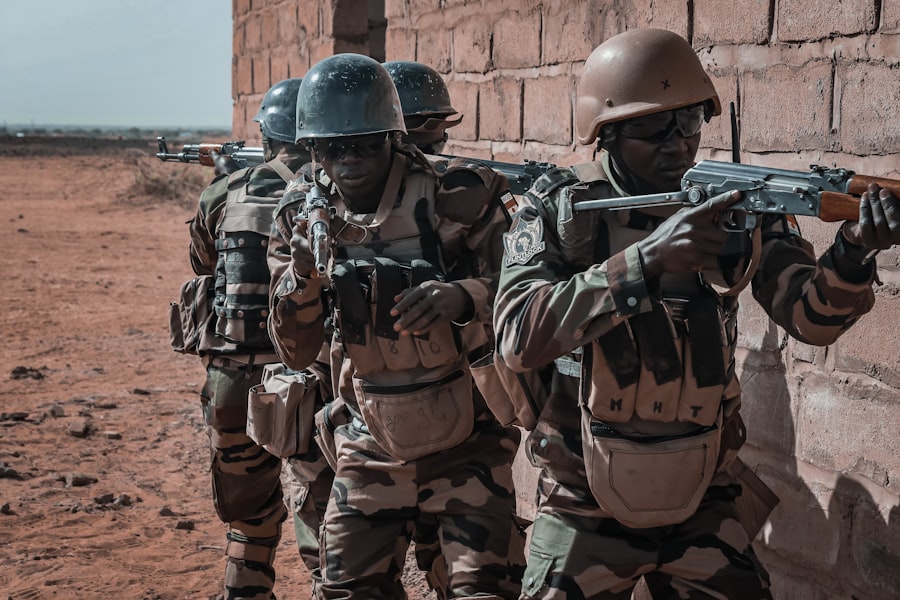
The psychological toll of the Iraq War extended far beyond the battlefield, affecting both soldiers and civilians in profound ways. For military personnel, exposure to combat situations, coupled with the stress of deployment and separation from loved ones, contributed to high rates of mental health issues such as PTSD, depression, and anxiety disorders. Many soldiers returned home grappling with invisible wounds that impacted their ability to reintegrate into civilian life.
The stigma surrounding mental health issues often prevented them from seeking help, exacerbating their struggles. Civilians in Iraq faced their own psychological challenges amid the chaos of war. The constant threat of violence, loss of loved ones, displacement from homes, and disruption of daily life created an environment rife with trauma.
The long-term psychological effects on civilians included increased rates of anxiety disorders, depression, and other mental health issues that persisted long after active combat had ceased.
The Role of Media in Psychological Warfare
Media played a crucial role in the psychological warfare landscape during the Iraq War, serving as both a tool for propaganda and a platform for dissenting voices. Traditional media outlets reported on military operations, civilian casualties, and humanitarian crises, shaping public perceptions at home and abroad. The portrayal of events in Iraq influenced how citizens understood the conflict and its implications for national security.
Moreover, social media emerged as a powerful force in disseminating information rapidly and widely. Insurgent groups utilized platforms like Twitter and Facebook to spread their narratives, recruit followers, and showcase their actions. Conversely, coalition forces also harnessed social media to counter misinformation and promote positive stories about their efforts in Iraq.
This dynamic created a complex information environment where competing narratives battled for dominance, highlighting the importance of media literacy in understanding modern conflicts.
Counterinsurgency and the Psychological Battle for Hearts and Minds
Counterinsurgency strategies during the Iraq War emphasized the importance of winning hearts and minds as a means to achieve long-term stability. Military leaders recognized that military force alone would not suffice; instead, they needed to address underlying grievances within Iraqi society that fueled insurgency. This approach involved engaging with local communities through development projects, security initiatives, and efforts to build trust between civilians and military personnel.
However, counterinsurgency efforts faced significant challenges due to deep-seated mistrust between Iraqis and foreign forces. Many communities viewed coalition troops as occupiers rather than liberators, complicating efforts to foster cooperation.
As a result, while counterinsurgency strategies aimed at addressing psychological factors influencing conflict dynamics, their success often depended on genuine engagement with local populations and an understanding of their needs.
The Ethical Implications of Psychological Warfare in the Iraq War
The ethical implications surrounding psychological warfare tactics used during the Iraq War remain contentious topics among scholars, policymakers, and human rights advocates. Critics argue that many methods employed—such as coercive interrogation techniques or propaganda—violate fundamental human rights principles and ethical standards governing warfare. The use of fear tactics can also raise moral questions about the legitimacy of actions taken in pursuit of military objectives.
Furthermore, the blurred lines between psychological operations aimed at influencing enemy behavior versus those intended to manipulate civilian perceptions complicate ethical considerations. While some argue that psychological warfare is a necessary component of modern conflict strategy, others contend that it risks dehumanizing individuals involved—both combatants and civilians alike—by reducing them to mere targets for manipulation rather than recognizing their inherent dignity.
The Long-Term Psychological Consequences of the Iraq War
The long-term psychological consequences of the Iraq War are likely to reverberate for generations to come—impacting not only those directly involved but also shaping societal attitudes towards conflict itself. For veterans returning home from combat zones grappling with mental health issues like PTSD or depression may find it challenging to reintegrate into civilian life successfully; this can lead to strained relationships with family members or difficulties finding stable employment. In Iraq itself, ongoing instability continues to affect mental health outcomes among civilians who have endured years of violence and upheaval since 2003.
The legacy of trauma experienced by individuals who lived through war can manifest in various ways—ranging from increased rates of anxiety disorders among children growing up amidst conflict conditions to broader societal impacts such as diminished trust within communities or heightened sectarian tensions.
Lessons Learned: The Future of Psychological Warfare in Modern Conflict
As military conflicts evolve in complexity—often characterized by asymmetric warfare involving non-state actors—the lessons learned from psychological warfare tactics employed during the Iraq War will undoubtedly inform future strategies across various theaters globally. Understanding how psychological operations can shape perceptions while recognizing their ethical implications will be crucial for military planners moving forward. Moreover, integrating mental health considerations into military training programs may help prepare soldiers for potential psychological challenges they may face during deployments—ultimately fostering resilience among troops while promoting awareness around mental health issues within military culture itself.
As nations grapple with increasingly intricate conflicts requiring nuanced approaches beyond traditional combat strategies—psychological warfare will likely remain an essential component shaping outcomes on modern battlefields worldwide.
Psychological warfare played a significant role during the Iraq War, influencing both military strategy and civilian perceptions. For a deeper understanding of the tactics employed and their implications, you can explore a related article that discusses various aspects of psychological operations in conflict zones. For more information, visit this article.
WATCH THIS! 🚨 How the US Hunted and Captured Saddam Hussein!
FAQs
What is psychological warfare?
Psychological warfare refers to the use of various techniques and strategies to influence the perceptions, emotions, and behavior of opponents, often to weaken their morale and will to fight without direct physical confrontation.
How was psychological warfare used in the Iraq War?
During the Iraq War, psychological warfare included tactics such as propaganda broadcasts, leaflet drops, loudspeaker messages, and information campaigns aimed at undermining the morale of Iraqi forces and encouraging defections or surrender.
Who conducted psychological warfare operations in the Iraq War?
Psychological warfare operations were primarily conducted by coalition forces, including the United States military and its allies, often through specialized units such as psychological operations (PSYOP) teams.
What were the goals of psychological warfare in the Iraq War?
The main goals were to reduce enemy resistance, disrupt command and control, encourage desertion, and gain support from the local population by shaping perceptions and attitudes favorable to coalition objectives.
Did psychological warfare have a significant impact on the outcome of the Iraq War?
Psychological warfare contributed to the overall military strategy by weakening enemy morale and facilitating coalition advances, but it was one component among many, including conventional military operations and political efforts.
Were there any ethical concerns related to psychological warfare in the Iraq War?
Yes, ethical concerns included the potential for misinformation, manipulation of civilian populations, and the psychological impact on both combatants and non-combatants, raising questions about the limits and oversight of such operations.
What types of media were used in psychological warfare during the Iraq War?
Various media were used, including radio broadcasts, leaflets, loudspeakers, and later, digital platforms and social media to disseminate messages aimed at influencing Iraqi soldiers and civilians.
How did psychological warfare affect Iraqi civilians?
Psychological warfare sometimes aimed to protect civilians by encouraging them to avoid conflict zones or cooperate with coalition forces, but it also caused fear, confusion, and stress among the population.
Is psychological warfare still used in modern conflicts?
Yes, psychological warfare remains a key element of modern military strategy, evolving with technology to include cyber operations, social media campaigns, and other advanced methods of influence.