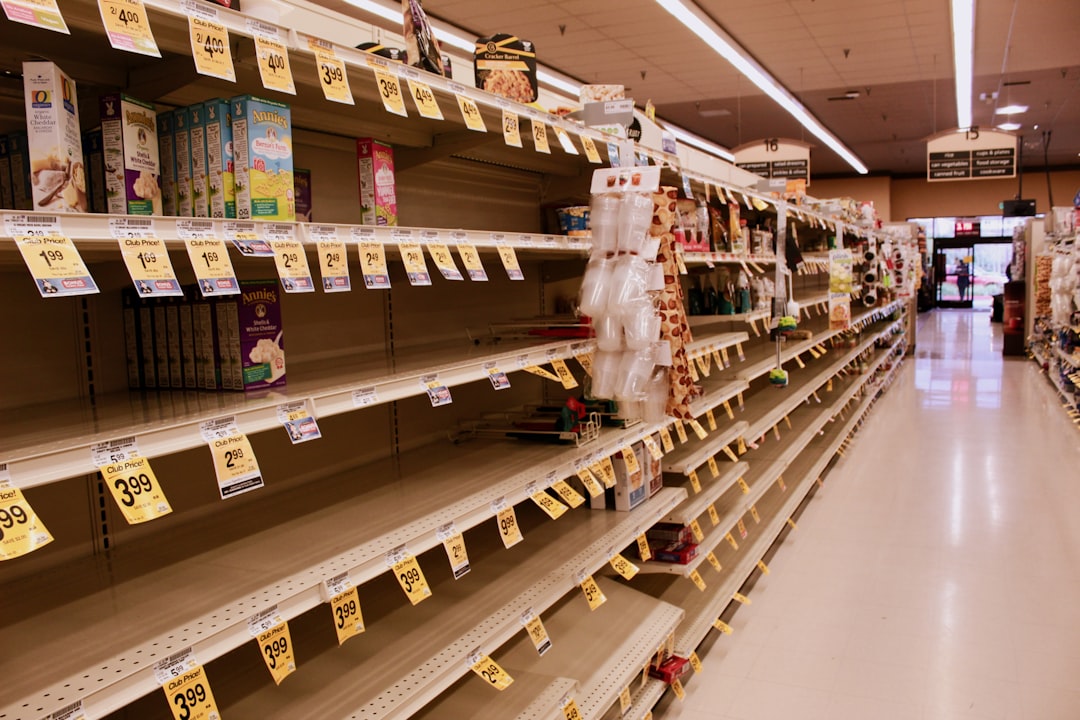
The sterile gleam of fluorescent lights, the rhythmic beep of scanners, the carefully curated aisles – these are the familiar hallmarks of the modern supermarket. Yet, behind the seemingly straightforward transaction of grocery acquisition lies a sophisticated interplay of psychology, meticulously designed to influence consumer behavior. This article delves into the power of subliminal shopping, exploring the psychological triggers employed by supermarkets to subtly guide purchases and maximize revenue. From the strategic placement of products to the subtle manipulation of sensory input, every element is designed to nudge shoppers towards desirable outcomes.
The physical arrangement of a supermarket is far from arbitrary. It is a carefully constructed environment, engineered to optimize flow, encourage browsing, and, inevitably, increase spending. The initial impression, the journey through the aisles, and the final destination at the checkout all represent opportunities for psychological influence.
The Strategic Placement of High-Demand Items
Essential goods, such as milk, bread, and eggs, are typically located at the rear of the store. This placement necessitates that shoppers navigate through a significant portion of the retail space, exposing them to a wider array of products. The longer a shopper remains in the store, the greater the probability of impulse purchases. This strategy leverages the inherent need for these staples to act as a catalyst for unplanned additions to the shopping cart. The mental fortitude required to bypass the temptations lining the path to the essentials is tested with every step.
The End Cap and Aisle Intersection Advantage
End caps, the display areas at the termination of aisles, are prime real estate in a supermarket. Products positioned here receive significantly more attention due to their visibility and accessibility. These displays often feature high-margin items, promotional products, or new arrivals, capitalizing on their prominent location to drive sales. Similarly, aisle intersections, where shoppers naturally pause and change direction, are also utilized for secondary displays, catching the eye and prompting further consideration. The visual “stop” created by these intersections serves as an opportune moment for a subtle product suggestion.
The Path of Least Resistance: Streamlining the Shopping Experience
While some elements are designed to encourage exploration, the overall flow of the store is often optimized for efficiency. Wide, clear aisles prevent bottlenecks and reduce frustration, allowing for a smoother, less taxing shopping experience. This ease of navigation can create a positive emotional state, making shoppers more receptive to marketing messages and less likely to abandon their carts due to inconvenience. The perceived effortlessness of the shopping journey can itself become a subtle endorsement of the store.
In exploring the fascinating world of supermarket psychology, one can gain deeper insights into the hidden triggers that influence consumer behavior. A related article that delves into this topic is available at Hey Did You Know This, where it discusses various strategies employed by retailers to enhance sales and create a more engaging shopping experience. Understanding these psychological tactics can empower consumers to make more informed choices while shopping.
The Sensory Symphony: Engaging Sight, Smell, and Sound
Supermarkets are not merely visual spaces; they are multisensory environments designed to evoke specific emotional responses and associations. The subtle manipulation of sights, sounds, and especially smells plays a crucial role in shaping the shopper’s perception and influencing their decisions.
The Allure of Ambient Lighting
The type and intensity of lighting within a supermarket are carefully controlled. Bright, direct lighting in produce sections enhances the freshness and vibrancy of fruits and vegetables, making them appear more appealing. More subdued, warmer lighting in other areas can create a more relaxed and inviting atmosphere, encouraging shoppers to linger. The psychological impact of lighting extends to color perception, with certain hues potentially triggering feelings of hunger or calm.
The Evocative Power of Aroma Marketing
The scent of freshly baked bread, roasting chicken, or even cinnamon wafting through the air is a powerful marketing tool. These aromas are deliberately introduced to stimulate appetite and create positive associations with the products, or with the store itself. This olfactory marketing taps into primal instincts, directly influencing a shopper’s desire and prompting them to seek out these enticing scents through purchase. The subtle diffusion of these scents is a silent, yet potent, persuader.
The Impact of Background Music
The genre and tempo of background music in a supermarket are not accidental. Upbeat, faster-paced music can encourage quicker movement through the aisles, potentially leading to more impulse buys as shoppers are rushed. Slower, more relaxed music can create a calmer atmosphere, inducing shoppers to spend more time browsing and, consequently, potentially purchasing more. The subtle influence of music on perceived time and urgency is a well-established psychological phenomenon.
The Psychology of Placement: Shelf Space and Product Dominance
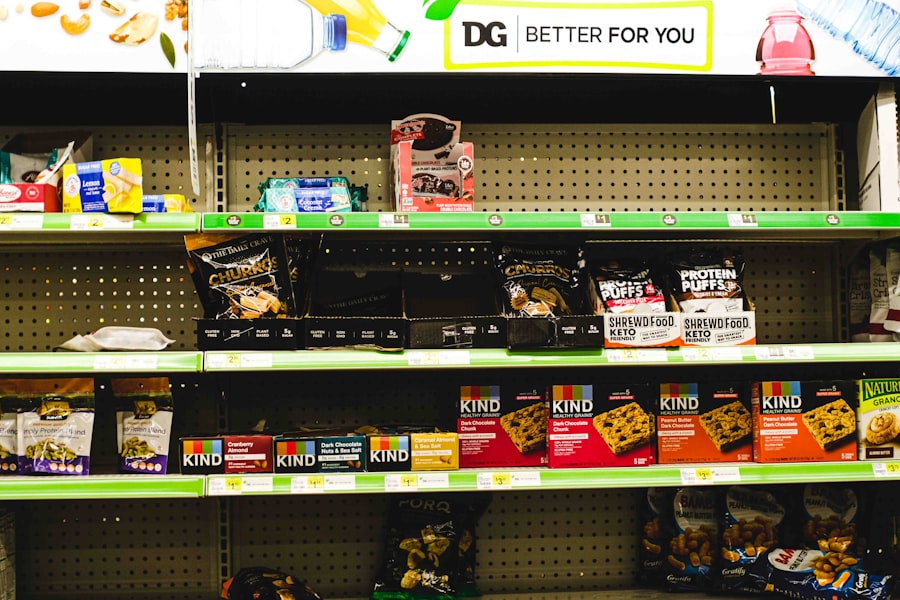
The physical space on the shelves is a finite and highly contested commodity. Supermarkets employ sophisticated strategies to determine which products occupy these coveted positions, leveraging principles of visual hierarchy and perceived value.
Eye-Level is Buy-Level
Products placed at eye level are statistically more likely to be noticed and purchased. This prime real estate is often reserved for higher-margin products, private label brands that the supermarket wishes to promote, or aggressively marketed national brands. Shoppers, by default, tend to look straight ahead when scanning shelves. This behavioral tendency is a primary driver of placement decisions, ensuring that key products are consistently within the primary field of vision. While not an overt command, this placement acts as a powerful subtle suggestion.
The Bottom Shelf Bargain Perception
Items placed on lower shelves are often perceived as cheaper or as bargain options. This is a deliberate strategy for brands that compete primarily on price or for products that are less of a priority for the retailer to push. For the shopper, the extra bending or crouching required can also create a subtle mental barrier, making these items a less immediate choice unless specifically sought after. The effort involved in reaching them can, for some, be subconsciously linked to a lower perceived value.
The Power of Prominence and Grouping
Products are often grouped by category, but within these categories, strategic placement further influences choices. Brands that pay for premium shelf placement, or those that are heavily promoted, will often be given more shelf facings or stand out through prominent displays. The sheer volume of a product presented can also create a perception of popularity and reliability, encouraging shoppers to opt for what appears to be the most widely chosen option. This creates a visual echo chamber of desirability.
The Art of Persuasion: Pricing, Promotions, and Packaging

Beyond the physical environment, the way products are presented, priced, and promoted plays an equally significant role in shaping consumer decisions. These psychological levers are deployed to create a sense of value, urgency, and desirability.
The Anchoring Effect of Pricing
The way prices are displayed can significantly influence perceived value. Prices that are displayed with a higher original price crossed out, revealing a lower “sale” price, utilize the anchoring effect. The higher original price serves as an anchor, making the sale price appear more attractive by comparison, even if the original price was inflated. Odd-even pricing, where prices end in .99 or .95, also plays on psychological perception, making prices seem significantly lower than they might be if rounded up. The psychological distance created by the decimal point can be surprisingly influential.
The Urgency of Limited-Time Offers
Limited-time offers and “while supplies last” promotions create a sense of urgency, compelling shoppers to make immediate decisions. This taps into the fear of missing out (FOMO) and can override rational deliberation. The perceived scarcity of the offer encourages impulse buying, as shoppers prioritize securing the perceived bargain before it disappears. The ticking clock, whether real or implied, is a powerful motivator.
The Psychological Appeal of Packaging
Product packaging is a critical element of silent communication. Vibrant colors, appealing imagery, and clear benefit statements are designed to grab attention and convey a specific message. Packaging can evoke emotions, suggest quality, and even influence taste perception. A well-designed package can make a product stand out on a crowded shelf and communicate its value proposition even before a shopper reads the label. The tactile experience of handling different packaging types can also contribute to a product’s perceived quality.
In exploring the fascinating world of consumer behavior, one can gain deeper insights into the hidden psychological triggers used by supermarkets to influence shopping habits. A related article that delves into this topic is available at Hey Did You Know This, where various strategies employed by retailers are discussed. Understanding these tactics can empower shoppers to make more informed choices while navigating the aisles.
The Digital Dimension: Online Supermarket Strategies
| Psychological Trigger | Description |
|---|---|
| Social Proof | Displaying popular products or showing how many people have bought a certain item can influence shoppers to make a purchase. |
| Scarcity | Creating a sense of urgency by highlighting limited stock or limited-time offers can drive customers to buy products quickly. |
| Anchoring | Using higher-priced items to make other products seem like a better deal, leading to increased sales of those items. |
| Color Psychology | Using specific colors to evoke certain emotions and influence purchasing decisions, such as using red to create a sense of urgency. |
| Placement of Products | Strategically placing high-profit items at eye level or near the checkout can increase their sales. |
The principles of subliminal shopping are not confined to brick-and-mortar stores; they have seamlessly transitioned into the digital realm of online grocery shopping Websites and apps. The virtual aisles employ a parallel set of psychological triggers to guide consumers.
Algorithmic Recommendations and Personalization
Online platforms utilize sophisticated algorithms to analyze browsing history, purchase patterns, and demographic data. This allows them to generate personalized recommendations, presenting shoppers with products they are statistically likely to be interested in. These “you may also like” sections and curated lists act as digital end caps and strategically placed aisle displays, subtly suggesting new items and encouraging exploration based on past behavior. The data-driven nature of these recommendations makes them remarkably effective.
The Illusion of Choice and “Frequently Bought Together”
Online retailers often present a vast array of choices, which can be overwhelming. However, they also employ strategies to narrow down these choices through curated bundles and “frequently bought together” suggestions. These groupings leverage social proof and convenience, implying that these combinations are popular and logical. This can simplify the decision-making process and subtly steer shoppers towards pre-determined product pairings, increasing the average order value. The convenience of pre-selected pairings can be a powerful draw.
The Impact of Visual Merchandising Online
Even in a digital space, visual merchandising is paramount. High-quality product images, clear descriptions, and prominent display of sale prices contribute to the online shopping experience. “Hero images” and prominent banners for promotions are the digital equivalent of end-cap displays. The arrangement and presentation of products on a webpage mirror the physical store’s layout, aiming to draw the eye and encourage clicks and additions to the virtual cart. The ease with which items can be added or removed from a cart online also adds another layer to the psychological manipulation.
FAQs
What are hidden supermarket psychological triggers?
Hidden supermarket psychological triggers are subtle tactics used by supermarkets to influence consumer behavior and encourage spending. These triggers can include everything from store layout and product placement to pricing strategies and sensory cues.
How do supermarkets use psychological triggers to influence consumer behavior?
Supermarkets use a variety of psychological triggers to influence consumer behavior, such as placing high-profit items at eye level, creating a sense of urgency with limited-time offers, and using pleasant scents and music to create a positive shopping environment.
What are some common examples of hidden psychological triggers in supermarkets?
Common examples of hidden psychological triggers in supermarkets include strategically placing essential items at the back of the store to encourage customers to walk through the entire store, using bright colors and signage to draw attention to promotions, and offering free samples to stimulate impulse purchases.
How can consumers recognize and resist these psychological triggers?
Consumers can recognize and resist hidden psychological triggers in supermarkets by creating a shopping list and sticking to it, being mindful of their surroundings and not falling for impulse purchases, and being aware of common tactics used by supermarkets to influence behavior.
Are there any regulations or guidelines in place to prevent supermarkets from using psychological triggers?
There are no specific regulations or guidelines in place to prevent supermarkets from using psychological triggers. However, some consumer advocacy groups and researchers have called for greater transparency and ethical considerations in the use of these tactics.