The testing of nuclear weapons has left an indelible mark upon the Earth, its inhabitants, and the geopolitical landscape. This article delves into the multifaceted consequences of these detonations, examining their environmental, health, social, and political ramifications. From the barren atolls to the enduring legacies of radiation exposure, the impact is comprehensive and long-lasting, a sobering testament to humanity’s capacity for both scientific advancement and destructive power.
Nuclear weapons tests have unleashed a cascade of environmental damage, fundamentally altering ecosystems and leaving behind a legacy of contamination. The sheer force of these explosions, particularly atmospheric and underwater tests, created immediate and dramatic changes, while the subsequent release of radionuclides has had more insidious, long-term effects.
Atmospheric Contamination and Fallout
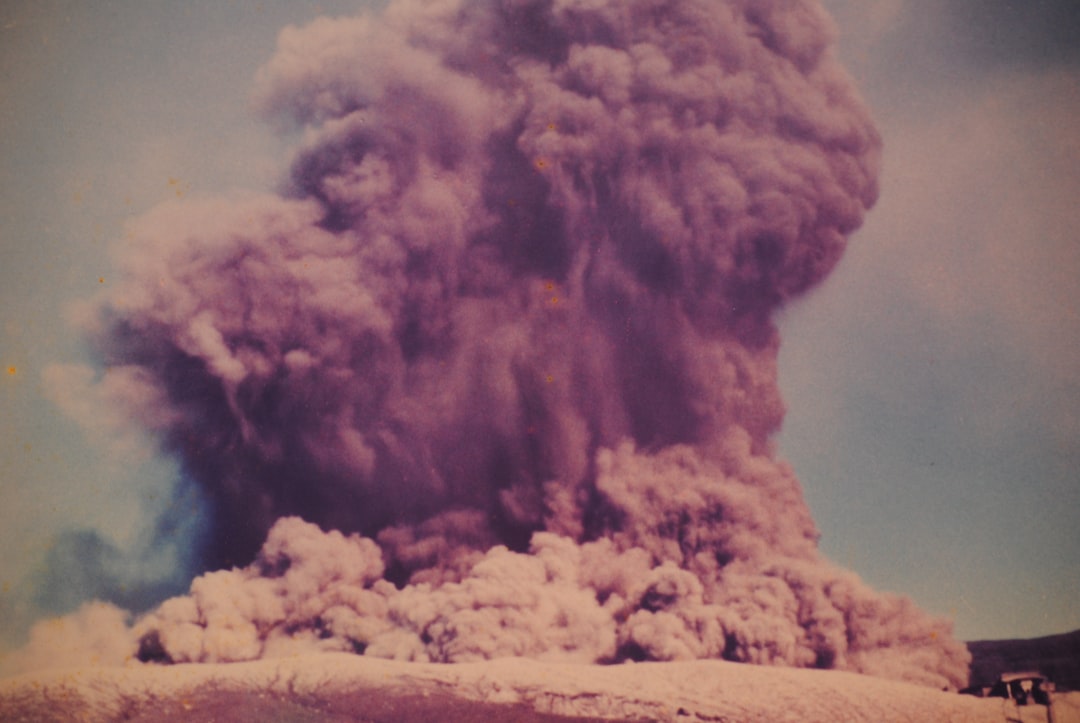
One of the most widely recognized impacts is the dispersal of radioactive fallout. When nuclear weapons are detonated in the atmosphere, a mushroom cloud forms, carrying pulverized earth, water, and radioactive byproducts high into the stratosphere. These particles are then dispersed globally by prevailing winds, eventually settling on the Earth’s surface. This process is akin to a deadly, invisible rain, coating everything in its path.
- Global Distribution: Fallout is not confined to the immediate test site. Historical data, even from tests conducted decades ago, shows detectable levels of radionuclides like Strontium-90 and Cesium-137 across continents, even in areas far removed from the test locations. These isotopes, with their varying half-lives, persist in the environment for decades or even centuries.
- Soil and Water Contamination: Once deposited, fallout contaminates soil, entering the food chain through plant uptake and animal consumption. It also infiltrates water sources, posing risks to aquatic life and human populations reliant on these supplies. The biological magnification of these radionuclides through the food chain can lead to higher concentrations in apex predators.
- Ecological Disruptions: Beyond direct contamination, the initial blast and thermal radiation from above-ground tests can devastate local flora and fauna. Forests have been incinerated, marine ecosystems disrupted by underwater blasts, and animal populations displaced or annihilated. The delicate balance of these environments can be irrevocably altered.
Terrestrial and Marine Ecosystem Degradation
The localized impacts of nuclear testing are often stark and enduring, transforming vibrant landscapes into barren wastelands.
- Crater Formation: Underground and surface detonations create massive craters, literally reshaping the Earth’s surface. The Sedan Crater in Nevada, for example, is over 390 meters in diameter and 98 meters deep, a permanent scar on the landscape. These formations can disrupt groundwater flows and create new, often unstable, geological features.
- Habitat Destruction: Test sites, particularly those used for multiple detonations, have experienced extensive habitat destruction. Vegetation is obliterated, soil rendered infertile, and entire ecosystems are often unable to recover naturally for extended periods due to the combination of physical damage and residual radioactivity.
- Marine Contamination: Underwater tests, while less frequent, pose unique threats to marine environments. The immense shockwaves can kill marine life over vast areas, while the release of radionuclides contaminates ocean waters, sediments, and benthic organisms. The long-lived isotopes can accumulate in fish and other marine life, posing risks to human consumers. The infamous Bravo test at Bikini Atoll, for instance, spread radioactive material over an unprecedented oceanic expanse, affecting fishing fleets and local populations.
Nuclear weapons testing has been a significant concern for global security and environmental safety since the mid-20th century. The implications of these tests extend beyond immediate military strategy, affecting international relations and public health. For a deeper understanding of the historical context and ongoing debates surrounding nuclear testing, you can read a related article that explores various aspects of this critical issue. Check it out here: Nuclear Weapons Testing: A Historical Overview.
Human Health Impacts
The health consequences of nuclear weapons testing are profound and long-lasting, primarily stemming from exposure to ionizing radiation. These impacts manifest in various forms, affecting both directly exposed populations and subsequent generations.
Radiation Exposure and its Effects
Exposure to ionizing radiation, whether from direct blast, immediate fallout, or long-term environmental contamination, can have severe and often fatal health consequences.
- Acute Radiation Syndrome (ARS): Individuals near a detonation or exposed to high levels of immediate fallout can suffer from ARS, a severe illness characterized by nausea, vomiting, diarrhea, hair loss, and damage to bone marrow and the gastrointestinal tract. Survival rates depend on the dose received.
- Increased Cancer Incidence: One of the most well-documented long-term health effects is an elevated risk of various cancers, including leukemia, thyroid cancer, lung cancer, and breast cancer. Studies of “downwinders” – individuals living downwind of test sites – and atomic bomb survivors consistently show significantly higher rates of these diseases. The latency period for some cancers can be decades, making direct attribution challenging but statistically compelling.
- Genetic Mutations and Birth Defects: Radiation can damage DNA, leading to genetic mutations. While the direct inheritance of radiation-induced mutations in humans is a complex and sometimes debated topic, studies on populations exposed to high radiation levels, particularly in utero, have indicated increased rates of birth defects, developmental abnormalities, and intellectual disabilities. It is a grim whisper of the bomb’s destructive reach across generations.
Psychosocial Impacts
Beyond the purely physical, nuclear testing has inflicted profound psychological and social wounds on affected communities.
- Displacement and Loss of Livelihoods: Many communities, particularly indigenous populations in test regions, were forcibly displaced from their ancestral lands. This not only severed cultural ties but also destroyed traditional livelihoods, leading to economic hardship and a profound sense of loss. The inhabitants of Bikini Atoll, for example, have been unable to return to their home island due to persistent contamination.
- Fear and Anxiety: The constant threat of nuclear testing, the secrecy surrounding the detonations, and the subsequent health uncertainties have created pervasive fear and anxiety within affected populations. The invisible nature of radiation often fosters a sense of helplessness and distrust in authorities.
- Intergenerational Trauma: The legacy of nuclear testing can be understood as an intergenerational trauma, particularly for indigenous groups. The experiences of displacement, illness, and environmental degradation are passed down through families, influencing cultural identity, community cohesion, and mental health for decades. It is a shadow that stretches far beyond the initial flash.
Geopolitical Implications
The era of nuclear weapons testing was not merely a scientific endeavor; it was deeply intertwined with Cold War politics, global power dynamics, and the pursuit of strategic advantage.
Nuclear Arms Race and Proliferation
The testing of nuclear weapons was a central driving force behind the nuclear arms race, a relentless competition between nuclear powers to develop and deploy ever more destructive arsenals.
- Demonstration of Capability: Each successful test served as a dramatic demonstration of a nation’s technological prowess and military might. These displays were intended to deter adversaries and reassure allies, but they also fueled a cycle of escalating development.
- Quantitative and Qualitative Arms Race: The arms race involved both increasing the sheer number of warheads (quantitative) and improving their design, yield, and delivery systems (qualitative). Each innovation by one power often spurred a similar effort by its rivals, creating a seemingly endless loop of testing and counter-testing.
- Motivation for Proliferation: The possession of nuclear weapons by a few nations inevitably created a desire among others to acquire them. Observing the perceived strategic advantages held by nuclear states, some non-nuclear nations sought their own capabilities, leading to concerns about horizontal proliferation.
International Treaties and Disarmament Efforts
Recognizing the dangers of unbridled testing and proliferation, the international community has made efforts to control and eventually eliminate nuclear weapons through treaties and disarmament initiatives.
- Limited Test Ban Treaty (LTBT, 1963): This landmark treaty prohibited nuclear weapons tests in the atmosphere, outer space, and under water, responding to growing public concern about radioactive fallout. While it drove testing underground, it represented a crucial step towards curbing the most immediate environmental impacts.
- Non-Proliferation Treaty (NPT, 1968): The NPT is the cornerstone of the nuclear non-proliferation regime. It aims to prevent the spread of nuclear weapons, promote cooperation in the peaceful uses of nuclear energy, and further the goal of achieving nuclear disarmament. Its effectiveness is debated, but it remains a vital legal framework.
- Comprehensive Nuclear-Test-Ban Treaty (CTBT, 1996): This treaty bans all nuclear explosions, for military or civilian purposes. Although widely supported, it has not yet entered into force due to the non-ratification of a few key states. Its full implementation would close the remaining legal loopholes for testing.
Economic and Resource Costs

The development and testing of nuclear weapons incurred colossal economic and resource costs, diverting vast sums from other potential public investments.
Infrastructure Development and Maintenance
The establishment of nuclear test sites and associated facilities required an immense expenditure of capital and labor, creating a dedicated industry.
- Test Facilities: Entire complexes, such as the Nevada Test Site, were constructed with specialized infrastructure for supporting detonations, monitoring results, and housing personnel. These included bunkers, laboratories, roads, and airfields.
- Scientific and Technical Personnel: A vast network of scientists, engineers, and technicians was employed in the design, development, and execution of nuclear tests. Their expertise represented a significant intellectual investment.
- Long-Term Stewardship: Even after testing ceased, the costs continue. Many former test sites require ongoing monitoring, environmental remediation, and security measures to manage the lingering dangers of contamination. It is a long-term debt to the environment.
Compensation and Rehabilitation
The ethical and legal responsibilities arising from the impacts of testing have led to efforts, often insufficient, to compensate affected populations.
- Medical Care: Governments have provided medical care and financial compensation to some individuals suffering from radiation-induced illnesses. However, proving a direct link between exposure and illness can be challenging, leading to difficulties in accessing assistance.
- Environmental Remediation Attempts: While complete decontamination of large areas is often impossible, some efforts have been made to clean up or contain radioactive materials at former test sites. These initiatives are complex, expensive, and often only partially successful.
- Displacement Recompense: In cases of forced displacement, some attempts have been made to offer resettlement assistance or financial compensation, though these are often viewed as inadequate by the affected communities, who have lost not just land but a way of life.
Nuclear weapons testing has long been a contentious issue, raising concerns about global security and environmental impacts. The historical context of these tests reveals a complex interplay between nations striving for power and the international community’s efforts to promote disarmament. For those interested in exploring this topic further, a related article provides insights into the implications of nuclear testing on international relations and public health. You can read more about it in this informative piece on nuclear weapons testing.
Legacy and Future Implications
| Year | Country | Number of Tests | Test Type | Maximum Yield (kilotons) | Location |
|---|---|---|---|---|---|
| 1945 | USA | 1 | Atmospheric | 20 | Trinity, New Mexico |
| 1952 | UK | 1 | Atmospheric | 25 | Monte Bello Islands, Australia |
| 1961 | USSR | 1 | Atmospheric | 50,000 | Novaya Zemlya |
| 1962 | USA | 1 | Atmospheric | 15,000 | Nevada Test Site |
| 1998 | India | 5 | Underground | 45 | Pokhran |
| 1998 | Pakistan | 6 | Underground | 40 | Chagai Hills |
The era of nuclear weapons testing, though largely concluded, continues to cast a long shadow, informing contemporary disarmament efforts and shaping our understanding of environmental stewardship.
Enduring Contamination and Monitoring Needs
The radionuclides released during testing have half-lives ranging from days to hundreds of thousands of years, meaning radioactive contamination persists in many areas.
- Long-Lived Isotopes: Isotopes like Plutonium-239 have half-lives of over 24,000 years, ensuring their presence in affected environments for geological timescales. This necessitates perpetual monitoring and management.
- Bioaccumulation and Food Chain Contamination: The slow process of radionuclides entering and moving through the food chain means that potential health risks can persist for generations, even in seemingly “safe” areas.
- International Monitoring Systems: The CTBT established an international monitoring system to detect any future nuclear explosions, demonstrating a global commitment to preventing further testing. This network collects seismic, hydroacoustic, infrasound, and radionuclide data, acting as the world’s ears and eyes for nuclear deterrence.
Lessons for Future Generations
The history of nuclear weapons testing offers crucial lessons for humanity regarding the perils of unchecked technological development and the importance of international cooperation.
- The Cost of “Progress”: The environmental and human costs serve as a stark reminder that technological “progress” without ethical consideration can have devastating and irreversible consequences. It is a cautionary tale written in irradiated soil and diseased bodies.
- Disarmament Imperative: The lingering dangers underscore the imperative for nuclear disarmament. As long as these weapons exist, the potential for their use, accidental or intentional, remains, carrying with it the specter of unimaginable destruction.
- Environmental Responsibility: The contamination of vast areas emphasizes the critical need for environmental responsibility in all human endeavors. Our actions have cascading effects that can transcend immediate timeframes and geographical boundaries.
In conclusion, the impact of nuclear weapons testing is a complex tapestry woven from scientific achievement, political ambition, human suffering, and ecological degradation. It serves as a potent reminder of the interwoven nature of human actions and their profound consequences on both individuals and the planet. Addressing this legacy requires continued scientific vigilance, ethical reflection, and unwavering commitment to international peace and disarmament. The echoes of those powerful blasts resonate still, demanding our attention and guiding our path forward.
FAQs
What is nuclear weapons testing?
Nuclear weapons testing refers to the detonation of nuclear devices to evaluate their performance, yield, and effects. These tests help in the development and maintenance of nuclear arsenals.
When did nuclear weapons testing begin?
The first nuclear weapons test was conducted by the United States on July 16, 1945, at the Trinity site in New Mexico. This marked the beginning of the nuclear age.
What types of nuclear tests are there?
Nuclear tests can be atmospheric, underground, underwater, or in space. Atmospheric tests were common early on but have largely been banned due to environmental and health concerns.
What are the effects of nuclear weapons testing?
Nuclear testing can cause radioactive contamination, environmental damage, and health problems for people living near test sites. It also contributes to geopolitical tensions and arms races.
Are nuclear weapons tests still conducted today?
Most countries have ceased nuclear testing, and there is a global moratorium supported by the Comprehensive Nuclear-Test-Ban Treaty (CTBT). However, some nations have conducted tests in recent decades, though large-scale testing has largely ended.