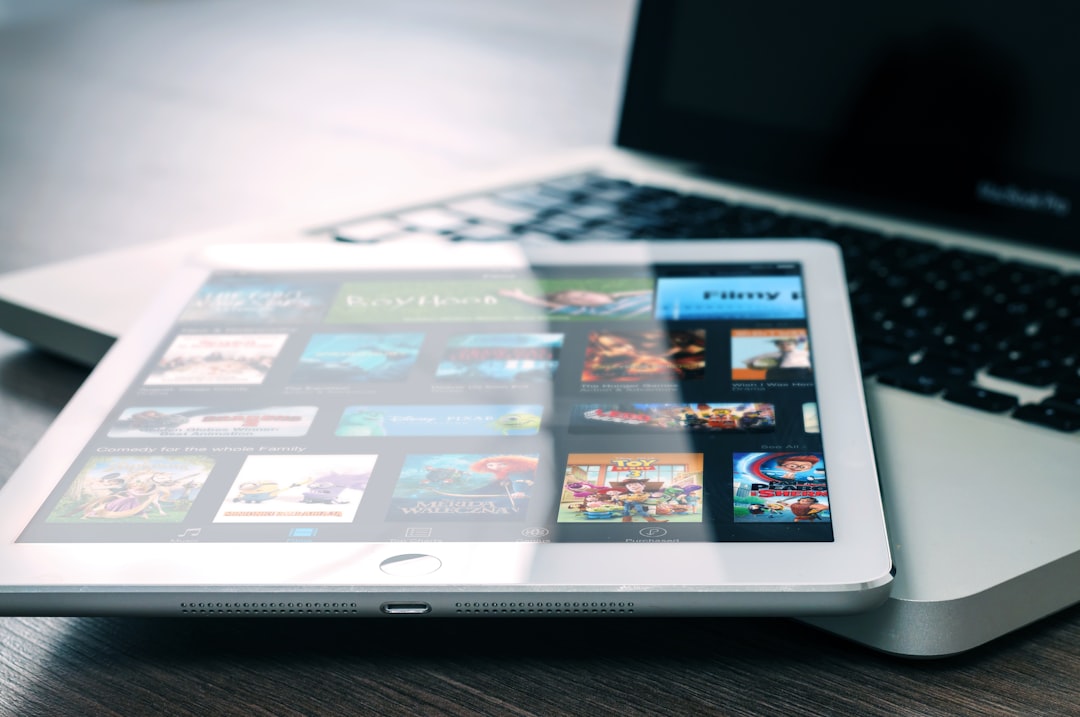
You might think you own your digital entertainment library. You meticulously curated lists, saved your favorite shows, and even bragged about your extensive collection. But let’s be brutally honest: you don’t own a single byte. You’re merely granted a temporary, conditional license to access content on streaming platforms, and they are masters at making you feel like you have more control than you actually do. This is the insidious illusion of ownership, and understanding it is the first step to reclaiming your digital autonomy.
You navigate a vast landscape of entertainment, a digital metropolis meticulously designed to keep you engaged. You spend hours browsing, adding titles to your watchlists, and interacting with the interface. This curated experience, however, is not built for your ultimate benefit, but for theirs.
The Deceptive Allure of the “My List” Feature
You see it as your personal vault, a testament to your tastes. Your “My List” or “Watchlist” feels like a tangible collection, a digital shelf you can revisit at your leisure. But this feature is a masterful piece of behavioral economics, designed to create a sense of possession and investment.
The Psychological Barnacle: Why You Cling to Your List
This isn’t just about remembering what you want to watch. The act of adding something to your list creates a psychological anchor. You’ve invested time and mental energy into categorizing this content. Letting it go, by having it disappear from the platform, feels like a loss, even if you never intended to watch it again. It’s the sunk cost fallacy at play, but applied to your digital identity.
The Phantom Collection: Content That Vanishes Without a Trace
You’ve experienced it. A show you were halfway through, a movie you were looking forward to, suddenly gone. The platform’s terms of service, those dense, unreadable documents you undoubtedly skimmed, grant them the unfettered right to remove any content at any time, for any reason. Your feeling of betrayal is entirely valid, yet completely predictable from their perspective. They don’t owe you continuity.
The Algorithmic Puppet Master: Steering Your Viewing Habits
You believe you’re making independent choices when you scroll through recommendations. You think you’re discovering new content based on your preferences. But the algorithms are far more sophisticated, and far more influential, than you realize.
The Echo Chamber Effect: Reinforcing Your Pre-Existing Biases
These algorithms are designed to show you more of what you’ve already watched. This creates a comforting, but ultimately limiting, echo chamber. You’re less likely to be exposed to diverse genres, challenging narratives, or content that might push your boundaries. The platform prioritizes what keeps you hooked, not what broadens your horizons.
The “You Might Also Like” Deception: A Subtle Form of Manipulation
That seemingly innocuous “You Might Also Like” section is a carefully constructed funnel. It’s not about genuinely expanding your taste; it’s about identifying adjacent content that has a high probability of keeping you on the platform. By presenting you with a narrow range of “similar” options, they subtly steer you away from exploring truly unfamiliar territory.
In today’s digital age, streaming platforms have become adept at manipulating our sense of possession, often making us feel as though we own the content we access, even though we are merely renting it. This phenomenon is explored in depth in a related article that discusses the psychological implications of streaming services on consumer behavior. For more insights on this topic, you can read the article here: How Streaming Platforms Manipulate Your Sense of Possession.
The Invisible Walls of Licensing: What You Can’t Take With You
Your perceived ownership crumbles when you examine the fundamental structure of streaming. It’s a library, not a personal collection, and the rules of borrowing are constantly shifting.
The Ephemeral Nature of Digital Rights: A Constant State of Flux
Content licensing is a complex, ever-changing beast. Agreements expire, studios reclaim rights, and new deals are struck. What you consider a permanent fixture in your digital life can evaporate overnight. This precariousness is inherent to the streaming model.
The “Availability Has Changed” Notification: A Polite Kick in the Digital Teeth
You’ve seen that notification: “[Title] is no longer available on [Platform Name].” It’s a polite, yet brutal, reminder of your lack of true ownership. The platform is absolving itself of responsibility, and you’re left with a phantom limb in your entertainment diet.
The Perennial Licensing Lottery: Who Controls What You Can Watch Next?
You are at the mercy of the licensing agreements between streaming services and content creators. This means your access to certain shows or movies is entirely dependent on which platform has the rights, and for how long. You might have access to a show on one service today, only to find it has moved to another tomorrow, forcing you to subscribe to yet another platform.
The Geographic Borders of Content: The World is Not Your Oyster
You might be traveling, or simply curious about what content is available elsewhere. But you’ll quickly discover that your digital library is geographically constrained. Content availability is dictated by licensing deals that vary on a country-by-country basis.
The Virtual Private Network (VPN) Workaround: A Temporary Band-Aid, Not a Solution
You might try using a VPN to access content from other regions, but this is a cat-and-mouse game. Platforms actively try to block VPNs, and engaging in this practice can even violate their terms of service. It’s a testament to your desire for ownership, but also a symbol of how restricted your access truly is.
The Illusion of Global Access: A Promise Unfulfilled
Streaming platforms often market themselves on the idea of global access, but this is a significant oversimplification. The reality is a patchwork of regional rights, leaving you with only a fraction of what might be available worldwide.
The Subscription Trap: Paying for Access, Not Possession
You pay a monthly fee for the privilege of accessing content. This subscription model creates the illusion of paying for a service that benefits you directly, but it’s a carefully constructed economic loop.
The Recurring Billing Cycle: A Constant Drain on Your Wallet
The subscription model is designed for predictable revenue. You are locked into a recurring payment, often without actively thinking about the value you’re receiving. This passive payment structure makes it easy for platforms to increase prices or introduce new tiers without significant subscriber pushback.
The “Addiction by Subscription”: The Comfort of the Familiar Bill
You’ve become accustomed to the monthly charge. It’s part of your budget. This familiarity, while convenient, also insulates you from questioning the true value. It’s easier to keep paying than to reassess your needs and potentially cancel.
The Tiered Tiers: The Art of Charging More for What You Already “Had”
Many platforms now offer multiple subscription tiers, each with progressively more features or higher streaming quality. This is a cunning strategy to extract more revenue from your willingness to pay for convenience or a slightly better experience, effectively asking you to pay more for what was once bundled.
The Bundling of Services: The Unseen Costs of “Convenience”
You might subscribe to a bundle of services, believing you’re getting a good deal. However, these bundles can mask the true cost of individual services and often include content you have no interest in.
The “We Think You’ll Like This Too” Up-sell: Beyond Your Actual Needs
Often, bundles are designed to introduce you to new services you might not otherwise explore. This can be a genuine benefit, but it also serves as a platform for upselling and can dilute your focus on the content you actually desire.
The Unused Subscriptions: The Silent Thief of Your Money
How many subscription services do you actually use regularly? The convenience of bundling can lead to subscriptions you forget about, or services that are only sporadically utilized. This is a silent drain on your finances, all while you believe you’re being efficient.
The Evolving Landscape of Digital Rights: Where Do You Stand?
The legal and technological landscape surrounding digital ownership is in constant flux. You are on the front lines of this evolution, whether you realize it or not.
The “Digital Millennium Copyright Act” (DMCA) and Its Implications
Legislation like the DMCA, while intended to protect creators, also has implications for how you interact with digital media. It can be used to restrict circumvention of technological protection measures, limiting your ability to archive or preserve content.
The Legal Tightrope: Your “Fair Use” Rights in a Digital World
Your ability to use copyrighted material for purposes like criticism or commentary, known as “fair use,” becomes increasingly complex in the digital realm. The DRM implemented by platforms can make it difficult, if not impossible, to exercise these rights.
The Future of Ownership: Will It Ever Be Yours?
The current trajectory suggests a continued shift towards access-based models rather than true ownership. The question remains: will there ever be a viable alternative that gives consumers genuine control over their digital media?
The Rise of Blockchain and NFTs: A Glimmer of Hope or Another Illusion?
Emerging technologies like blockchain and NFTs are being touted as potential solutions for digital ownership. However, it’s crucial to approach these with a critical eye.
The “Ownership” of a Token: What Does It Truly Mean?
While NFTs can represent ownership of a digital asset, the underlying content is often still subject to licensing agreements. Owning an NFT of a movie doesn’t necessarily grant you the right to watch it independently of a streaming platform.
The Specter of Decentralization: Can It Escapethe Control of the Moguls?
The promise of decentralized platforms is appealing, offering the potential to bypass traditional gatekeepers. However, the practical implementation and widespread adoption of such models are still uncertain, and the risk of new forms of control and manipulation remains.
Streaming platforms have become adept at manipulating our sense of possession, making us feel a strong connection to the content we consume. This phenomenon is explored in detail in a related article that discusses how these services create a sense of urgency and exclusivity around their offerings. By employing tactics such as limited-time releases and personalized recommendations, they effectively enhance our emotional investment in the content. For more insights on this topic, you can read the article here.
Reclaiming Your Digital Agency: Strategies for the Savvy Consumer
| Platform | Manipulative Technique | Effect on Sense of Possession |
|---|---|---|
| Netflix | Auto-play next episode | Creates a sense of continuity and ownership over the series |
| Amazon Prime Video | Recommended for you | Encourages users to feel a personal connection to suggested content |
| Hulu | Limited time availability | Urges viewers to watch before content is removed, creating a sense of urgency and possession |
Understanding these illusions is the first step. Now, you need to develop strategies to navigate this landscape and regain a modicum of control.
The Art of Disengagement: Breaking the Cycle of Passive Consumption
You have more power than you think when it comes to your subscription habits. Consciously choosing what to subscribe to and when can have a significant impact.
The “Rotation” Method: Maximizing Your Value, Minimizing Your Spend
Instead of subscribing to every service year-round, consider rotating your subscriptions. Subscribe to a service for a month or two, binge your desired content, and then cancel, moving on to another. This requires more active management but can save you a significant amount of money.
The Power of the Pause: Taking a Break from the Infinite Scroll
Don’t be afraid to take breaks from streaming altogether. Step away from the constant barrage of content. This allows you to reassess your needs and avoid the feeling of being compelled to watch simply because it’s available.
The Importance of Physical Media: Tangible Assets in a Digital World
While the trend is towards digital, physical media still offers a form of genuine ownership.
The Resurgence of Vinyl and Blu-ray: A Nostalgic, Yet Practical, Choice
Buying physical copies of movies or music means you own them outright. You can watch or listen to them whenever and wherever you choose, without worrying about licensing agreements or platform availability. This offers a sense of permanence and control that digital streaming often lacks.
The Challenge of Preservation: Ensuring Your Collection Endures
The challenge with physical media lies in its preservation. However, compared to the ephemeral nature of digital licenses, a well-maintained physical collection offers a concrete form of tangible ownership.
Advocating for Change: Using Your Voice as a Consumer
Your individual actions are important, but collective action can also drive change.
Supporting Independent Creators and Platforms: A Niche, But Viable, Alternative
Seek out independent streaming platforms or creators who offer direct sales or more transparent ownership models. While these may not have the same blockbuster content, they represent a step towards a more consumer-friendly future.
The Digital Rights Movement: Educating Yourself and Others
Educating yourself and others about the illusion of digital ownership is crucial. Engage in discussions, share information, and support organizations advocating for greater consumer rights in the digital space. You might be paying for access, but understanding that access is not ownership is your first, and most important, act of digital liberation.
FAQs
What are streaming platforms?
Streaming platforms are online services that allow users to access and watch video content over the internet. Examples of popular streaming platforms include Netflix, Hulu, Amazon Prime Video, and Disney+.
How do streaming platforms manipulate your sense of possession?
Streaming platforms manipulate your sense of possession by offering a vast library of content that is easily accessible and available for temporary viewing. This can create a feeling of ownership and attachment to the content, even though users do not physically own the content.
What are some tactics used by streaming platforms to manipulate your sense of possession?
Some tactics used by streaming platforms to manipulate your sense of possession include personalized recommendations, binge-watching features, and the ability to create watchlists. These tactics can make users feel more connected to the content and increase their sense of possession.
What are the potential effects of streaming platforms manipulating your sense of possession?
The potential effects of streaming platforms manipulating your sense of possession include increased attachment to the platform, decreased willingness to cancel subscriptions, and a distorted perception of ownership of the content. This can also lead to increased consumption of content and potentially impact consumer behavior.
How can users protect themselves from the manipulation of streaming platforms?
Users can protect themselves from the manipulation of streaming platforms by being mindful of their viewing habits, setting limits on their screen time, and being aware of the tactics used by the platforms to manipulate their sense of possession. Additionally, users can consider diversifying their sources of entertainment and being selective about the content they consume.