
The cinematic portrayal of professional assassins often diverges significantly from the realities of their clandestine trade. For decades, Hollywood has cultivated a romanticized and frequently inaccurate image of these individuals, presenting them as stylish, morally ambiguous figures operating within a highly stylized underworld. This manufactured persona, while entertaining, obscures the often grim, mundane, and ethically compromised nature of real-world assassination. The silver screen’s assassins are rarely depicted undergoing the grueling psychological toll, the constant paranoia, or the logistical nightmares that would realistically define such a profession. Instead, they are afforded a glamour and efficacy that borders on the supernatural, a narrative crutch that perpetuates a dangerous myth.
One of the most persistent Hollywood tropes is the assassin who is a master of disguise, a chameleon capable of blending seamlessly into any environment. While a degree of surreptitiousness is essential, the theatrical transformations seen in films are largely fictional. Real operatives prioritize anonymity over elaborate alterations. Their success hinges on remaining unseen and unrecorded, not on sporting a suddenly different wig and accent for each mission.
Blending In vs. Becoming Someone Else
Hollywood often depicts assassins undergoing drastic physical transformations, complete with prosthetics, extensive makeup, and even voice modulation. This is a dramatic convenience that allows the narrative to pivot without the audience losing track of the protagonist. In reality, the objective is to occupy existing spaces without drawing attention. This involves meticulous observation, understanding social cues, and adopting an unremarkable persona that doesn’t stand out. A well-placed operative is not someone who is conspicuously disguised, but someone who is entirely overlooked.
The Illusion of Perfect Escape
The ability of on-screen assassins to vanish into thin air after completing a mission is another hallmark of the Hollywood myth. This often involves pre-planned escapes, often involving rapid vehicle changes and seemingly insurmountable obstacles overcome with improbable ease. While escape planning is critical in espionage and clandestine operations, the seamlessness portrayed is rarely achievable in the chaotic reality of the real world. Loose ends, unexpected witnesses, and unpredictable security measures are the norm, not the exception.
The Shadow of Surveillance
Modern surveillance technology, from ubiquitous CCTV to facial recognition software, presents a formidable challenge to any clandestine operation. Hollywood often conveniently omits or downplays the pervasive nature of this technology, allowing assassins to move and operate with a freedom that would be virtually impossible today. The idea of an assassin walking away from a crime scene unnoticed, or evading a city-wide manhunt with casual ease, is a narrative construct designed to facilitate the plot.
The portrayal of professional assassins in Hollywood often blurs the lines between reality and fiction, leading many to believe in the existence of highly skilled, covert operatives who execute contracts with precision and ease. However, an insightful article titled “Why Professional Assassins Are a Hollywood Myth” delves into the misconceptions surrounding this profession, highlighting the stark differences between cinematic representations and real-life scenarios. For a deeper understanding of this topic, you can read the article here: Why Professional Assassins Are a Hollywood Myth.
The Moral Maze: Hollywood’s Ambiguous Hitmen
The moral ambiguity of the Hollywood assassin is a central element of their allure. They are often portrayed as having a code, a set of principles that guide their actions, even if those actions are lethal. This allows audiences to connect with them on some level, to root for them despite their profession. This moral grayness, however, often serves to sanitize the act of killing, presenting it as a regrettable necessity rather than a grave moral transgression.
The “Professional” Distinction
Films frequently distinguish between the “professional” assassin and the common criminal. The former is depicted as precise, disciplined, and detached, motivated by financial gain or a specific contract. This professionalism is sometimes framed as a virtue, implying a level of skill and restraint absent in more impulsive killers. This distinction is largely a Hollywood invention, designed to imbue the character with a certain nobility or at least a comprehensible, albeit dark, logic.
The “Good Guy” Assassin
A particularly prevalent trope is the assassin who, despite their profession, possesses a core of goodness. They might be a former operative seeking redemption, or someone forced into the life due to circumstance. These characters often end up fighting for justice or protecting the innocent, blurring the lines between killer and hero. This narrative arc is designed to make the audience comfortable with the protagonist’s violent actions, reframing them as necessary evils in the pursuit of a greater good.
The Absence of True Guilt
While movie assassins may express moments of regret or introspection, they rarely grapple with the profound psychological burden that would accompany the systematic taking of human life. The immense guilt, the potential for post-traumatic stress, and the constant fear of retribution are often glossed over in favor of a cool, unflappable demeanor. This emotional detachment allows for more action sequences and less introspection, a trade-off prioritizing spectacle over psychological realism.
The Skills of the Fictional Assassin

The skill sets attributed to Hollywood assassins are often superhuman. They possess an uncanny ability to adapt to any situation, master any weapon, and outwit any adversary. These exaggerated capabilities are essential for maintaining the narrative tension and ensuring the protagonist’s survival, but they bear little resemblance to the practical skills required in the real world.
Marksmanship Legends
The precision and accuracy of on-screen snipers are legendary. They can hit targets at extreme distances, through moving vehicles, and in challenging weather conditions, often with a single, perfectly placed shot. While elite military snipers possess remarkable skills, the level of consistent, flawless performance depicted in films is a significant exaggeration. Real-world ballistics, environmental factors, and the inherent unpredictability of human targets make such constant perfection improbable.
The Fencing Virtuoso
Close-quarters combat in Hollywood often features assassins engaging in elaborate hand-to-hand battles, employing martial arts and improvised weaponry with devastating effect. While physical combat skills are certainly relevant, the choreographed dance of violence seen on screen is far removed from the brutal, clumsy, and often short-lived reality of real altercations. The focus is on stylish movements and dramatic throws, not on the raw, desperate struggle for survival.
Technical Prowess and Gadgetry
From hacking complex security systems in seconds to improvising explosive devices from everyday objects, Hollywood assassins are often portrayed as possessing an encyclopedic knowledge of technology and engineering. While technical expertise can be a valuable asset, the speed and ease with which on-screen characters manipulate complex systems are largely fictional. Such feats often require extensive planning, specialized equipment, and considerable time, elements that would slow down the pacing of a typical action film.
The Business of Killing: A Myth of Efficiency
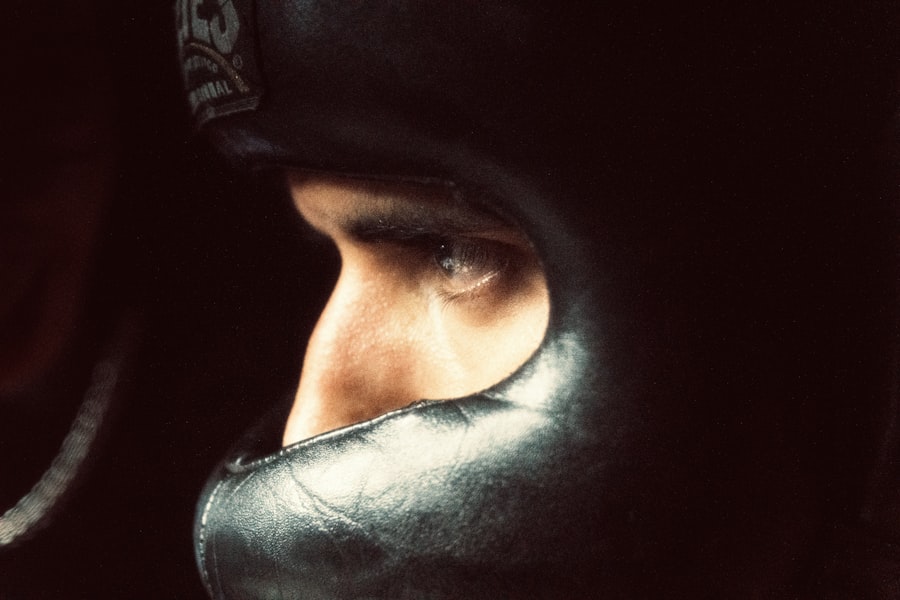
The business aspect of assassination is a subject that Hollywood rarely delves into with any genuine depth. The focus is typically on the execution of the contract, not the intricate network of logistics, payments, and risk management that would be inherent to such an enterprise. The myth of the efficient, well-oiled operation ignores the inherent instability and danger of such a clandestine industry.
The Anonymous Client
Clients who hire assassins in films are often shadowy figures, their identities masked and their motivations opaque. The transaction is usually depicted as a simple exchange of information and payment. In reality, the criminal underworld is rife with deception, betrayal, and unreliable figures. Trust, especially in high-stakes illegal enterprises, is a rare commodity, and the process of securing a reliable client and ensuring payment would likely be fraught with peril.
The Lack of Bureaucracy
The idea of a clean, organized assassination “agency” with clear protocols and predictable outcomes is a Hollywood construct. The reality of professional killing is likely far more fractured, localized, and rife with internal disputes and lack of oversight. The notion of a professional standard being universally applied across various independent operators is highly improbable.
The Financial Realities
While financial gain is often cited as a motivator, the true profit margins and the financial structures of professional killing are rarely explored. The risks involved—imprisonment, death, exposure—would necessitate extremely high compensation. The economics of the enterprise, viewed realistically, would likely be far less glamorous and far more predatory than depicted. The cost of bribes, information, and avoiding detection would also significantly impact profitability.
The portrayal of professional assassins in Hollywood often leads to misconceptions about their existence and methods, making them seem more glamorous and efficient than they truly are. For a deeper understanding of this topic, you can explore an insightful article that discusses the myths surrounding these figures and the reality of contract killing. This article sheds light on the complexities and moral dilemmas faced by those involved in such activities, revealing that the life of a professional assassin is far from the thrilling narratives depicted in films. To learn more about this fascinating subject, check out this related article.
The Legacy of the Myth: Perceptions and Realities
| Myth | Reality |
|---|---|
| Assassins are glamorous and stylish | In reality, assassins are often ordinary-looking individuals who blend in with their surroundings |
| Assassins always use high-tech gadgets and weapons | Most real-life assassinations are carried out using simple and easily accessible tools |
| Assassins have a code of honor | Professional assassins are motivated by money and personal gain, not a sense of honor or duty |
| Assassins can easily evade law enforcement | In reality, law enforcement agencies have sophisticated methods for tracking and apprehending assassins |
| Assassins are always successful | Real-life assassinations often fail due to unforeseen circumstances or mistakes |
The enduring popularity of the Hollywood assassin myth has undeniably shaped public perception. These fictional characters have become archetypes, influencing how we imagine the world of clandestine operations and the individuals who inhabit it. This romanticized view, however, can have detrimental consequences, obscuring the true nature of violence and the severe repercussions of taking a human life.
The Normalization of Violence
The constant depiction of stylized, consequence-lite violence can contribute to its normalization. When assassins are portrayed as cool, collected, and ultimately victorious, the grim reality of murder and its impact on victims and perpetrators is often diluted. The entertainment value eclipses the human cost, creating a disconnect between fictional portrayals and actual suffering.
The Glamorization of Crime
By presenting assassins as often heroic or at least relatable figures, films can inadvertently glamorize criminal activity. The allure of a dangerous, high-stakes lifestyle, coupled with exceptional skills and a flawed moral compass, can be an attractive proposition for some, particularly for younger audiences. This can lead to a distorted understanding of the consequences of engaging in illegal and harmful activities.
The Disconnect from Law Enforcement and Intelligence
The exaggerated capabilities of fictional assassins can also create unrealistic expectations regarding the effectiveness of law enforcement and intelligence agencies. The ease with which these characters evade capture or achieve their objectives can undermine the public’s understanding of the complex and often painstaking work involved in preventing and solving crimes. The persistent notion of an almost invincible assassin can make the challenges faced by real-world investigators seem trivial.
In conclusion, the Hollywood myth of the professional assassin is a potent blend of wish fulfillment and narrative convenience. It offers cathartic entertainment by presenting a controlled, often heroic, version of violence and criminality. Yet, this stylized reality stands in stark contrast to the likely grim, precarious, and morally corrosive existence of real individuals who engage in such acts. The cinematic assassin is a character designed to thrill, not to reflect, a fabrication that perpetuates a dangerous fascination with a dark, and largely misunderstood, profession.
FAQs
1. Are professional assassins a real phenomenon or just a Hollywood myth?
Professional assassins are largely a Hollywood myth. While there have been instances of individuals carrying out targeted killings for political or criminal reasons, the portrayal of highly skilled and glamorous assassins in movies and TV shows is not an accurate reflection of reality.
2. What are the common misconceptions about professional assassins?
One common misconception is that assassins are highly trained and skilled individuals who operate in the shadows with precision and efficiency. In reality, most targeted killings are carried out by individuals with personal motives or by organized crime groups, and they often lack the level of sophistication portrayed in media.
3. How do professional assassins differ from real-life perpetrators of targeted killings?
Professional assassins, as depicted in Hollywood, are often portrayed as cold, calculating, and highly skilled individuals who carry out killings with precision and without leaving a trace. In reality, most targeted killings are carried out by individuals with personal motives or by organized crime groups, and they often lack the level of sophistication portrayed in media.
4. What motivates individuals to carry out targeted killings in real life?
Real-life perpetrators of targeted killings are often motivated by personal grievances, financial gain, or involvement in criminal activities. These motivations differ significantly from the glamorous and mysterious motives often attributed to professional assassins in movies and TV shows.
5. What are the legal and ethical implications of targeted killings in real life?
Targeted killings, whether carried out by individuals or organized groups, raise significant legal and ethical concerns. These actions often violate laws related to murder and may also have broader implications for international law and human rights. Additionally, the use of targeted killings by governments and military forces has sparked debates about the legality and morality of such actions.