
Food labels in grocery stores frequently use misleading terminology that can obscure the actual nutritional content of products. Terms such as “light,” “healthy,” and “low-fat” are not strictly regulated and may not accurately represent a product’s nutritional profile. For example, a cereal marketed as “heart-healthy” may contain high levels of sugar and artificial additives despite its promotional claims.
Marketing language and industry jargon further complicate label interpretation.
This labeling practice can mislead consumers into believing they are selecting a more nutritious option.
To make informed dietary choices, consumers should examine the ingredient list and nutrition facts panel rather than relying solely on front-of-package marketing claims. The actual composition of a product, including sugar content, sodium levels, and ingredient quality, provides a more accurate assessment of its nutritional value than promotional language.
Key Takeaways
- Food labels often use deceptive language and serving sizes to mislead consumers about product healthiness.
- Terms like “natural” and “organic” can be confusing and are not always indicative of healthier options.
- Added sugars and artificial ingredients are commonly hidden in packaged foods, impacting overall nutrition.
- Marketing tactics heavily influence food labeling, affecting consumer perceptions and choices.
- Understanding how to read ingredient lists and nutritional information is crucial for making informed food decisions.
Understanding Serving Sizes on Food Labels
Serving sizes are another critical aspect of food labels that can easily mislead you. Often, the serving size listed on a package does not reflect the amount you would typically consume in one sitting. For example, a bag of chips may indicate that a serving size is just 10 chips, but you might find yourself eating half the bag without realizing it.
This discrepancy can significantly impact your perception of calories and nutritional content, leading you to underestimate your intake. Additionally, serving sizes can vary widely between products, making it challenging to compare similar items. One brand of yogurt may define a serving as 150 grams, while another brand might consider 200 grams as a serving.
This inconsistency can create confusion and make it difficult for you to make informed choices about portion control and overall dietary intake. To combat this issue, it is crucial to familiarize yourself with standard serving sizes and to be mindful of how much you are actually consuming versus what is suggested on the label. Learn about the surprising [foods banned in Europe](https://youtu.be/w1BTsG4Lb6E) and why they are prohibited.
Uncovering the Truth About “Natural” and “Organic” Labels
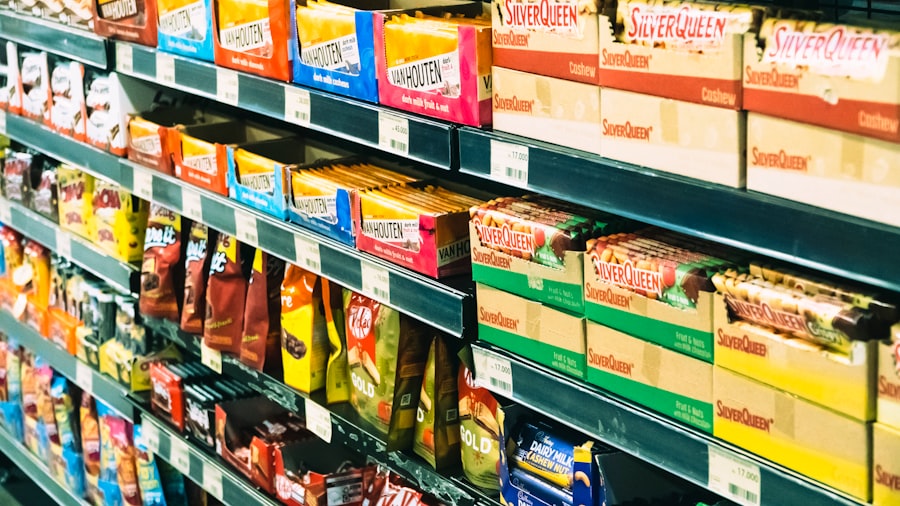
The terms “natural” and “organic” are often touted as indicators of healthier food options, but their meanings can be ambiguous. When you see a product labeled as “natural,” it may evoke images of wholesome ingredients and minimal processing. However, the FDA does not have a strict definition for this term, which means that products can be marketed as natural even if they contain artificial ingredients or preservatives.
This lack of regulation can leave you feeling misled about what you are actually putting into your body. On the other hand, organic labels are more regulated, but they still require careful scrutiny. A product labeled as “100% organic” must contain only organic ingredients, while “organic” products can contain up to 5% non-organic ingredients.
This distinction can be crucial when making purchasing decisions. You might assume that all organic products are free from harmful chemicals and pesticides, but this is not always the case. To ensure that you are making truly informed choices, it is essential to understand the nuances behind these labels and to seek out certifications from reputable organizations.
The Impact of Misleading Health Claims on Food Labels
Misleading health claims on food labels can have significant consequences for your dietary choices and overall health. You may come across products boasting claims such as “low cholesterol,” “high in fiber,” or “supports immune health.” While these statements may be true in isolation, they often fail to provide a complete picture of the product’s nutritional profile. For instance, a snack bar may be high in fiber but also loaded with sugars and unhealthy fats, negating any potential health benefits.
These misleading claims can create a false sense of security, leading you to believe that you are making healthy choices when, in reality, you may be consuming products that do not align with your health goals. It is essential to approach health claims with skepticism and to look beyond the marketing language. By examining the full nutritional profile and ingredient list, you can make more informed decisions about what you choose to eat.
The Role of Added Sugars and Artificial Ingredients in Packaged Foods
| Food Label Claim | What They Don’t Tell You | Potential Impact on Health | Example |
|---|---|---|---|
| “Low Fat” | May contain added sugars or refined carbs to improve taste | Can lead to increased calorie intake and blood sugar spikes | Low-fat yogurt with added sugar |
| “Natural” | Not regulated; can still contain preservatives or artificial ingredients | May mislead consumers about product purity or healthiness | “Natural” flavored chips with artificial additives |
| “Sugar-Free” | May contain sugar alcohols or artificial sweeteners with laxative effects | Can cause digestive discomfort or other side effects | Sugar-free candy with sorbitol |
| “Gluten-Free” | Does not mean low calorie or healthier; often higher in fats or sugars | May contribute to weight gain if consumed in excess | Gluten-free cookies with high sugar content |
| “Organic” | Does not guarantee lower pesticide residue or higher nutrient content | May lead to overpaying for perceived health benefits | Organic snack bars with similar nutrition to conventional ones |
| Serving Size | Often smaller than typical consumption amounts | Can underestimate calorie and nutrient intake | Snack bag labeled as 2 servings but usually eaten in one |
| “Cholesterol-Free” | Only applies to animal cholesterol; plant-based saturated fats may still be high | May not reduce risk of heart disease as expected | Cholesterol-free margarine high in trans fats |
Added sugars and artificial ingredients are prevalent in many packaged foods, often hidden behind enticing labels and marketing claims.
These added sugars can contribute to various health issues, including obesity, diabetes, and heart disease.
When you read a label that lists sugar as one of the first ingredients, it’s a clear indication that the product may not be as healthy as it appears. Artificial ingredients also pose concerns for your health. Many processed foods contain preservatives, colorings, and flavor enhancers that can have adverse effects on your well-being.
While these additives may enhance taste or shelf life, they often come at the expense of nutritional value. As you become more aware of these hidden ingredients, it’s crucial to prioritize whole foods and minimally processed options whenever possible. By doing so, you can reduce your intake of added sugars and artificial ingredients while promoting better health.
How to Decode Nutritional Information on Food Labels

Decoding nutritional information on food labels can feel overwhelming at first glance, but understanding how to read them effectively is essential for making informed choices. The nutrition facts panel provides valuable information about calories, macronutrients (carbohydrates, proteins, and fats), vitamins, and minerals. Start by paying attention to the serving size at the top; this will help you gauge how much of the product you are actually consuming.
Next, focus on the calories per serving and consider how they fit into your daily caloric needs. Then examine the macronutrient breakdown—look for products that offer a balance of protein, healthy fats, and complex carbohydrates while keeping added sugars and saturated fats low. Additionally, take note of any vitamins or minerals listed; some products may be fortified with essential nutrients that could benefit your diet.
By familiarizing yourself with this information, you can make better choices that align with your health goals.
The Importance of Reading Ingredient Lists on Food Labels
While nutritional information provides a snapshot of a product’s contents, reading ingredient lists is equally important for understanding what you’re consuming. Ingredients are listed in descending order by weight, meaning that the first few items on the list make up the bulk of the product. If sugar or artificial additives appear near the top of the list, it’s a red flag that the product may not be as healthy as it claims.
Moreover, ingredient lists can reveal hidden allergens or unwanted additives that could affect your health or dietary preferences. For example, if you’re trying to avoid gluten or dairy, carefully scanning ingredient lists will help you identify suitable options. Additionally, look for recognizable ingredients; if you can’t pronounce something or if it sounds like a chemical compound, it’s worth questioning whether you want to include it in your diet.
By taking the time to read ingredient lists thoroughly, you empower yourself to make healthier choices.
The Influence of Marketing Tactics on Food Labeling
Marketing tactics play a significant role in shaping how food labels are designed and perceived by consumers like yourself. Companies invest heavily in branding and packaging strategies that highlight certain attributes while downplaying others. For instance, a product may feature bright colors and appealing images alongside health claims that catch your eye but fail to provide an accurate representation of its nutritional value.
These marketing strategies often exploit psychological triggers to influence your purchasing decisions. Words like “superfood,” “guilt-free,” or “detox” can create an emotional connection that makes you more likely to buy a product without fully understanding its contents. Being aware of these tactics allows you to approach food labels with a critical eye and encourages you to prioritize substance over style when making choices about what to eat.
The Environmental Impact of Food Labeling Practices
Food labeling practices also have environmental implications that extend beyond individual health concerns. The way products are marketed can influence consumer behavior and contribute to unsustainable practices within the food industry. For example, labels promoting single-use packaging or excessive plastic can exacerbate waste issues and harm ecosystems.
Additionally, misleading labels regarding sustainability or ethical sourcing can misguide consumers who wish to make environmentally conscious choices. A product labeled as “eco-friendly” may still contribute to environmental degradation if its production processes are not genuinely sustainable. As you become more aware of these issues, consider seeking out brands that prioritize transparency in their labeling practices and demonstrate a commitment to environmental stewardship.
The Connection Between Food Labels and Public Health
The implications of food labeling extend beyond individual choices; they also have broader public health consequences. Misleading labels can contribute to rising rates of diet-related diseases such as obesity and diabetes within communities. When consumers are unable to make informed decisions due to deceptive marketing practices or unclear labeling standards, it undermines efforts to promote healthier eating habits.
Furthermore, public health initiatives often rely on accurate food labeling to educate consumers about nutrition and healthy eating patterns. When labels fail to provide clear information or misrepresent products’ contents, it hampers these efforts and perpetuates confusion among consumers. Advocating for clearer labeling standards and holding companies accountable for their claims is essential for fostering a healthier society overall.
Tips for Making Informed Choices Despite Misleading Food Labels
Navigating the world of food labels can be challenging, but there are several strategies you can employ to make informed choices despite misleading information. First and foremost, develop a habit of reading both nutrition facts panels and ingredient lists before purchasing any product. This practice will help you become more familiar with what constitutes healthy options.
Additionally, consider educating yourself about common marketing tactics used by food companies so that you can recognize them when shopping. Familiarize yourself with terms like “whole grain,” “light,” or “sugar-free,” understanding their implications and potential pitfalls. Lastly, prioritize whole foods—fruits, vegetables, whole grains, lean proteins—over processed options whenever possible; this approach will naturally lead you toward healthier choices while minimizing exposure to misleading labels.
By arming yourself with knowledge about food labeling practices and being proactive in your shopping habits, you can take control of your dietary choices and work toward achieving your health goals with confidence.
When it comes to understanding food labels, there are many hidden truths that consumers often overlook. For a deeper dive into the intricacies of food labeling and what companies may not disclose, you can check out this insightful article on the topic. It provides valuable information that complements the discussion on food labels and their implications for health and nutrition. To read more, visit