
The history of British general elections is not merely a chronicle of shifting political allegiances and government formations. Beneath the surface of celebrated victories and ignominious defeats, a complex tapestry of recurring patterns, subtle influences, and deep-seated societal currents can be discerned. These hidden patterns, often obscured by the immediate narratives of each electoral cycle, offer profound insights into the evolution of the British political landscape and its enduring characteristics. To truly comprehend the trajectory of British democracy, one must delve beyond the individual contests and trace the threads that bind these distinct moments into a coherent, albeit often cyclical, narrative.
One of the most observable and enduring patterns in British electoral history is the so-called “pendulum swing.” This phenomenon describes the tendency for power to alternate between the two dominant parties, historically the Conservatives and Labour, with relatively regular periodicity. This is not to suggest an unbroken sequence of two-term governments, but rather a discernible trend towards alternation over longer timescales. You can learn more about the pivotal moment in British history by watching the Winston Churchill 1945 election video.
Electoral Volatility and Stability
The amplitude of this pendulum swing – the size of the swings in parliamentary seats – has varied significantly throughout history. In the early 20th century, particularly after the gradual decline of the Liberal Party, the swings could be substantial, often leading to landslide majorities. However, there have also been periods of greater stability, where governing parties have managed to secure multiple consecutive terms, albeit often with diminishing majorities. The post-war consensus era, for instance, witnessed relatively stable Labour and Conservative governments, demonstrating that while the pendulum might swing, its velocity can differ.
The Role of Economic Cycles
A significant driver of the pendulum swing is often economic performance. Voters, in their pragmatic assessment of government, frequently reward prosperity and punish stagnation or recession. Thus, a government presiding over a buoyant economy often finds favour, while one encountering economic headwinds faces an uphill battle for re-election. This correlation, while not absolute, acts as a powerful gravitational pull on electoral outcomes. For example, the Conservative ascendancy in the 1950s aligned with post-war economic recovery, just as Labour’s struggles in the 1970s coincided with significant economic turmoil.
Generational Shifts and Social Evolution
Beyond immediate economic indicators, deeper generational shifts and evolving societal values also contribute to the long-term momentum of the pendulum. As new cohorts of voters enter the electorate, bringing with them different perspectives and priorities, the political calculus can subtly shift. The rise of environmental concerns, for instance, or changing attitudes towards social welfare, can gradually undermine the foundations of one party’s dominance and lay the groundwork for another’s ascendance. This is a slow burn, not a sudden conflagration, but its cumulative effect is undeniable.
In exploring the intriguing dynamics of British election history, one can uncover hidden patterns that reveal shifts in voter behavior and political trends over the decades. A related article that delves into these fascinating insights is available at Hey Did You Know This, where you can find a comprehensive analysis of how historical events and societal changes have influenced electoral outcomes in the UK. This resource offers a deeper understanding of the factors that shape political landscapes and voter decisions, making it a valuable read for anyone interested in the nuances of British democracy.
The Shifting Sands of Party Dominance: From Hegemony to Contestation
While the pendulum swings between two primary forces, the identities and relative strengths of those forces have undergone profound transformations. The concept of party dominance is a volatile beast, susceptible to tectonic shifts in the political landscape.
The Rise and Fall of Empires
British history has witnessed periods where one party held a near-hegemonic grip on power, only to eventually cede influence. The Liberal Party’s dominance in the late 19th and early 20th centuries, before its catastrophic decline, serves as a poignant reminder that even the strongest political edifices can crumble. The rise of the Labour Party, fueled by industrialisation and the expansion of the franchise, marked a fundamental realignment, permanently altering the two-party dynamic. This demonstrates that no party, however formidable, is immune to the forces of historical change.
The Erosion of Traditional Loyalties
Historically, significant swathes of the electorate exhibited strong, often inherited, party loyalties. Individuals might identify themselves as “Labour through and through” or “true-blue Conservative.” However, contemporary analysis suggests a significant erosion of these traditional ties. Voters are increasingly described as “floating voters” or “dealignment” – individuals more likely to vote based on specific issues, candidate appeal, or short-term performance rather than ingrained party allegiance. This fluid electorate introduces an element of unpredictability, forcing parties to adapt their strategies and constantly re-earn their mandate.
The Role of Third Parties and Niche Movements
While the two-party system remains largely robust, the periodic surges of third parties and niche political movements represent significant challenges to established dominance. The Liberal Democrats (and their predecessors) have, at various times, acted as kingmakers or spoilers, particularly in hung parliaments. Similarly, the rise of the Scottish National Party (SNP) and UK Independence Party (UKIP) in recent decades demonstrated the capacity for regionally concentrated or ideologically distinct movements to disrupt the national narrative and force concessions from the larger parties. These emergent forces, like smaller eddies in a mighty river, can nonetheless alter its flow.
The Enduring Power of Narrative: Shaping Perceptions and Outcomes
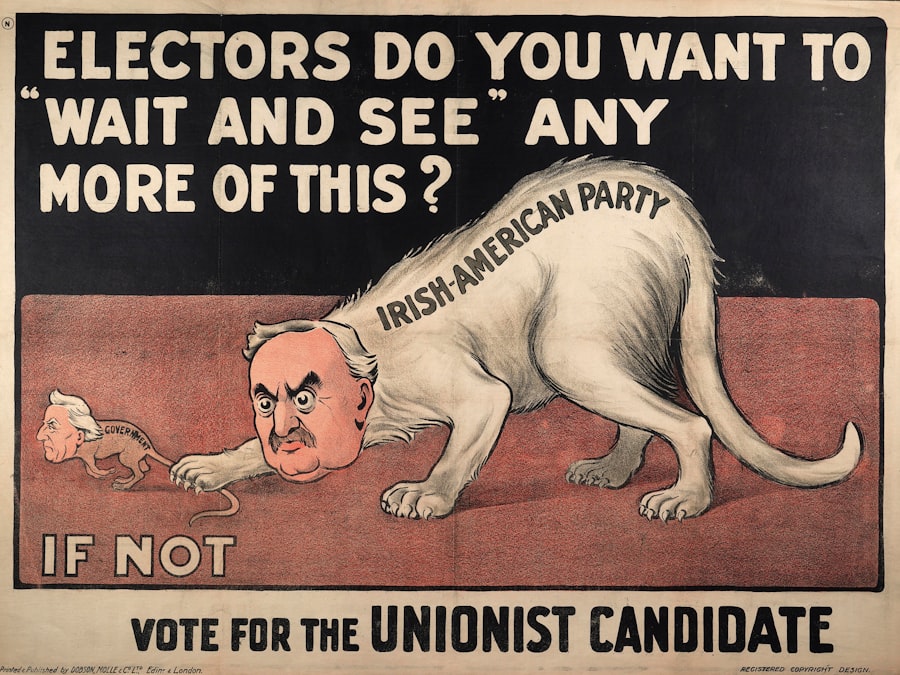
Elections are not merely contests of policy and economics; they are also battles of narrative. The stories parties tell about themselves, about their opponents, and about the nation’s future possess immense power to shape public perception and ultimately influence electoral outcomes.
Crafting the Winning Story
Successful parties often excel at crafting compelling narratives that resonate with the electorate’s aspirations and anxieties. Margaret Thatcher’s narrative of national renewal and economic liberalisation in the 1980s, or Tony Blair’s “New Labour” message of modernisation and pragmatism in the 1990s, exemplify the potency of a well-articulated vision. These narratives act as interpretive frameworks through which voters understand complex issues and make their choices. A party’s ability to define the terms of debate and control the dominant storyline is often a precursor to electoral success.
The Perils of a Broken Narrative
Conversely, a party struggling to articulate a coherent or credible narrative often finds itself adrift. When a party’s actions contradict its stated values, or when its message appears out of touch with public sentiment, its narrative crumbles, and with it, often, its electoral prospects. The Conservative Party’s struggles in the 1990s, following a period of internal division and perceived sleaze, illustrate how a damaged narrative can become an albatross around a party’s neck. Voters, like discerning literary critics, often reject narratives that lack internal consistency or authentic connection.
Media Influence and the Digital Age
The proliferation of media channels, from traditional print and broadcast to the omnipresent digital sphere, has profoundly impacted the dissemination and construction of electoral narratives. While the press has always played a role, the rise of social media and fragmented news consumption has introduced new complexities. Parties must now contend with an accelerated information cycle, the rapid spread of both verified and unverified content, and the challenge of communicating their message amidst a cacophony of competing voices. The digital age has amplified the importance of narrative while simultaneously making its control more elusive.
Cracks in the Constituency Walls: Demographic Shifts and Electoral Geography

Beyond national trends, the composition of individual constituencies – their demographic makeup and socio-economic characteristics – plays a crucial, often underestimated, role in shaping electoral outcomes. The map of British politics is not static; it is constantly being redrawn by demographic shifts.
The Urban-Rural Divide
A long-standing pattern in British elections is the divergence in voting patterns between urban and rural areas. Urban centres, often characterised by greater diversity, younger populations, and higher concentrations of public sector employment, have historically leaned towards Labour. Rural areas, by contrast, tend to be more traditionally Conservative, with an emphasis on property ownership, farming interests, and slower rates of demographic change. This divide, while not absolute, forms a persistent fault line in the electoral landscape.
Regional Variations and Devolution
Beyond the urban-rural split, significant regional variations in political alignment persist. Scotland, Wales, and Northern Ireland each possess distinct political cultures and priorities, often expressed through strong nationalist or regional parties. The advent of devolution has further accentuated these differences, creating multi-layered electoral contests. While general elections are national events, the outcomes are ultimately a summation of these diverse regional battles, each with its own unique dynamics.
The Impact of Age and Education
Contemporary analysis highlights the increasing importance of age and educational attainment as predictors of voting behavior. Younger voters, particularly those with higher education qualifications, have shown a tendency to lean left, while older voters often remain more conservative. This demographic divergence represents a significant long-term challenge for parties, forcing them to consider how to appeal across generational divides and address the evolving priorities of different educational cohorts. As society evolves, so too does the electoral landscape, revealing new territories for parties to conquer or lose.
In exploring the intriguing dynamics of British election history, one can uncover hidden patterns that reveal shifts in voter behavior and political trends over the decades. A related article that delves deeper into these fascinating insights can be found here, where it discusses the evolution of electoral strategies and their impact on election outcomes. Understanding these patterns not only enriches our knowledge of past elections but also provides valuable context for future political landscapes. For more information, you can read the full article at this link.
The Pragmatic Voter: A Search for Competence and Stability
| Election Year | Winning Party | Vote Share (%) | Seat Majority | Voter Turnout (%) | Notable Hidden Pattern |
|---|---|---|---|---|---|
| 1945 | Labour | 47.7 | 146 | 72.8 | Post-war desire for social reform led to a landslide despite Conservative dominance pre-war |
| 1974 (Feb) | No Overall Control | Labour 37.2, Conservative 37.9 | Labour minority | 78.8 | Split vote led to hung parliament, showing volatility in voter loyalty |
| 1979 | Conservative | 43.9 | 43 | 76.0 | Economic dissatisfaction shifted voters from Labour to Conservatives |
| 1997 | Labour | 43.2 | 179 | 71.4 | End of long Conservative rule; New Labour appeal to centrist voters |
| 2010 | Coalition (Conservative-Liberal Democrat) | Conservative 36.1, Labour 29.0, Lib Dem 23.0 | No majority | 65.1 | First coalition since WWII; rise of third party influence |
| 2015 | Conservative | 36.9 | 12 | 66.1 | Conservatives won majority with less than 40% vote share, highlighting first-past-the-post effects |
| 2017 | Conservative | 42.4 | 13 (loss) | 68.8 | Unexpected loss of majority; increased voter turnout and Labour surge |
| 2019 | Conservative | 43.6 | 80 | 67.3 | Brexit realignment; collapse of Labour vote in traditional strongholds |
Despite the ideological battles and rhetorical flourishes, a bedrock pattern in British electoral history is the underlying pragmatism of the electorate. Voters, when stripped of emotional appeals, often gravitate towards parties perceived as competent and capable of delivering stability and prosperity.
The Performance Test
Governments are perpetually under a performance test. Their ability to manage the economy, deliver public services, and maintain national security all contribute to their perceived competence. Electoral outcomes are frequently a referendum on a government’s track record, with voters offering approval or censure based on tangible results. A party, regardless of its ideological purity, that demonstrably fails to govern effectively often faces the wrath of the electorate.
The ‘Safe Pair of Hands’ Syndrome
In times of uncertainty or crisis, the electorate often exhibits a preference for what is perceived as a “safe pair of hands.” This phenomenon sees voters prioritising experience, stability, and a steady approach over radical change or untested leadership. This can sometimes lead to a paradox: a party that has been in power for a considerable time, despite facing some criticism, might still be preferred over a less experienced alternative during turbulent periods. The comfort of the known, however imperfect, can outweigh the allure of the untried.
The Swing for Stability vs. The Appetite for Change
The pragmatic voter navigates a delicate balance between a desire for stability and a periodic appetite for change. Prolonged periods of stagnation or dissatisfaction can eventually ignite a powerful desire for a new direction, even if that direction carries an element of risk. Conversely, periods of perceived chaos or excessive change can lead to a yearning for a return to normalcy and a more predictable political environment. Understanding this alternating rhythm of societal temperament is key to deciphering the larger electoral narrative.
In conclusion, understanding British electoral history requires moving beyond a simple chronicle of events. By identifying and analysing these hidden patterns – the rhythmic pendulum swing, the evolving nature of party dominance, the persuasive power of narrative, the dynamic shifts in electoral geography, and the underlying pragmatism of the British voter – one gains a far richer and more nuanced comprehension of the intricate forces at play. These patterns, like the unseen currents beneath a vast ocean, continually shape the surface, directing the course of political ships even as they appear to sail independently. To ignore them is to miss the underlying heartbeat of British democracy.
WATCH THIS! 🤯 CHURCHILL’S DEFEAT IS ONE OF HISTORY’S BIGGEST SHOCKS.
FAQs
What are hidden patterns in British election history?
Hidden patterns in British election history refer to recurring trends, behaviors, or anomalies in voting outcomes, party performance, voter turnout, and demographic shifts that are not immediately obvious but can be identified through detailed analysis of historical election data.
Why is it important to study hidden patterns in British elections?
Studying hidden patterns helps political analysts, historians, and policymakers understand the underlying factors influencing election results, predict future electoral outcomes, and develop strategies for political campaigns. It also provides insights into voter behavior and societal changes over time.
What types of data are analyzed to find hidden patterns in British elections?
Researchers analyze various data types including vote shares by party, voter turnout rates, demographic information, constituency-level results, historical political events, and socio-economic indicators to uncover hidden patterns in British elections.
Have any consistent voting trends been identified in British election history?
Yes, some consistent trends include the impact of economic conditions on voting behavior, the influence of regional identities (such as in Scotland and Wales), the rise and fall of major political parties, and the effects of electoral reforms on voter turnout and party representation.
Do hidden patterns in British elections change over time?
Yes, hidden patterns evolve due to changes in society, technology, political issues, and electoral laws. For example, the emergence of new political parties, shifts in public opinion, and changes in media influence can alter historical voting patterns.
Can hidden patterns explain unexpected election outcomes?
Hidden patterns can provide context and explanations for unexpected results by revealing underlying voter shifts, strategic voting behaviors, or demographic changes that may not be apparent from surface-level election data.
Are hidden patterns unique to British elections or common in other democracies?
While some patterns are unique to the UK’s political system and history, many hidden electoral patterns, such as voter realignment and the impact of economic cycles, are common in other democratic countries as well.
How do researchers uncover hidden patterns in election history?
Researchers use statistical analysis, data mining, historical records, geographic information systems (GIS), and computational models to analyze large datasets and identify subtle trends and correlations in election results.
What role do political parties play in shaping hidden patterns?
Political parties influence hidden patterns through their policies, campaign strategies, candidate selection, and responses to social issues, which can affect voter loyalty, turnout, and the emergence of new voting blocs over time.
Where can I find more information about British election history and hidden patterns?
Information can be found in academic journals, books on political history, government archives, election databases such as those maintained by the UK Electoral Commission, and research institutions specializing in political science and history.