
Processed foods have become increasingly common in modern diets. Many consumers choose convenience over nutritional value, purchasing pre-packaged meals, snacks, and beverages designed for quick consumption. These products typically feature attractive packaging and engineered flavors that appeal to consumers.
However, regular consumption of processed foods can have significant negative effects on health and well-being. Processed foods are defined as products that have been altered from their original state through methods including canning, freezing, or the addition of preservatives. While some processing is necessary for food safety and shelf stability, many commercial products undergo extensive modifications that reduce their nutritional content.
Understanding the definition and composition of processed foods is important for making informed dietary choices and recognizing their potential health impacts.
Key Takeaways
- Processed foods often contain hidden additives that can negatively affect health.
- Regular consumption of processed foods is linked to increased risks of chronic diseases and obesity.
- These foods can harm digestive health and contribute to inflammation in the body.
- Processed foods may impact mental health and pose specific dangers for children.
- Reducing processed food intake through mindful dietary choices can improve overall well-being.
The Impact of Processed Foods on Health
The health implications of consuming processed foods are profound and multifaceted. You might not realize it, but these foods often contain high levels of sugar, salt, and unhealthy fats, which can lead to various health issues over time. When you consume these items regularly, you may find yourself experiencing fatigue, mood swings, and even cravings for more unhealthy options.
Moreover, the nutritional value of processed foods is often compromised. Many of these products lack essential vitamins and minerals that your body needs to function optimally.
Instead of nourishing your body with whole foods rich in nutrients, you may be filling up on empty calories that leave you feeling unsatisfied. This imbalance can lead to a range of health problems, including obesity, diabetes, and heart disease. Learn about the surprising [foods banned in Europe](https://youtu.be/w1BTsG4Lb6E) and why they are prohibited.
Hidden Ingredients and Additives
One of the most concerning aspects of processed foods is the presence of hidden ingredients and additives. When you read a food label, you may be surprised to find a long list of unfamiliar terms that can be difficult to decipher. These additives are often included to enhance flavor, improve texture, or extend shelf life.
However, many of them can have adverse effects on your health. For instance, artificial sweeteners are commonly found in low-calorie or sugar-free products. While they may seem like a healthier alternative, research suggests that they can disrupt your metabolism and lead to increased cravings for sugary foods.
Additionally, preservatives like sodium nitrite and BHA (butylated hydroxyanisole) have been linked to various health concerns, including cancer. As you become more aware of these hidden ingredients, you may feel compelled to scrutinize labels more closely and make informed choices about what you consume.
Increased Risk of Chronic Diseases
The consumption of processed foods has been linked to an increased risk of chronic diseases. You might not think twice about grabbing a quick snack or meal on the go, but these seemingly harmless choices can accumulate over time and contribute to serious health issues. Studies have shown that diets high in processed foods are associated with a greater likelihood of developing conditions such as heart disease, type 2 diabetes, and certain cancers.
As you consider your dietary habits, it’s essential to recognize the long-term implications of your food choices. The high levels of sugar and unhealthy fats found in many processed items can lead to insulin resistance and inflammation in the body. This chronic inflammation is a significant factor in the development of various diseases.
By understanding the connection between processed foods and chronic health issues, you can take proactive steps to protect your well-being.
Negative Effects on Digestive Health
| Health Risk | Description | Associated Processed Food Types | Potential Impact | Recommended Limit |
|---|---|---|---|---|
| High Sodium Intake | Excessive salt can increase blood pressure and risk of heart disease. | Canned soups, processed meats, snack foods | Hypertension, cardiovascular disease | Less than 2,300 mg per day |
| Added Sugars | High sugar consumption linked to obesity, diabetes, and dental issues. | Sugary cereals, soft drinks, sweetened snacks | Type 2 diabetes, weight gain, tooth decay | Less than 10% of daily calories |
| Trans Fats | Artificial trans fats raise bad cholesterol and lower good cholesterol. | Fried fast foods, baked goods, margarine | Increased risk of heart disease | Avoid as much as possible |
| Preservatives and Additives | Some additives may cause allergic reactions or other health issues. | Processed meats, packaged snacks, ready meals | Allergic reactions, potential carcinogenic effects | Consume in moderation |
| Low Nutrient Density | Processed foods often lack essential vitamins and minerals. | Instant noodles, frozen meals, snack foods | Malnutrition, weakened immune system | Balance with nutrient-rich foods |
Your digestive health is another area that can be adversely affected by a diet high in processed foods. Many of these products lack dietary fiber, which is crucial for maintaining a healthy gut. When you consume insufficient fiber, you may experience issues such as constipation, bloating, and discomfort.
Over time, a poor diet can disrupt the balance of beneficial bacteria in your gut, leading to further digestive complications. Additionally, some additives found in processed foods can irritate the digestive tract. For example, emulsifiers used to improve texture may alter gut microbiota and contribute to inflammation.
As you reflect on your eating habits, consider how incorporating more whole foods—such as fruits, vegetables, whole grains, and legumes—can support your digestive health and overall well-being.
Potential for Weight Gain and Obesity
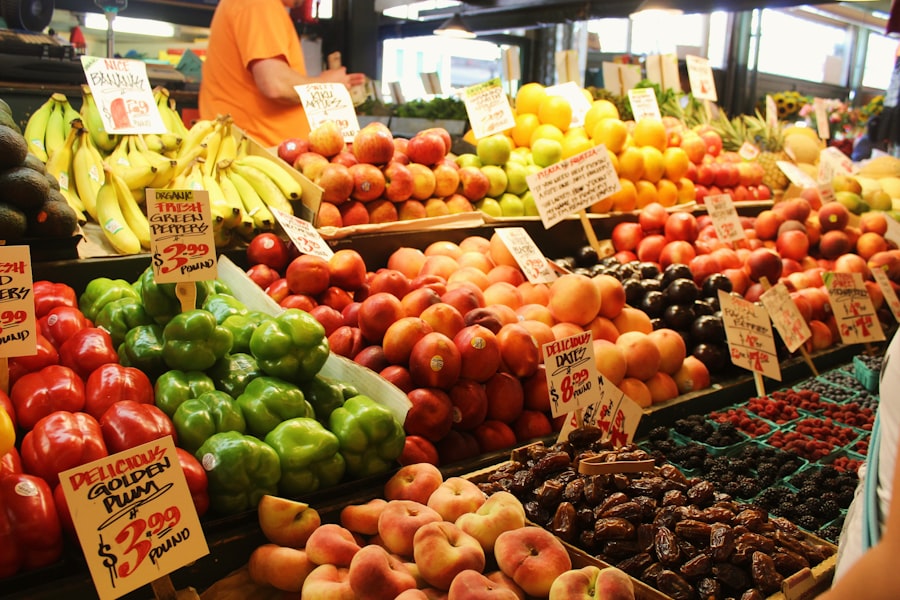
The link between processed foods and weight gain is well-documented. You may find that these convenient options are often calorie-dense yet nutritionally poor, making it easy to overconsume without realizing it. The high sugar content in many processed snacks can lead to rapid spikes in blood sugar levels followed by crashes that leave you feeling hungry again shortly after eating.
Moreover, the addictive nature of certain processed foods can make it challenging to maintain portion control. You might find yourself mindlessly snacking on chips or cookies while watching television or working at your desk. This behavior can contribute to an unhealthy relationship with food and ultimately lead to weight gain or obesity.
By being mindful of your choices and opting for whole foods instead, you can take significant steps toward achieving a healthier weight.
Impact on Mental Health
Processed foods not only affect your physical health but also have implications for your mental well-being. Research has shown that diets high in processed foods are associated with an increased risk of depression and anxiety. You may notice that after indulging in sugary snacks or fast food meals, your mood fluctuates dramatically—this is not just coincidence.
The connection between diet and mental health is complex but undeniable. Nutrient deficiencies resulting from a lack of whole foods can impact brain function and mood regulation. Additionally, the high levels of sugar and unhealthy fats found in many processed items can lead to inflammation in the brain, further exacerbating mental health issues.
By prioritizing nutrient-dense foods that support brain health—such as omega-3 fatty acids found in fish or antioxidants found in fruits—you can foster a more positive mental state.
Hidden Dangers for Children
Children are particularly vulnerable to the effects of processed foods. As a parent or caregiver, you may find it convenient to provide quick snacks or meals that appeal to kids’ tastes; however, these choices can have lasting consequences on their health and development. Many processed foods marketed toward children are loaded with sugar and artificial additives that can negatively impact their growth and behavior.
Research indicates that diets high in processed foods can lead to behavioral issues such as hyperactivity and difficulty concentrating in children. Furthermore, early exposure to unhealthy eating patterns can set the stage for lifelong habits that contribute to obesity and chronic diseases later in life. By being mindful of the foods you offer children and encouraging whole food options instead, you can help them develop healthier eating habits from an early age.
The Role of Processed Foods in Inflammation
Inflammation is a natural response by your body’s immune system; however, chronic inflammation can lead to various health problems over time. Processed foods play a significant role in promoting inflammation due to their high levels of refined sugars and unhealthy fats. When you consume these items regularly, your body may respond with an inflammatory reaction that contributes to conditions such as arthritis or heart disease.
You might not realize it, but the cumulative effect of consuming inflammatory foods can manifest in various ways—fatigue, joint pain, or even skin issues like acne or eczema. By reducing your intake of processed foods and focusing on anti-inflammatory options such as fruits, vegetables, nuts, and fatty fish, you can help mitigate inflammation and promote better overall health.
Understanding the Connection to Food Allergies and Sensitivities
Processed foods often contain multiple ingredients that can trigger food allergies or sensitivities in some individuals. As you navigate your dietary choices, it’s essential to be aware of common allergens such as gluten, dairy, soy, and nuts that are frequently found in packaged products. For those with sensitivities or allergies, consuming these items can lead to uncomfortable symptoms ranging from digestive distress to skin reactions.
Moreover, the prevalence of food additives in processed items can complicate matters further. Some individuals may react negatively to artificial colors or preservatives without realizing it’s due to their diet. By educating yourself about potential allergens and being vigilant about reading labels, you can make informed choices that support your health and well-being.
Tips for Minimizing Processed Foods in Your Diet
If you’re looking to reduce your intake of processed foods, there are several practical strategies you can implement in your daily life. Start by planning your meals ahead of time; this will help you avoid last-minute decisions that often lead to unhealthy choices.
Additionally, consider preparing meals at home using fresh ingredients whenever possible. Cooking from scratch allows you greater control over what goes into your meals while also providing an opportunity to experiment with new flavors and recipes. You might also find it helpful to keep healthy snacks on hand—such as fruits, nuts, or yogurt—to curb cravings for processed options when hunger strikes.
By being mindful of your food choices and prioritizing whole ingredients over convenience items, you can significantly improve your overall health while enjoying delicious meals that nourish your body and mind.
Processed foods have become a staple in many diets, but their health risks are increasingly coming under scrutiny. A related article that delves into the potential dangers of consuming processed foods can be found here. This article discusses various health concerns associated with processed food consumption, including obesity, heart disease, and diabetes, highlighting the importance of being mindful of what we eat.
WATCH THIS 🛑 The 30 Toxic Chemicals Europe Banned That Live in American Homes
FAQs
What are processed foods?
Processed foods are foods that have been altered from their natural state through methods such as canning, freezing, refrigeration, dehydration, or adding preservatives and additives to enhance flavor, texture, or shelf life.
What health risks are associated with consuming processed foods?
Consuming processed foods regularly has been linked to increased risks of obesity, heart disease, high blood pressure, type 2 diabetes, certain cancers, and digestive issues due to high levels of added sugars, unhealthy fats, sodium, and artificial additives.
Why do processed foods often contain high levels of sodium and sugar?
Sodium and sugar are commonly added to processed foods to enhance flavor, preserve the product, and improve texture. However, excessive intake of these can contribute to health problems such as hypertension, insulin resistance, and weight gain.
Are all processed foods unhealthy?
Not all processed foods are unhealthy. Some minimally processed foods, like frozen vegetables or canned beans without added salt or sugar, can be nutritious and convenient. The health risks mainly come from highly processed foods with added unhealthy ingredients.
How can I reduce health risks related to processed food consumption?
To reduce health risks, limit intake of highly processed foods, read nutrition labels carefully, choose whole or minimally processed foods, cook meals at home using fresh ingredients, and maintain a balanced diet rich in fruits, vegetables, whole grains, and lean proteins.
What role do additives and preservatives in processed foods play in health risks?
Additives and preservatives can sometimes cause allergic reactions or sensitivities in some individuals. Long-term consumption of certain artificial additives has been linked to negative health effects, although regulatory agencies generally consider approved additives safe in moderate amounts.
Can processed foods contribute to weight gain?
Yes, many processed foods are calorie-dense and high in unhealthy fats and sugars, which can lead to overeating and weight gain when consumed frequently or in large quantities.
Is there a difference between processed and ultra-processed foods?
Yes, processed foods have undergone some alteration but may still retain most of their natural properties, while ultra-processed foods are industrial formulations typically containing little or no whole foods and many additives, often linked to greater health risks.