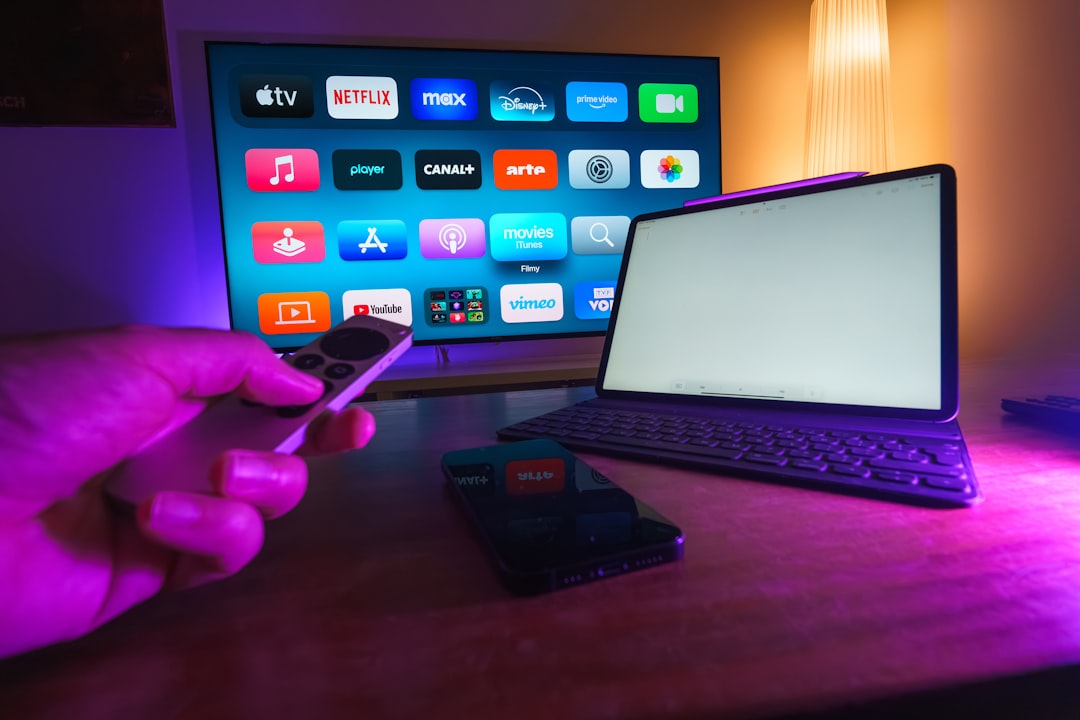
You’ve probably seen them advertised everywhere: “Sign up for a free trial!” Whether it’s a new streaming service promising endless entertainment or an app offering premium features, these “free” offers are tempting. The allure of getting something for nothing is powerful, and for a while, it feels like you’re getting a great deal. However, beneath the surface of these seemingly generous promotions lies a complex web of consumer psychology and business tactics designed to convert you from a free user into a paying subscriber, often at a cost you might not fully anticipate. This article will delve into the hidden costs associated with these streaming service free trials, exploring how they work, why they succeed, and what you need to be aware of to avoid falling into their financial traps.
The word “free” is a potent psychological trigger. It taps into our desire for gain and our aversion to loss. When presented with a free trial, your brain immediately registers it as a potential positive outcome with no immediate downside. This initial perception is carefully cultivated by the companies offering these trials.
The Perceived Value Proposition
Companies don’t offer free trials out of pure altruism. They understand the power of a positive first impression.
Showcasing the Full Catalog
Most free trials grant you access to the entire library of content. This is a deliberate strategy to overwhelm you with options and demonstrate the breadth of what you’ll be missing once the trial ends. You’re encouraged to binge-watch, explore documentaries, and fall in love with shows you never knew existed. The goal is to create a sense of dependence and to embed the service into your entertainment routine before any money changes hands.
Experiencing Premium Features
Beyond content, many app trials offer access to premium features that are usually behind a paywall. This could be ad-free viewing, higher video quality, offline downloads, or exclusive tools. By experiencing these enhanced functionalities, you begin to associate them with a superior user experience, making the standard, paid tier seem less appealing by comparison. You become accustomed to the convenience and might find it difficult to go back to a less sophisticated version.
The Fear of Missing Out (FOMO)
FOMO is a powerful motivator, and free trials are a prime environment for it to thrive.
Limited-Time Access
The inherent temporariness of a free trial creates a sense of urgency. You know that this access won’t last forever, which encourages you to consume as much as possible within the allotted time. This can lead to impulsive decisions to subscribe, driven by the fear that you’ll lose access to everything you’ve discovered and enjoyed.
Social Proof and Trends
Often, the content promoted during free trials are the trending shows or movies that everyone is talking about. Seeing friends or colleagues discuss these programs can amplify your FOMO, making you feel left out if you’re not part of the conversation by subscribing. The free trial becomes your entry ticket into popular culture.
Many consumers are drawn to the allure of free trials offered by streaming services, often unaware of the hidden costs that can arise once the trial period ends. An insightful article that delves deeper into this topic can be found at Hey Did You Know This, which explores the potential pitfalls of automatic subscriptions and how to navigate them effectively. Understanding these hidden costs can help users make more informed decisions about their streaming habits.
The Subtle Mechanics of Conversion: How Trials Become Subscriptions
The transition from a free trial user to a paying subscriber is rarely a sudden, conscious decision. It’s a carefully orchestrated process, often involving automated systems and subtle nudges.
The Automatic Renewal Trap
This is perhaps the most significant hidden cost. The vast majority of free trials require your credit card information upfront. While presented as a formality, this is the key to their conversion strategy.
Unclear Terms and Conditions
The terms and conditions surrounding auto-renewal are often buried in fine print or presented in a way that’s easily overlooked. You might be offered a “1-month free trial” but fail to notice the clause stating that you’ll be automatically billed for a full year’s subscription at the end of that trial if you don’t cancel. This lack of clarity can be intentional, exploiting your tendency to skim through lengthy agreements.
The Default Option
In many cases, opting out of the subscription is the action that requires effort. You have to actively remember to cancel. The system is designed for you to do nothing, which then results in a charge. This is a classic example of how default settings can influence behavior and lead to unwanted expenses.
The “Grace Period” Illusion
Some services might offer a “grace period” after a failed payment for your auto-renewal. This can further obscure the fact that you’ve been charged and might even lead you to believe you still have access to the service, when in reality, you’re accumulating charges.
The Sticky Nature of Convenience
Once you’ve integrated a service into your life, it can be difficult to dislodge it.
Building a Viewing History
As you watch content during your trial, the service builds a personalized viewing history. This history, along with recommended content tailored to your tastes, becomes a valuable asset that the service leverages. When you’re presented with an option to continue discovering new shows based on your preferences, the thought of starting over with a different service can be unappealing.
Habit Formation
Frequent use during the trial period can turn watching specific shows or using certain features into a habit. Habits are powerful, and breaking them can require conscious effort. The convenience of continuing an established habit often outweighs the perceived cost of a subscription for many users.
The Cost of Switching
Switching to a new streaming service means learning a new interface, discovering new content, and potentially re-evaluating your entertainment needs. The effort involved in this transition can be enough to deter you from canceling, even if you’re not fully utilizing the service you’re paying for.
Beyond the Direct Subscription: Unforeseen Financial Repercussions

The cost of a streaming service free trial isn’t always as simple as a monthly or annual subscription fee. There are other, less obvious financial implications to consider.
The “Subscription Creep” Phenomenon
This is the gradual accumulation of multiple subscription services over time, often without you fully realizing the total expenditure.
The Proliferation of Services
In today’s market, there isn’t one dominant streaming service. Instead, there are dozens, each with its own exclusive content. A free trial for a new service might seem harmless, but if you sign up for several of these over a year, the cumulative cost can become substantial.
Bundling and Package Deals
Companies often offer bundles or package deals that include multiple services. While these might seem like a good value, they can encourage you to subscribe to services you wouldn’t otherwise use, simply because they’re part of a discounted package. The free trial for one service can lead you down a rabbit hole of bundled subscriptions.
The Loss of Financial Control
When all your subscriptions are on auto-renewal, it becomes easy to lose track of your total monthly or annual entertainment budget. You might be paying for services you rarely use, but because the charges are spread out and automated, the impact on your immediate cash flow is less noticeable, until you review your bank statements.
The Opportunity Cost of Unused Subscriptions
Every dollar spent on a subscription service is a dollar that cannot be used for something else.
Missed Investment Opportunities
Even seemingly small monthly fees add up. Consider what you could do with that money if it were invested. Over years, the compounded returns on even modest investments could be significant.
Sacrificing Other Wants or Needs
That entertainment budget could also be allocated to other desires, such as dining out, hobbies, travel, or even saving for a larger purchase. The perceived “value” of a streaming service may not always align with your broader financial goals.
The Erosion of Budgetary Discipline
When subscriptions become the default way to access content, it can erode personal financial discipline. It becomes easier to justify ongoing expenses for services that offer perceived convenience rather than carefully budgeting for discretionary spending.
Strategies for Navigating Free Trials Wisely

Being aware of the hidden costs is the first step. The next is to develop strategies to protect yourself.
The Power of the Reminder System
This is your most crucial defense against unwanted charges.
Setting Calendar Alerts
As soon as you sign up for a free trial, set a calendar alert on your phone or computer for a few days before the trial period ends. This gives you ample time to make a decision. Make the alert specific: “Cancel [Service Name] Free Trial – Ends [Date].”
Using a Dedicated App or Spreadsheet
Consider using a task management app or a simple spreadsheet to keep track of all your active subscriptions and their renewal dates. This provides a central hub for monitoring your commitments.
Automating Your Calendar
Some apps allow you to set recurring reminders for important dates. Set up a recurring reminder a week before any free trial is due to expire, prompting you to check your subscription status.
The “One In, One Out” Rule
This is a simple but effective method for managing subscription creep.
Maintaining a Balanced Portfolio
For every new subscription service you decide to keep after a free trial, consider canceling another one that you use less frequently. This ensures that your total number of paid subscriptions remains relatively stable.
Periodic Reviews of Usage
Regularly (e.g., monthly or quarterly) audit your subscriptions. Ask yourself: “Am I actively using this service? Is it providing value that justifies its cost?” If the answer is no, it’s time to cancel.
Prioritization of Content
With the vast array of streaming services, you can’t realistically subscribe to them all. Prioritize the services that offer the content you enjoy most and that you think you’ll engage with regularly.
The Art of the Trial Cancellation
Knowing how and when to cancel is as important as signing up.
Understand the Cancellation Process
Before signing up, take a moment to understand how to cancel the service. Is it a simple button click on the website, or does it require contacting customer service? Knowing this in advance can save you frustration later.
Aim to Cancel Early
Consider canceling a few days before the trial ends. This ensures you don’t miss the deadline and gives you peace of mind. You’ll still have access to the service for the remainder of the trial period.
Look for Perks During Cancellation
Sometimes, when you initiate a cancellation, the service might offer you a discounted rate or a further extension of your trial period to retain you as a customer. Evaluate these offers carefully before deciding. However, be wary of accepting these as it can perpetuate the cycle of paying for services you might not fully need.
Many consumers are drawn to the allure of free trials offered by streaming services, often unaware of the hidden costs that can arise once the trial period ends. A related article explores this phenomenon in depth, shedding light on how these seemingly harmless offers can lead to unexpected charges and subscription fatigue. For more insights on this topic, you can read the article here. Understanding the fine print and the potential pitfalls of free trials can help users make more informed decisions about their streaming habits.
The Ethical Considerations of Free Trial Marketing
| Hidden Costs of Streaming Service Free Trials |
|---|
| 1. Forgetting to cancel the subscription after the trial period ends |
| 2. Automatic renewal at full price after the free trial |
| 3. Difficulty in finding cancellation options on the streaming service website |
| 4. Incurring additional fees for premium content or features during the trial |
| 5. Potential impact on credit score if payment is missed for the subscription |
While consumers have a responsibility to be diligent, the marketing practices around free trials also raise ethical questions.
Transparency and Disclosure
The core of the issue lies in the transparency of information provided to consumers.
The Clarity of Renewal Terms
Are the terms of auto-renewal presented clearly and conspicuously, or are they buried in legal jargon designed to be overlooked? The expectation should be for a prominent, easily understandable explanation of what happens after the trial ends.
Acknowledging the Intent to Convert
Companies are upfront about wanting to convert trial users to paid subscribers. However, the methods used to achieve this conversion should be ethical and not rely on deception or obfuscation. The “free” aspect should be a genuine opportunity to evaluate, not a bait-and-switch tactic.
The Exploitation of Cognitive Biases
These marketing strategies often exploit known cognitive biases to their advantage.
Anchoring Bias and Price Perception
The initial “free” offer anchors your perception of value. When the paid price is presented, it might seem more reasonable in comparison to the perceived value of the free period, even if the ongoing cost is less justifiable for your needs.
Loss Aversion and the Fear of Forfeiture
As mentioned earlier, the fear of losing access to content or features is a powerful motivator. Marketing that plays on this fear can be considered manipulative.
The Right to a True Evaluation
Consumers are entitled to a genuine opportunity to evaluate a service without the pressure of impending, automatic charges.
Sufficient Trial Periods
Is the trial period long enough to truly explore the service’s offerings and determine if it’s a good fit? Shorter trials can pressure users into making quick decisions without a thorough evaluation.
Easy and Unambiguous Cancellation
The process for canceling a trial should be as straightforward as signing up. Any attempts to make cancellation difficult or confusing are ethically questionable.
The allure of free streaming service trials is undeniable. They offer a tantalizing glimpse into worlds of entertainment, new features, and coveted content without an immediate financial outlay. However, as you’ve seen, this “free” experience comes with its own set of hidden costs, both financial and psychological. By understanding the subtle mechanics of conversion, the potential for subscription creep, and the importance of proactive management, you can navigate the world of free trials with greater awareness and control. Remember, the most valuable resource you possess is your financial well-being, and a little diligence now can save you significant expense later. Be vigilant, set your reminders, and always question the true cost of “free.”
FAQs
What are the hidden costs of streaming service free trials?
Streaming service free trials often require credit card information, and if the user forgets to cancel before the trial period ends, they will be automatically charged for a subscription.
How do streaming services benefit from offering free trials?
Streaming services use free trials as a marketing strategy to attract new subscribers and increase their user base. They also count on users forgetting to cancel before the trial period ends, resulting in automatic subscription charges.
What are some tips for avoiding hidden costs when signing up for streaming service free trials?
To avoid hidden costs, users should set a reminder to cancel the trial before it ends, read the terms and conditions carefully, and consider using virtual credit cards or prepaid cards to sign up for free trials.
Are there any regulations in place to protect consumers from hidden costs associated with streaming service free trials?
Some countries have regulations in place that require streaming services to clearly disclose terms and conditions, including automatic subscription charges after free trials end. However, these regulations vary by country.
What are some alternatives to streaming service free trials for accessing content?
Some alternatives to streaming service free trials include using ad-supported free streaming platforms, renting or purchasing individual movies or TV shows, or subscribing to a different streaming service that offers a more flexible cancellation policy.