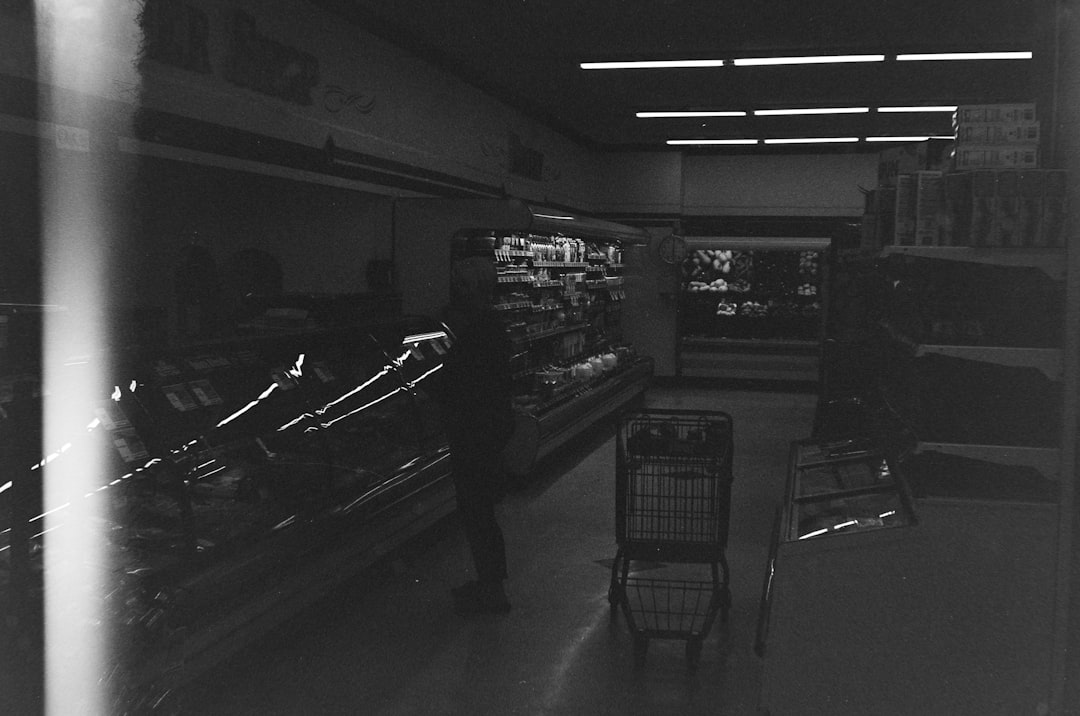
The grocery store, a ubiquitous feature of modern life, often appears to be a straightforward place for acquiring provisions. Consumers navigate aisles, select items, and depart with their purchases. This perception, however, belies a complex choreography of design, logistics, and psychology, collectively forming what can be termed “The Grocery Store Illusion.” This illusion is the seamless façade that conceals the intricate systems underpinning every aspect of the shopping experience, guiding consumer behavior, optimizing operational efficiency, and ultimately shaping what and how people buy. The organization of these spaces, from store layout to product placement, is not arbitrary. It is a deliberate construction, a testament to the power of systematic design in influencing human interaction and economic outcomes. Understanding these underlying mechanisms reveals a more nuanced picture of the grocery store, not as a neutral exchange point, but as a carefully engineered environment.
The physical arrangement of a grocery store is a primary vector for influencing shopper behavior. It is meticulously crafted to encourage extended stays, serendipitous discoveries, and ultimately, increased spending. The illusion here is one of natural exploration, where wandering through aisles feels like a random act, when in reality, it is a guided journey.
Navigational Pathways and Perimeter Emphasis
Grocery stores rarely employ simple grid layouts. Instead, they often favor a racetrack or loop design. This encourages shoppers to move in a general direction, often around the perimeter first. The perimeter is strategically stocked with core, high-demand items such as produce, dairy, and meats. These are frequently replenished, drawing shoppers into the store and exposing them to a wider array of products as they circumnavigate.
The Produce Section: The Welcoming Gateway
The produce section, typically located near the entrance, serves a dual purpose. Its vibrant colors and fresh aroma are intended to create a positive first impression, associating the store with wholesomeness and quality. This initial sensory immersion aims to set a positive emotional tone for the entire shopping trip, making consumers more receptive to making purchases.
Dairy and Meat: Anchors of the Loop
Placed at opposing ends of the perimeter, dairy and meat products act as anchors. Customers needing these staples must traverse a significant portion of the store, increasing their exposure to impulse buys and promotional items that are strategically placed along their route.
Aisle Design: The Art of the Meander
The aisles themselves are not mere conduits but environments designed to slow shoppers down and encourage browsing. Variable aisle widths, gentle curves, and occasional dead-end displays can interrupt linear progress, forcing patrons to pause and consider their surroundings.
End Caps and Checkout Displays: Capturing the Last Opportunity
The end caps of aisles, often featuring discounted or visually appealing products, are prime real estate. They are designed to catch the eye and present an immediate opportunity for an unplanned purchase. Similarly, the checkout area is a veritable minefield of small, impulse-buy items, from candy and magazines to batteries and chewing gum, capitalizing on the shopper’s fatigued state and proximity to completion.
The Illusion of Choice: Strategic Adjacencies
The placement of categories and specific products is also highly deliberate. Items frequently purchased together are often located in proximity, such as cereal near milk, or pasta near pasta sauce. This convenience can feel like thoughtful customer service, but it also reinforces purchasing habits and can prevent shoppers from considering alternative brands or complementary products they might otherwise discover.
The systemic illusion of the grocery store reveals how marketing strategies and store layouts manipulate consumer behavior, often leading shoppers to make impulsive purchases. For a deeper understanding of this phenomenon, you can explore a related article that discusses the psychological tactics employed by retailers to enhance sales and influence buying decisions. Check it out here: Hey Did You Know This.
The Psychology of Placement: Where Goods Become Temptations
Beyond the structural layout, the precise positioning of products within the store is a powerful psychological tool. Grocery stores leverage an understanding of human perception and habit to influence purchasing decisions. The illusion is that product placement is dictated purely by logic or convenience, when in fact, it is a sophisticated deployment of psychological principles.
Eye-Level is Buy-Level: The Elevation of Desire
A fundamental principle of product placement is the concept of “eye-level is buy-level.” Products placed at the shopper’s eye level are perceived as more accessible and are statistically more likely to be chosen. Manufacturers often pay premiums for this prime shelf space.
Premium Brands and Higher Margins
Brands that can afford it will secure the most visible positions, often at eye level, for their flagship products. This strategic placement can create a perception of superiority or desirability, even when the product itself is not demonstrably better.
Kid-Targeted Products: A Lower Perspective
Conversely, products marketed towards children, such as sugary cereals and brightly colored snacks, are often placed at lower shelves, within easy reach and sight of younger shoppers. This subtly encourages children to identify and request these items, leveraging their influence on parental purchasing decisions.
Proximity Marketing: The Art of the Adjacent Purchase
The adjacency of product categories is not accidental. Placing complementary items together, or items that are often bought in conjunction, can trigger a purchase that might not have otherwise occurred.
The “Impulse Buy” Zone
Areas near high-traffic points, such as entrances, exits, and checkout lanes, are designated “impulse buy” zones. Here, smaller, lower-cost items with strong visual appeal are strategically placed to capitalize on spontaneous desires.
Leveraging Completion and Convenience
The proximity of coffee and donuts near the bakery, or chips and dips near the beverage aisle, leverages the shopper’s mental state. Having made one purchase decision, they may be more inclined to add a related item, especially if it enhances the overall experience or offers convenience.
Merchandising Mastery: Presenting Products for Maximum Appeal
The way products are presented goes beyond mere placement; it involves sophisticated merchandising techniques designed to attract attention and enhance perceived value. The illusion is that the most appealing products are simply the best, when often, their appeal is manufactured through visual prowess.
Packaging and Presentation: The First Impression
Product packaging is a critical element of merchandising. Bright colors, appealing graphics, and clear labeling are all designed to attract the consumer’s eye and communicate key product attributes.
The Role of Color and Font
Color psychology plays a significant role, with different colors evoking different emotions and associations. The choice of font can also convey a sense of premium quality, health, or affordability.
“Facing” and Alignment: The Unseen Order
Products are meticulously “faced” – aligned with their labels facing outwards – to create a uniform and appealing display. An organized shelf projects an image of order and quality, making the products within it seem more desirable.
Promotional Displays: Amplifying Choice and Urgency
Promotional displays, from elaborate end-cap arrangements to in-aisle signage, are designed to draw attention to specific products or offers. These displays create a sense of occasion and can influence shoppers to deviate from their planned purchases.
The Power of Discounting and Bundling
Sales, discounts, and buy-one-get-one-free offers are powerful motivators. They tap into the human desire for a good deal and can create a sense of urgency, encouraging immediate purchase.
Highlighting New Products and Seasonal Items
New product introductions and seasonal items are often given prominent display space to generate excitement and encourage trial. These displays can disrupt established buying patterns and introduce consumers to new options.
The Hidden Hand of Data: Understanding and Influencing Consumer Habits

Beneath the visible layers of layout and merchandising lies a powerful, invisible force: data. Grocery stores collect and analyze vast amounts of information about shopper behavior, using it to refine their strategies and further optimize the shopping experience for profit. The illusion is that the store is simply responding to consumer demand, when in reality, it is actively shaping demand based on sophisticated analytics.
Loyalty Programs: The Digital Breadcrumbs
Loyalty programs are not just about rewarding frequent shoppers; they are sophisticated data-gathering tools. By tracking purchases, retailers gain intimate knowledge of individual consumer preferences, buying habits, and even price sensitivity.
Personalized Offers and Targeted Marketing
The data collected allows for personalized offers and targeted marketing campaigns. Shoppers receive coupons and promotions tailored to their past purchases, nudging them towards specific brands or product categories.
Predictive Analytics and Inventory Management
This data is also used for predictive analytics, forecasting demand for specific products and optimizing inventory levels. This ensures products are available when consumers are most likely to want them, minimizing stock-outs and maximizing sales.
Checkout Data and Purchase Patterns
Every transaction at the checkout is a data point. Analyzing this data reveals patterns in purchasing behavior – what items are bought together, at what times of day, and by whom. This information informs everything from product placement to staffing levels.
Basket Analysis and Cross-Promotional Opportunities
Basket analysis, a technique that examines the items most frequently purchased together, helps identify cross-promotional opportunities. For instance, if data shows a strong correlation between wine and cheese purchases, these items might be strategically placed together.
Understanding Demand Signals
By analyzing real-time sales data, grocery stores can understand demand signals and respond quickly to shifts in consumer preferences or market trends. This agility allows them to stay ahead of the competition.
The systemic illusion of the grocery store often leads consumers to believe they are making independent choices, when in reality, their decisions are heavily influenced by marketing strategies and store layouts. This phenomenon is explored in depth in a related article that discusses how these tactics shape our shopping habits and perceptions. For those interested in understanding the psychology behind our grocery shopping experiences, you can read more about it in this insightful piece here.
Beyond the Cart: The Extended Ecosystem of Grocery Retail
| Metrics | Data |
|---|---|
| Number of products | Over 40,000 items on average |
| Store size | Typically between 20,000 and 100,000 square feet |
| Number of employees | Varies by store size, but can range from 50 to 500 employees |
| Annual revenue | Varies widely, but can range from 1 million to over 100 million |
| Customer foot traffic | Can range from a few hundred to several thousand customers per day |
The grocery store illusion extends beyond the walls of the physical store, encompassing a complex network of suppliers, distributors, and logistics. The seamless availability of products on shelves is dependent on a highly orchestrated and efficient supply chain.
Supply Chain Orchestration: The Invisible Engine
A well-oiled supply chain is essential for maintaining stock levels and ensuring product freshness. This involves precise forecasting, efficient transportation, and careful inventory management at every stage.
Just-In-Time Inventory: Minimizing Waste and Maximizing Freshness
Many grocery operations employ “just-in-time” inventory systems, receiving goods from suppliers only when they are needed for sale. This minimizes waste, particularly for perishable items, and helps maintain optimal freshness.
Supplier Relationships and Negotiation Power
The relationship between grocery retailers and their suppliers is a critical component. Retailers wield significant negotiation power, influencing not only pricing but also product formulation and packaging to meet their strategic objectives.
Private Label Brands: The Retailer’s Own Empire
Private label brands are a significant aspect of the grocery store ecosystem. These store-owned brands offer higher profit margins for the retailer and allow them to control product quality and branding more directly.
Capturing Consumer Loyalty and Margins
By offering their own brands, grocery stores can capture consumer loyalty and retain a larger portion of the profit generated by those sales. These brands are often positioned as value alternatives or direct competitors to national brands.
Product Development and Market Responsiveness
Private labels allow retailers to be more responsive to market trends and consumer demands. They can quickly introduce new products or reformulate existing ones to align with evolving preferences, often at a lower price point than national brands.
The grocery store illusion, therefore, is not a singular trick but a multifaceted phenomenon. It is the confluence of architectural design, psychological principles, sophisticated merchandising, data-driven strategies, and a robust supply chain. Each element plays a crucial role in guiding consumer behavior, optimizing operational efficiency, and ultimately, driving sales. The shopper, engrossed in the act of selection, often remains unaware of the intricate systems at play. The familiar act of filling a cart is, in fact, a testament to the profound influence that carefully constructed environments and invisible forces exert on our daily decisions.
FAQs
What is the systemic illusion of the grocery store?
The systemic illusion of the grocery store refers to the carefully curated layout, lighting, and product placement within a grocery store that is designed to influence consumer behavior and encourage spending.
How does the layout of a grocery store contribute to the systemic illusion?
The layout of a grocery store is strategically designed to lead customers through specific aisles and sections, often placing essential items like milk and eggs at the back of the store to encourage more browsing and potential impulse purchases.
What role does product placement play in the systemic illusion of the grocery store?
Product placement is a key component of the systemic illusion, with popular and high-margin items strategically placed at eye level and within easy reach, while less profitable items may be relegated to less visible areas of the store.
How does lighting contribute to the systemic illusion of the grocery store?
Lighting is used to create a welcoming and inviting atmosphere within the grocery store, as well as to highlight certain products and create a sense of abundance and freshness, influencing consumer perceptions and purchasing decisions.
What are some strategies for consumers to navigate the systemic illusion of the grocery store?
Consumers can navigate the systemic illusion of the grocery store by creating a shopping list, sticking to it, and avoiding impulse purchases, as well as being mindful of marketing tactics and product placement while shopping.