
The Grocery Store: A Psychological Operation
The modern grocery store, an ubiquitous fixture of contemporary life, operates as a meticulously designed environment engineered for one primary purpose: to influence consumer behavior and maximize sales. Far from being a simple repository for sustenance, it is a sophisticated psychological laboratory, employing a range of strategic tactics to guide shoppers through a curated experience, subtly nudging them towards purchase decisions that may not always align with their initial intentions. This essay will delve into the multifaceted psychological operations at play within the grocery store, dissecting the environmental, sensory, and behavioral influences that shape the shopping journey.
The very structure and layout of a grocery store are not accidental. Each aisle, display, and placement has been carefully considered to optimize the flow of customers and expose them to the maximum number of products. This deliberate environmental design plays a crucial role in influencing perception and driving purchases.
The Strategic Placement of Essentials
Staples like milk, eggs, and bread are rarely found near the entrance. Instead, they are strategically positioned at the rear or furthest corners of the store. This forces shoppers to traverse the entire store, navigating through aisles laden with impulse buy items, before reaching the necessities. The journey itself becomes an opportunity for unplanned purchases. The logic is simple: the longer a customer walks through areas filled with tempting products, the higher the probability they will add more to their cart. This deliberate placement leverages the principle of prolonged exposure and the discomfort of backtracking to encourage additional, perhaps unnecessary, acquisitions.
The Placement of High-Margin Items
Products that offer the highest profit margins for the retailer are often positioned at eye level. This is the prime real estate of the grocery aisle. When a shopper scans a shelf, their gaze naturally falls within this range. This placement capitalizes on cognitive biases, such as the “availability heuristic,” where items most readily perceived are more likely to be selected. Items placed higher or lower on shelves, often the cheaper alternatives or less popular brands, require more effort to access and are therefore less likely to be chosen, even if they represent a better value.
The “Decompression Zone”
Upon entering a grocery store, shoppers typically experience a brief period of disorientation. This “decompression zone” near the entrance is intentionally kept relatively clear and uncluttered, allowing customers to adjust to the new environment. However, this space is often used to display high-impact, promotional items. These introductory displays, frequently featuring seasonal goods or special offers, serve to immediately capture attention and create a sense of urgency or opportunity, thus priming the shopper for subsequent purchasing decisions.
In today’s consumer-driven society, the way we approach grocery shopping can often feel like a carefully orchestrated psychological operation designed to influence our choices and spending habits. An insightful article that delves into this phenomenon can be found at Hey Did You Know This, where it explores the various tactics employed by retailers to manipulate our perceptions and behaviors in the grocery aisle. From strategic product placements to the use of sensory stimuli, understanding these techniques can empower consumers to make more informed decisions and resist the subtle pressures of marketing.
Sensory Manipulation: Engaging the Senses for Sales
The grocery store is a multisensory environment, and retailers expertly manipulate these sensory inputs to create a specific atmosphere and influence emotional states, thereby impacting purchasing behavior.
The Olfactory Allure
The sense of smell is a powerful driver of emotion and memory. Grocery stores often employ subtle olfactory cues to enhance the shopping experience and encourage spending. The scent of freshly baked bread, for example, is commonly diffused in the bakery section. This not only evokes a feeling of warmth and comfort but also triggers cravings, prompting impulse purchases of baked goods. Similarly, the aroma of ripe fruit in the produce section can enhance the perception of freshness and quality, encouraging shoppers to buy more. These carefully curated scents are designed to create a positive emotional connection with the shopping environment, making the experience more enjoyable and, consequently, more conducive to spending.
The Auditory Landscape
The music played in grocery stores is not a random selection. It is typically slow, ambient, and unobtrusive. This tempo is deliberately chosen to encourage a slower pace of shopping. When shoppers move at a slower pace, they spend more time in the store, increasing their exposure to products and the likelihood of making impulse buys. The lack of jarring or energetic music prevents shoppers from feeling rushed, fostering a relaxed mental state that is more amenable to browsing and purchasing. The auditory environment is thus a tool for moderating the pace of consumption.
The Visual Symphony of Color and Light
The visual presentation of products is paramount. Bright lighting is used throughout the store, particularly in the produce and meat sections, to enhance the appearance of freshness and quality. Colors are strategically employed to draw attention to specific products or promotions. Highly saturated colors are often used for packaging and signage to grab the shopper’s eye. The arrangement of products, the use of signage, and even the color of the shopping carts themselves are all part of a calculated visual strategy to guide the shopper’s gaze and influence their choices. Manufacturers often pay for prime shelf placement, ensuring their products are prominently displayed in visually appealing arrangements.
Behavioral Economics and Cognitive Biases: Exploiting Human Psychology

Grocery stores are fertile ground for the application of behavioral economics principles and the exploitation of common cognitive biases. Retailers leverage these inherent human tendencies to their advantage.
The Power of Anchoring and Framing
The way prices are presented, known as framing, can significantly influence perception. For instance, showing a higher “regular” price alongside a discounted sale price makes the sale price appear more attractive. This “anchoring” effect uses the higher price as a reference point, making the actual price seem like a better deal than it might be in isolation. Similarly, offering products in bulk sizes, even if the per-unit cost is slightly higher, can create a perception of value due to the larger quantity, encouraging overconsumption.
The Scarcity and Urgency Effect
Promotional tactics often create a sense of scarcity or urgency. Phrases like “limited time offer” or “while supplies last” can trigger a fear of missing out (FOMO), prompting shoppers to make immediate purchases to avoid this perceived loss. This psychological tactic preys on the human desire to acquire what is perceived as desirable and potentially unavailable, leading to rushed decisions.
The Bandwagon Effect and Social Proof
Displays featuring “customer favorites” or “bestsellers” capitalize on the bandwagon effect and social proof. Shoppers are more inclined to trust and purchase items that have been previously chosen by others. This reliance on the choices of the majority can override individual critical evaluation, leading to purchases based on perceived popularity rather than genuine need or preference. End-cap displays, often showcasing popular or promoted items, are a prime example of this strategy.
Merchandising Strategies: The Art of Product Presentation
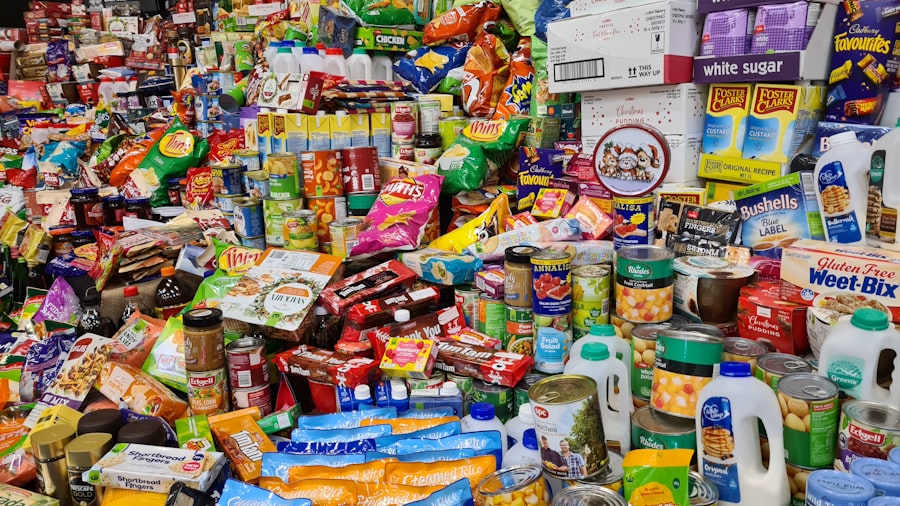
Effective merchandising is central to the grocery store’s psychological operation. It involves the strategic arrangement and presentation of products to maximize their appeal and encourage purchase.
The Impulse Buy Zone
Checkouts are prime real estate for impulse purchases. The aisles leading up to and surrounding the checkout counters are filled with small, often inexpensive items like candy, magazines, gum, and seasonal trinkets. These items are designed to be easy, low-commitment purchases that shoppers might make while waiting in line. The proximity to the end of the shopping journey, when the shopper may be mentally fatigued and less inclined to resist, makes these impulse buys particularly effective.
The “Loss Leader” Strategy
Retailers sometimes strategically offer certain staple items at a significant discount, even at a loss. These “loss leaders,” such as milk or eggs at an unusually low price, are designed to draw customers into the store. The expectation is that once inside, the customer will purchase other, higher-margin items to compensate for the loss on the discounted product. This is a classic bait-and-switch tactic, albeit a legal and common one.
Product Placement on Shelves
Beyond the eye-level placement for high-margin items, there’s further nuance. Within a specific product category, the placements of brands are not arbitrary. Established, well-known brands are often placed at the center of shelves, serving as anchors. Newer or less familiar brands might be placed at the ends of aisles or on lower shelves, requiring more effort for the shopper to discover. The visual hierarchy of the shelf space dictates what is seen first and most readily.
In exploring the intriguing concept of how our grocery shopping habits can be influenced by psychological tactics, one might find it enlightening to read a related article that delves deeper into this phenomenon. The article discusses various strategies employed by retailers to manipulate consumer behavior, making it clear that our choices are often not as free as we think. For a fascinating insight into this topic, you can check out this informative piece that sheds light on the subtle yet powerful ways our minds are engaged during the shopping experience.
The Psychology of the Shopping Cart and Basket
| Reasons | Explanation |
|---|---|
| Store Layout | The layout is designed to lead you through the store, exposing you to more products and increasing the likelihood of impulse purchases. |
| Product Placement | Essential items are often placed at the back of the store, forcing you to pass by other products to reach them. |
| Pricing Strategies | Prices are often displayed in a way to make items appear cheaper, leading to more purchases. |
| Marketing Tactics | Colorful packaging and attractive displays are used to grab your attention and influence your buying decisions. |
| Psychological Triggers | Music, lighting, and even scents are carefully chosen to create a pleasant shopping experience and encourage spending. |
Even the tools provided to shoppers are designed with psychological influence in mind. The ubiquitous shopping cart and basket are not mere conveniences.
The Over-Sized Cart
The modern shopping cart has grown considerably in size over the decades. This is not for increased convenience but as a deliberate tactic. A larger cart can appear emptier even when filled with a substantial amount of goods. To avoid this perceived emptiness and the feeling of having not bought “enough,” shoppers tend to fill larger carts more readily. They unconsciously adjust their purchasing to match the perceived capacity of the cart, leading to increased spending.
The Power of “Bundling”
Retailers often package complementary products together, a strategy known as bundling. This can present a perceived value proposition, offering a slight discount for purchasing items as a set. Furthermore, it simplifies the decision-making process for the shopper, removing the need to independently select each component. This also encourages the purchase of items a shopper might not have otherwise considered or felt the need for.
In conclusion, the grocery store is a highly calculated environment, a testament to the application of psychological principles in commerce. From its architectural layout and sensory stimuli to the manipulation of cognitive biases and sophisticated merchandising, every element is designed to subtly, and sometimes overtly, influence consumer behavior. Recognizing these psychological operations is the first step for consumers to navigate this environment with greater awareness and make purchasing decisions that are truly aligned with their needs and intentions, rather than succumbing to the expertly crafted allure of the modern marketplace. The grocery store, therefore, is not merely a place to procure provisions but a complex, multi-layered psychological operation.
FAQs
What is a psychological operation in the context of groceries?
A psychological operation in the context of groceries refers to the use of marketing tactics, packaging, and store layout to influence consumer behavior and purchasing decisions.
How do grocery stores use psychological operations to influence consumers?
Grocery stores use various tactics such as product placement, pricing strategies, and sensory cues (such as music and scents) to influence consumer behavior and encourage specific purchasing decisions.
What are some common psychological tactics used in grocery stores?
Common psychological tactics used in grocery stores include placing high-profit items at eye level, using bright and attractive packaging, offering “buy one, get one free” promotions, and creating a sense of urgency through limited-time offers.
How do psychological operations impact consumer behavior in grocery stores?
Psychological operations in grocery stores can impact consumer behavior by influencing what products consumers notice, how much they spend, and which items they ultimately choose to purchase.
What can consumers do to make more informed purchasing decisions in grocery stores?
Consumers can make more informed purchasing decisions in grocery stores by creating a shopping list, comparing prices, reading product labels, and being mindful of the psychological tactics used by grocery stores.