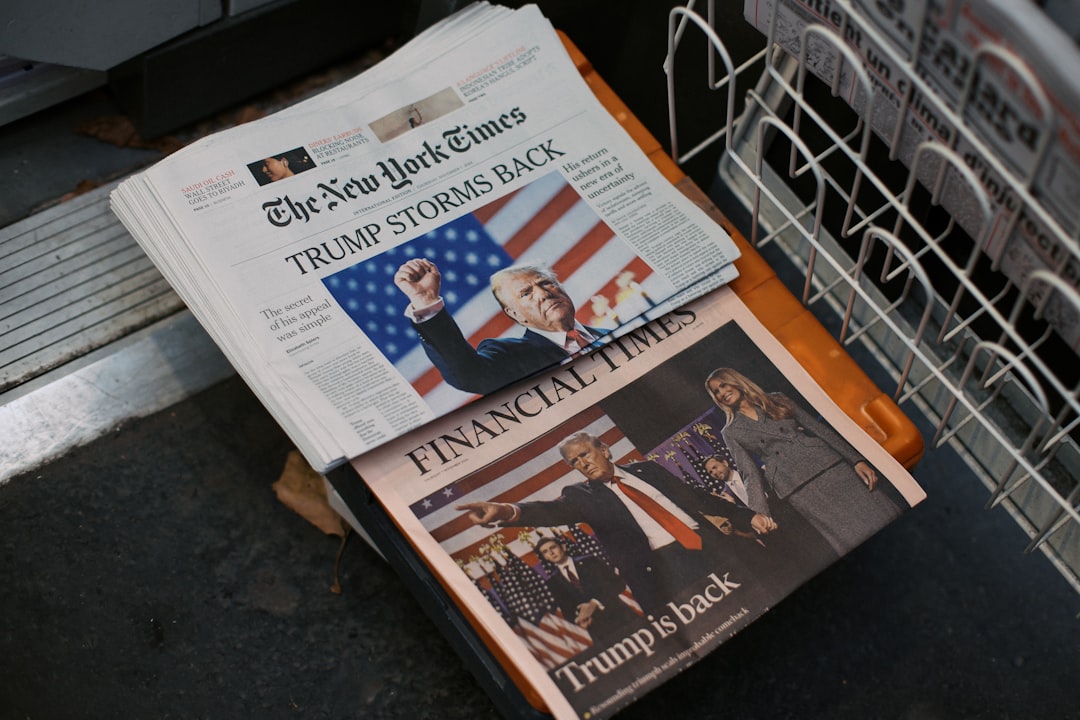
You stand at the precipice of a political landscape fundamentally reshaped. The year 2024 isn’t just another electoral cycle; it’s a tipping point where Artificial Intelligence, once a whispered promise, now roars into the arena, altering how you campaign, how you consume political information, and ultimately, how you vote. Forget the sci-fi fantasies of sentient overlords. The impact of AI on politics in 2024 is far more immediate, practical, and, frankly, unsettling. It’s about sophisticated algorithms, data micro-targeting, and generative content that blurs the lines of reality.
Your political campaigns are no longer solely reliant on human intuition and broad demographic analysis. AI has become an indispensable engine, optimizing every facet of outreach and persuasion. You’re seeing it in the granular detail of voter segmentation, the hyper-personalized messaging, and the predictive modeling that anticipates voter behavior with uncanny accuracy.
Micro-targeting on Steroids
Remember when campaigns used to identify likely supporters based on broad categories like age, income, or past voting records? AI takes this to an entirely new level. You are now being analyzed based on your digital footprint: your online browsing history, your social media interactions, your purchase data, even your sentiment expressed in online forums. Algorithms are constructing intricate profiles, identifying not just who you might vote for, but why.
Sentiment Analysis for Persuasion
AI-powered sentiment analysis tools are constantly scanning public discourse. They’re dissecting your comments, your shares, your likes, and your dislikes to understand your deepest concerns, your strongest allegiances, and your most persistent anxieties. This isn’t about a general understanding of public mood. It’s about understanding your mood, your specific pain points, and crafting messages designed to resonate with your individual emotional landscape. Campaigns are leveraging this to tailor their arguments, addressing your fears about inflation one moment, your concerns about social issues the next, all within minutes of your digital presence indicating a shift.
Behavioral Prediction and Voter Mobilization
The predictive power of AI extends beyond identifying potential supporters. It’s about forecasting likelihood to vote, identifying swing voters, and even anticipating the impact of specific messages. This allows campaigns to allocate resources with unprecedented efficiency. You’re likely to see targeted get-out-the-vote efforts, precisely timed reminders, and personalized appeals designed to overcome inertia or apathy, all orchestrated by AI’s predictions.
Generative Content: The New Propaganda Playbook
The rise of generative AI presents a more insidious challenge: the creation of convincing, yet entirely fabricated, content. You are now entering an era where images, videos, and even audio can be synthesized to look and sound utterly authentic, making it increasingly difficult to discern truth from fiction.
Deepfakes: The Ultimate Gaslighting Tool
Deepfake technology, capable of creating realistic videos of individuals saying or doing things they never did, represents a significant threat. Imagine seeing a politician appearing to confess to a crime, or make a deeply offensive statement, all crafted with AI. This technology can be deployed to discredit opponents, sow division, and manipulate public opinion with devastating speed and effect. You might find yourself questioning the authenticity of every video you encounter.
AI-Generated Text and Talking Points
Beyond video, AI is also generating persuasive written content. Campaign materials, social media posts, and even news articles can be churned out by algorithms designed to match a specific narrative or tone. This can amplify partisan messaging, create echo chambers, and flood the digital space with biased information, making it harder for you to find neutral, fact-based reporting.
As the 2024 election approaches, the influence of AI-generated political content is becoming increasingly significant in shaping public opinion and voter behavior. A related article discusses the implications of this trend and how it may affect the political landscape in the upcoming election cycle. For more insights on this topic, you can read the full article here: AI-Generated Political Content and Its Reach in 2024.
AI’s Influence on Information Consumption
Your relationship with political information is undergoing a radical transformation, driven by AI’s ability to curate and filter your online experience. The algorithms that determine what you see are becoming increasingly sophisticated, and their impact on your understanding of the political landscape is profound.
Personalized News Feeds: The Echo Chamber Effect Amplified
Social media platforms and online news aggregators use AI to personalize your feed, showing you content they predict you’ll engage with. While this can make your online experience feel more relevant, it also means you’re less likely to encounter information that challenges your existing beliefs. This creates an increasingly fragmented public sphere, where different groups inhabit vastly different informational realities.
Algorithmic Curation and Bias
The AI curating your news feed isn’t neutral. It’s programmed to maximize engagement, which often means prioritizing sensationalism and reinforcing existing biases. You’re likely to be shown more content that aligns with your current views, further insulating you from opposing perspectives. This can lead to a widening of ideological divides and a decrease in empathy for those with different viewpoints.
The Disinformation Dilution Problem
In a world saturated with AI-generated content and hyper-personalized feeds, discerning reliable information becomes a Herculean task. Disinformation campaigns can be amplified by algorithms, pushing fabricated narratives to the top of your feed. This makes it harder for you to get a clear, unbiased understanding of the issues at hand, potentially leading to misinformed decisions at the ballot box.
Chatbots and Virtual Assistants: The Direct-to-Voter Connection
AI-powered chatbots and virtual assistants are becoming a direct line of communication between campaigns and voters. While offering convenience, they also present opportunities for sophisticated manipulation.
Real-time Q&A and Information Dissemination
Campaigns are deploying AI chatbots that can answer voter questions 24/7, providing instant information on candidate platforms, policy positions, and event schedules. This offers a level of accessibility previously unimaginable. You can get your questions answered immediately, without navigating complex websites or waiting for human responses.
Personalized Engagement and Persuasion Tactics
These chatbots are not just passive information providers. They are designed to be conversational, to build rapport, and to subtly persuade. They can analyze your responses in real-time and tailor their follow-up questions and arguments to your specific concerns. You might find yourself having a seemingly organic conversation that, beneath the surface, is a carefully calibrated persuasion attempt.
The Ethical Quagmire: AI and Political Integrity
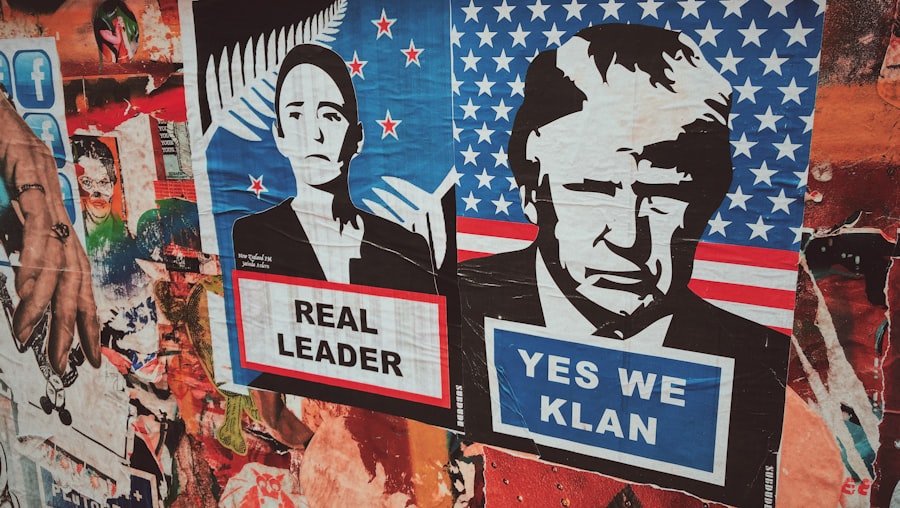
As AI’s influence grows, so do the ethical dilemmas. The potential for misuse, for undermining democratic processes, and for eroding trust is significant. You are grappling with questions about transparency, accountability, and the very definition of fair play in the digital age.
Transparency and Accountability in AI Deployment
When AI is used to shape political discourse, who is responsible when things go wrong? The algorithms themselves are opaque, and the data they’re trained on can be biased. You need to know who is deploying these AI tools and for what purpose.
The “Black Box” Problem
Many AI algorithms operate as “black boxes,” meaning their decision-making processes are not easily understood, even by their creators. This makes it difficult to identify biases or errors that might be influencing political outcomes. You’re left to trust that the AI is operating fairly, without the ability to audit its internal workings.
Accountability for AI-Generated Misinformation
If a deepfake video or a bot-generated smear campaign significantly impacts an election, who is held accountable? The developer of the AI? The campaign that deployed it? The platform that hosted it? These are complex legal and ethical questions that are yet to be fully resolved. You need clear avenues for recourse when AI is used to actively deceive.
The Erosion of Public Trust and Credibility
The pervasive use of AI in politics risks eroding your trust in institutions and in the information you receive. When you can no longer be certain of the authenticity of a video or the impartiality of a news source, the foundations of democratic discourse begin to crumble.
The Specter of Foreign Interference
AI makes it easier for foreign actors to interfere in domestic elections. Sophisticated AI tools can be used to generate propaganda, spread disinformation, and manipulate public opinion on a massive scale, making it harder to identify and counter such threats. You are vulnerable to external forces seeking to destabilize your democratic processes.
The Democratization of Deception
While AI offers incredible potential, it also democratizes deception. Individuals or groups with limited resources can now deploy sophisticated persuasive technologies that were once the sole domain of well-funded political organizations. This levels the playing field in a concerning way, allowing for widespread manipulation.
The Future of Voter Engagement and Participation

Your role as a voter is also being redefined by AI. While it can offer new avenues for engagement, it also presents challenges to genuine, unmediated participation. You need to be aware of how these technologies are shaping your experience as a citizen.
Enhanced Voter Accessibility and Information Access
On the positive side, AI can also make politics more accessible. Chatbots can provide information in multiple languages, and AI-powered tools can help identify voters who are marginalized or have difficulty accessing traditional political information.
Bridging the Digital Divide
AI is being used to create more inclusive political communication. For instance, AI can generate transcripts of political speeches for the hearing impaired or summarize complex policy documents for those with limited reading comprehension. You might find political engagement becoming more accessible than ever before, provided the right tools are developed and deployed equitably.
Targeted Outreach to Underserved Communities
AI can help campaigns identify and engage with voters in underserved communities who may have been historically overlooked. This can lead to more representative political discourse and ensure that a wider range of voices are heard. You could see more tailored outreach efforts designed to address the specific needs and concerns of diverse populations.
The Risk of Algorithmic Manipulation of Participation
However, the same AI that enhances accessibility can also be used to subtly discourage or manipulate participation. The algorithms that decide what information you see can also influence whether you feel empowered or disempowered to vote.
AI-Driven Voter Suppression Tactics
There are concerns that AI could be used to orchestrate subtle forms of voter suppression. For example, algorithms could be designed to selectively target certain demographics with messages designed to discourage them from voting, or to spread misinformation about voting procedures. You need to be vigilant against such possibilities.
The Illusion of Engagement
AI-powered engagement tools can create an illusion of participation without fostering genuine civic dialogue. You might feel like you’re participating by interacting with a chatbot, but this interaction may not lead to meaningful influence or the development of deeper critical thinking skills. You need to distinguish between superficial engagement and active, informed participation.
As the 2024 election approaches, the impact of AI-generated political content is becoming increasingly significant in shaping public opinion and voter behavior. A recent article explores how these technologies are influencing campaign strategies and voter engagement, highlighting the potential for both positive and negative outcomes. For more insights on this topic, you can read the full article on the implications of AI in politics at Hey Did You Know This.
Preparing for an AI-Informed Political Future
| Platform | Estimated Reach | Engagement Rate |
|---|---|---|
| 500 million | 15% | |
| 150 million | 10% | |
| 200 million | 12% | |
| YouTube | 300 million | 18% |
The year 2024 is not a distant event; it’s a current reality. The impact of AI on politics is already unfolding, and you are at the center of it. To navigate this evolving landscape, you need to cultivate digital literacy, demand transparency, and actively seek out diverse perspectives.
Cultivating Critical Digital Literacy
Your ability to discern truth from fiction in the digital realm is paramount. You need to develop a critical eye for the information you consume, understanding that much of it is curated and potentially manipulated by AI.
Fact-Checking and Verification Skills
You must actively engage in fact-checking and verification. Don’t accept information at face value, especially if it evokes a strong emotional response or seems too good (or too bad) to be true. Utilize reputable fact-checking organizations and cross-reference information from multiple sources.
Understanding Algorithmic Influence
Educate yourself on how algorithms work and how they influence the information you see. Understanding the motivations behind personalized feeds and content recommendations will help you resist their more insidious effects. You need to be aware that your online experience is being actively shaped.
Demanding Transparency and Regulation
You have a crucial role to play in demanding transparency and appropriate regulation of AI in politics. The industry cannot be left to self-regulate when the stakes are so high.
Advocating for Ethical AI Guidelines
You should advocate for clear ethical guidelines and regulations for the development and deployment of AI in political campaigns. This includes demanding transparency about how AI is being used, who is responsible for it, and what measures are in place to prevent misuse.
Supporting Responsible Technology Development
Support and patronize technologies and platforms that prioritize ethical AI development and user privacy. Your choices as a consumer can influence the direction of technological innovation. You can help steer the development of AI towards tools that empower rather than manipulate.
The Imperative of Diverse Information Consumption
To counteract the echo chamber effect, you must actively seek out information from a variety of sources, even those that present viewpoints you disagree with. This broadens your understanding and fosters a more nuanced perspective.
Actively Seeking Counter-Narratives
Make a conscious effort to expose yourself to different perspectives. Follow news outlets with different editorial stances, engage in respectful dialogue with people who hold differing opinions, and be open to information that challenges your pre-existing beliefs. You need to break free from the confines of your personalized information bubble.
Engaging in Civil Discourse
The future of politics in the age of AI depends on your willingness to engage in civil discourse. This means listening actively, articulating your views respectfully, and seeking common ground. The digital sphere can be a battleground, but it also offers opportunities for connection and understanding if you approach it with the right mindset. You are not just a recipient of political information; you are an active participant in shaping its future. The year 2024 serves as a stark reminder of this responsibility.
FAQs
What is AI-generated political content?
AI-generated political content refers to any political messaging, articles, videos, or social media posts that are created using artificial intelligence technology. This content is generated by algorithms and can mimic the style and tone of human-created political content.
How prevalent is AI-generated political content in 2024?
As of 2024, AI-generated political content has become increasingly prevalent, with many political campaigns and interest groups using AI to create and distribute messaging. This content can be found on social media platforms, news websites, and other online channels.
What are the potential implications of AI-generated political content?
The rise of AI-generated political content raises concerns about misinformation, manipulation, and the potential for deepening political polarization. It also presents challenges for fact-checking and verifying the authenticity of political messaging.
How are platforms and regulators addressing AI-generated political content?
Platforms and regulators are implementing various measures to address AI-generated political content, including fact-checking initiatives, content moderation policies, and transparency requirements for political advertising. Additionally, some countries have introduced regulations specifically targeting AI-generated political content.
What can individuals do to navigate AI-generated political content?
Individuals can take steps to navigate AI-generated political content by critically evaluating the sources of information, fact-checking claims, and being mindful of the potential biases and agendas behind the content. Additionally, staying informed about the use of AI in political messaging can help individuals make more informed decisions as consumers of political content.