
In the months leading up to Saddam Hussein’s execution, the atmosphere in Iraq was charged with tension and anticipation. Following his capture in December 2003, Hussein had been subjected to a lengthy trial that captivated both the nation and the world. The trial, which began in October 2005, was marked by dramatic testimonies and intense scrutiny, as it sought to hold the former dictator accountable for crimes against humanity, including the brutal suppression of uprisings and the use of chemical weapons against civilians.
As the trial progressed, it became clear that Hussein’s fate was sealed; the Iraqi government, backed by international pressure, was determined to see justice served. As the trial neared its conclusion, the Iraqi public was divided in their opinions about Hussein’s impending execution. For many, he represented a tyrannical regime that had inflicted suffering on countless individuals.
Others viewed him as a symbol of resistance against foreign intervention and a complex figure in Iraq’s tumultuous history. The debate surrounding his trial and potential execution highlighted deep-seated divisions within Iraqi society, as well as the challenges of reconciling a nation still reeling from years of conflict and oppression.
Key Takeaways
The Execution Chamber
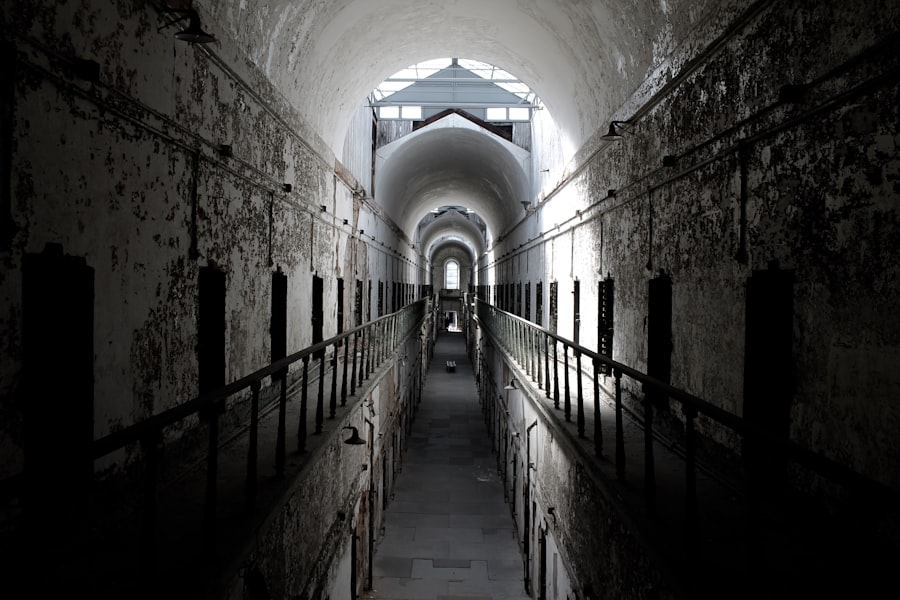
The execution chamber where Saddam Hussein would meet his end was shrouded in secrecy and security. Located within the confines of an Iraqi military facility, the chamber was designed to ensure that the execution was carried out swiftly and efficiently. The starkness of the room, with its bare walls and minimal furnishings, stood in stark contrast to the grandeur that once characterized Hussein’s rule.
It served as a grim reminder of the finality of death and the weight of justice that hung in the air. On December 30, 2006, as the hour of execution approached, a palpable sense of dread filled the chamber. The execution team, composed of military personnel and officials, prepared for their grim task.
They understood the historical significance of this moment; it was not just the end of a life but also a pivotal moment in Iraq’s journey toward healing and rebuilding. The chamber itself became a symbol of both closure for some and unresolved pain for others, encapsulating the complexities of a nation grappling with its past.
The Last Moments of Saddam Hussein

In his final moments, Saddam Hussein exhibited a mix of defiance and resignation. Reports indicate that he remained composed as he faced his executioners, refusing to show fear or regret for his actions during his time in power. His demeanor was emblematic of the man who had ruled Iraq with an iron fist for decades; even in death, he sought to maintain an air of authority.
As he was led to the gallows, he reportedly recited verses from the Quran, reflecting his deep-rooted beliefs and his unwavering conviction in his cause. Witnesses described Hussein’s final moments as both haunting and poignant. He was given an opportunity to speak before his execution, and he used this time to express his loyalty to Iraq and his belief in his legacy.
His words resonated with some who viewed him as a martyr for a cause they believed in, while others saw them as an attempt to manipulate public sentiment even at the end of his life. The complexity of these last moments underscored the enduring impact of Hussein’s rule on Iraq’s collective consciousness.
The Role of the Executioners
| Executioner | Role | Responsibilities |
|---|---|---|
| Medieval Europe | Carrying out death sentences | Beheading, hanging, or other forms of execution |
| Ancient Rome | Enforcing the law | Carrying out capital punishment and corporal punishments |
| Modern times | Execution by legal authority | Administering lethal injection, electrocution, or other methods of execution |
The executioners tasked with carrying out Saddam Hussein’s death sentence were acutely aware of the historical weight of their actions. They were not merely performing a duty; they were participating in a moment that would be etched into history books for generations to come. Each member of the execution team had their own motivations and feelings about their role in this pivotal event.
For some, it was an act of justice; for others, it was a burden they would carry for life. As they prepared for the execution, the executioners faced immense pressure from various factions within Iraq. Some viewed them as heroes delivering justice to a tyrant, while others saw them as instruments of foreign influence and oppression.
This dichotomy added layers of complexity to their task, as they navigated not only their professional responsibilities but also the emotional and ethical implications of taking a life. In many ways, they became symbols of a nation at war with itself—caught between the desire for justice and the haunting memories of violence.
The Reaction of the Witnesses
The witnesses present at Saddam Hussein’s execution experienced a whirlwind of emotions as they bore witness to this historic event. Among them were government officials, military personnel, and members of the media, each bringing their own perspectives and biases to the scene. As Hussein was led to the gallows, reactions varied widely; some expressed relief and satisfaction at seeing justice served, while others felt a profound sense of loss or unease at the finality of death.
The atmosphere in the chamber was charged with tension as witnesses grappled with their feelings about what they were witnessing. For many Iraqis who had suffered under Hussein’s regime, this moment represented a long-awaited reckoning. However, for others who viewed him as a complex figure or even a martyr, there was an unsettling sense that this execution would not bring about the peace or closure they had hoped for.
The diverse reactions among witnesses highlighted the deep divisions within Iraqi society and underscored the challenges that lay ahead in reconciling a fractured nation.
The International Response
Saddam Hussein’s execution elicited a wide range of responses from around the globe. Many world leaders hailed it as a necessary step toward justice and accountability for crimes against humanity. The United States, which had played a significant role in bringing Hussein to trial following its invasion of Iraq in 2003, expressed support for the Iraqi government’s decision to carry out the execution.
For some nations, it signified a triumph over tyranny and an affirmation of international human rights standards. Conversely, there were voices of dissent that criticized the manner in which Hussein’s trial and execution were conducted. Human rights organizations raised concerns about due process and fairness during his trial, arguing that it fell short of international legal standards.
Some countries expressed apprehension that executing Hussein could exacerbate sectarian tensions within Iraq rather than promote healing. This international response reflected not only differing views on justice but also broader geopolitical considerations regarding Iraq’s stability and future.
The Aftermath of the Execution
In the wake of Saddam Hussein’s execution, Iraq found itself at a crossroads. While some celebrated his death as a victory over oppression, others feared that it would ignite further violence and instability within an already fractured society.
The execution did not bring about the anticipated peace; instead, it served as a catalyst for renewed conflict. The Iraqi government faced immense challenges in navigating this turbulent period. Efforts to promote national reconciliation were complicated by lingering resentments and divisions among different ethnic and religious groups.
Many Iraqis continued to grapple with their memories of Hussein’s regime while also confronting new threats posed by insurgent groups seeking to exploit the chaos that followed his death. The aftermath of Hussein’s execution underscored the complexities of rebuilding a nation still haunted by its past.
Controversies Surrounding the Execution
Saddam Hussein’s execution was not without its controversies, which continue to resonate in discussions about justice and accountability today. Critics argued that the trial leading up to his execution lacked transparency and fairness, raising questions about whether true justice had been served. Allegations surfaced regarding political motivations behind both his trial and execution, suggesting that they were influenced by external pressures rather than genuine legal principles.
Moreover, debates emerged regarding the method of execution itself—hanging—which some viewed as barbaric and inconsistent with modern human rights standards. The manner in which Hussein’s death was carried out sparked discussions about ethical considerations surrounding capital punishment in general. These controversies highlighted broader issues related to justice in post-conflict societies and raised important questions about how nations can effectively address past atrocities while fostering reconciliation.
The Impact on Iraq’s Political Landscape
Saddam Hussein’s execution had profound implications for Iraq’s political landscape. In many ways, it marked a turning point in how power dynamics shifted within the country. With Hussein gone, various factions vied for control in an increasingly fragmented political environment.
Sectarian tensions escalated as different groups sought to assert their influence over Iraq’s future direction. The power vacuum left by Hussein’s death created opportunities for both political leaders and insurgent groups alike. While some politicians attempted to promote unity and reconciliation among Iraqis, others exploited divisions for their own gain.
This struggle for power contributed to ongoing instability and violence throughout Iraq, complicating efforts to establish a functioning democracy in the years following Hussein’s execution.
The Legacy of Saddam Hussein
Saddam Hussein’s legacy is one marked by contradictions and complexities that continue to shape perceptions of him today. For many Iraqis who suffered under his regime, he is remembered as a brutal dictator responsible for widespread human rights abuses and atrocities against civilians. His use of chemical weapons against Kurdish populations remains one of the most harrowing aspects of his rule.
Conversely, there are those who view him through a different lens—one that emphasizes nationalism and resistance against foreign intervention. This duality complicates discussions about his legacy; while some see him solely as a tyrant deserving punishment, others argue that he represented a certain vision for Iraq that resonates with segments of society even today. As Iraq continues to navigate its post-Saddam identity, understanding this legacy becomes crucial for fostering dialogue and reconciliation among its diverse population.
Lessons Learned from the Execution
The execution of Saddam Hussein offers several lessons that extend beyond Iraq’s borders and into broader discussions about justice, accountability, and reconciliation in post-conflict societies. One key takeaway is the importance of ensuring fair trials that adhere to international legal standards—an essential component for establishing legitimacy in any judicial process. The controversies surrounding Hussein’s trial highlight how perceptions of fairness can significantly impact public trust in legal institutions.
Additionally, Hussein’s execution underscores the complexities involved in addressing past atrocities while promoting national healing. It serves as a reminder that simply removing a dictator does not automatically resolve underlying societal divisions or grievances; rather, comprehensive efforts toward reconciliation are necessary for building lasting peace. As nations grapple with their own histories of violence and oppression, these lessons remain relevant in shaping approaches to justice and healing around the world.
In exploring the historical context and aftermath of Saddam Hussein’s execution, one might find it insightful to delve into related articles that provide a broader understanding of the events surrounding his regime and its ultimate downfall. A particularly interesting read can be found on the Hey Did You Know This website, which offers a variety of historical insights and lesser-known facts. For those interested in expanding their knowledge on this topic, you can visit their sample page for more information. This resource provides a comprehensive look at various historical events, potentially including those related to Saddam Hussein’s era.
WATCH NOW! How the US Hunted and Captured Saddam Hussein: The Untold Story of Operation Red Dawn
FAQs
What is the Saddam Hussein execution chamber?
The Saddam Hussein execution chamber refers to the location where former Iraqi President Saddam Hussein was executed by hanging on December 30, 2006.
Where was the Saddam Hussein execution chamber located?
The execution took place at Camp Justice, an Iraqi army base in Kadhimiya, a neighborhood of Baghdad, Iraq.
Who was present during Saddam Hussein’s execution?
The execution was attended by a small group of Iraqi officials, witnesses, and members of the media. The identities of the individuals present were not publicly disclosed.
What were the circumstances surrounding Saddam Hussein’s execution?
Saddam Hussein was convicted of crimes against humanity by the Iraqi Special Tribunal for the Dujail massacre, and his execution was carried out following the exhaustion of his legal appeals.
Was the execution of Saddam Hussein controversial?
Yes, the execution of Saddam Hussein was controversial du