
The Cold War, a period marked by geopolitical tension between the Soviet Union and the United States, was not only a clash of ideologies but also a fierce competition in military technology. This era, spanning from the end of World War II in 1945 until the dissolution of the Soviet Union in 1991, saw unprecedented advancements in weaponry and defense systems. The arms race that characterized this period was fueled by a desire for national security, deterrence, and the quest for global dominance.
As both superpowers sought to outdo each other, innovations emerged that would forever alter the landscape of warfare and international relations. Military technology during the Cold War encompassed a wide array of developments, from nuclear arsenals to advanced aircraft and missile systems. The stakes were incredibly high, as the potential for catastrophic conflict loomed over the world.
The introduction of nuclear weapons not only changed the nature of warfare but also introduced a new paradigm of deterrence, where the threat of mutual destruction became a central tenet of military strategy. This technological arms race was not merely about creating more powerful weapons; it was also about demonstrating technological prowess and maintaining a strategic edge over adversaries.
Key Takeaways
- Cold War military technology advanced rapidly, leading to a race for technological superiority between the United States and the Soviet Union.
- The development and use of nuclear weapons raised moral dilemmas and ethical concerns about the devastating impact of these weapons on civilian populations.
- Biological and chemical weapons were also developed and used during the Cold War, posing significant ethical and moral implications for warfare.
- Space warfare raised ethical concerns about the militarization of outer space and the potential impact on international relations and civilian populations.
- Cyber warfare played a significant role in the Cold War, highlighting the ethical implications of using technology to disrupt and attack enemy systems.
The Race for Technological Superiority
The quest for technological superiority during the Cold War was driven by a combination of fear, ambition, and the desire for national pride. Both the United States and the Soviet Union invested heavily in research and development, leading to groundbreaking innovations that would shape military capabilities for decades to come. The development of intercontinental ballistic missiles (ICBMs), for instance, allowed for the rapid delivery of nuclear warheads across vast distances, fundamentally altering the strategic landscape.
This capability not only enhanced deterrence but also raised concerns about the potential for accidental launches or miscalculations. In addition to ICBMs, advancements in radar technology, satellite systems, and reconnaissance aircraft played crucial roles in intelligence gathering and surveillance. The U-2 spy plane and later the SR-71 Blackbird exemplified how aerial reconnaissance could provide critical information about enemy capabilities and intentions.
The race for technological superiority extended beyond conventional weapons; it also encompassed the development of sophisticated defense systems designed to intercept incoming missiles. The Strategic Defense Initiative (SDI), proposed by President Ronald Reagan in the 1980s, epitomized this ambition, as it aimed to create a shield against nuclear attacks through space-based missile defense systems.
The Moral Dilemmas of Nuclear Weapons
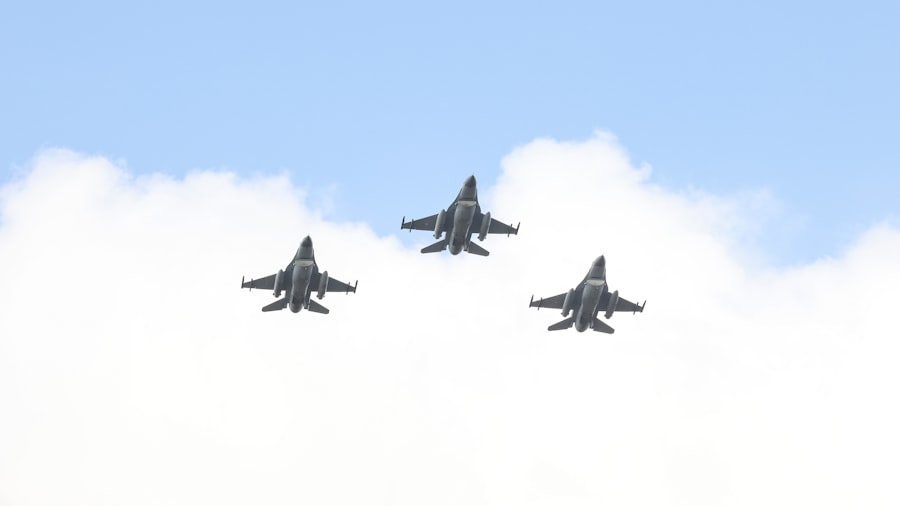
The advent of nuclear weapons brought with it profound moral dilemmas that continue to resonate today. The sheer destructive power of these weapons raised questions about their ethical implications and the responsibilities of those who wield them. The concept of mutually assured destruction (MAD) became a cornerstone of Cold War strategy, suggesting that the possession of nuclear weapons by both superpowers would deter them from engaging in direct conflict.
However, this logic also meant that any miscalculation or accidental launch could lead to catastrophic consequences for humanity.
The decision to develop and stockpile such weapons raises questions about the value placed on human life and the ethical responsibilities of governments.
Critics argue that the existence of nuclear arsenals perpetuates a culture of fear and violence, while proponents contend that they serve as necessary deterrents against aggression. This ongoing debate highlights the complexities of nuclear strategy and the ethical considerations that must be addressed in discussions about disarmament and non-proliferation.
The Use of Biological and Chemical Weapons
| Country | Biological Weapons | Chemical Weapons |
|---|---|---|
| United States | Yes | Yes |
| Russia | Yes | Yes |
| China | Yes | Yes |
| North Korea | Yes | Yes |
While nuclear weapons captured much of the attention during the Cold War, biological and chemical weapons also played a significant role in military strategy and international relations. Both superpowers conducted research into these types of weapons, exploring their potential as tools of warfare. The use of chemical agents during World War I had already demonstrated their devastating effects, leading to international efforts to ban their use.
However, during the Cold War, both sides continued to develop and stockpile chemical weapons as part of their arsenals. Biological weapons, which utilize pathogens or toxins to cause harm or death, presented unique challenges in terms of ethics and control. The potential for widespread devastation from an outbreak caused by biological agents raised alarms among scientists and policymakers alike.
The 1972 Biological Weapons Convention aimed to prohibit the development and stockpiling of such weapons, yet compliance remained a contentious issue. The fear that these weapons could fall into the hands of rogue states or terrorist organizations added another layer of complexity to discussions about their regulation.
The Ethical Implications of Space Warfare
As military technology advanced during the Cold War, space emerged as a new frontier for competition between superpowers. The launch of Sputnik by the Soviet Union in 1957 marked the beginning of the space race, which quickly evolved into a struggle for dominance in space-based military capabilities. The ethical implications of space warfare are profound, as nations grapple with the potential consequences of weaponizing outer space.
The militarization of space raises questions about international law and the preservation of space as a global commons. Treaties such as the Outer Space Treaty of 1967 sought to establish guidelines for peaceful exploration and use of outer space, yet concerns about anti-satellite weapons and space-based missile systems persist. The prospect of conflict extending into space poses risks not only to national security but also to global stability, as nations must navigate the delicate balance between defense needs and cooperative exploration.
The Role of Cyber Warfare in the Cold War
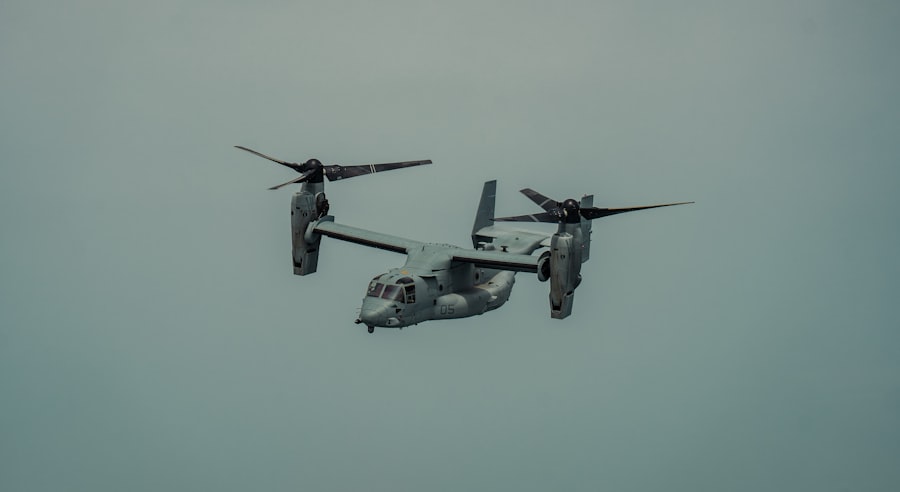
Although cyber warfare as we know it today did not fully emerge until after the Cold War, its roots can be traced back to this era’s technological advancements. As computers became integral to military operations and communication systems, vulnerabilities began to surface that could be exploited by adversaries. The Cold War laid the groundwork for understanding how information technology could be weaponized, leading to new forms of conflict that transcended traditional battlefields.
The potential for cyber attacks to disrupt critical infrastructure or compromise sensitive information introduced a new dimension to national security concerns. While direct cyber warfare was not prevalent during the Cold War, espionage activities involving information gathering through electronic means were common. As both superpowers sought to gain an advantage over one another, they recognized that controlling information could be just as crucial as controlling territory or resources.
The Impact of Military Technology on Civilian Populations
The advancements in military technology during the Cold War had far-reaching consequences for civilian populations around the world. As nations invested heavily in developing sophisticated weaponry, resources were often diverted from social programs and infrastructure development. This prioritization of military spending contributed to economic disparities and social unrest in various regions.
Moreover, the proliferation of advanced weaponry led to conflicts that directly impacted civilian lives. Proxy wars fought in places like Vietnam, Afghanistan, and Central America saw advanced military technologies deployed against local populations, resulting in significant civilian casualties and displacement. The ethical implications of using such technologies against non-combatants continue to be debated today, as societies grapple with the legacy of Cold War conflicts.
The Responsibility of Scientists and Engineers
The role of scientists and engineers in developing military technology during the Cold War raises important questions about professional ethics and responsibility. Many individuals involved in research and development faced moral dilemmas as they contributed to projects with potentially devastating consequences. The responsibility to consider the implications of their work often weighed heavily on those who sought to advance scientific knowledge while navigating complex political landscapes.
In response to these ethical challenges, some scientists took a stand against militarization by advocating for disarmament or promoting peaceful applications of technology. Organizations such as Scientists Against Nuclear Arms emerged as platforms for those who wished to voice their concerns about the implications of their work on global security. This tension between scientific advancement and ethical responsibility continues to resonate today as new technologies emerge with both beneficial and potentially harmful applications.
The Debate over Autonomous Weapons Systems
As military technology continues to evolve, discussions surrounding autonomous weapons systems have gained prominence in recent years. These systems, capable of making decisions without human intervention, raise significant ethical concerns regarding accountability and decision-making in warfare. During the Cold War, while fully autonomous systems were not yet feasible, early developments in robotics and automation hinted at future possibilities that would challenge traditional notions of warfare.
The debate over autonomous weapons centers on questions about moral agency: who is responsible when an autonomous system causes harm? Proponents argue that such systems could reduce human casualties by taking soldiers out of harm’s way; however, critics warn that removing human judgment from life-and-death decisions could lead to unintended consequences and escalation of conflicts. As nations continue to explore these technologies, establishing ethical guidelines becomes increasingly urgent.
International Agreements and Treaties
In response to the challenges posed by military technology during the Cold War, various international agreements and treaties were established to promote disarmament and prevent escalation. Key treaties such as the Nuclear Non-Proliferation Treaty (NPT) aimed to curb the spread of nuclear weapons while encouraging disarmament among existing nuclear states. These agreements represented efforts by the international community to address concerns about arms races and promote stability.
Despite these efforts, compliance with treaties has often been contentious. Nations have sometimes pursued clandestine programs or violated agreements under various pretexts. The challenges associated with verification and enforcement highlight ongoing tensions between national security interests and global disarmament efforts.
As new technologies emerge, adapting existing frameworks or creating new agreements will be essential for addressing contemporary security challenges.
The Legacy of Cold War Military Technology
The legacy of Cold War military technology is complex and multifaceted, shaping contemporary security dynamics in profound ways. Many advancements made during this period laid the groundwork for modern military capabilities while also raising ethical questions that persist today. The arms race fostered an environment where technological innovation was prioritized over diplomatic solutions, leading to an enduring cycle of competition among nations.
Moreover, the impact on civilian populations remains a critical aspect of this legacy. Conflicts fueled by Cold War rivalries continue to affect communities around the world, highlighting the need for reconciliation and healing in post-conflict societies. As nations reflect on this tumultuous period in history, understanding its implications for current military practices is essential for fostering a more peaceful future.
In conclusion, Cold War military technology represents a pivotal chapter in human history that continues to influence contemporary discussions about warfare, ethics, and international relations.
The ethical limits of military technology during the Cold War is a topic that continues to spark debate and reflection. A related article that delves into the broader implications of technological advancements in military contexts can be found on Hey Did You Know This. This article explores how the rapid development of military technology during the Cold War era raised significant ethical questions and challenges that are still relevant today. For more insights, you can read the full article by visiting Hey Did You Know This.
WATCH THIS! The Flying Nuclear Disaster: The Untold Story of the Cold War’s Most Dangerous Aircraft
FAQs
What were the ethical limits of military technology during the Cold War?
During the Cold War, there were ethical concerns surrounding the development and use of military technology, particularly in the areas of nuclear weapons, chemical and biological warfare, and espionage.
What were the ethical concerns regarding nuclear weapons during the Cold War?
The development and use of nuclear weapons raised ethical concerns due to the potential for mass destruction and loss of civilian lives. The concept of mutually assured destruction (MAD) also raised questions about the morality of using nuclear weapons as a deterrent.
What were the ethical concerns regarding chemical and biological warfare during the Cold War?
The use of chemical and biological weapons raised ethical concerns due to the indiscriminate nature of their effects, which could harm civilians and non-combatants. The use of such weapons was also seen as a violation of international treaties and norms.
What were the ethical concerns regarding espionage during the Cold War?
Espionage raised ethical concerns due to the potential for violating individual privacy and sovereignty of other nations. The use of covert operations and intelligence gathering also raised questions about the morality of such activities in the pursuit of national security interests.
How did the ethical concerns of military technology during the Cold War impact international relations?
The ethical concerns surrounding military technology during the Cold War contributed to tensions between the United States and the Soviet Union, as well as other nations. Efforts to address these concerns led to the development of arms control agreements and treaties aimed at limiting the use and proliferation of certain types of military technology.