You stand on the precipice of a bygone entertainment landscape. Before streaming services became ubiquitous, before you could summon any show on demand, there was a different ritual, a different way of experiencing television. This was the analog era, a time when your viewing choices were dictated by schedules, when the magic of broadcast unfolded in real-time, and when the television itself was a focal point of the living room, a bulky monument to technological progress and a window to the world. Navigating this analog universe required a specific set of skills, a certain mindset, and, most importantly, reliable information. This guide is your roadmap to that forgotten territory.
Before you could choose your entertainment, you had to know what was even available. The broadcast schedule wasn’t a suggestion; it was the law. It dictated when your favorite shows would appear, when the news would break, and when the movies, often heavily edited for content, would grace your screen. Understanding how these schedules were constructed and disseminated was the first step in becoming a proficient analog viewer.
The Daily Newspaper: Your Primary Source
Your local newspaper was the undisputed king of television listings. Every morning, or sometimes the night before, a dedicated section would arrive, meticulously detailing the programming for the coming day. This wasn’t a curated selection; it was an exhaustive list, often segmented by channel.
Navigating the Grid: Row by Row, Column by Column
You’d unfold this grid, a somewhat unwieldy document, and scan the channels vertically. Each row represented a time slot, typically in hourly or half-hourly increments. The columns were the individual television stations available in your area. You learned to anticipate these grids, to mark them with a pencil, and to plan your evening around them.
Beyond the Schedule: Movie Listings and Special Programming
While the daily schedule was paramount, newspapers also highlighted special programming. This included weekend movie marathons, holiday specials, and even the occasional premiere of a highly anticipated series. You learned to look for these annotations, as they often represented unique viewing opportunities that wouldn’t be repeated for some time.
Weekly and Monthly Guides: A Deeper Dive
For a more comprehensive overview, you might subscribe to weekly or monthly television guides. These publications offered a broader perspective, covering a longer period and often providing brief synopses of upcoming shows.
Anticipating Series Arcs: Following Storylines
These longer-term guides allowed you to track the progression of your favorite series. You could see upcoming plot points, anticipate major character developments, and plan to be present for significant episodes. Missing an episode meant potentially losing the thread of a narrative, a prospect that fueled a sense of urgency.
Thematic Programming and Special Events
These guides also excelled at highlighting thematic programming, such as “Western Week” or “Classic Film Festival.” They would detail the lineups for these curated events, allowing you to plan your viewing around specific genres or directors.
In the analog era, the TV guide played a crucial role in helping viewers navigate the vast array of programming available on television. It served as an essential tool for scheduling family time around favorite shows and discovering new content, often becoming a staple in households across the country. For a deeper understanding of the significance of TV guides during this time, you can read more in this related article: Hey Did You Know This.
The Mechanics of Reception: Tuning In and Optimizing the Signal
Owning a television was one thing; ensuring you received a clear, stable signal was another. The analog era was an era of antennas, rabbit ears, and the constant battle against static.
The Antenna: Your Gateway to the Airwaves
The antenna was your direct connection to broadcast towers. Its placement and orientation were crucial for optimal reception.
Indoor vs. Outdoor Antennas: A Practical Consideration
You likely had an indoor antenna, often a set of adjustable “rabbit ears.” These were notoriously finicky, requiring constant repositioning to chase down a clear signal for a particular channel. Outdoor antennas, while more effective, involved more significant installation and maintenance.
The Art of Antenna Adjustment: Patience as a Virtue
You learned through trial and error, twirling those rabbit ears, tilting them slightly, and observing the flicker of the image on the screen. Sometimes a minute adjustment could transform a snow-filled mess into a watchable program. This was an interactive process, a physical engagement with the technology of viewing.
The Tuning Dial: A Tactile Interface
The television itself featured a physical tuning dial, a series of knobs that you rotated to select channels. This was a far cry from the sterile buttons of digital remotes.
The “Click” of Channel Selection: A Satisfying Sound
Each click of the dial was a small commitment. You knew precisely which channel you were selecting, and the slight resistance of the knob provided a tactile feedback that is now largely absent.
The Search for a Clear Channel: A Delicate Balance
You’d often have to tune between channels, listening for the faint carrier wave of a station before locking onto its signal. This involved a delicate balance of fine-tuning, ensuring you weren’t too far left or too far right of the desired frequency.
Understanding Interference: Ghosting and Static
Analog signals were susceptible to various forms of interference, leading to visual distortions.
Ghosting: The Phantom Image
“Ghosting” was a common phenomenon, where a faint, secondary image would appear on the screen, slightly offset from the primary one. This was often caused by reflected signals bouncing off nearby buildings.
Static and Snow: The Visual Noise
“Static” or “snow” was the visual representation of a weak or interrupted signal. A screen filled with this meant no program, only chaotic, randomly generated pixels.
The Social Hub: Television as a Shared Experience

In the analog era, television was rarely a solitary pursuit. It was a powerful social connector, drawing families and friends together in the living room.
The Family Gathering: Prime Time Rituals
Evenings were often centered around the television. Families would gather after dinner, their routines aligning with the broadcast schedule.
The Designated “TV Chair”: A Symbol of Importance
There might have been a specific chair, the most comfortable or the best-positioned, that was unofficially designated for serious viewing.
Shared Reactions and Conversations: Engaging with the Content
Laughter, gasps, and debates would erupt from the shared viewing experience. You discussed the plot twists, critiqued the acting, and bonded over the shared emotions elicited by the programs.
Community Viewing: Neighborhood Events and Shared Antennas
In some communities, television played an even more integrated role.
Gathering for Major Events: World Series and Moon Landings
Major sporting events, national broadcasts like the moon landing, or even the premiere of a highly anticipated film were occasions where neighbors might gather in one home to watch together.
Shared Antenna Systems: Early Forms of Cable
In more communal living situations, shared antenna systems, precursors to cable television, facilitated group viewing experiences.
The Limited Palette: Programming Genres and Content Restrictions
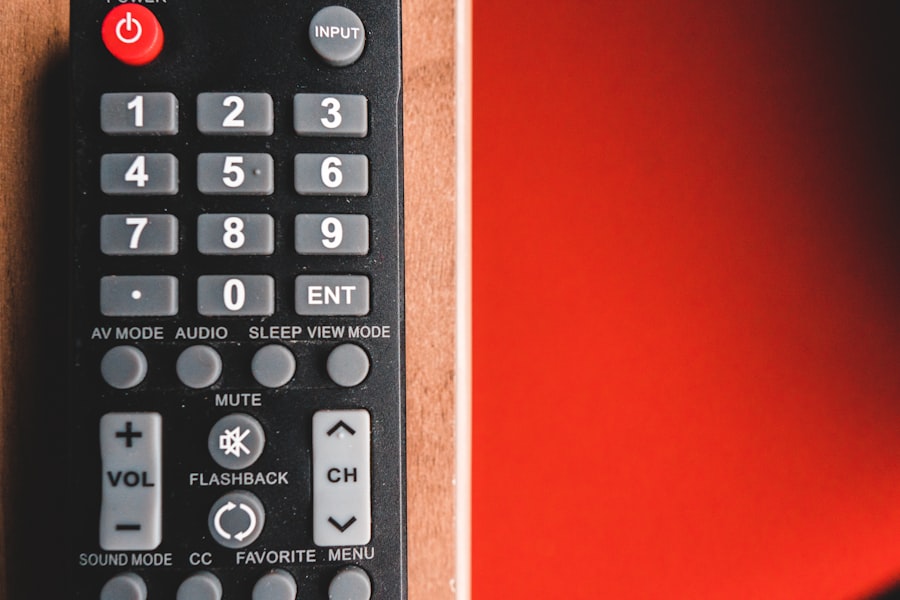
Your viewing options were significantly more constrained than they are today. The programming available was curated by networks and subject to societal norms and regulatory oversight.
The Big Three Networks: Dominating the Airwaves
For a long time, a handful of major networks – ABC, CBS, and NBC in the United States – controlled the vast majority of broadcast television.
Scheduled Series: The Pillars of Entertainment
These networks offered a consistent diet of sitcoms, dramas, news programs, and variety shows. You knew, for example, that a new episode of your favorite sitcom would air on a specific night and time each week.
Limited Genre Diversity: A Predictable Offering
While there was variety within these genres, the overall range of programming was more limited. You wouldn’t find the niche documentaries or experimental content that streaming services now make readily available.
Content Censorship and Standards: Navigating the Boundaries
The analog era was also characterized by stricter content regulations. Networks operated under self-imposed standards and government oversight.
The Hays Code’s Shadow: Influence on Film Broadcasts
Even when broadcasting feature films, the influence of censorship codes like the Hays Code meant that certain scenes or themes might be altered or omitted.
“Family Hour” Policies: Protecting Young Viewers
The concept of “Family Hour,” where broadcast content was expected to be appropriate for all ages during prime time, was a tangible manifestation of these restrictions. You learned that certain content was simply not shown on television, or at least not during certain hours.
The Rise of Public Broadcasting: An Alternative Voice
In many countries, public broadcasting services emerged as an alternative to the commercial networks.
Educational Programming: Expanding Horizons
These organizations often focused on educational content, documentaries, and cultural programming, offering a different kind of viewing experience.
Citizen-Focused Content: A Counterpoint to Mainstream Media
Public broadcasting often aimed to provide a more independent and citizen-focused perspective, tackling subjects that commercial networks might avoid.
In the analog era, the TV guide played a crucial role in helping viewers navigate the vast array of programming options available to them. Without the convenience of digital listings, families relied on these printed guides to plan their viewing schedules and ensure they didn’t miss their favorite shows. For a deeper understanding of how these guides shaped television habits and influenced cultural trends, you can read more in this insightful article about the significance of TV guides during that time. Check it out here: importance of TV guides.
The Analog Legacy: Lessons for the Modern Viewer
| Metrics | Data |
|---|---|
| TV Guide Circulation | Over 20 million copies per week |
| TV Guide Revenue | Over 1 billion annually |
| TV Guide Subscribers | Over 10 million subscribers |
| TV Guide Advertising Revenue | Over 500 million annually |
| TV Guide Influence | Considered essential for TV viewing decisions |
While the analog era may seem like a distant memory, its influence and the lessons learned from navigating it continue to resonate.
The Value of Planned Viewing: Intentional Engagement
The necessity of consulting schedules fostered a sense of intentionality in viewing. You weren’t passively scrolling; you were actively choosing what to watch based on what was available at a specific time.
Cultivating Patience and Appreciation: The Reward of Waiting
The anticipation of a favorite show, the waiting for its scheduled arrival, fostered a different kind of appreciation. It wasn’t instant gratification; it was a reward for patience.
The Tactile and Interactive Experience: A Physical Connection to Technology
The physical act of tuning dials, adjusting antennas, and holding a printed guide created a more tactile and interactive relationship with your entertainment.
The Social Fabric of Shared Media: Reconnecting Through Content
The social aspect of analog television, gathering with others to watch, highlights the power of shared media experiences to foster connection and community.
The Collective Memory of Broadcast Events: Unforgettable Moments
Many of the most significant cultural moments you experienced were likely through the shared lens of broadcast television, creating a collective memory that binds generations.
The Diminishing Focus on Shared Public Spaces for Entertainment: A Lost Aspect of Community
As media becomes increasingly individualized, the analog era reminds you of the value of shared public spaces for entertainment and the sense of community they could foster.
You inhabited a world where television was not merely a device but an event, a scheduled appointment with imagination and information. Understanding the analog era is not about dwelling in the past, but about appreciating the evolution of how you consume media and perhaps rediscovering the deliberate engagement that once defined the act of watching.
FAQs
What was the TV guide in the analog era?
The TV guide in the analog era was a printed publication that provided viewers with a schedule of television programs airing on various channels. It was an essential tool for viewers to plan their TV viewing and set their VCRs to record their favorite shows.
Why was the TV guide important in the analog era?
The TV guide was important in the analog era because it was the primary source of information for viewers to know what programs were airing on different channels and at what times. Without the TV guide, viewers would have to rely on channel surfing or word of mouth to find out about TV programs.
How did the TV guide benefit viewers in the analog era?
The TV guide benefited viewers in the analog era by providing them with a comprehensive and organized schedule of TV programs, allowing them to plan their viewing in advance and not miss out on their favorite shows. It also helped viewers discover new programs and channels they may not have been aware of.
What were some features of the TV guide in the analog era?
The TV guide in the analog era typically included a grid layout of the week’s TV schedule, program descriptions, channel listings, and special highlights or recommendations. It also often included articles, interviews, and behind-the-scenes information about popular TV shows and stars.
How has the role of the TV guide changed in the digital era?
In the digital era, the role of the TV guide has shifted from printed publications to electronic program guides (EPGs) provided by cable and satellite TV providers, as well as online streaming platforms. Viewers now have access to real-time and interactive TV listings on their TV screens or mobile devices, making the traditional printed TV guide less essential.