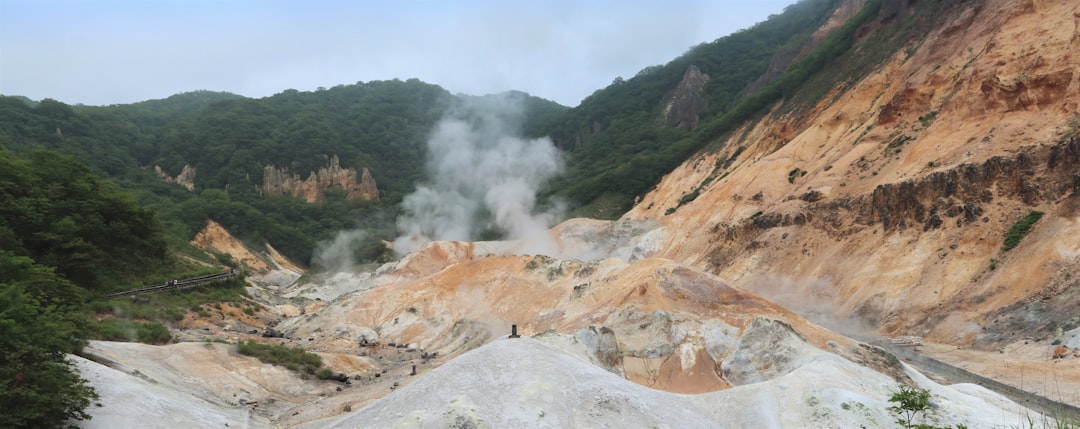
Phosphate, a crucial element for plant life and a key component in fertilizers, is essential for global food security. However, its extraction through mining carries significant environmental consequences. From habitat destruction and water contamination to air pollution and the generation of radioactive waste, the mining of phosphate rock leaves a lasting imprint on the planet. Understanding these impacts is vital for developing more sustainable practices and mitigating the ecological damage associated with this indispensable resource.
Land Use and Habitat Disruption
The most immediate and visible environmental impact of phosphate mining is the extensive alteration of land. Large-scale operations require the clearing of vast tracts of land, leading to deforestation and the destruction of natural habitats.
Deforestation and Biodiversity Loss
Phosphate deposits are often found in areas rich in biodiversity, including forests, wetlands, and grasslands. The process of establishing mines involves clearing these ecosystems, leading to the loss of trees, vegetation, and the displacement or death of countless species of flora and fauna. This habitat fragmentation can isolate populations, reduce genetic diversity, and push vulnerable species towards extinction. The long-term ecological restoration of these mined landscapes is often challenging and can take decades, if not centuries.
Soil Erosion and Degradation
The removal of vegetation cover exacerbates soil erosion. Without the protective blanket of plants and their root systems, wind and rain can easily strip away topsoil, carrying it into nearby waterways. This loss of fertile topsoil diminishes the land’s capacity for natural regeneration and agriculture. The remaining soil in mined areas often becomes compacted, impermeable, and depleted of nutrients, making it difficult for new vegetation to establish and thrive.
Landscape Alteration and Topography Changes
Phosphate mining, particularly strip mining, fundamentally reshapes the landscape. Extensive open-pit mines create enormous craters, while the overburden – the rock and soil removed to access the phosphate ore – is often piled into large dumps, creating artificial hills and altering natural drainage patterns. These significant topographical changes can create long-term challenges for land reclamation and ecosystem recovery.
Phosphate mining has significant environmental impacts, including habitat destruction, water pollution, and soil degradation. For a deeper understanding of these issues, you can explore a related article that discusses the various consequences of phosphate extraction on ecosystems and local communities. This article provides valuable insights into the balance between agricultural needs and environmental sustainability. To read more about it, visit this link.
Water Resources Contamination
Water is inextricably linked to phosphate mining, both as a resource used in the extraction process and as a potential recipient of pollutants. The industry’s operations can have detrimental effects on both surface and groundwater quality.
Acid Mine Drainage and Heavy Metal Leaching
The mining process often exposes sulfide minerals in the rock to air and water, leading to the formation of sulfuric acid. This acidic water, known as acid mine drainage (AMD), can leach heavy metals like cadmium, lead, arsenic, and uranium from the surrounding rock. AMD can contaminate rivers, lakes, and groundwater sources, rendering them toxic to aquatic life and unsafe for human consumption or agricultural use. The corrosive nature of AMD can also damage infrastructure.
Phosphate Runoff and Eutrophication
While phosphorus is essential for plant growth, excessive amounts entering waterways can cause significant ecological imbalances. Phosphate-containing runoff from mine sites, processing plants, and phosphogypsum stacks (discussed later) can lead to eutrophication of surface water bodies. This process involves an overgrowth of algae and aquatic plants, which consume dissolved oxygen when they decompose. The depletion of oxygen can lead to fish kills and disrupt entire aquatic ecosystems, creating “dead zones” where aquatic life cannot survive.
Depletion of Water Resources
Large-scale mining operations require significant quantities of water for dust suppression, ore processing, and the transportation of materials. This can place a substantial strain on local water resources, particularly in arid or semi-arid regions where phosphate deposits are often found. The diversion or depletion of water sources can negatively impact downstream users, including agriculture, municipalities, and natural ecosystems that rely on consistent water flow.
Wastewater Discharge
Wastewater generated during phosphate mining and processing can contain a variety of contaminants, including suspended solids, residual processing chemicals, and dissolved minerals. If not treated adequately, the discharge of this wastewater into surrounding environments can introduce pollutants and alter water chemistry, harming aquatic ecosystems.
Air Quality Degradation
The physical processes involved in mining, from excavation to transportation and processing, release particulate matter and other pollutants into the atmosphere.
Dust and Particulate Matter Emissions
Mining activities, such as blasting, crushing, and the movement of heavy machinery, generate vast amounts of dust. This particulate matter can travel considerable distances, affecting air quality within and around mining sites. Inhaling these fine particles can lead to respiratory problems in workers and nearby communities, as well as contributing to soiling and damage to vegetation and infrastructure.
Release of Gases and Odors
The processing of phosphate rock, particularly the production of phosphoric acid, can release sulfur dioxide (SO2) and nitrogen oxides (NOx) into the atmosphere. These gases are contributors to acid rain and can have adverse effects on human health and vegetation. Some processes also release ammonia and hydrogen sulfide, which can create unpleasant odors and contribute to local air pollution.
Greenhouse Gas Emissions
While not always the primary focus, phosphate mining also contributes to greenhouse gas emissions. The operation of heavy machinery, the transportation of materials, and energy-intensive processing all rely on fossil fuels, releasing carbon dioxide (CO2) and other greenhouse gases that contribute to climate change.
Waste Generation and Disposal
Phosphate mining and processing are inherently waste-intensive activities, generating large volumes of material that require careful management to prevent environmental harm.
Overburden and Tailings
The removal of overburden to access the ore creates vast piles of waste material. Similarly, the milling and processing of phosphate rock generate significant quantities of tailings – finely ground waste rock and residual materials. These tailings are often stored in large impoundments or stacks, which can occupy considerable land area and pose risks if not properly contained.
Phosphogypsum Stacks and Radioactivity Concerns
A major byproduct of the wet-process phosphoric acid production is phosphogypsum. This material is produced in massive quantities, with millions of tons generated annually worldwide. Phosphogypsum contains naturally occurring radioactive materials (NORMs), including uranium and radium, which decay to produce radon gas. These phosphogypsum stacks, some reaching hundreds of feet in height, can leach heavy metals and radionuclides into the soil and groundwater. The long-term management and disposal of these stacks are significant environmental challenges, with a risk of structural failure and widespread contamination.
Chemical Waste from Processing
The chemical processes used to extract and purify phosphate can generate various forms of chemical waste. These can include strong acids, alkalis, and other residual chemicals that require specialized treatment and disposal to prevent pollution of soil and water.
The environmental impact of phosphate mining is a significant concern, as it can lead to habitat destruction and water pollution. A related article discusses the various consequences of this mining process on ecosystems and local communities, shedding light on the urgent need for sustainable practices in the industry. For more insights on this topic, you can read the article here: environmental effects of phosphate mining. Understanding these impacts is crucial for promoting responsible resource management and protecting our natural environment.
Long-Term Land Reclamation and Restoration Challenges
The environmental impacts of phosphate mining extend far beyond the operational phase. Returning mined land to a state where it can support ecosystems or human activities presents significant and often complex challenges.
Difficulty in Reforestation and Vegetation Establishment
The altered soil conditions, compaction, and potential contamination in mined areas make successful reforestation and the establishment of native vegetation extremely difficult. Specialized techniques and significant investment are often required to improve soil structure, reintroduce nutrients, and combat erosion.
Persistent Water Contamination Risks
Even after mining ceases, the risk of water contamination from residual pollutants and acid mine drainage can persist for decades or even centuries. Leaching from waste materials, tailings, and phosphogypsum stacks can continue to release contaminants into groundwater and surface water, requiring ongoing monitoring and remediation efforts.
Ecosystem Function Restoration
Restoring the complex ecological functions of a mined landscape is an immense undertaking. This involves not only re-establishing plant and animal life but also rebuilding soil health, re-establishing hydrological cycles, and reconnecting fragmented habitats. The original biodiversity and ecosystem services may never be fully recovered.
Socioeconomic Considerations
Beyond the direct environmental impacts, land reclamation also raises socioeconomic questions. The future use of reclaimed land, whether for agriculture, conservation, or other purposes, needs careful planning and community engagement. The cost of effective reclamation can be substantial, and debates often arise regarding the responsibility for bearing these costs.
In conclusion, while phosphate is an indispensable resource for modern agriculture and human sustenance, its extraction through mining comes with a substantial environmental cost. The degradation of land, contamination of water and air, generation of hazardous waste, and long-term reclamation challenges necessitate careful consideration. Future strategies must prioritize more sustainable mining practices, innovative waste management solutions, and robust reclamation efforts to minimize the ecological footprint of phosphate extraction and ensure the long-term health of our planet.
FAQs
What is phosphate mining?
Phosphate mining is the process of extracting minerals containing phosphate compounds from the earth’s crust. These minerals are used in the production of fertilizers, animal feed, and other products.
What are the environmental impacts of phosphate mining?
Phosphate mining can lead to a variety of environmental impacts, including habitat destruction, groundwater contamination, and air pollution. The process of extracting and processing phosphate minerals can also result in the release of heavy metals and other pollutants into the environment.
How does phosphate mining affect water quality?
Phosphate mining can have a significant impact on water quality. The process of mining and processing phosphate minerals can lead to the contamination of surface water and groundwater with heavy metals, sediment, and other pollutants. This can have negative effects on aquatic ecosystems and the communities that rely on these water sources.
What are the long-term effects of phosphate mining on the environment?
The long-term effects of phosphate mining on the environment can include the loss of biodiversity, changes in soil composition, and the degradation of natural habitats. Additionally, the release of pollutants into the environment can have lasting impacts on water quality and ecosystem health.
What are some sustainable practices for phosphate mining?
Sustainable practices for phosphate mining include minimizing habitat destruction, implementing water management strategies to reduce contamination, and using advanced technologies to minimize the release of pollutants. Additionally, reclamation efforts can help restore mined areas to a more natural state after mining activities have ceased.