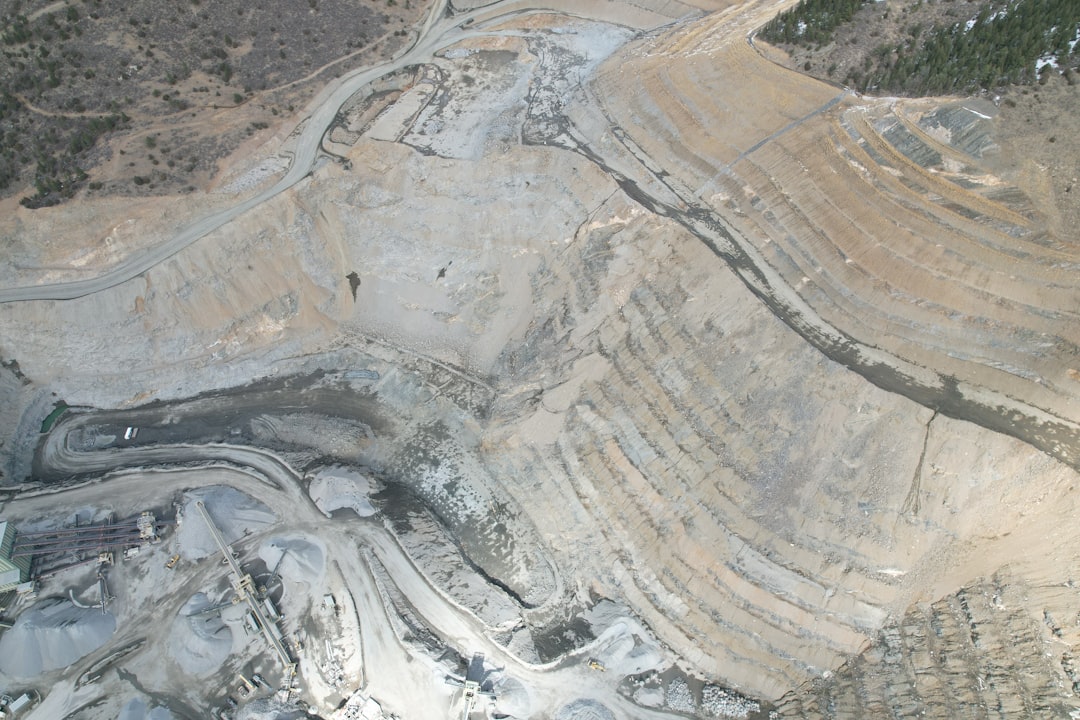
Diamond mining is a global industry focused on extracting diamonds from geological formations for commercial purposes. The industry operates across multiple continents, with primary production centers in Russia, Botswana, Canada, and Australia. These regions contain significant diamond deposits formed through specific geological processes over millions of years.
The extraction of diamonds involves various mining methods, including open-pit mining, underground mining, and alluvial mining, depending on the location and depth of diamond-bearing ore. Open-pit mining is commonly used for kimberlite pipes, while alluvial mining targets diamonds found in riverbeds and coastal areas. Underground mining becomes necessary when diamond deposits are located at greater depths.
Diamond mining operations have documented environmental impacts, including habitat disruption, soil erosion, water contamination, and carbon emissions from heavy machinery and processing facilities. The industry also affects local communities through land displacement, changes in traditional livelihoods, and varying levels of economic benefit distribution. Current global diamond production is measured in millions of carats annually, with industrial applications accounting for approximately 80% of mined diamonds, while gem-quality stones represent the remaining 20%.
The industry has implemented various certification systems and environmental management practices in response to regulatory requirements and consumer awareness regarding mining impacts.
Key Takeaways
- Diamond mining involves complex processes that significantly impact the environment and local communities.
- Major environmental issues include deforestation, water and air pollution, soil erosion, and loss of biodiversity.
- Mining activities often lead to social displacement and human rights concerns, including conflict diamonds.
- Efforts are underway to reduce environmental damage and promote ethical mining practices.
- The future of diamond mining depends on balancing economic benefits with sustainable and responsible approaches.
The Process of Diamond Mining
The journey of a diamond from the depths of the earth to a sparkling gem in a jewelry store is a complex one. Diamond mining typically begins with exploration, where geologists use various techniques to locate potential diamond deposits. Once a viable site is identified, mining operations commence, which can take several forms, including open-pit mining, underground mining, and alluvial mining.
Each method has its own set of challenges and environmental impacts, but they all share a common goal: to extract diamonds efficiently and profitably. Open-pit mining involves removing large quantities of soil and rock to access diamond-bearing ore near the surface. This method can be highly disruptive to the landscape, leading to significant alterations in topography and ecosystems.
In contrast, underground mining requires tunneling deep into the earth, which can be less visible but equally damaging in terms of habitat destruction. Alluvial mining, often conducted by artisanal miners, involves sifting through riverbeds and sediment to find diamonds. While this method may seem less invasive, it can still lead to considerable environmental degradation if not managed responsibly.
Deforestation and Habitat Destruction
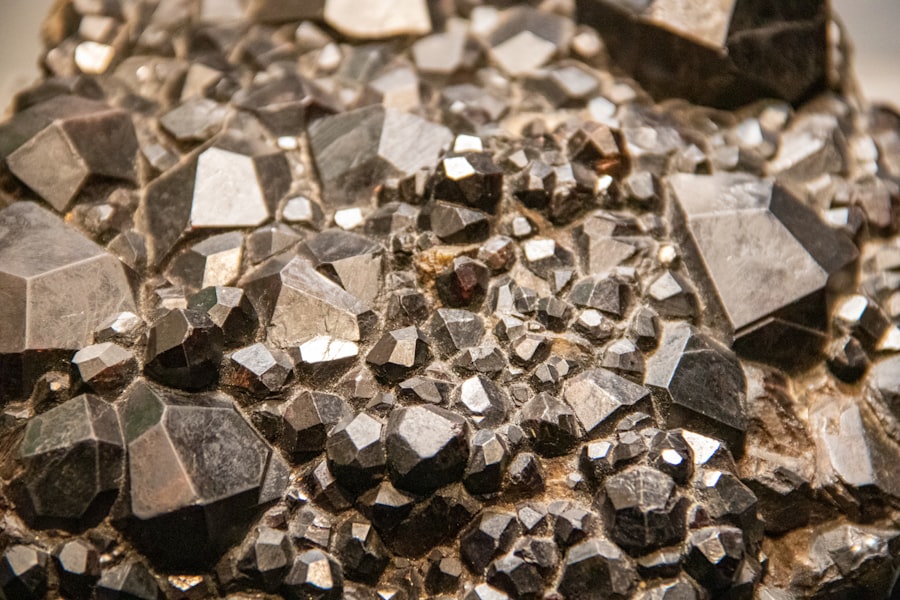
One of the most pressing environmental concerns associated with diamond mining is deforestation. The clearing of forests for mining operations not only destroys vital habitats for countless species but also contributes to climate change by releasing stored carbon dioxide into the atmosphere. In regions where biodiversity is already under threat, such as tropical rainforests, the impact of deforestation can be particularly severe.
The loss of trees disrupts ecosystems, leading to a decline in wildlife populations and altering the delicate balance of nature. Habitat destruction extends beyond just trees; it encompasses entire ecosystems that support various forms of life. As mining operations expand, they encroach upon areas that are home to endangered species and unique flora.
The fragmentation of habitats can isolate animal populations, making it difficult for them to find mates or access food sources. This disruption can lead to a decline in biodiversity, which is essential for maintaining healthy ecosystems and ensuring resilience against environmental changes.
Water Pollution and Contamination
Water pollution is another significant consequence of diamond mining that poses serious risks to both human health and the environment. The extraction process often involves the use of chemicals and heavy machinery that can contaminate nearby water sources. Sedimentation from mining activities can lead to increased turbidity in rivers and streams, disrupting aquatic life and diminishing water quality for local communities.
In many regions where diamond mining occurs, communities rely on freshwater sources for drinking, agriculture, and sanitation. When these water sources become polluted due to mining activities, it can lead to dire consequences for public health. Contaminated water can cause a range of health issues, from gastrointestinal diseases to long-term exposure risks associated with toxic substances.
The struggle for clean water becomes even more pronounced in areas where mining operations are prevalent, highlighting the urgent need for responsible practices that prioritize both environmental protection and community well-being.
Air Pollution and Greenhouse Gas Emissions
| Metric | Description | Impact Level | Notes |
|---|---|---|---|
| Land Disturbance | Area of land cleared or excavated for mining operations | High | Leads to habitat loss and soil erosion |
| Water Usage | Volume of water consumed per ton of ore processed | Moderate to High | Can affect local water availability and aquatic ecosystems |
| Water Pollution | Contamination of water bodies with sediments and chemicals | High | Includes heavy metals and toxic substances from mining waste |
| Greenhouse Gas Emissions | CO2 and other gases emitted from mining equipment and processing | Moderate | Contributes to climate change |
| Biodiversity Loss | Reduction in species diversity due to habitat destruction | High | Impacts local flora and fauna populations |
| Waste Generation | Amount of tailings and mining waste produced | High | Requires proper management to avoid environmental contamination |
| Energy Consumption | Energy used in extraction and processing of diamonds | Moderate | Often relies on fossil fuels |
The air quality surrounding diamond mining sites often suffers due to dust emissions and the operation of heavy machinery. Dust generated during excavation can lead to respiratory issues for workers and nearby residents alike. Additionally, the combustion of fossil fuels used in mining equipment contributes to greenhouse gas emissions, exacerbating climate change.
The cumulative effect of these pollutants can have far-reaching consequences for both local communities and global climate patterns. As awareness of climate change grows, so too does scrutiny on industries that contribute significantly to greenhouse gas emissions. The diamond mining sector is no exception; its practices must be evaluated in light of their environmental impact.
Soil Erosion and Land Degradation
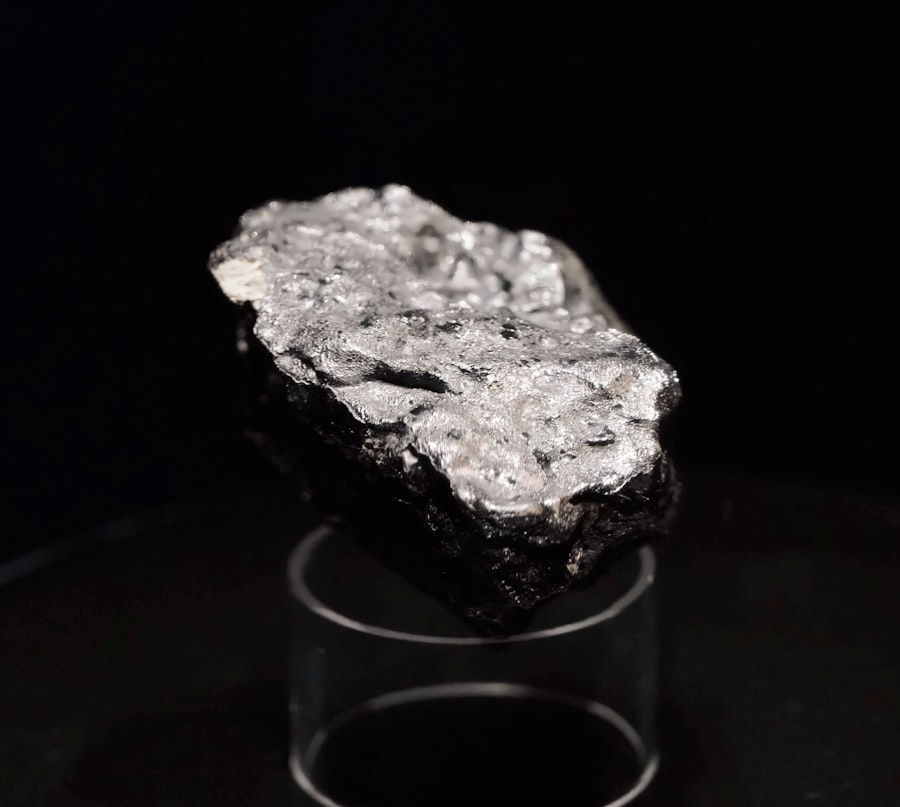
Soil erosion is a critical issue linked to diamond mining that often goes unnoticed until it reaches alarming levels. The removal of vegetation during mining operations destabilizes soil structures, making them more susceptible to erosion by wind and water. This degradation can lead to loss of arable land, affecting local agriculture and food security.
In regions where communities depend on farming for their livelihoods, soil erosion can have devastating economic consequences. Land degradation resulting from mining activities can also hinder natural regeneration processes. Once an area has been stripped of its vegetation and topsoil, restoring it to its original state becomes increasingly challenging.
The long-term effects of land degradation extend beyond immediate economic impacts; they threaten the sustainability of ecosystems that provide essential services such as water filtration, carbon storage, and habitat for wildlife.
Impact on Wildlife and Biodiversity
The impact of diamond mining on wildlife and biodiversity cannot be overstated. As habitats are destroyed or fragmented due to mining activities, many species face increased risks of extinction. The loss of biodiversity diminishes ecosystem resilience, making it harder for natural systems to recover from disturbances such as climate change or disease outbreaks.
Furthermore, many species play crucial roles in maintaining ecological balance; their decline can have cascading effects throughout food webs. In addition to direct habitat loss, diamond mining can disrupt migratory patterns and breeding grounds for various animals. For instance, aquatic species may find their spawning grounds compromised by sedimentation or pollution from mining runoff.
Terrestrial animals may be forced to abandon their territories due to noise pollution or human encroachment associated with mining operations. Protecting wildlife and preserving biodiversity should be integral components of any responsible diamond mining strategy.
Social and Cultural Displacement
The social implications of diamond mining extend far beyond environmental concerns; they also encompass issues related to displacement and cultural disruption. In many cases, local communities are uprooted from their ancestral lands to make way for mining operations. This displacement not only affects individuals’ livelihoods but also erodes cultural identities tied to specific landscapes and traditions.
The loss of land can lead to conflicts over resources as displaced communities struggle to adapt to new environments or find alternative means of sustenance. Additionally, the influx of workers into mining regions can strain local infrastructure and services, leading to tensions between newcomers and long-standing residents. Addressing these social challenges requires a commitment to inclusive practices that prioritize community rights and cultural preservation alongside economic development.
Conflict Diamonds and Human Rights Violations
The term “conflict diamonds” refers to gemstones mined in war zones and sold to finance armed conflict against governments. This dark aspect of the diamond trade has garnered international attention due to its association with human rights violations, including forced labor, child labor, and violence against local populations.
Efforts have been made globally to combat the trade in conflict diamonds through initiatives such as the Kimberley Process Certification Scheme (KPCS). However, challenges remain in ensuring compliance with ethical standards throughout the supply chain. Addressing human rights violations within the diamond industry requires ongoing vigilance from consumers, governments, and organizations committed to promoting ethical sourcing practices.
Efforts to Mitigate Environmental Impact
In response to growing concerns about the environmental impact of diamond mining, various initiatives have emerged aimed at promoting sustainable practices within the industry. Companies are increasingly adopting measures such as reforestation projects, responsible waste management strategies, and community engagement programs designed to minimize ecological footprints while supporting local economies. Additionally, advancements in technology offer promising solutions for reducing environmental harm associated with diamond extraction.
Innovations such as remote sensing and data analytics enable more precise exploration methods that limit land disturbance while maximizing resource recovery. By prioritizing sustainability in their operations, companies can contribute positively to both environmental conservation efforts and community well-being.
Conclusion and Future Outlook
The future of diamond mining lies at a crossroads where economic interests must align with environmental stewardship and social responsibility. As awareness grows regarding the consequences of traditional mining practices, there is an increasing demand for transparency within the industry. Consumers are becoming more discerning about the origins of their purchases, prompting companies to adopt ethical sourcing practices that prioritize sustainability.
Looking ahead, collaboration among stakeholders—including governments, corporations, NGOs, and local communities—will be essential for addressing the multifaceted challenges posed by diamond mining. By fostering dialogue and implementing innovative solutions that balance economic development with environmental protection, it is possible to create a more sustainable future for both diamonds and the planet they come from. Ultimately, the path forward will require a collective commitment to ensuring that the beauty of diamonds does not come at the expense of our environment or humanity’s well-being.
The environmental impact of diamond mining is a significant concern, as it often leads to deforestation, soil erosion, and water pollution. For a deeper understanding of these issues, you can read more in the article available at Hey Did You Know This. This resource provides insights into the ecological consequences of mining practices and highlights the importance of sustainable alternatives in the diamond industry.
📌WATCH THIS! The $50 Billion Lie That Created The Diamond Industry
FAQs
What are the main environmental impacts of diamond mining?
Diamond mining can lead to deforestation, soil erosion, habitat destruction, and water pollution. The extraction process often disturbs large areas of land, affecting local ecosystems and biodiversity.
How does diamond mining affect water resources?
Mining operations can contaminate nearby water bodies with sediment, chemicals, and heavy metals. This pollution can harm aquatic life and reduce the availability of clean water for local communities.
Is diamond mining responsible for greenhouse gas emissions?
Yes, diamond mining involves the use of heavy machinery and transportation, which contribute to greenhouse gas emissions. Additionally, energy-intensive processes used in mining and processing diamonds increase carbon footprints.
Are there differences in environmental impact between alluvial and kimberlite diamond mining?
Yes, alluvial mining, which extracts diamonds from riverbeds and sediment, tends to have less land disturbance but can still impact water quality. Kimberlite mining involves open-pit or underground mining, causing more significant land disruption and habitat loss.
What measures are taken to reduce the environmental impact of diamond mining?
Mining companies may implement land reclamation, water treatment, and waste management practices. Environmental impact assessments and regulations also help minimize damage, and some companies pursue sustainable mining certifications.
Can diamond mining lead to soil degradation?
Yes, the removal of vegetation and topsoil during mining can lead to soil erosion and degradation, reducing land fertility and increasing the risk of desertification in affected areas.
How does diamond mining impact local communities?
Environmental degradation from mining can affect local livelihoods, especially those dependent on agriculture and fishing. Pollution and land disruption may also lead to health issues and displacement of communities.
Are synthetic diamonds a more environmentally friendly alternative?
Synthetic diamonds are generally considered to have a lower environmental impact since they are produced in controlled laboratory settings without the need for extensive land disturbance or mining operations.
What role do regulations play in managing the environmental impact of diamond mining?
Government regulations set standards for environmental protection, requiring mining companies to conduct impact assessments, manage waste, and rehabilitate mined areas. Effective enforcement is crucial to minimizing environmental harm.
Is it possible to mine diamonds sustainably?
While challenging, sustainable diamond mining is possible through responsible practices, including minimizing land disturbance, protecting water resources, rehabilitating ecosystems, and engaging with local communities to ensure social and environmental well-being.