
Fast fashion refers to a clothing production model that emphasizes rapid manufacturing and low-cost retail prices, often at the expense of environmental sustainability and ethical labor practices. This business approach involves retailers releasing new collections frequently, sometimes weekly, to capitalize on emerging trends and maintain consumer engagement through constant purchasing cycles. The fast fashion industry operates by producing garments quickly and inexpensively, making trendy clothing accessible to broad consumer demographics.
Major retailers achieve low prices through streamlined supply chains, bulk production, and cost-cutting measures that often include reduced labor costs and lower-quality materials. This model has transformed the traditional fashion calendar from seasonal collections to continuous product releases. The environmental and social consequences of fast fashion include significant resource consumption, textile waste generation, and labor concerns in manufacturing facilities.
The accelerated production cycle contributes to increased garment disposal rates, as clothing items are frequently discarded after minimal use. This consumption pattern has created substantial waste streams and resource depletion issues within the global textile industry. The fast fashion phenomenon reflects broader consumer behavior patterns and economic structures that prioritize immediate access to trend-driven products over long-term sustainability considerations.
Understanding these industry practices and their implications enables consumers to make more informed purchasing decisions regarding clothing acquisition and disposal.
Key Takeaways
- Fast fashion’s rapid production cycle significantly harms the environment through pollution and waste.
- The industry often exploits workers, leading to serious labor rights violations and poor social conditions.
- Consumer choices play a crucial role in driving demand and influencing the fast fashion market.
- Documentary films have been instrumental in revealing the hidden negative impacts of fast fashion.
- Sustainable fashion and stronger regulations are essential for mitigating fast fashion’s environmental and social damage.
The Rise of Fast Fashion and its Impact on the Environment
The rise of fast fashion can be traced back to the late 20th century when globalization and advancements in technology revolutionized the textile industry. You may recall how brands like Zara and H&M emerged, offering new collections every few weeks, enticing you to refresh your wardrobe regularly. This model has led to an explosion in clothing production, with millions of garments being manufactured each year.
However, this rapid growth comes at a significant cost to the environment. The sheer volume of clothing produced contributes to resource depletion, as vast amounts of water, energy, and raw materials are consumed in the manufacturing process. Moreover, the environmental impact extends beyond resource use.
The fast fashion industry is notorious for its contribution to pollution and waste. As you consider your own shopping habits, it’s important to recognize that many garments are made from synthetic fibers that do not biodegrade, leading to overflowing landfills. The production process also releases harmful chemicals into the air and waterways, further exacerbating environmental degradation.
The rise of fast fashion has created a paradox: while it offers affordable clothing options, it simultaneously threatens the planet’s health and future.
The Social and Economic Costs of Fast Fashion
While the environmental implications of fast fashion are alarming, the social and economic costs are equally concerning. You might be surprised to learn that the low prices you enjoy often come at the expense of workers in developing countries. Many fast fashion brands outsource their production to factories where labor laws are lax or nonexistent.
This results in poor working conditions, long hours, and meager wages for those who produce the clothing you wear. As a consumer, it’s crucial to understand that your choices can perpetuate this cycle of exploitation. Additionally, the fast fashion model undermines local economies and traditional craftsmanship.
As global brands dominate the market, small businesses struggle to compete with their low prices and rapid production cycles. This not only threatens livelihoods but also erodes cultural heritage associated with traditional textile production. By supporting fast fashion, you may inadvertently contribute to a system that prioritizes profit over people and communities.
Recognizing these social and economic costs can empower you to make more ethical choices in your purchasing decisions.
The Environmental Impact of Fast Fashion: Pollution and Waste
The environmental impact of fast fashion is profound and multifaceted. As you explore this issue further, you will find that pollution is one of the most pressing concerns associated with the industry. The production of textiles involves the use of toxic chemicals, dyes, and finishes that can contaminate water sources and harm ecosystems.
When you consider how many garments are produced each year—often in countries with lax environmental regulations—it becomes clear that fast fashion contributes significantly to global pollution levels. Moreover, waste generated by the fast fashion industry is staggering. You may have heard statistics indicating that millions of tons of clothing end up in landfills annually, with many items discarded after only a few wears.
This waste not only occupies valuable land but also contributes to greenhouse gas emissions as textiles decompose. As a conscious consumer, it’s essential to reflect on your own consumption patterns and consider how they contribute to this cycle of waste. By understanding the environmental ramifications of fast fashion, you can take steps toward more sustainable choices.
The Human Cost of Fast Fashion: Exploitation and Labor Rights Violations
| Metric | Value | Unit | Source/Documentary |
|---|---|---|---|
| Water Usage per T-shirt | 2700 | Liters | “The True Cost” (2015) |
| CO2 Emissions from Textile Production | 1.2 | Gigatons per year | “RiverBlue” (2017) |
| Percentage of Clothes Disposed in Landfills | 85 | Percent | “The True Cost” (2015) |
| Average Number of Times a Garment is Worn | 7 | Times | “The True Cost” (2015) |
| Microfiber Pollution Contribution | 35 | Percent of microplastics in oceans | “RiverBlue” (2017) |
| Global Textile Waste per Year | 92 | Million tons | “The True Cost” (2015) |
The human cost of fast fashion cannot be overstated. Behind every garment lies a story—often one of exploitation and labor rights violations. You may be shocked to learn that many workers in the fast fashion supply chain endure unsafe working conditions, long hours, and inadequate pay.
Reports have surfaced detailing instances of child labor, forced labor, and harassment within factories producing clothing for major brands. As you become more aware of these issues, it’s crucial to recognize your role as a consumer in perpetuating these injustices. The exploitation of workers is not just an ethical concern; it also highlights systemic issues within the global economy.
Fast fashion thrives on a model that prioritizes profit margins over human dignity. By choosing to support brands that engage in ethical practices and prioritize fair labor standards, you can help shift the narrative away from exploitation toward empowerment. Your purchasing decisions can send a powerful message about the kind of industry you want to support—one that values people over profits.
The Role of Consumers in the Fast Fashion Industry
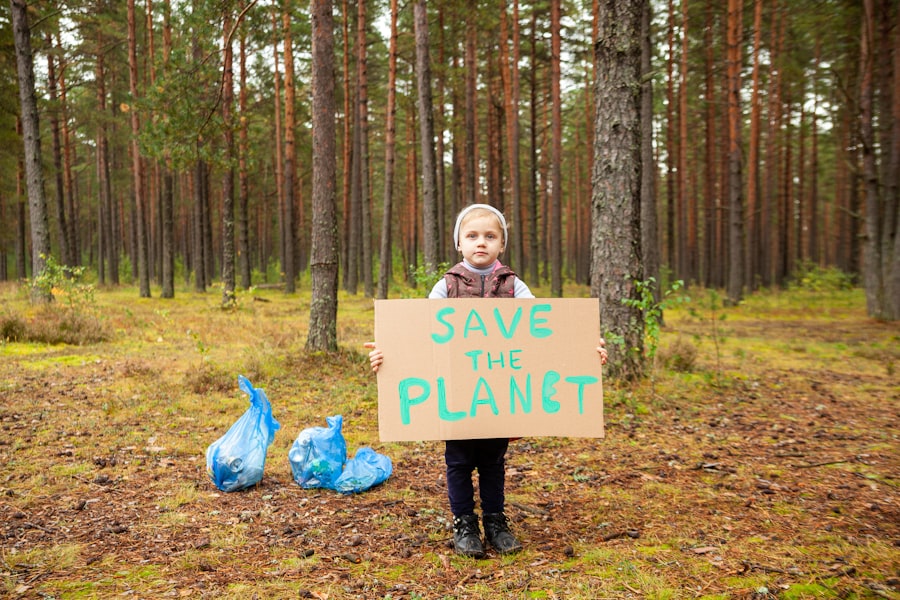
As a consumer, you hold significant power in shaping the fast fashion industry. Your choices influence what brands produce and how they operate. When you opt for fast fashion items, you inadvertently endorse a system that prioritizes speed and cost over sustainability and ethics.
However, by becoming more conscious of your purchasing habits, you can drive change within the industry. You have the ability to support brands that prioritize ethical practices, sustainable materials, and fair labor conditions.
As consumers demand more information about where their clothes come from and how they are made, brands are increasingly held accountable for their practices. Engaging in conversations about sustainability and ethical fashion can inspire others to reconsider their own consumption habits as well.
The Power of Documentary Filmmaking in Exposing Fast Fashion’s Dark Side
Documentary filmmaking has emerged as a powerful tool for exposing the dark side of fast fashion. Films such as “The True Cost” have shed light on the environmental degradation and human rights abuses associated with the industry. As you watch these documentaries, you may find yourself confronted with uncomfortable truths about your own consumption habits.
These films serve not only as eye-opening revelations but also as calls to action for viewers like you. Through compelling storytelling and visual evidence, documentaries can evoke empathy and inspire change. They highlight the stories of individuals affected by fast fashion—workers in factories, environmental activists, and consumers grappling with their choices.
By engaging with these narratives, you can gain a deeper understanding of the complexities surrounding fast fashion and its impact on people and the planet. Documentaries have the power to spark conversations and motivate individuals to take action toward more sustainable practices.
The Importance of Sustainable Fashion Alternatives
In response to the challenges posed by fast fashion, sustainable fashion alternatives have gained traction in recent years. You may have noticed an increase in brands that prioritize eco-friendly materials, ethical production practices, and transparency in their supply chains. These alternatives offer a refreshing departure from the fast fashion model by emphasizing quality over quantity and encouraging mindful consumption.
Sustainable fashion encompasses a range of practices—from upcycling old garments to supporting local artisans who create handmade pieces. By choosing sustainable options, you not only reduce your environmental footprint but also support ethical labor practices and promote a more equitable industry. As you explore these alternatives, consider how they align with your values as a consumer.
Embracing sustainable fashion can empower you to make choices that reflect your commitment to both style and responsibility.
The Need for Industry and Government Regulation
While individual consumer choices play a crucial role in shaping the future of fashion, systemic change requires industry-wide regulations and government intervention. You may be aware that many countries lack stringent regulations governing labor practices and environmental standards within the fashion industry. Advocating for policies that promote transparency, fair wages, and sustainable practices is essential for creating lasting change.
Government regulation can help hold brands accountable for their actions while providing protections for workers and the environment. As a concerned citizen, you can support initiatives aimed at reforming labor laws and promoting sustainable practices within the industry. By engaging with policymakers and advocating for change at a systemic level, you contribute to a movement that seeks to redefine the standards by which fashion operates.
The Call to Action: How Individuals Can Make a Difference
As an individual consumer, you have the power to make a difference in the fight against fast fashion’s negative impacts. Start by educating yourself about the brands you support—research their practices regarding labor rights, environmental sustainability, and transparency in their supply chains. Consider adopting a more mindful approach to shopping by prioritizing quality over quantity; invest in timeless pieces that will last rather than succumbing to fleeting trends.
Additionally, consider exploring second-hand shopping options or participating in clothing swaps with friends or community members. These practices not only extend the life cycle of garments but also reduce waste associated with new production. By sharing your knowledge with others and encouraging them to make conscious choices as well, you can amplify your impact beyond your own wardrobe.
The Future of Fast Fashion and the Environment
The future of fast fashion hangs in a delicate balance between consumer demand and ethical responsibility. As awareness grows regarding its environmental impact and social costs, there is hope for transformation within the industry. You have an opportunity to be part of this change by making informed choices about your clothing purchases and advocating for sustainable practices.
Ultimately, the path forward requires collaboration among consumers, brands, governments, and activists alike. By embracing sustainable alternatives and demanding accountability from those who produce our clothing, we can work toward an industry that values people and planet over profit margins. The future of fashion depends on our collective commitment to creating a more equitable and sustainable world—one garment at a time.
The documentary on the environmental impact of fast fashion sheds light on the devastating effects of the clothing industry on our planet. For those interested in exploring this topic further, a related article can be found at this link, which discusses the broader implications of consumer habits and sustainable alternatives in fashion.
FAQs
What is fast fashion?
Fast fashion refers to the rapid production of inexpensive clothing that mimics current fashion trends. It emphasizes quick turnaround times from design to retail, encouraging frequent purchases and disposability.
How does fast fashion impact the environment?
Fast fashion contributes to environmental degradation through excessive water consumption, pollution from textile dyes and chemicals, high carbon emissions from production and transportation, and large amounts of textile waste ending up in landfills.
What are common environmental issues highlighted in fast fashion documentaries?
Documentaries often focus on water pollution, the use of non-renewable resources, greenhouse gas emissions, waste accumulation, and the exploitation of natural resources associated with fast fashion production.
Why are documentaries about fast fashion important?
These documentaries raise awareness about the hidden environmental and social costs of fast fashion, encouraging consumers to make more sustainable choices and prompting industry changes.
What alternatives to fast fashion are suggested in these documentaries?
Alternatives include buying second-hand clothing, supporting sustainable and ethical brands, choosing higher-quality garments that last longer, and reducing overall consumption.
How can consumers reduce the environmental impact of their clothing choices?
Consumers can reduce impact by purchasing fewer items, choosing sustainable materials, caring for clothes properly to extend their life, recycling or donating old garments, and supporting brands with transparent and ethical practices.
Are there any global initiatives addressing fast fashion’s environmental impact?
Yes, initiatives like the Sustainable Apparel Coalition, Fashion Pact, and various governmental regulations aim to promote sustainability, reduce waste, and improve transparency in the fashion industry.
What role do textile waste and landfills play in fast fashion’s environmental impact?
Fast fashion generates significant textile waste, much of which ends up in landfills where synthetic fibers can take hundreds of years to decompose, releasing harmful chemicals and greenhouse gases.
How does fast fashion affect water resources?
The production of fast fashion garments consumes vast amounts of water, especially in cotton farming and dyeing processes, often leading to water scarcity and pollution in manufacturing regions.
Can watching fast fashion environmental impact documentaries influence consumer behavior?
Yes, many viewers report increased awareness and a shift toward more sustainable shopping habits after watching these documentaries, highlighting their effectiveness in promoting environmental consciousness.