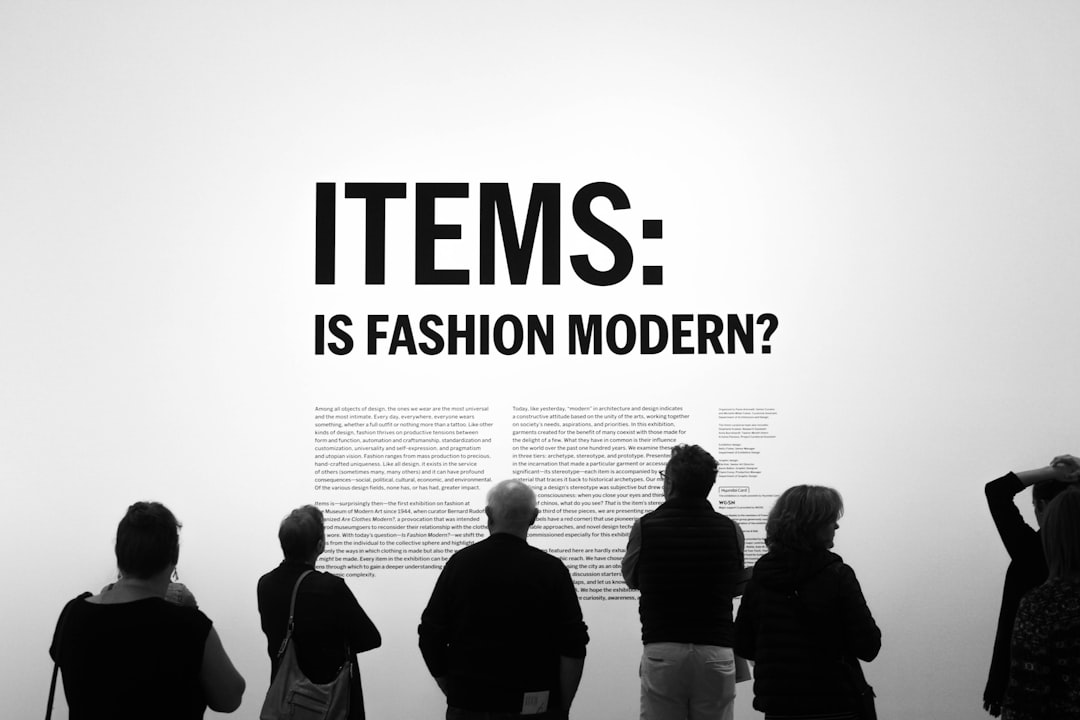
Fast fashion is a significant segment of the clothing industry characterized by the rapid production and distribution of inexpensive garments designed to replicate current trends from fashion shows and social media platforms. Major retailers including Zara, H&M, and Forever 21 have built business models around this approach, offering new inventory at low price points that encourage frequent purchases. The fast fashion model operates on high-volume sales with quick inventory turnover.
Consumers typically purchase items with the intention of wearing them only a limited number of times before disposal. This purchasing pattern reflects the industry’s emphasis on quantity rather than durability or longevity. The appeal of fast fashion stems from its affordability and the ability to access current styles without significant financial investment.
However, this business model has documented consequences. The constant introduction of new styles encourages increased consumption beyond practical need, creating a culture centered on product disposability. The system prioritizes rapid production cycles and profit margins over sustainable manufacturing practices and ethical labor standards.
Understanding these structural elements is important for consumers considering the environmental and social impacts of their purchasing decisions within this industry.
Key Takeaways
- Fast fashion significantly harms the environment through waste and pollution.
- Workers in the fast fashion industry often face exploitation and poor working conditions.
- Social media accelerates fast fashion trends, encouraging excessive consumerism.
- The fashion industry’s lack of transparency hides unethical practices like sweatshops.
- There is a critical need to shift towards sustainable and ethical fashion to protect people and the planet.
The Impact on the Environment
The environmental consequences of fast fashion are staggering and often overlooked in the rush to acquire the latest trends. The production process involves significant resource consumption, including water, energy, and raw materials. For instance, it takes approximately 2,700 liters of water to produce a single cotton t-shirt—enough for one person to drink for two and a half years.
As you purchase more clothing, the demand for these resources escalates, leading to depletion and pollution of vital ecosystems. Moreover, the waste generated by fast fashion is alarming. The average consumer discards around 80 pounds of clothing each year, much of which ends up in landfills.
Synthetic fibers, commonly used in fast fashion garments, can take hundreds of years to decompose. As you contribute to this cycle of consumption and disposal, it’s crucial to recognize the long-term effects on our planet. The fashion industry is responsible for a significant percentage of global carbon emissions, further exacerbating climate change and threatening biodiversity. Learn about the environmental impact of fast fashion and how to make more sustainable choices.
Exploitation of Workers
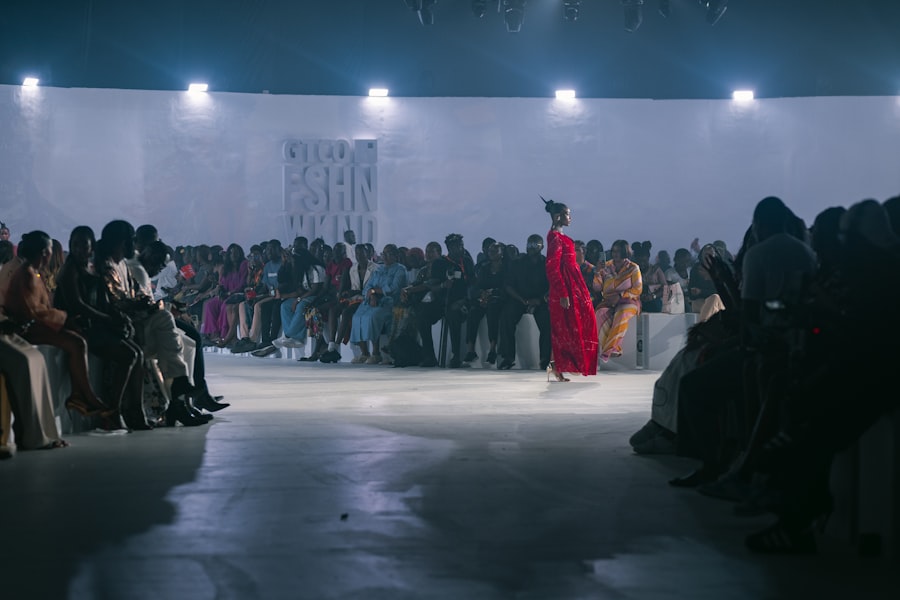
Behind the glossy advertisements and trendy storefronts lies a troubling reality: the exploitation of workers in developing countries. Many fast fashion brands rely on cheap labor to keep production costs low, often outsourcing manufacturing to factories where workers endure poor conditions and minimal pay. As you enjoy affordable clothing, it’s important to consider the human cost associated with these low prices.
The exploitation extends beyond just wages; many workers are denied benefits such as healthcare or paid leave. This systemic issue perpetuates a cycle of poverty and inequality, as workers struggle to make ends meet while producing garments for consumers like you.
By understanding the conditions under which your clothes are made, you can begin to make more informed choices about where you shop and what brands you support.
The Rise of Disposable Fashion
Disposable fashion has emerged as a byproduct of the fast fashion industry, characterized by clothing designed for short-term use rather than longevity. This trend encourages you to view clothing as temporary items rather than investments. With styles changing rapidly and new collections released frequently, it’s easy to fall into the trap of buying items that are meant to be worn only a few times before being discarded.
This mentality not only contributes to environmental degradation but also fosters a throwaway culture that undermines the value of craftsmanship and quality. As you navigate your wardrobe choices, consider the implications of disposable fashion on your personal style and the environment. Investing in timeless pieces that can be worn across seasons not only enhances your wardrobe but also promotes a more sustainable approach to fashion.
The Role of Social Media in Promoting Fast Fashion
| Metric | Value | Details |
|---|---|---|
| Average Garments Produced Annually | 80 billion | Global fast fashion industry output |
| Average Time from Design to Store | 2-4 weeks | Speed of fast fashion production cycle |
| Percentage of Clothes Disposed Within a Year | 60% | Clothing discarded due to fast fashion trends |
| Water Usage per T-shirt | 2700 liters | Water consumed in cotton production |
| CO2 Emissions from Textile Industry | 10% | Share of global emissions attributed to fashion |
| Average Worker Wage in Fast Fashion Factories | Below living wage | Common issue highlighted in exposés |
| Percentage of Clothes Made from Synthetic Fibers | 60% | Contributes to microplastic pollution |
| Number of Documentaries Released (Last 5 Years) | 15+ | Focus on fast fashion’s environmental and social impact |
Social media plays a pivotal role in shaping your perceptions of fashion and influencing your purchasing decisions. Platforms like Instagram and TikTok are flooded with influencers showcasing the latest trends from fast fashion brands, creating an insatiable desire for new items. As you scroll through curated feeds filled with stylish outfits, it’s easy to feel pressured to keep up with the latest looks, often leading to impulsive buying behavior.
The immediacy of social media amplifies the fast fashion cycle, as trends can go viral overnight. This rapid dissemination of information encourages brands to produce clothing at an unprecedented pace, further contributing to environmental harm and worker exploitation. By recognizing the impact of social media on your shopping habits, you can take steps to cultivate a more mindful approach to fashion consumption.
Consumerism and Its Effects on Society
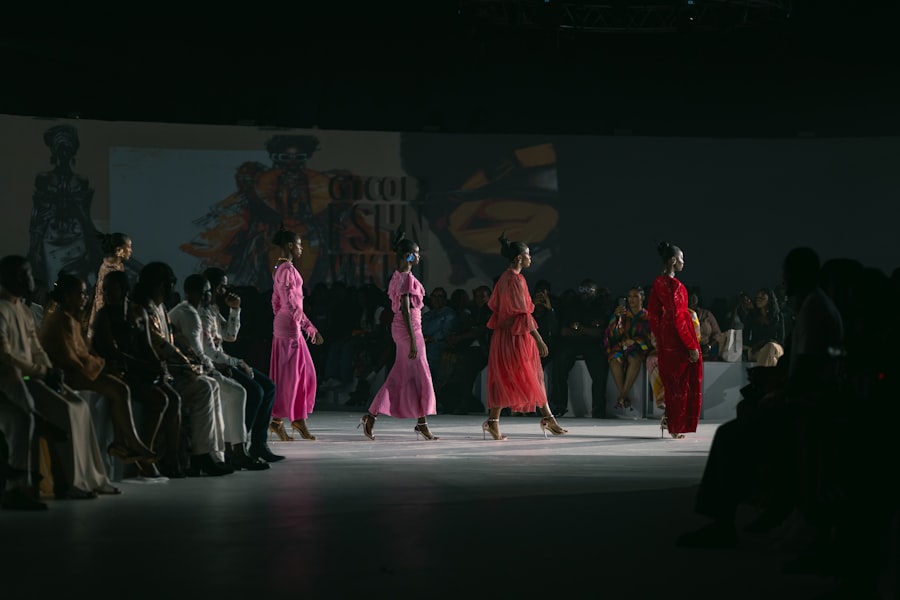
The rise of fast fashion is intricately linked to broader consumerism trends that prioritize material possessions over meaningful experiences. As you engage in shopping sprees fueled by marketing tactics and social media influence, it’s essential to reflect on how this behavior affects not only your life but also society as a whole. The constant pursuit of new clothing can lead to feelings of emptiness and dissatisfaction, as material goods fail to provide lasting happiness.
Moreover, consumerism fosters a culture of competition and comparison among individuals. You may find yourself measuring your worth based on the brands you wear or the frequency with which you update your wardrobe. This mindset can create anxiety and pressure to conform to societal standards, detracting from genuine self-expression and individuality.
By shifting your focus from consumption to creativity and sustainability, you can break free from this cycle and embrace a more fulfilling relationship with fashion.
The Connection Between Fast Fashion and Sweatshops
The connection between fast fashion and sweatshops is a stark reminder of the ethical dilemmas inherent in the industry. Many well-known brands outsource production to factories where labor laws are lax or nonexistent, resulting in deplorable working conditions for employees. As you enjoy affordable clothing options, it’s crucial to acknowledge that these garments may be produced in environments where workers face exploitation and abuse.
Sweatshops often operate under the radar, making it difficult for consumers like you to trace the origins of your clothing. Reports of unsafe working conditions, long hours without breaks, and inadequate pay are common in these facilities. By educating yourself about the supply chain behind your favorite brands, you can advocate for change and support companies that prioritize ethical labor practices.
The Lack of Transparency in the Fashion Industry
Transparency is a significant issue within the fashion industry, particularly concerning fast fashion brands. Many companies do not disclose information about their supply chains or labor practices, leaving consumers in the dark about how their clothing is made. As you navigate your shopping choices, this lack of transparency can make it challenging to make informed decisions about which brands align with your values.
The absence of clear information about sourcing materials or labor conditions perpetuates a culture of ignorance among consumers. You may unknowingly support brands that engage in unethical practices simply because they present themselves as trendy or affordable. By demanding greater transparency from brands and supporting those that prioritize ethical practices, you can contribute to a shift toward accountability within the industry.
The Psychological Effects of Fast Fashion on Consumers
Fast fashion doesn’t just impact the environment or workers; it also has profound psychological effects on consumers like you. The constant influx of new styles can create a sense of urgency that drives impulsive buying behavior. You may find yourself purchasing items not out of necessity but rather due to fear of missing out on trends or deals.
This cycle can lead to feelings of guilt or regret after realizing that many items remain unworn or quickly lose their appeal. Additionally, fast fashion can contribute to negative self-image and body dissatisfaction as you compare yourself to curated images online. The pressure to conform to ever-changing beauty standards can lead to anxiety and low self-esteem.
By recognizing these psychological impacts, you can take steps toward cultivating a healthier relationship with fashion—one that prioritizes self-acceptance over external validation.
The Need for Sustainable and Ethical Fashion Practices
As awareness grows about the detrimental effects of fast fashion, there is an increasing call for sustainable and ethical practices within the industry. You have the power to influence change by supporting brands that prioritize environmentally friendly materials, fair labor practices, and transparent supply chains. By choosing quality over quantity and investing in timeless pieces, you can contribute to a more sustainable future for fashion.
Moreover, advocating for change within your community can amplify your impact. Engaging in conversations about sustainable fashion practices with friends and family can help raise awareness about the issues at hand. Supporting local artisans or thrift stores not only promotes ethical consumption but also fosters creativity and individuality in your wardrobe choices.
Conclusion and Call to Action
In conclusion, fast fashion presents a complex web of challenges that extend beyond mere consumer choice. As you navigate this landscape, it’s essential to consider the environmental impact, worker exploitation, and psychological effects associated with your purchasing decisions. By becoming more informed about the implications of fast fashion, you can take meaningful steps toward fostering a more sustainable and ethical approach to clothing consumption.
Your choices matter—each time you shop, you have the opportunity to support brands that align with your values or challenge those that perpetuate harmful practices. Embrace slow fashion by investing in quality pieces that stand the test of time and reflect your unique style. Together, we can advocate for change within the industry and create a future where fashion is synonymous with sustainability and ethics rather than disposability and exploitation.
In recent discussions about the impact of fast fashion on the environment and society, a compelling article titled “The Hidden Costs of Fast Fashion” provides an in-depth analysis of the industry’s practices and their consequences.
For more information, you can read the article [here](https://www.heydidyouknowthis.com/).
WATCH THIS! 🚨 WARNING: 25 Lies Your Favorite Brands Are Hiding From You
FAQs
What is the fast fashion documentary exposé about?
The fast fashion documentary exposé investigates the environmental, social, and economic impacts of the fast fashion industry. It highlights issues such as labor exploitation, waste generation, pollution, and the unsustainable nature of rapid clothing production and consumption.
Why is fast fashion considered harmful?
Fast fashion is considered harmful because it promotes excessive consumption and waste, relies on cheap labor often under poor working conditions, and contributes significantly to environmental pollution through the use of non-renewable resources, toxic dyes, and massive textile waste.
Who are the main subjects featured in fast fashion documentaries?
Fast fashion documentaries typically feature garment workers, industry experts, environmental activists, fashion designers, and consumers. They provide insights into the human and environmental costs of fast fashion.
What are some common themes explored in fast fashion exposés?
Common themes include labor rights violations, environmental degradation, the lifecycle of clothing, consumer culture, corporate responsibility, and potential solutions such as sustainable fashion and ethical consumerism.
How can consumers make a difference after watching a fast fashion documentary?
Consumers can make a difference by choosing to buy fewer, higher-quality garments, supporting ethical and sustainable brands, recycling or donating clothes, and raising awareness about the impacts of fast fashion.
Are there any well-known fast fashion documentaries?
Yes, some well-known documentaries include “The True Cost,” “RiverBlue,” and “Fashion’s Dirty Secrets,” which have brought significant attention to the issues within the fast fashion industry.
What impact have fast fashion documentaries had on the industry?
These documentaries have increased public awareness, influenced consumer behavior, and pressured brands to adopt more sustainable and ethical practices. They have also sparked discussions about regulatory changes and corporate accountability.
Where can I watch fast fashion documentary exposés?
Fast fashion documentaries are often available on streaming platforms such as Netflix, Amazon Prime Video, YouTube, and other documentary-focused services. Some may also be accessible through educational institutions or public libraries.