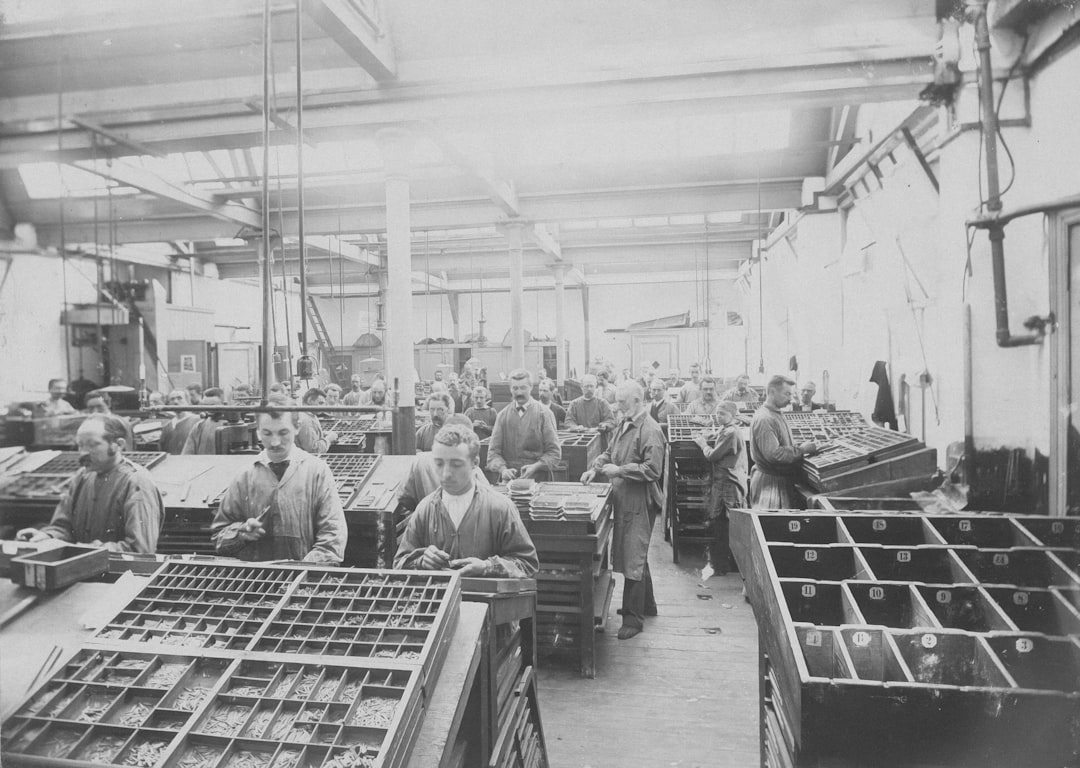
You might find yourself drawn to the idea of a different pace of life, a stark contrast to the constantly connected, always-on culture of today. Perhaps you’ve pondered the perceived simplicity or even the romanticized hardship of a bygone era. In this context, the notion of adopting a lifestyle that mirrors the 1900s factory schedule might emerge, not as an escape, but as a deliberate choice for a more structured and, for some, a more productive existence. This isn’t about advocating for harsh working conditions or the elimination of modern comforts, but rather an exploration of how a disciplined daily rhythm, reminiscent of that historical period, can offer tangible benefits to your contemporary life.
The allure of the 1900s factory schedule lies in its inherent structure. For six and often seven days a week, life revolved around the relentless chime of the factory clock. While this was born out of necessity and a different economic landscape, the underlying principle of clearly defined work periods, followed by equally defined periods of rest and personal time, can be a powerful tool in your modern arsenal. In a world where work can bleed into every hour, and leisure often feels fragmented, embracing a schedule with distinct boundaries can foster a sense of control and contribute to a more balanced life.
Establishing Predictable Rhythms
Think about the predictability of a factory whistle. It signaled a start, a break, and an end. This gave workers a clear framework for their day, allowing for mental preparation and a sense of closure. For you, this translates into establishing clear start and end times for your work, whether that’s a traditional job or your own entrepreneurial endeavors.
The Discipline of the Early Start
Many historical factory schedules began early. While the dawn start might seem unappealing, it offers a quiet, uninterrupted block of time before the usual demands of the day intrude. This period can be dedicated to focused work, personal reflection, exercise, or even a mindful breakfast. The act of waking with purpose, rather than stumbling into the day, can set a positive tone.
The Importance of the Defined Break
The midday lunch break in a factory setting was often a communal affair, a designated period to step away from the machinery and refuel. In your life, this means consciously stepping away from your tasks. It’s not just about eating, but about a genuine pause. This could involve a walk, reading a book, or engaging in a brief conversation that doesn’t involve work-related topics.
The Final Whistle of the Day
The end of the factory shift was a clear demarcation. It meant the work was done for the day, and personal responsibilities or relaxation could begin. For you, this means establishing a firm cutoff point for work. Resist the urge to check emails late into the evening or to continue “just one more task.” This boundary protects your personal time and prevents burnout.
The Mental Shift of Anticipation and Closure
When your day is structured with clear beginnings and endings, your mind can operate more efficiently. Knowing when work starts allows for mental preparation, and knowing when it ends allows for a sense of closure and a more complete transition into downtime. This is in contrast to a fluid schedule where the lines blur, leading to constant low-level stress.
Reducing Decision Fatigue
By pre-determining your schedule, you reduce the number of small decisions you need to make throughout the day. When to start? When to finish? When to take a break? By setting these parameters, you free up cognitive load for more important tasks and creative thinking.
Fostering a Sense of Accomplishment
Completing tasks within designated time blocks can create a tangible sense of accomplishment. When you adhere to your schedule, you can look back at the end of the day and see a clear list of what you’ve achieved, reinforcing your productivity and motivation.
The rigid factory schedule established in the 1900s has had a lasting impact on our modern work culture, influencing everything from office hours to school timetables. This historical framework was designed to maximize productivity during the industrial age, but its remnants continue to shape our daily routines today. For a deeper understanding of how these early practices still affect our lives, you can read more in this insightful article: Why We Live by the 1900s Factory Schedule.
Cultivating Focus: The Absence of Digital Distraction
The 1900s factory environment, while demanding, was largely free from the constant barrage of digital notifications that characterize modern life. Workers were present, their focus primarily on the immediate task at hand. Adopting elements of this focus can significantly enhance your productivity and reduce feelings of overwhelm.
Dedicated Work Blocks
The factory schedule dictated periods of singular focus on a specific task. For you, this means creating dedicated work blocks where your sole objective is to complete a set of tasks without interruption. This requires a conscious effort to eliminate distractions, both internal and external.
The Power of Single-Tasking
In an era that often praises multitasking, the effectiveness of single-tasking becomes apparent when you practice it. By dedicating your full attention to one task at a time, you are likely to complete it more efficiently and with fewer errors. This deliberate focus is a cornerstone of productive output.
Minimizing Context Switching
Every time you switch between tasks, especially those that require different cognitive modes, you incur a “context switching cost.” This means your brain needs time to reorient itself, leading to reduced efficiency and an increased likelihood of mistakes. Implementing the factory schedule’s approach to prolonged task engagement combats this.
Creating a Distraction-Free Environment
The factory floor, while noisy, had a specific kind of distraction. It wasn’t the ping of an email or the enticing scroll of social media. You can recreate aspects of this focus by consciously designing your workspace and your digital habits to minimize interruptions.
Digital Detox Periods
During your dedicated work blocks, you can implement strict digital detox periods. This might involve turning off notifications, closing unnecessary tabs, and even putting your phone in another room. The more you practice this, the easier it becomes to resist the urge to check your devices.
Scheduled Communication
Instead of being available for communication at all hours, consider scheduling specific times to respond to emails, messages, and calls. This allows you to batch your communication, ensuring you are not constantly being pulled away from your primary work. This approach mimics the more formalized communication channels of the past.
Embracing Simplicity: The Value of Routine and Repetition
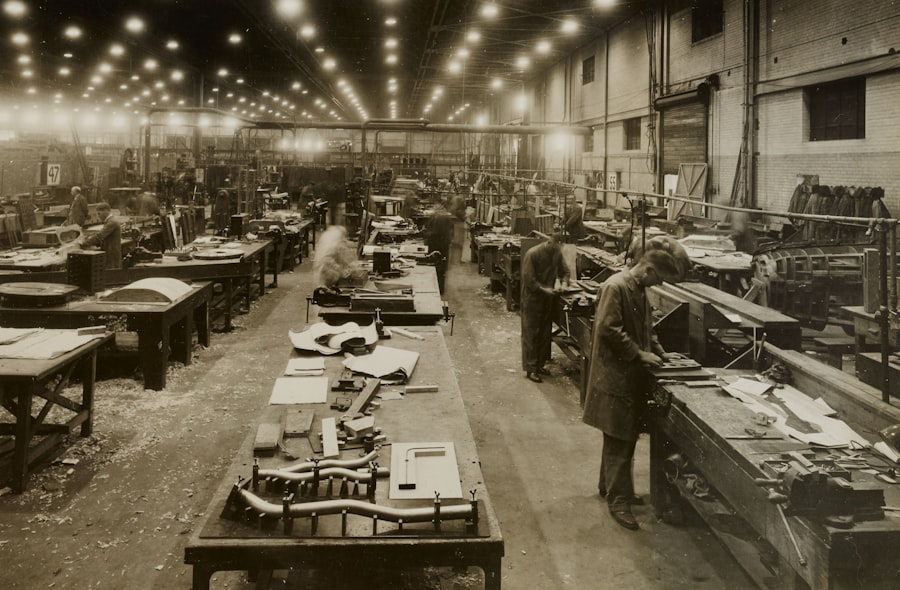
The factory schedule was inherently routine. Workers performed similar tasks, day in and day out. While this might sound monotonous, there’s a hidden benefit to such predictability: it fosters efficiency and reduces mental strain. For you, this translates to finding value in establishing consistent routines for various aspects of your life.
The Comfort of Predictability
Humans are creatures of habit. When your day has a predictable flow, it can reduce anxiety and create a sense of comfort. You know what to expect, which frees up mental energy that would otherwise be spent on planning and decision-making.
Morning Routines as Anchors
Just as the factory whistle served as an early anchor, a consistent morning routine can provide a strong foundation for your day. This could involve waking up at the same time, engaging in a brief period of exercise or mindfulness, and preparing a simple, nourishing breakfast. These small, consistent actions can set a positive tone.
Evening Wind-Down Rituals
Just as the end of the workday offered a transition, establishing an evening wind-down ritual can help you disconnect from work and prepare for rest. This might include reading, a warm bath, or spending quiet time with loved ones. The key is to create a consistent signal to your brain that the day’s work is done.
Efficiency Through Repetition
Performing tasks repeatedly, as was the case on a factory assembly line, leads to mastery and efficiency. You develop muscle memory and an intuitive understanding of the process. While your modern life might not involve physical assembly lines, you can apply this principle to recurring tasks.
Streamlining Household Chores
Think about dedicating specific times for household chores, much like a factory had designated production periods. Perhaps Saturday mornings are for deep cleaning, or evenings are for meal preparation. This creates a predictable rhythm for domestic tasks, preventing them from becoming an overwhelming, ever-present burden.
Batching Similar Tasks
Similar to how factory workers performed the same operation repeatedly, you can improve efficiency by batching similar tasks. This could include dedicating a block of time to paying bills, responding to administrative tasks, or even scheduling appointments. By grouping these activities, you minimize the mental overhead of switching between different types of responsibilities.
Prioritizing Rest and Recovery: The Unsung Benefit of Downtime
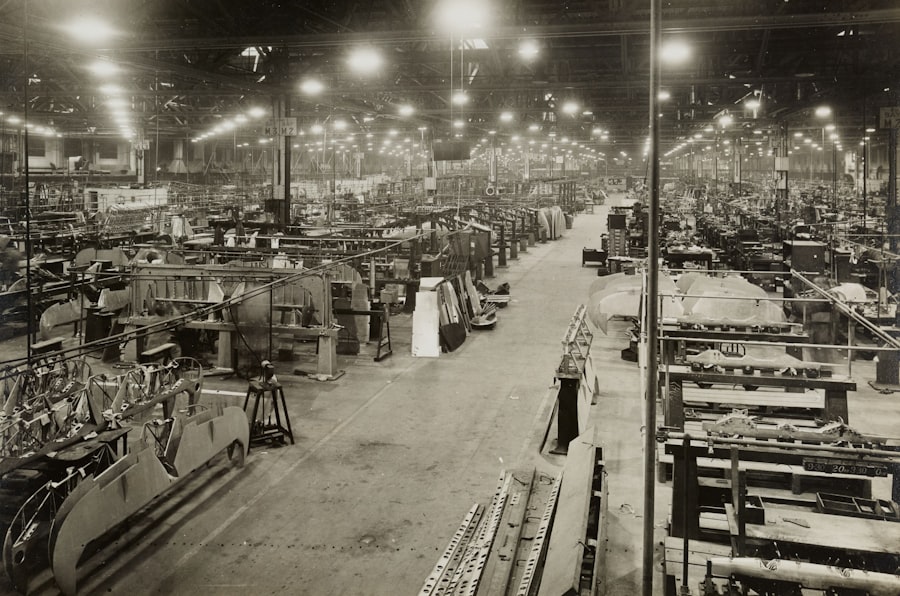
While the 1900s factory schedule was demanding, it also implicitly recognized the need for rest. The limited leisure time was a stark indicator of the importance placed on recuperation after labor. For you, intentionally prioritizing rest and recovery, in a way that resonates with this historical awareness of its necessity, can be transformative.
The Recuperative Power of Dedicated Leisure
The factory worker, upon leaving the plant, had a defined period to rest and engage in personal activities. This downtime was not seen as a luxury, but as a necessary precursor to returning to work refreshed. Your life can benefit from this same intentional approach to leisure.
Unplugged Evenings and Weekends
The most profound benefit of emulating aspects of the factory schedule is the clear delineation between work and personal time. This means intentionally unplugging from work during your designated leisure periods. Avoid checking work emails or engaging in work-related tasks during evenings and weekends.
The Value of True Hobbies and Interests
The factory schedule, by its very nature, left little room for complex or time-consuming hobbies. However, the limited leisure time was often filled with activities that offered genuine enjoyment and respite. For you, this means actively pursuing hobbies and interests that bring you joy and allow you to disconnect from daily pressures. These are not merely distractions, but essential components of well-being.
The Importance of Sleep Hygiene
The demanding nature of factory work underscored the biological necessity of sleep. While the specific hours might differ, the principle of prioritizing consistent, quality sleep remains a critical factor in your overall productivity and well-being.
Consistent Sleep and Wake Times
Just as the factory operated on a consistent schedule, maintaining consistent sleep and wake times, even on weekends, can regulate your body’s natural sleep-wake cycle. This contributes to better sleep quality and improved daytime alertness.
Creating a Restful Sleep Environment
In the past, with fewer artificial light sources and less electronic stimulation, creating a restful sleep environment was more straightforward. For you, this means consciously optimizing your bedroom for sleep. This might include minimizing light and noise, ensuring a comfortable temperature, and avoiding screens before bed.
The rigid factory schedule established in the 1900s has significantly influenced our modern work habits and societal structure, shaping the way we perceive time and productivity. This historical framework, designed to maximize efficiency in industrial settings, has trickled down into various aspects of our daily lives, from the typical 9-to-5 workday to the way we organize our personal schedules. For a deeper understanding of how these industrial practices have permeated our contemporary lifestyle, you can explore this related article on the subject. It sheds light on the lasting impact of these early labor practices and their relevance today. If you’re interested, check out this insightful piece for more information.
Building Resilience: The Strength in Structure and Discipline
| Reasons for Living by the 1900s Factory Schedule |
|---|
| Increased productivity |
| Standardization of work hours |
| Alignment with industrial revolution |
| Efficient use of daylight hours |
| Coordination with transportation schedules |
The disciplined lifestyle exemplified by the 1900s factory schedule, while challenging, also fostered a certain resilience. The ability to adhere to a demanding routine, to push through fatigue, and to rely on oneself built a foundation of inner strength. You can cultivate this same resilience through a structured approach to your modern life.
The Discipline of Self-Imposed Limits
The factory schedule imposed external limits on work hours and activity. For you, the benefit lies in the self-imposed discipline of adhering to these principles, even when external pressures might tempt you otherwise. This act of self-governance builds a strong sense of personal agency.
Overcoming Procrastination Through Scheduled Action
Procrastination is often a symptom of a lack of structure or a feeling of being overwhelmed. By adopting a scheduled approach, you break down tasks into manageable chunks and assign them to specific times. This makes it harder to put things off, as there is a clear expectation of when a task should be addressed.
Developing a Stronger Sense of Accountability
When you commit to a structured schedule, you are ultimately accountable to yourself. This can be a powerful motivator. The satisfaction of meeting your own deadlines and adhering to your own rhythms can build a significant sense of accomplishment and bolster your self-efficacy.
The Mental Fortitude of Routine
The repetitive nature of factory work, while seemingly monotonous, also instilled a sense of mental fortitude. The ability to perform tasks consistently, even when they were not inherently exciting, fostered a mental discipline that extended beyond the factory floor.
Navigating Challenges with a Calm Demeanor
When your life has a consistent underlying structure, you are often better equipped to handle unexpected challenges. The predictability of your daily rhythm can act as an anchor, allowing you to approach disruptions with a calmer, more rational mindset, rather than succumbing to immediate stress.
Cultivating Patience and Perseverance
The factory schedule demanded patience and perseverance. Tasks often involved repetition and required a sustained effort over time. By embracing principles of structure and routine in your own life, you can cultivate these same qualities, which are invaluable in both your personal and professional endeavors.
In conclusion, while the 1900s factory schedule was a product of its time and involved considerable hardship, its underlying principles of structure, discipline, and defined boundaries offer valuable lessons for your modern life. By consciously weaving these elements into your daily existence, you can reclaim your time, enhance your focus, cultivate efficiency, prioritize genuine rest, and build a resilient well-being. This is not about romanticizing the past, but about intelligently adapting its successful frameworks to create a more intentional and productive present.
FAQs
1. What is the 1900s factory schedule?
The 1900s factory schedule refers to the working hours and routine that were commonly followed in factories during the early 20th century. This schedule typically involved long hours of work, often 10-12 hours per day, six days a week.
2. Why did people live by the 1900s factory schedule?
People lived by the 1900s factory schedule because it was the standard working hours and routine set by industrial employers during that time. Many workers had little choice but to adhere to these schedules in order to earn a living and support their families.
3. What were the effects of living by the 1900s factory schedule?
Living by the 1900s factory schedule had various effects on workers, including physical and mental exhaustion, limited leisure time, and strained family relationships. It also contributed to the rise of labor movements and calls for workers’ rights and better working conditions.
4. How did the 1900s factory schedule impact society?
The 1900s factory schedule had a significant impact on society, shaping the structure of the workday and influencing social norms around labor and leisure. It also contributed to the development of labor laws and regulations aimed at protecting workers’ rights and establishing standard working hours.
5. Is the 1900s factory schedule still in use today?
The 1900s factory schedule is no longer the standard working hours and routine in most industrialized countries today. Over time, labor movements, advocacy for workers’ rights, and changes in labor laws have led to the establishment of shorter working hours, weekends off, and other improvements in working conditions.