
Robert Kennedy’s enduring civil rights legacy remains a cornerstone of American history, a complex interplay of political pragmatism, moral evolution, and tangible action during a volatile period. His journey from a behind-the-scenes political operative to a vocal champion for racial equality was not a sudden epiphany, but rather a gradual awakening fueled by observation, experience, and a burgeoning sense of justice. Examining his contributions requires a careful dissection of his role in various administrations, his public pronouncements, and the direct impact of his policies.
Robert F. Kennedy’s initial foray into public service, particularly during his brother John F. Kennedy’s 1960 presidential campaign, did not immediately cast him as a civil rights firebrand. His primary role was that of a ruthless campaign manager and trusted advisor, a figure known for his intensity and strategic acumen. However, even in these early stages, hints of a developing awareness of racial injustice began to emerge. The history of the Kennedy dynasty is both fascinating and tragic.
Attorney General and the Brink of Crisis
As Attorney General under President John F. Kennedy, Robert Kennedy found himself at the heart of the burgeoning civil rights movement. This was a period marked by escalating confrontations, from the Freedom Rides to the integration of the University of Mississippi. His position placed him at the nexus of federal authority and local resistance, forcing him to confront the grim realities of segregation firsthand.
- Federal Intervention: Kennedy authorized the deployment of federal marshals to protect Freedom Riders and ensure the safe passage of James Meredith into the University of Mississippi, a pivotal moment in the struggle against segregation. These actions, while often fraught with tension and met with fierce opposition, demonstrated a commitment to upholding federal law and protecting civil rights activists.
- Dialogue with Civil Rights Leaders: Throughout his tenure, Kennedy engaged in frequent, and often intense, dialogues with prominent civil rights leaders such as Martin Luther King Jr. and James Baldwin. These conversations, sometimes confrontational but always illuminating, exposed him to the raw emotional impact of racial discrimination and deepened his understanding of the systemic nature of injustice.
- The Southern Strategy Dilemma: While committed to enforcement, Kennedy also grappled with the political realities of the Democratic Party’s reliance on the white Southern vote. This tension often led to a cautious approach, balancing federal intervention with attempts at negotiation and de-escalation, a strategy that drew both praise and criticism from various quarters.
From Enforcement to Advocacy
While his initial role as Attorney General focused heavily on legal enforcement and maintaining order, Kennedy’s perspective gradually shifted. The visceral experience of witnessing brutal repression against peaceful protestors and the unwavering courage of civil rights activists began to transform his understanding of the movement’s moral imperative. He recognized that legal victories alone were insufficient to dismantle centuries of systemic racism.
Robert Kennedy’s civil rights legacy is a pivotal chapter in American history, highlighting his commitment to social justice and equality. For a deeper understanding of his impact and the broader context of civil rights during his time, you can explore a related article that delves into the significant events and figures that shaped this movement. To read more, visit this article.
The Pivotal Role in the Civil Rights Act of 1964
Robert Kennedy’s influence was instrumental in the passage of the landmark Civil Rights Act of 1964, even after his brother’s assassination. His sustained efforts, both during President Kennedy’s life and in the interim period, laid crucial groundwork for this legislative triumph.
Shaping Public Opinion and Seeking Bipartisan Support
Even before President Kennedy’s tragic death, Robert Kennedy actively worked to build support for comprehensive civil rights legislation. He understood that such a monumental undertaking required not only moral conviction but also careful political maneuvering.
- Congressional Outreach: Kennedy engaged in extensive lobbying efforts on Capitol Hill, meeting with reluctant congressmen and senators, attempting to persuade them of the urgent need for federal action. He presented the case for civil rights as both a moral imperative and a necessary step to maintain national stability.
- Public Education: He also played a role in public education, using his platform to articulate the injustices faced by African Americans and to build a groundswell of public support for legislative change. He served as a bridge between the activists on the ground and the policymakers in Washington, translating the struggles of the disenfranchised into actionable political priorities.
Navigating the Transition and Sustaining Momentum
Following President Kennedy’s assassination, the passage of the Civil Rights Act became an even more emotionally charged issue. Robert Kennedy, despite his profound personal grief, continued to exert significant influence, working closely with President Lyndon B. Johnson to ensure the bill’s eventual success.
- Continuity of Purpose: His presence and continued advocacy provided a sense of continuity and reinforced the commitment of the Kennedy administration to the civil rights cause. He served as a living testament to the late president’s vision, making it more difficult for opponents to simply dismiss the legislation.
- Strategic Alliance with Johnson: Recognizing President Johnson’s political prowess and deep understanding of Senate procedures, Kennedy formed a strategic alliance, providing invaluable insights and maintaining pressure on lawmakers. This collaboration was crucial in overcoming significant legislative hurdles.
Post-Attorney General: A Broader Vision
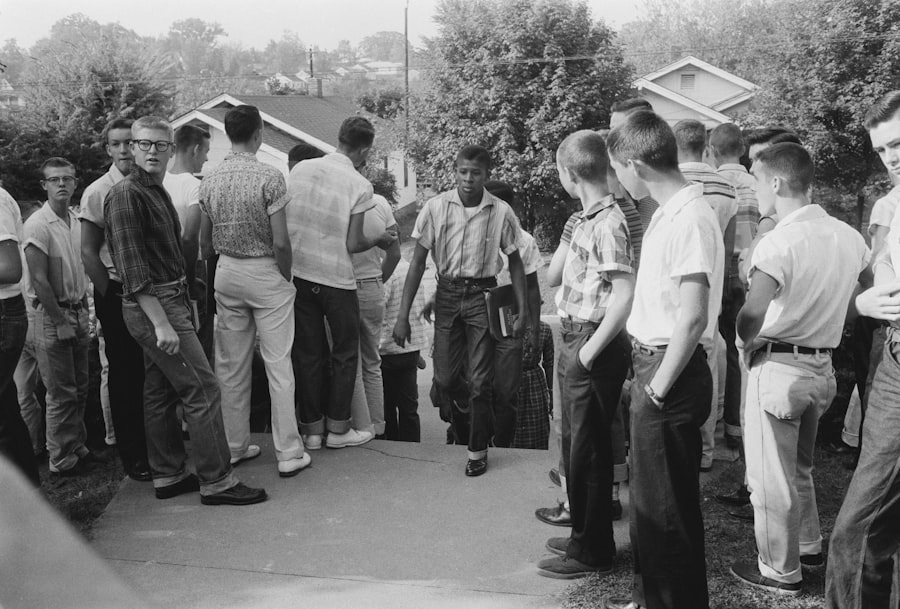
After leaving the Attorney General’s office, Robert Kennedy’s commitment to civil rights broadened considerably. His political trajectory shifted, leading him to the Senate and eventually to a presidential campaign where racial justice was a central tenet of his platform.
Senator from New York and the War on Poverty
As a Senator representing New York, Kennedy immersed himself in the issues of urban poverty and racial inequality, recognizing their interconnectedness. He traveled extensively, visiting impoverished communities across the country, particularly in the Mississippi Delta and the inner cities, bringing a stark personal witness to the plight of millions.
- Poverty as a Civil Rights Issue: Kennedy forcefully argued that economic injustice was a fundamental civil rights violation. He understood that legal equality without economic opportunity was hollow, a sentiment that resonated deeply with figures like Martin Luther King Jr. and inspired comprehensive programs like the “War on Poverty.”
- Community Development Initiatives: He championed innovative community development projects, advocating for direct investment in distressed neighborhoods and empowering local residents to shape their own futures. He believed in fostering self-sufficiency rather than simply providing handouts, a philosophy that continues to inform modern community organizing.
- Native American Rights: Beyond the African American struggle, Kennedy also expanded his focus to other marginalized groups, notably Native Americans. He visited reservations, bearing witness to their systemic neglect and advocating for greater self-determination and respect for treaty rights, thereby broadening the scope of what constituted “civil rights.”
The 1968 Presidential Campaign: A Moral Imperative
Robert Kennedy’s 1968 presidential campaign became a powerful testament to his evolved civil rights perspective. His message resonated deeply with African American communities and those who believed in a more just and equitable society, even as it challenged the established political order.
- A Unified America: Kennedy’s speeches often emphasized themes of national unity and reconciliation, calling for an end to division and a collective effort to address societal ills, including racial injustice. He saw civil rights not as a sectional issue, but as a national one, requiring a national solution.
- Indianapolis and the King Assassination: His impromptu speech in Indianapolis upon hearing of Martin Luther King Jr.’s assassination stands as one of the most poignant moments in American political history. He navigated a city on the brink of violence with a message of peace, understanding, and shared grief, demonstrating his unique ability to connect with people on an emotional level during moments of crisis.
- Bridging Divides: Kennedy actively sought to build coalitions across racial and socio-economic lines, arguing that the struggle for civil rights was ultimately a struggle for the soul of the nation. He understood that genuine progress depended on bringing disparate groups together under a common banner of justice and opportunity.
Enduring Legacy and Contemporary Relevance
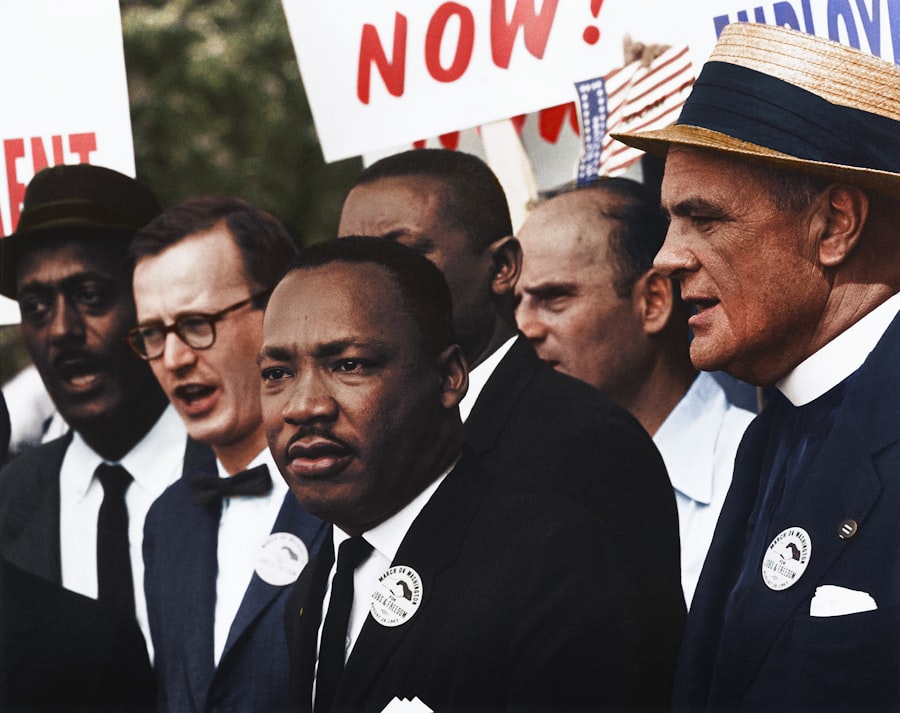
Robert Kennedy’s tragic assassination cut short a promising political career, yet his civil rights legacy continues to resonate with profound significance today. His journey from initial skepticism to passionate advocacy offers a compelling narrative of moral growth and political courage.
A Catalyst for Change
Kennedy’s role in the civil rights movement was multifaceted. He was a legal enforcer, a legislative architect, and ultimately, a moral voice. He used the power of his office and his personal charisma to push the nation towards a more just future, serving as a powerful catalyst for change during a turbulent era.
- The Power of Empathy: His willingness to engage directly with those suffering from discrimination, to listen to their stories, and to bear witness to their struggles, cultivated a deep sense of empathy that informed his policies and pronouncements. He understood that true leadership required not just intellectual understanding, but emotional connection.
- Unfinished Business: Kennedy’s vision for civil rights extended beyond legal equality to encompass economic justice and social uplift. He recognized that while legislative battles were crucial, the long war against systemic inequality required sustained effort and a commitment to address the root causes of poverty and discrimination.
Inspiring Future Generations
Kennedy’s speeches and actions continue to inspire activists, policymakers, and ordinary citizens to confront injustice and work towards a more equitable society. His words, particularly those emphasizing compassion, courage, and the common good, remain potent calls to action.
- The Ripple Effect: His dedication to civil rights created a ripple effect, influencing countless individuals to engage in humanitarian work and social justice advocacy. He left a blueprint for how a public servant could use their position to challenge the status quo and champion the marginalized.
- Continuing the Struggle: The challenges of racial inequality, economic disparity, and social justice persist today. Kennedy’s legacy serves as a powerful reminder that the fight for civil rights is an ongoing process, requiring constant vigilance, persistent advocacy, and unwavering commitment to the ideals of equality and justice for all.
Robert Kennedy’s commitment to civil rights has left an enduring legacy that continues to inspire movements for social justice today. His efforts to combat racial inequality and advocate for the marginalized are explored in depth in a related article that highlights key moments in his journey. For those interested in understanding the impact of his work, you can read more about it in this insightful piece here. Kennedy’s vision for a more equitable society remains relevant as we reflect on the ongoing struggles for civil rights.
The Complexities of a Political Figure
| Metric | Details | Impact |
|---|---|---|
| Role in Civil Rights Movement | U.S. Attorney General (1961-1964), advocate for civil rights enforcement | Strengthened federal enforcement of civil rights laws |
| Key Legislation Supported | Civil Rights Act of 1964 (advocated for its passage) | Prohibited discrimination based on race, color, religion, sex, or national origin |
| Actions Against Segregation | Sent federal marshals to protect Freedom Riders and enforce desegregation | Helped dismantle segregation in interstate travel and public facilities |
| Support for Voting Rights | Advocated for voting rights protections and investigated voter suppression | Laid groundwork for Voting Rights Act of 1965 |
| Relationship with Civil Rights Leaders | Collaborated with Martin Luther King Jr. and other leaders | Built trust between federal government and civil rights activists |
| Legacy in Civil Rights | Remembered as a key federal figure advancing civil rights during early 1960s | Influenced future civil rights policies and enforcement |
It’s crucial to acknowledge that Kennedy, like any historical figure, was not without his complexities. His early career witnessed a pragmatic approach to politics that, at times, led to decisions viewed critically through a modern lens. However, what stands out is his profound capacity for growth and his eventual unwavering commitment to racial justice.
Evolution, Not Perfection
Robert Kennedy’s civil rights journey was one of evolution, a testament to the power of experience and moral conviction to shape a political leader. He moved from a position of relative detachment to one of deep personal engagement, transforming his understanding of justice and its demands.
- Learning from Experience: His encounters with activists, his visits to impoverished communities, and the escalating crises of the civil rights era compelled him to re-evaluate his own perspectives and to confront the deeply embedded racism within American society. This willingness to learn and adapt is a hallmark of his enduring legacy.
- A Call to Action: Ultimately, Kennedy’s story is a powerful reminder that the pursuit of justice is an ongoing endeavor, demanding courage, empathy, and a sustained commitment to challenging inequality in all its forms. His legacy is not merely a historical artifact, but a living inspiration for those who continue to strive for a more just and inclusive world, a world where the dream of equality is not just a promise, but a reality for everyone.
WATCH THIS! 👑 THE KENNEDY DYNASTY: Uncovering Camelot’s Secrets
FAQs
Who was Robert Kennedy?
Robert F. Kennedy was an American politician and lawyer who served as the U.S. Attorney General from 1961 to 1964 and as a U.S. Senator from New York from 1965 until his assassination in 1968. He was a prominent member of the Kennedy family and a key figure in the civil rights movement.
What role did Robert Kennedy play in the civil rights movement?
As Attorney General, Robert Kennedy played a crucial role in enforcing civil rights laws, supporting desegregation, and protecting the rights of African Americans. He worked to ensure the integration of schools and public facilities and supported voting rights for minorities.
How did Robert Kennedy support desegregation?
Robert Kennedy used the power of the Justice Department to challenge segregationist policies, enforce court orders to desegregate schools, and protect civil rights activists from violence and intimidation, particularly in the South.
What was Robert Kennedy’s involvement in voting rights?
Kennedy advocated for the protection of African American voting rights by investigating and addressing voter suppression and intimidation. He supported legislation that aimed to secure equal voting access for all citizens.
Did Robert Kennedy work with civil rights leaders?
Yes, Robert Kennedy collaborated with prominent civil rights leaders such as Martin Luther King Jr. He maintained communication with activists and worked to address their concerns through legal and political channels.
What is Robert Kennedy’s civil rights legacy?
Robert Kennedy’s civil rights legacy includes his commitment to justice and equality, his efforts to enforce civil rights laws, and his advocacy for social change. His work helped lay the groundwork for subsequent civil rights legislation and inspired future generations of activists and politicians.
How is Robert Kennedy remembered in the context of civil rights?
Robert Kennedy is remembered as a courageous and compassionate advocate for civil rights who used his political influence to challenge injustice and promote equality during a pivotal era in American history.