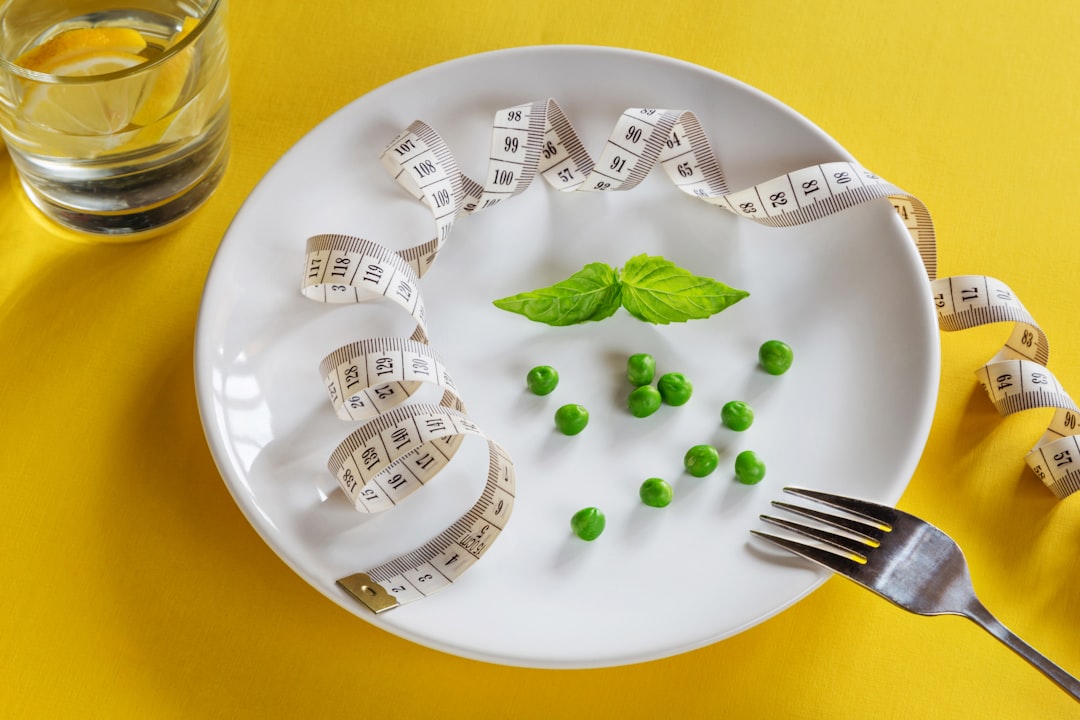
The integrity of nutrients within food supplies is a critical consideration for long-term storage. While the primary goal of food preservation is often to prevent spoilage and microbial growth, the impact on nutritional value cannot be overlooked. Various factors contribute to the gradual decline of vitamins, minerals, and other essential compounds over time. Understanding these processes is fundamental to developing effective storage strategies that minimize nutrient loss.
Factors Influencing Nutrient Stability
Several environmental and intrinsic elements influence how well nutrients withstand the passage of time in stored food. These include temperature, light exposure, oxygen availability, and the inherent chemical properties of specific nutrients themselves.
Temperature-Dependent Degradation
Temperature is perhaps the most significant environmental factor affecting nutrient stability. Elevated temperatures accelerate chemical reactions, including those that lead to nutrient degradation.
Vitamin Sensitivity to Heat
Many vitamins, particularly water-soluble ones like vitamin C (ascorbic acid) and certain B vitamins (thiamine, folate), are highly sensitive to heat. Prolonged exposure to even moderate heat can cause significant loss. For instance, thiamine is particularly labile and can degrade rapidly under heat treatment. Vitamin C is known for its susceptibility to oxidation, a process that is greatly amplified by heat. Fat-soluble vitamins (A, D, E, K) generally exhibit greater heat stability, though they are not entirely immune.
Mineral Stability under Thermal Stress
Minerals are generally more resistant to heat degradation than vitamins. Their ionic or crystalline structures are less prone to breakdown. However, the form in which a mineral is present can influence its behavior. For example, heating can cause some mineral complexes to become less bioavailable. Extreme heat, such as in the context of cooking methods like deep frying, can lead to leaching of certain minerals into the cooking medium.
The Impact of Light Exposure
Light, especially ultraviolet (UV) radiation, can catalyze the breakdown of certain light-sensitive nutrients. This is a common concern for foods stored in transparent containers or exposed to natural or artificial light sources.
Photodegradation of Riboflavin
Riboflavin (vitamin B2) is notoriously sensitive to light. Even brief exposure can lead to significant degradation. This is why many milk cartons are opaque, to protect the riboflavin content. Other vitamins, like vitamin A and certain forms of vitamin B6, can also be affected by light.
Protein and Lipid Sensitivity to Light
While not strictly nutrients in the same category as vitamins and minerals, proteins and lipids are essential components of many foods and can be degraded by light, leading to off-flavors and reduced nutritional quality. Photo-oxidation of lipids can produce rancid compounds.
Oxygen’s Role in Nutrient Oxidation
Oxygen is a reactive element that can directly oxidize and degrade many nutrients, leading to a loss of their nutritional value and potentially the formation of undesirable byproducts. This process is known as oxidative degradation.
Vitamin C and Thiamine Oxidation
Vitamin C readily reacts with oxygen, especially in the presence of moisture and transition metals. This oxidation leads to its conversion into inactive compounds. Thiamine is also susceptible to oxidation, particularly in alkaline conditions.
Lipid Peroxidation and Nutrient Entrapment
The unsaturated fatty acids in lipids are prone to oxidation, a chain reaction that produces a cascade of reactive oxygen species. This lipid peroxidation can not only damage the fatty acids themselves but also trap and degrade other nutrients, such as fat-soluble vitamins, within the lipid matrix. Antioxidants, both natural and added, play a crucial role in mitigating this process.
Nutritional loss in long-term food storage is a critical concern for those looking to maintain a healthy diet while preparing for emergencies or extended periods without fresh food. An insightful article that delves into this topic can be found at Hey Did You Know This, where it discusses the various factors that contribute to nutrient degradation over time and offers tips on how to minimize these losses. Understanding these aspects can help individuals make informed choices about food preservation and storage methods.
Storage Methods and Their Nutritional Consequences
Different food preservation techniques have varying impacts on the nutrient profiles of the food being stored. The chosen method dictates the conditions to which the food is exposed and, consequently, the extent of nutrient loss.
Freezing and Nutrient Retention
Freezing is widely regarded as one of the best methods for preserving nutrients over the long term. The significant reduction in temperature effectively slows down most chemical reactions and inhibits microbial growth.
Minimal Vitamin Loss During Freezing
When performed correctly, freezing causes minimal loss of most vitamins. Blanching, a short period of heat treatment often applied before freezing vegetables, can lead to some water-soluble vitamin loss, but this is generally outweighed by the prevention of enzymatic degradation during storage. The primary concern with freezing is related to texture and color changes rather than significant nutritional depletion.
Mineral Stability in Frozen Foods
Minerals are exceptionally stable during freezing. Their chemical structures are not compromised by the low temperatures. Any loss of minerals that might occur during freezing is typically associated with the blanching process, where water-soluble minerals can be leached into the blanching water.
Dehydration’s Effect on Nutrient Content
Dehydration, the process of removing water from food, significantly reduces spoilage by making the environment unfavorable for microbial growth. However, it can lead to varying degrees of nutrient loss depending on the specific nutrient and the dehydration method used.
Vitamin Degradation During Drying
The heat applied during some drying methods, such as oven drying or freeze-drying (lyophilization), can affect vitamin content. Water-soluble vitamins are particularly vulnerable. Freeze-drying, which involves freezing the food and then sublimating the ice under vacuum, is generally considered to preserve vitamins better than other high-heat drying methods. However, even with reduced heat, some oxidation can still occur.
Mineral Concentration and Bioavailability
Minerals, being inorganic elements, are not degraded by the drying process. In fact, dehydration concentrates the minerals present in the food as water is removed. The primary concern with minerals in dried foods relates to their bioavailability, which can be influenced by the presence of other compounds or the physical state of the food after drying.
Canning and Nutrient Alterations
Canning involves sealing food in airtight containers and then heating it to high temperatures to sterilize the contents. This process effectively inactivates enzymes and eliminates microorganisms, allowing for very long shelf lives.
Heat-Induced Vitamin Losses in Canned Foods
The high temperatures used in the canning process inevitably lead to the degradation of heat-sensitive vitamins, particularly thiamine and vitamin C. Water-soluble vitamins can also leach into the canning liquid. However, canning generally preserves fat-soluble vitamins and minerals relatively well.
Nutrient Leaching into Canning Liquid
During the thermal processing and subsequent storage, water-soluble vitamins and minerals can migrate from the solid food into the canning liquid. Consuming the liquid along with the food can help recover some of these leached nutrients.
Irradiation and Nutritional Impact
Food irradiation is a process that uses ionizing radiation to kill microorganisms, inhibit sprouting, and delay ripening. It is an effective method for extending shelf life and improving food safety.
Minimal Nutrient Degradation with Proper Dosing
When performed within approved dose ranges, food irradiation typically results in minimal nutrient degradation. Vitamins and minerals are generally quite resistant to the radiation doses used. Some minor losses of certain vitamins, like thiamine and vitamin C, can occur at higher doses, but these are often comparable to losses seen in other preservation methods like canning.
Potential for Lipid Oxidation
One area of concern with irradiation is the potential for lipid oxidation, which can lead to off-flavors and the formation of free radicals. However, this can be mitigated through careful control of the irradiation dose and the use of packaging with low oxygen permeability.
Optimizing Storage Conditions for Nutrient Preservation
Effective long-term food storage requires a nuanced approach that considers the specific characteristics of the food and the environmental factors that influence nutrient stability.
The Importance of Cool and Dark Storage
Minimizing exposure to heat and light is a cornerstone of preserving nutrient integrity over extended periods.
Temperature Control and Shelf Life
Lower temperatures slow down enzymatic activity and chemical degradation, thus extending the shelf life of stored foods and preserving their nutritional value. Refrigeration and freezing are paramount for perishable items. For shelf-stable products, avoiding extreme temperature fluctuations is crucial. Storing food in a consistently cool environment, such as a basement or pantry, is beneficial.
Light Protection Strategies
Opaque packaging materials are essential for protecting light-sensitive nutrients. When storing foods in transparent containers, it is advisable to keep them in dark cupboards or pantries, away from direct sunlight or strong artificial lighting. The visual cues of nutrient degradation, such as color changes, can also serve as an indicator of nutrient loss.
Managing Oxygen Exposure
Controlling the availability of oxygen is vital for preventing oxidative degradation of nutrients and lipids.
Vacuum Sealing and Oxygen Absorbers
Vacuum sealing removes the majority of air from packaging, drastically reducing oxygen exposure. Oxygen absorbers, small packets placed within food packaging, actively scavenge residual oxygen, further protecting the food from oxidation. These methods are particularly effective for dry goods, grains, and dehydrated products.
Inert Gas Flushing
Another technique involves flushing packaging with an inert gas, such as nitrogen or argon, before sealing. This displaces the oxygen and creates an oxygen-free environment, significantly slowing down oxidative processes and preserving nutrient quality. This method is commonly used for sensitive products like nuts and seeds.
Packaging’s Crucial Role in Nutrient Protection
The choice of packaging material and its effectiveness in creating a barrier against environmental factors are critical for nutrient preservation.
Barrier Properties of Packaging Materials
Packaging materials vary in their ability to block moisture, oxygen, and light. For long-term storage, materials with excellent barrier properties, such as those used in retort pouches and multilayer films, are preferred. These materials help maintain the integrity of the food by preventing external contaminants and environmental factors from interacting with the product.
Minimizing Headspace and Contamination Risks
Reducing the amount of headspace (the empty space above the food in a container) in packaging minimizes the amount of air available for oxidation. Proper sealing techniques are also paramount to prevent recontamination after storage. Cleanliness during packaging is non-negotiable to avoid introducing microbial load.
Specific Nutrient Considerations in Long-Term Storage
Different nutrients exhibit varying sensitivities and require tailored approaches for preservation. Understanding these individual characteristics allows for more targeted strategies.
Vitamin C: A Delicate Survivor
Vitamin C is one of the most challenging vitamins to preserve due to its high susceptibility to oxidation and heat.
Factors Accelerating Vitamin C Loss
Exposure to heat, light, oxygen, and trace metals (iron and copper) all accelerate the degradation of vitamin C. Therefore, foods rich in vitamin C, especially when intended for long-term storage, need particularly careful handling.
Strategies for Vitamin C Retention
Drying methods that employ lower temperatures and minimal oxygen exposure, such as freeze-drying, are better for preserving vitamin C. Packaging that offers a good barrier against oxygen and light is equally important. Some processed products may have vitamin C added as an antioxidant to protect other components, but this added vitamin C itself is also subject to degradation.
B Vitamins: A Diverse Group with Varying Stability
The B vitamins encompass a range of compounds with differing stabilities, making generalized preservation advice challenging.
Thiamine’s Vulnerability
Thiamine (B1) is particularly sensitive to heat, alkaline conditions, and sulfite preservatives. Processing methods involving significant heat or alkaline environments can lead to substantial thiamine losses.
Riboflavin and Niacin Stability
Riboflavin (B2) is highly light-sensitive but relatively heat-stable. Niacin (B3) is quite stable under most common food processing and storage conditions. Folate (B9), however, is susceptible to heat, oxidation, and light, particularly in liquid environments.
Minerals: Relatively Resilient but Bioavailability Matters
Minerals are generally stable and do not degrade in the same way as vitamins. The primary consideration shifts to their bioavailability.
Retention During Processing
Minerals are largely retained during processes like dehydration and freezing. Canning can lead to some leaching into the liquid. Irradiation generally has little impact on mineral content.
Factors Affecting Mineral Absorption
The absorption of minerals can be influenced by the presence of anti-nutritional factors (like phytates in grains and legumes) or by the overall composition of the diet. While the mineral itself may be present, its ability to be absorbed and utilized by the body can be affected by other food components or physiological factors. Techniques like soaking and sprouting, often used for grains and legumes before storage or consumption, can reduce phytate levels and improve mineral bioavailability.
When considering the impact of long-term food storage on nutritional loss, it’s essential to understand how various preservation methods can affect the quality of food over time. For instance, a recent article discusses the importance of proper storage techniques to minimize nutrient degradation, highlighting that factors such as temperature, light, and moisture play crucial roles. You can read more about this topic in the article found here: nutritional loss in long-term food storage. By being aware of these factors, consumers can make informed decisions to maintain the nutritional value of their stored foods.
Testing and Monitoring Nutrient Levels
Ensuring the nutritional adequacy of long-term food storage goes beyond theoretical understanding and requires practical verification.
Laboratory Analysis for Nutrient Content
For critical applications or for producers, periodic laboratory analysis of stored foods can provide objective data on nutrient levels. This allows for the validation of preservation methods and the identification of any unexpected degradation.
Standardized Testing Procedures
Reputable laboratories use standardized testing procedures to accurately measure the levels of specific vitamins and minerals. These tests can confirm whether the food meets its stated nutritional claims after a period of storage.
Interpreting Results and Adjusting Strategies
Understanding the results of laboratory analyses is key. If significant nutrient losses are detected, it may indicate a need to revise storage conditions, packaging methods, or the duration of storage. This data-driven approach allows for continuous improvement of long-term food preservation strategies.
Shelf-Life Studies and Nutritional Benchmarking
Conducting shelf-life studies is essential for determining how long a food product remains nutritionally viable under defined storage conditions.
Establishing Acceptable Nutrient Thresholds
These studies involve storing samples of the food under anticipated conditions and periodically testing their nutrient content. This helps establish acceptable nutrient thresholds and define the actual shelf life from a nutritional perspective.
Proactive Identification of Nutrient Decline
By benchmarking nutrient levels at different time points, one can proactively identify when significant decline is occurring and adjust recommendations for consumption or rotation of stock accordingly. This ensures that the stored food remains a reliable source of nutrition.
FAQs
What is nutritional loss in long term food storage?
Nutritional loss in long term food storage refers to the degradation of essential nutrients in food over time, which can occur due to factors such as exposure to light, heat, oxygen, and moisture.
What are the main causes of nutritional loss in long term food storage?
The main causes of nutritional loss in long term food storage include exposure to light, heat, oxygen, and moisture, as well as the length of time the food is stored.
Which nutrients are most susceptible to loss in long term food storage?
Vitamins, particularly vitamin C and the B vitamins, as well as minerals such as iron and zinc, are most susceptible to loss in long term food storage.
How can nutritional loss in long term food storage be minimized?
Nutritional loss in long term food storage can be minimized by storing food in airtight containers, in a cool, dark, and dry environment, and by choosing foods that are less susceptible to nutrient degradation.
What are some strategies for maintaining nutritional value in long term food storage?
Some strategies for maintaining nutritional value in long term food storage include using oxygen absorbers, vacuum sealing, and choosing freeze-dried or dehydrated foods, which can retain more nutrients compared to canned or processed foods.