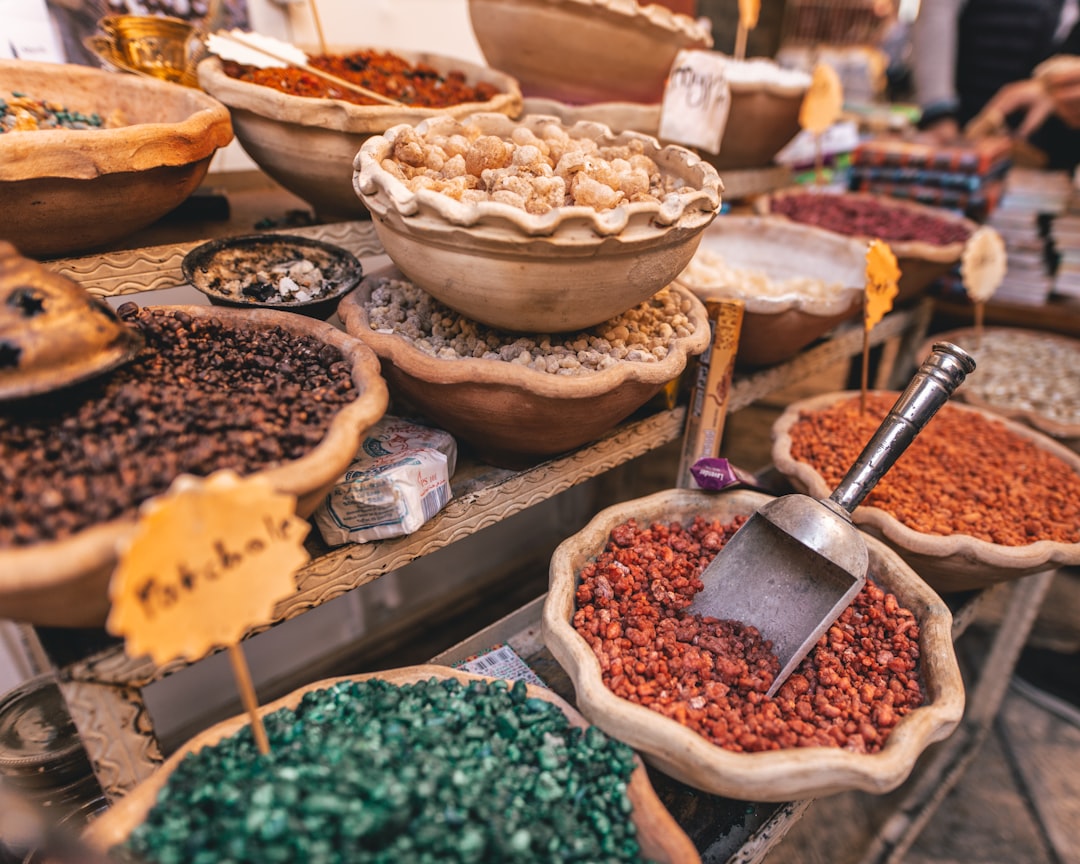
Flavor chemistry is a fascinating field that delves into the intricate science behind the tastes and aromas that define our culinary experiences. At its core, flavor is a complex interplay of taste, smell, and even texture, all of which contribute to the overall perception of food and beverages. The human palate can detect five primary tastes: sweet, sour, salty, bitter, and umami.
However, the experience of flavor extends far beyond these basic tastes. It is heavily influenced by volatile compounds that are released during the cooking process or when food is consumed, which interact with olfactory receptors in the nose. This interaction is what creates the rich tapestry of flavors that people enjoy.
These compounds can be classified into several categories, including esters, aldehydes, alcohols, and terpenes, each imparting distinct characteristics to food. For instance, esters are often responsible for fruity flavors, while terpenes can provide herbal or floral notes.
The complexity of flavor chemistry is further enhanced by the fact that individual compounds can interact with one another, leading to synergistic effects that enhance or modify the overall flavor experience. This intricate web of interactions makes flavor chemistry a vital area of research for food scientists and culinary experts alike.
Key Takeaways
- Flavor chemistry involves understanding the molecular components that create taste and aroma in foods.
- Natural flavors are derived from plant or animal sources, while artificial flavors are synthesized chemically.
- Regulatory agencies oversee both natural and artificial flavors to ensure safety and proper labeling.
- Health, environmental impact, and consumer perception differ between natural and artificial flavor production.
- Innovations in flavor development focus on improving stability, sustainability, and meeting evolving consumer preferences.
Natural Flavors: Sources and Composition
Natural flavors are derived from plant or animal sources and are often perceived as more authentic or wholesome compared to their artificial counterparts. These flavors can be extracted from a variety of sources, including fruits, vegetables, herbs, spices, and even animal products like dairy or meat. The extraction process typically involves methods such as steam distillation, cold pressing, or solvent extraction, which help to isolate the desired flavor compounds while preserving their natural characteristics.
For example, the essential oils extracted from citrus peels are rich in compounds like limonene and citral, which contribute to their characteristic zesty flavor. The composition of natural flavors is incredibly diverse, reflecting the wide range of sources from which they are derived. Each natural flavor contains a unique blend of volatile and non-volatile compounds that contribute to its overall profile.
For instance, vanilla extract contains vanillin as its primary flavor compound but also includes numerous other compounds that enhance its complexity and depth. This multifaceted nature of natural flavors is often what makes them appealing to consumers who seek authenticity in their food choices. However, it is important to note that the term “natural flavor” can encompass a broad spectrum of substances, some of which may undergo processing before they are added to food products.
Artificial Flavors: Production and Composition
Artificial flavors are synthesized in laboratories and designed to mimic the taste and aroma of natural flavors. The production of these flavors typically involves chemical processes that create specific compounds known to evoke certain sensory responses. For example, the flavor of artificial strawberry may be produced by combining various chemical precursors to create ethyl methylphenylglycidate, a compound that closely resembles the flavor profile of fresh strawberries.
This synthetic approach allows for greater consistency and cost-effectiveness in flavor production compared to sourcing natural ingredients. The composition of artificial flavors can vary widely depending on the desired outcome. Unlike natural flavors, which contain a complex mixture of compounds, artificial flavors are often composed of a few key ingredients that are carefully selected for their ability to replicate specific tastes.
This simplicity can be both an advantage and a disadvantage; while it allows for precise control over flavor profiles, it may lack the depth and richness found in natural flavors. Additionally, artificial flavors can be tailored to meet specific consumer preferences or dietary restrictions, making them a popular choice in many processed foods.
Chemical Differences Between Natural and Artificial Flavors
| Aspect | Natural Flavors | Artificial Flavors |
|---|---|---|
| Source | Extracted from natural plant or animal sources | Synthesized chemically in laboratories |
| Chemical Complexity | Contains a complex mixture of multiple compounds | Usually composed of one or a few synthetic compounds |
| Common Compounds | Esters, aldehydes, terpenes, phenols | Esters, aldehydes, ketones, synthetic analogs |
| Purity | May contain impurities from natural extraction | Highly purified single compounds |
| Flavor Profile | More complex and nuanced | Often simpler and more intense |
| Stability | Less stable, can degrade over time | More chemically stable and longer shelf life |
| Cost | Generally more expensive due to extraction process | Less expensive to produce |
| Regulatory Definition | Must be derived from natural sources as per FDA | Made from synthetic chemicals, not derived from natural sources |
The chemical differences between natural and artificial flavors are significant and play a crucial role in how they are perceived by consumers. Natural flavors are composed of a complex array of compounds that occur in nature, often resulting in a more nuanced flavor experience. These compounds can interact with one another in ways that enhance their overall impact on taste and aroma.
In contrast, artificial flavors are typically synthesized from simpler chemical structures and may lack the intricate interplay found in their natural counterparts. One notable distinction lies in the presence of additional compounds in natural flavors that contribute to their overall sensory profile. For instance, when one consumes an orange, they experience not only the sweetness from sugars but also the acidity from citric acid and the aromatic compounds released during chewing.
Artificial flavors may replicate sweetness but often miss out on these accompanying notes that create a more rounded flavor experience. This difference can lead to varying consumer perceptions; many individuals report preferring the taste of natural flavors due to their complexity and authenticity.
Regulatory Oversight of Natural and Artificial Flavors
Regulatory oversight plays a critical role in ensuring the safety and labeling of both natural and artificial flavors in food products. In many countries, agencies such as the U.S. Food and Drug Administration (FDA) or the European Food Safety Authority (EFSA) establish guidelines for what constitutes a natural or artificial flavor.
These regulations help protect consumers by ensuring that flavoring agents meet safety standards and are accurately represented on product labels. In the United States, for example, natural flavors must be derived from plant or animal sources and must not contain any synthetic additives. Conversely, artificial flavors are explicitly defined as those created through chemical synthesis.
While these regulations provide a framework for safety and transparency, they can also lead to confusion among consumers who may not fully understand the implications of these definitions. As awareness around food labeling continues to grow, there is an increasing demand for clearer information regarding the origins and compositions of flavors used in food products.
Health and Safety Considerations
Health and safety considerations surrounding natural and artificial flavors have become increasingly important as consumers become more health-conscious. Natural flavors are often perceived as safer due to their origins in whole foods; however, this perception does not always align with reality. Some individuals may have allergies or sensitivities to specific natural flavor components derived from plants or animals.
Additionally, the extraction processes used to obtain these flavors can sometimes involve solvents or chemicals that raise safety concerns. On the other hand, artificial flavors have faced scrutiny due to their synthetic nature. Some studies have suggested potential links between certain artificial flavoring agents and adverse health effects; however, regulatory agencies maintain that approved artificial flavors are safe for consumption within established limits.
As research continues to evolve, consumers are encouraged to stay informed about both types of flavors and make choices based on their individual health needs and preferences.
Environmental Impact of Natural and Artificial Flavor Production
The environmental impact of producing natural versus artificial flavors is an area of growing concern within the food industry. Natural flavor production often involves agricultural practices that can lead to deforestation, pesticide use, and water depletion if not managed sustainably. For instance, sourcing vanilla from Madagascar has raised concerns about overharvesting and its effects on local ecosystems.
Sustainable practices in agriculture are essential for minimizing these impacts while ensuring a steady supply of natural ingredients. In contrast, artificial flavor production typically relies on chemical synthesis processes that may have their own environmental implications. The manufacturing of synthetic compounds can generate waste products and emissions that contribute to pollution if not properly managed.
However, some argue that artificial flavors can reduce pressure on natural resources by providing an alternative to overexploited ingredients. As consumers increasingly prioritize sustainability in their purchasing decisions, both sectors must adapt by implementing environmentally friendly practices throughout their supply chains.
Flavor Stability and Shelf Life
Flavor stability is a crucial factor in determining the shelf life of food products containing either natural or artificial flavors. Natural flavors tend to be more sensitive to environmental factors such as light, heat, and oxygen exposure, which can lead to degradation over time. For example, essential oils extracted from citrus fruits may lose their potency if not stored properly or if exposed to prolonged heat during processing.
This instability can result in changes to taste and aroma that may affect consumer satisfaction. Artificial flavors generally exhibit greater stability due to their synthetic nature; they are often designed to withstand various conditions without significant degradation. This stability allows manufacturers to create products with longer shelf lives while maintaining consistent flavor profiles over time.
However, it is essential for producers to consider how storage conditions can still impact both types of flavors; proper packaging and storage practices remain vital for preserving quality regardless of whether a product contains natural or artificial ingredients.
Consumer Preferences and Perception of Natural vs Artificial Flavors
Consumer preferences regarding natural versus artificial flavors have evolved significantly over recent years as awareness around health and wellness has increased. Many consumers now gravitate toward products labeled as containing natural flavors due to perceptions of authenticity and wholesomeness associated with these ingredients. This trend has led manufacturers to reformulate products in response to consumer demand for cleaner labels free from synthetic additives.
However, it is important to note that not all consumers share this preference; some individuals prioritize taste above all else and may not differentiate between natural and artificial flavors when making purchasing decisions. Additionally, price points can influence consumer choices; products containing natural flavors often come at a premium compared to those with artificial alternatives. As such, understanding consumer perceptions requires a nuanced approach that considers factors such as taste preferences, health consciousness, and economic considerations.
Applications in Food and Beverage Industry
The applications of both natural and artificial flavors within the food and beverage industry are vast and varied. Natural flavors find their way into a wide range of products—from fruit juices and dairy items to baked goods—where they enhance authenticity while appealing to health-conscious consumers seeking minimally processed options. The versatility of natural flavors allows manufacturers to create unique taste experiences that resonate with diverse palates.
Artificial flavors also play a significant role in product development across various sectors within the industry. They enable manufacturers to achieve consistent taste profiles at lower costs while providing flexibility in formulation options for processed foods like candies or snacks where specific flavor notes are desired without relying on seasonal availability or sourcing challenges associated with natural ingredients. As innovation continues within this space, both types of flavors will remain integral components shaping culinary trends across global markets.
Future Trends in Flavor Development and Innovation
As consumer preferences continue to evolve alongside advancements in technology, future trends in flavor development will likely focus on sustainability, health consciousness, and personalization. The demand for clean-label products has prompted researchers and manufacturers alike to explore innovative extraction methods that minimize environmental impact while maximizing flavor quality from natural sources. Moreover, advancements in biotechnology may pave the way for new approaches to creating both natural and artificial flavors through fermentation processes or plant-based alternatives that mimic traditional flavor profiles without relying on animal-derived ingredients.
Personalization will also play an increasingly important role; as consumers seek unique culinary experiences tailored specifically to their tastes or dietary needs, companies will need to adapt by offering customizable options that cater directly to individual preferences. In conclusion, flavor chemistry encompasses a rich tapestry of science that informs our understanding of both natural and artificial flavors within the food industry. As consumers become more discerning about what they eat and drink—prioritizing health benefits alongside taste—manufacturers must navigate this landscape carefully while embracing innovation for future growth opportunities.
When exploring the differences between natural and artificial flavors, it’s essential to understand the underlying chemistry that distinguishes them. Natural flavors are derived from real food sources, while artificial flavors are synthetically created to mimic these tastes. For a deeper dive into this topic, you can read more in the article found at Hey Did You Know This. This resource provides valuable insights into the complexities of flavoring agents and their impact on our food.
WATCH THIS! Your Organic Food Is A Multi-Billion Dollar Lie
FAQs
What are natural flavors?
Natural flavors are flavoring agents derived from natural sources such as plants, fruits, vegetables, herbs, spices, or animal products. They are extracted using physical processes like distillation, solvent extraction, or fermentation to capture the flavor compounds.
What are artificial flavors?
Artificial flavors are chemically synthesized compounds designed to mimic natural flavors. They are created in laboratories using various chemical reactions and do not come directly from natural sources.
How do natural and artificial flavors differ chemically?
Natural flavors consist of complex mixtures of compounds extracted from natural materials, while artificial flavors are typically single or simpler synthetic compounds created to replicate specific taste or aroma profiles found in nature.
Are natural flavors always healthier than artificial flavors?
Not necessarily. Both natural and artificial flavors are regulated for safety by food authorities. The health impact depends on the specific compounds used and their concentrations, rather than solely on whether they are natural or artificial.
Can natural flavors contain chemicals?
Yes. Natural flavors are made up of chemical compounds, but these chemicals are derived from natural sources. The term “chemical” refers to any substance with a defined molecular structure, whether natural or synthetic.
Why do manufacturers use artificial flavors?
Artificial flavors are often used because they can be more cost-effective, consistent in quality, and stable during processing and storage. They also allow for flavor profiles that may be difficult or expensive to obtain from natural sources.
Are natural flavors always better tasting than artificial flavors?
Taste preference is subjective. Some people may prefer natural flavors for their complexity, while others may find artificial flavors more intense or consistent. Both types can be formulated to achieve desired taste profiles.
How are natural and artificial flavors labeled on food products?
Food labels typically list “natural flavors” or “artificial flavors” in the ingredients list. Regulations require manufacturers to disclose the type of flavoring used, but they are not required to specify the exact chemical composition.
Do natural flavors come from organic sources?
Not necessarily. Natural flavors can be derived from both organic and non-organic sources. The term “natural” refers to the origin of the flavor compounds, not the farming practices used.
Are there any allergens in natural or artificial flavors?
Both natural and artificial flavors can contain allergenic substances depending on their source or synthesis process. Manufacturers are required to disclose major allergens if present, but some flavor components may be present in trace amounts.