
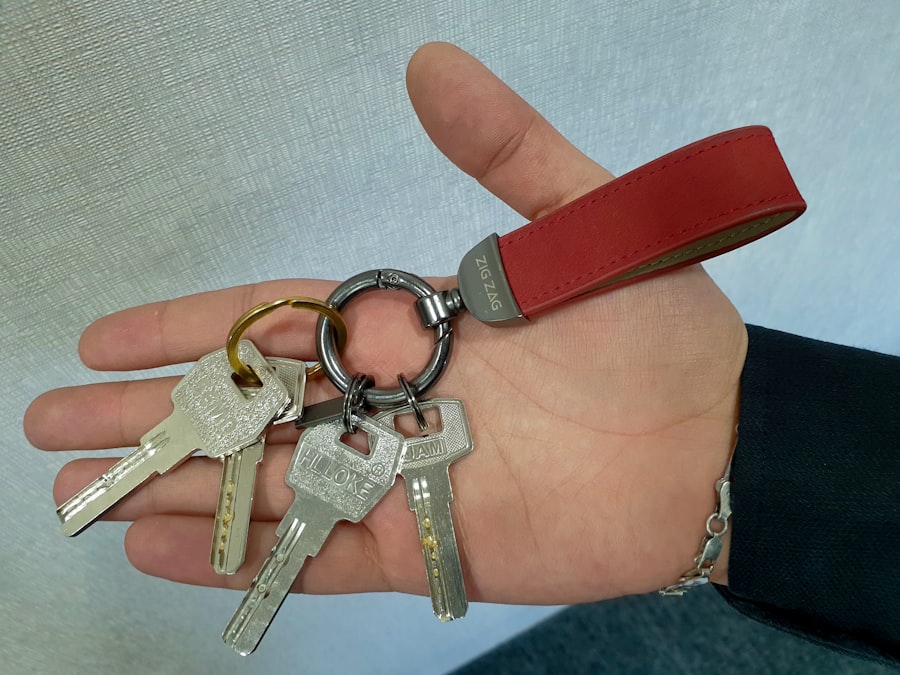
You remember the key. The cold metal in your palm, the worn edges of its familiar shape. It was your passport to an empty house, your badge of independence. For a generation of children in the 1980s, that key wasn’t just a way to get inside; it was a symbol of your reality. You were a latchkey kid, and the decade you grew up in shaped your experience in ways you might not have fully understood at the time.
The 1980s were a time of change. Economic shifts, evolving family structures, and a burgeoning sense of individualism all contributed to the rise of the unattended child. While the term “latchkey kid” might evoke images of loneliness and neglect, your experience was likely far more nuanced, a complex tapestry woven with threads of freedom, responsibility, fear, and resilience. This was your world, and you navigated it with a mixture of youthful daring and quiet apprehension, armed with little more than your wits and that familiar metal key.
The decade presented a new domestic paradigm. The idealized nuclear family of previous generations was giving way, and you were a product of that evolution. The economic pressures of the time meant that more mothers were entering the workforce, and in many households, both parents were working full-time. This wasn’t a societal crisis as much as it was a demographic shift, and you were at its epicenter.
Dual-Income Households and Their Impact
The rise of dual-income households was a defining characteristic of the 1980s. For you, this often translated into longer stretches of time spent unsupervised. Your parents, working to provide for the family, entrusted you with increasing levels of autonomy. This wasn’t necessarily a conscious decision to leave you alone, but rather a practical necessity. The expectation was that you could manage.
- Morning Departures: You recall the hurried breakfasts, the rushed goodbyes, the clatter of keys as parents left for work. The silence that descended after the front door clicked shut was often the first significant marking of your day.
- Evening Returns: The prospect of returning to an empty house was a familiar one. You learned to judge the time based on the sun’s position, the neighborhood sounds, and the growing hunger pangs in your stomach. The sound of a car pulling into the driveway, or footsteps on the porch, was a welcome relief.
The Economic Imperative
The economic climate of the 1980s played a significant role in shaping your childhood. High inflation and a desire for increased consumer goods meant that many families found themselves needing two incomes to maintain their standard of living. This wasn’t about luxury; it was about making ends meet.
- Increased Work Hours: Your parents’ workdays were often long and demanding. This meant less time for direct supervision and more reliance on your own capabilities.
- The “Necessity” of Latchkey Status: You understood, implicitly or explicitly, that your unsupervised time was a consequence of economic realities. It wasn’t a choice made out of neglect, but a function of the era’s financial pressures.
Evolving Perceptions of Childhood
The decade also saw a gradual shift in how childhood was viewed. There was a growing emphasis on self-reliance and independence, and perhaps the latchkey experience was seen by some as an accelerated path to maturity.
- Early Independence: You were often thrust into a world of independent decision-making at a younger age than previous generations. What to eat, how to occupy your time, and how to handle minor crises were left to your discretion.
- The “Good Kid” Narrative: There was often an underlying assumption that if you were left alone, you would behave. The “latchkey kid” was often cast as responsible and well-behaved, a testament to the values instilled by your parents.
The culture of the 1980s latchkey generation is a fascinating topic that highlights the unique experiences of children who grew up during this era, often left to navigate their own after school. This generation, marked by increased independence and a shift in family dynamics, has had a lasting impact on societal norms and values. For a deeper understanding of this phenomenon, you can explore a related article that delves into the intricacies of their upbringing and its implications on modern society. Check it out here: Latchkey Generation: A Cultural Overview.
The Practical Realities of Unsupervised Time
The reality of being a latchkey kid in the 1980s wasn’t a romanticized notion of freedom; it was a day-to-day logistical undertaking. You learned to manage your time, your environment, and your own company.
The Home as a Personal Domain
The house became your kingdom, a space where you could experiment, explore, and simply be. This independence, while sometimes tinged with unease, fostered a unique kind of self-discovery.
- Unfettered Exploration: Without constant adult oversight, you had the freedom to delve into books, play with toys, or engage in imaginative scenarios without interruption. The television, a central fixture of the 80s, offered a constant stream of entertainment.
- Developing Routines: You developed your own internal clock and set of routines. The post-school ritual of unlocking the door, dropping your backpack, and perhaps grabbing a snack became ingrained.
Navigating the Neighborhood
Your world often extended beyond the four walls of your home. The neighborhood became an extension of your personal space, a playground and a source of interaction with a curated group of peers.
- Friendship Networks: You relied on your friendships with other latchkey kids. Ringing a friend’s doorbell was a common, unwritten rule. The shared experience of unsupervised time forged strong bonds and a sense of camaraderie.
- Play and Exploration: The streets and yards became the backdrop for your adventures. Games of tag, riding bikes, building forts – these were the activities that filled your afternoons.
The Dawn of Technology and Entertainment
The 1980s were a period of burgeoning technological advancements, and for you, this often meant solitary entertainment. The absence of constant parental engagement gave you ample opportunity to experiment with the entertainment options available.
- Television as a Companion: The television was a ubiquitous presence. Cartoons in the morning, after-school specials, and evening sitcoms filled the quiet hours. Shows like The A-Team, Diff’rent Strokes, and Alf provided narrative escapes.
- Video Games and Early Technology: The advent of video games like Pac-Man and Donkey Kong, and later home consoles like the Atari and Nintendo, offered a new form of interactive entertainment. These games, often played alone, provided hours of focused engagement.
- Music and the Walkman: The Walkman became an iconic symbol of the 80s, and for you, it was a personal sanctuary. Music, through the tinny sound of headphones, could transform your walk to a friend’s house or your time spent alone into a curated soundtrack.
The Underlying Currents of Anxiety and Fear
While freedom was one facet of your latchkey existence, it was often accompanied by a persistent undercurrent of anxiety. The absence of adults meant you were the one responsible for your own safety.
The Shadow of the Unknown
The vulnerability of being alone was a recurring theme, even if it wasn’t always openly discussed. You were aware of potential dangers, both real and imagined.
- Stranger Danger: The warnings about strangers were ever-present in the societal discourse. Every unfamiliar car, every knock on the door, carried a potential for threat. You learned to be cautious, to be observant.
- The Fear of the Unexpected: Unforeseen events, like a sudden storm or a minor accident, could trigger moments of panic when you were on your own. The inability to immediately summon adult help amplified these feelings.
The Lure of the Neighborhood “Rulebook”
In the absence of parental rules, a unique set of unspoken regulations emerged within the latchkey kid community. These were the unwritten laws that governed your behavior and interactions.
- The “Don’t Open the Door” Mandate: This was perhaps the most fundamental rule. You learned to ignore unexpected knocks, to peek through the blinds, and to assess the situation before even considering opening the door.
- The “Call If Needed” Understanding: Though not always formally taught, there was an implicit understanding that you could call a trusted neighbor or a friend’s parent in a genuine emergency. This network of informal support was crucial.
The Weight of Responsibility
Beyond immediate safety concerns, you carried a certain burden of responsibility. You were expected to manage household tasks and to be accountable for your actions.
- Household Chores: Whether it was preparing your own snacks, tidying up after yourself, or even starting dinner, you had a role to play in the smooth running of the household.
- Academic Expectations: Despite being unsupervised for parts of the day, there was still an expectation that you would complete your homework and perform well in school. Your parents’ absence didn’t equate to a free pass on educational responsibilities.
The Social and Psychological Impact

Being a latchkey kid in the 1980s had a profound, though often subtle, impact on your social and psychological development. You learned to be self-reliant, but perhaps also grappled with feelings of isolation.
The Cultivation of Independence
The most undeniable outcome of your latchkey experience was a heightened sense of independence and self-reliance. You learned to solve your own problems and to depend on yourself.
- Decision-Making Skills: You were constantly making decisions, from what to wear to how to spend your afternoon. This process honed your ability to assess situations and make choices.
- Problem-Solving Prowess: When faced with minor challenges, you learned to figure things out. Whether it was a broken toy or a forgotten assignment, you developed the resourcefulness to find solutions.
The Specter of Loneliness
Despite the vibrant social interactions with peers, there were undoubtedly moments of profound loneliness. The absence of immediate parental comfort and guidance could be particularly stark.
- The Quiet Hours: There were times when the silence of the house felt overwhelming. The longing for adult conversation, for a simple check-in, could be acute.
- The “Hollow” Feeling: Especially during holidays or weekends when other children were with their families, a sense of being on the periphery could emerge. You might have learned to mask these feelings, to present a brave face.
Forging Resilient Personalities
The challenges you faced as a latchkey kid likely contributed to your development of resilience. You learned to cope with adversity and to bounce back from setbacks.
- Emotional Regulation: You had to learn to manage your own emotions, to self-soothe during moments of fear or sadness. This was a hard-won skill, developed through direct experience.
- Adaptability: You became adept at adapting to different situations and environments, from the solitary confines of your home to the boisterous energy of neighborhood play.
The culture of the 1980s latchkey generation was marked by a unique blend of independence and nostalgia, as many children returned home to empty houses after school, shaping their formative years in ways that still resonate today. This experience fostered a sense of self-reliance and creativity, often reflected in the media of the time, from television shows to music. For a deeper understanding of how this generation navigated their childhood and the lasting impact it had on society, you can explore an insightful article that delves into these themes at Hey Did You Know This.
The Lasting Legacy of the Latchkey Generation
| Aspect | Metric |
|---|---|
| TV Shows | The number of popular TV shows featuring latchkey kids as main characters |
| Music | The rise of MTV and its impact on music culture for latchkey kids |
| Technology | The introduction of personal computers and video games |
| Fashion | The influence of pop culture on fashion trends for latchkey kids |
| Parental Influence | The impact of latchkey culture on parenting styles in the 1980s |
Decades later, the experience of being a latchkey kid in the 1980s continues to resonate. It shaped a generation, instilling qualities that have served you well throughout your life.
The Skillset of Autonomy
The independence cultivated during your formative years has likely translated into a strong capacity for self-sufficiency and initiative in adulthood. You are likely comfortable taking charge and navigating complex situations independently.
- Work Ethic: The responsibility you were given at a young age may have contributed to a strong work ethic. You understood the value of dedication and the necessity of seeing tasks through.
- Self-Motivation: The need to occupy your time and entertain yourself without constant prompting likely fostered a deep sense of self-motivation, a drive to pursue your interests and goals.
A Complex Relationship with Authority
Your experience with authority figures, particularly during your unsupervised hours, may have been nuanced. While you respected your parents’ rules, your independence also allowed for a degree of questioning and independent thought.
- Understanding of Boundaries: You learned to navigate boundaries, both those imposed by your parents and those within the neighborhood. This likely fostered an understanding of social norms and personal space.
- Independent Thinking: The freedom to form your own opinions and make your own judgments, even on small matters, may have contributed to a more independent and critical thinking style.
The Enduring Strength of Community (and Its Absence)
You understand the value of peer relationships and the importance of shared experience. The bonds forged with other latchkey kids were vital, but the occasional pangs of isolation have also left a lasting impression.
- Appreciation for Connection: The quiet moments of solitude may have led to a deeper appreciation for genuine connection and meaningful relationships. You likely value those who offer companionship and support.
- Advocacy for Support Systems: Perhaps your own experiences have made you more empathetic to the needs of children who require more structured support. You might advocate for robust after-school programs or strong community resources.
The key you carried was more than just a piece of metal; it was a symbol of your childhood in the 1980s. It unlocked doors, yes, but it also unlocked a certain kind of resilience, a certain kind of independence, and a certain kind of understanding of the world. You were a latchkey kid, and that experience, in all its complexities, is an indelible part of who you are. It wasn’t always easy, it wasn’t always fun, but it was your reality, and you, you navigated it.
FAQs
What is the latchkey generation?
The latchkey generation refers to the cohort of children who grew up in the 1980s and early 1990s, often coming home from school to an empty house because their parents were at work.
What cultural factors influenced the latchkey generation?
The latchkey generation was influenced by the rise of dual-income households, increased divorce rates, and a growing emphasis on individualism and self-reliance.
How did the latchkey generation spend their time after school?
Latchkey kids often spent their afternoons alone, engaging in activities such as watching television, playing video games, doing homework, or participating in extracurricular activities.
What impact did the latchkey experience have on the generation’s development?
The latchkey experience has been linked to increased independence, self-sufficiency, and resilience in the latchkey generation, but also to feelings of loneliness and a lack of adult supervision.
How has the latchkey generation influenced parenting and societal attitudes towards childcare?
The latchkey generation’s experience has contributed to discussions about the importance of parental involvement, after-school programs, and the need for a balance between work and family life.