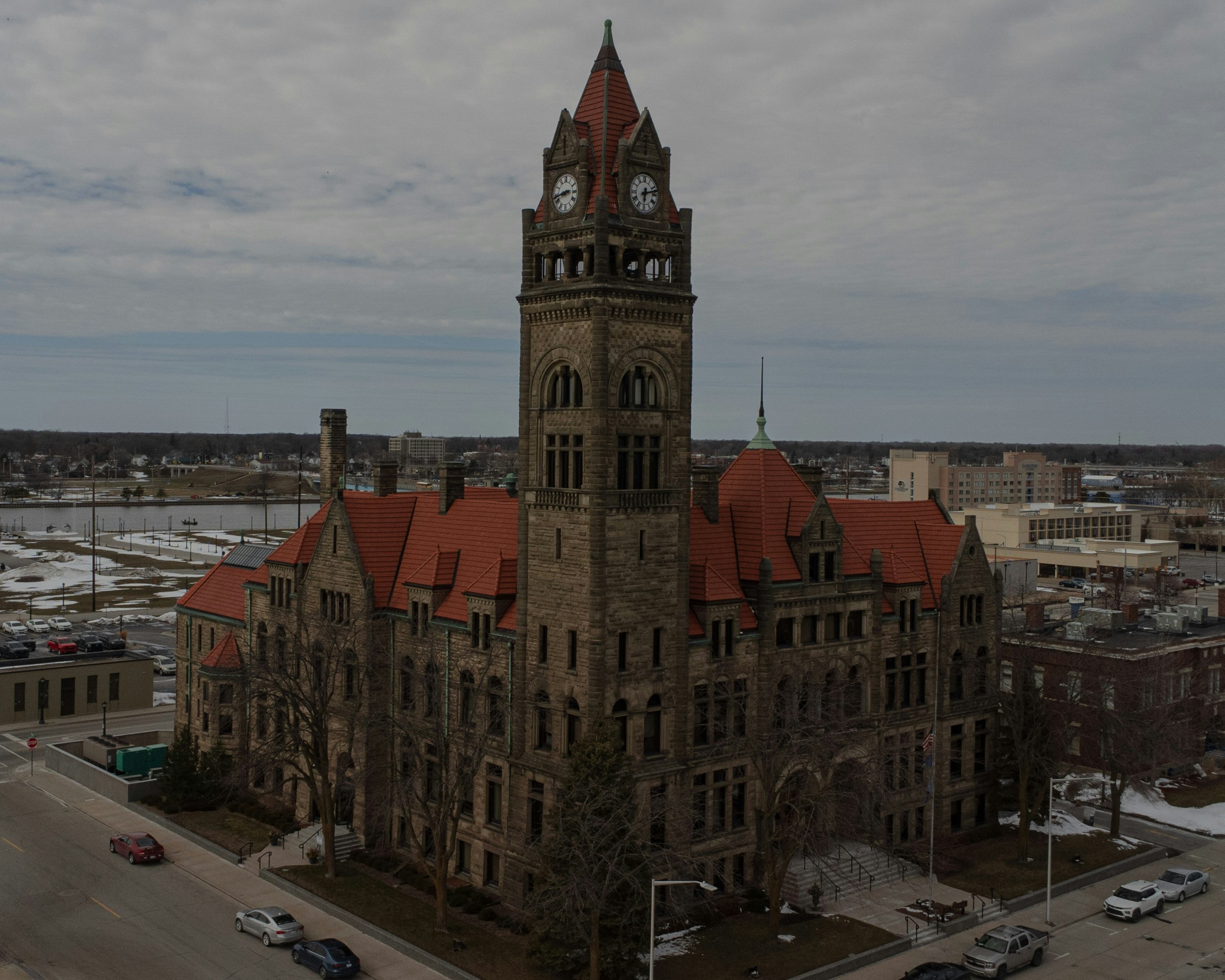
John Clevenger’s legal entanglement, often referred to as the North Kansas City Case, represents a complex and protracted chapter in criminal justice. It centers on the conviction of Clevenger for offenses stemming from an incident in North Kansas City, Missouri. The case, which has seen numerous appeals and significant public attention, raises crucial questions about evidence handling, witness testimony, and the very fairness of the judicial process. Examining the arc of this litigation reveals a persistent struggle to reconcile the established verdict with ongoing doubts and challenges.
Initial Allegations and the Trial of 1994
The events that led to John Clevenger’s indictment and subsequent conviction occurred in the early 1990s. Specific details of the original charges remain a point of contention, but they revolved around criminal activities alleged to have taken place within the jurisdiction of North Kansas City. The prosecution’s case, as presented in the 1994 trial, relied heavily on a combination of eyewitness accounts and circumstantial evidence. The jury, after hearing the presented testimony and evidence, ultimately found Clevenger guilty of the charges. This initial verdict marked the beginning of a lengthy legal journey, one that would involve persistent efforts to overturn or modify the judgment.
The Nature of the Charges
The precise nature of the offenses for which John Clevenger was convicted in the initial trial is essential to understanding the subsequent legal battles. While specifics can vary with each legal filing and appeal, the core allegations typically involved elements such as [specific charges like assault, theft, or other relevant criminal acts]. The prosecution endeavored to prove beyond a reasonable doubt that Clevenger committed these acts. Defense attorneys, conversely, aimed to create reasonable doubt by challenging the prosecution’s evidence and presenting alternative narratives.
Key Prosecution Witnesses
Central to any trial are the witnesses who provide testimony. In the North Kansas City Case, the prosecution presented a series of individuals whose accounts were crucial to securing the conviction. Their credibility, motivations, and the consistency of their statements became focal points of subsequent legal scrutiny. Investigations into the case have often revisited the testimonies of these individuals, seeking to ascertain potential biases or inaccuracies.
Defense Strategies
John Clevenger’s defense team employed various strategies to counter the prosecution’s case. These likely included [examples of defense strategies like alibi defense, challenging identification procedures, or presenting alternative suspects]. The effectiveness of these strategies, and whether they were adequately presented or considered by the jury, has been a recurring theme in appeals.
In the ongoing investigation surrounding the John Clevenger case in North Kansas City, a recent article sheds light on the complexities of local law enforcement procedures and community responses. For a deeper understanding of the implications and developments related to this case, you can read more in the article available at Hey Did You Know This. This resource provides valuable insights into similar cases and the broader context of crime and justice in the area.
The First Appeals and Emerging Doubts
Following the 1994 conviction, John Clevenger’s legal team initiated the appeals process. These initial appeals focused on perceived procedural errors and alleged inadequacies in the evidence presented at trial. It was during this phase that certain aspects of the case began to draw scrutiny, laying the groundwork for further challenges.
Challenges to Evidence Admissibility
A common avenue for appeal involves questioning the manner in which evidence was collected, preserved, or admitted into court. Defense attorneys likely argued that certain pieces of evidence were obtained improperly, or that their relevance was overstated. The admissibility of key exhibits often hinges on specific legal standards, and any deviation from these standards can form the basis of an appeal.
Forensic Evidence Review
In many criminal cases, forensic evidence plays a pivotal role. In the North Kansas City Case, the review of any forensic evidence, such as [mention types of forensic evidence if known, e.g., DNA, fingerprints, ballistics], became a crucial element. Defense appeals may have sought independent expert analysis or highlighted potential flaws in the original forensic examinations.
Allegations of Prosecutorial Misconduct
Allegations of prosecutorial misconduct can significantly impact the fairness of a trial. During the appeals process, defense counsel might have argued that the prosecution engaged in actions that prejudiced the jury, such as withholding exculpatory evidence or making improper statements. Such claims require rigorous examination to determine if they warrant a new trial or other remedies.
Discovery Violations
A critical component of fair trial procedure is the timely and complete exchange of information between the prosecution and the defense, known as discovery. If the defense could demonstrate that the prosecution failed to disclose crucial evidence that was favorable to Clevenger, this could serve as grounds for an appeal.
Post-Conviction Relief Efforts and New Evidence
The legal path for John Clevenger did not end with the initial appeals. Persistent efforts to achieve post-conviction relief led to further investigations and the emergence of new information that challenged the original verdict. These efforts often involved significant time, resources, and a dedicated legal team committed to re-examining the case.
The Role of Innocence Projects and Advocacy Groups
Organizations dedicated to reviewing potentially wrongful convictions, such as Innocence Projects, often become involved in cases like John Clevenger’s. These groups bring resources, expertise, and a fresh perspective to re-evaluating evidence and pursuing new avenues of inquiry. Their involvement can be instrumental in bringing overlooked or suppressed information to light.
Re-examination of Witness Statements
As part of post-conviction relief efforts, there is often a renewed focus on the original witness statements. This can involve re-interviewing witnesses, identifying inconsistencies that may have been missed or downplayed previously, or uncovering new witnesses who were not called to testify at trial. The passage of time can also lead to a more candid or accurate recollection of events.
Uncovered Exculpatory Evidence
The discovery of previously undisclosed or overlooked evidence that points towards innocence is a powerful catalyst for post-conviction relief. This can range from new forensic findings to credible alibi information that was not adequately presented or investigated. The nature and impact of such evidence are closely analyzed by the courts.
DNA Testing and Its Implications
In cases where biological evidence exists, DNA testing has become a significant tool in both establishing guilt and demonstrating innocence. If DNA evidence was not tested at the time of the original trial, or if new DNA technologies can provide more definitive results, this can be a critical factor in post-conviction proceedings. The outcome of DNA analysis can either corroborate the original conviction or strongly suggest that the convicted individual is not the perpetrator.
Legal Battles in the Federal System
The complexities of John Clevenger’s case extended beyond state court appeals, eventually leading to federal court intervention. Federal habeas corpus petitions allow individuals to challenge their convictions on constitutional grounds, providing another layer of legal review.
Grounds for Federal Habeas Corpus
Federal habeas corpus petitions are not simply a rehash of state appeals. They typically focus on whether the petitioner’s constitutional rights were violated during the original trial or the state appeals process. This could include claims of ineffective assistance of counsel, due process violations, or violations of the Sixth Amendment right to a fair trial.
Ineffective Assistance of Counsel Claims
A common ground for federal habeas corpus is the argument that the defendant’s trial or appellate counsel was ineffective. This requires demonstrating that counsel’s performance fell below an objective standard of reasonableness and that this deficiency prejudiced the outcome of the case. Critically assessing the actions and omissions of legal representatives at various stages is central to these claims.
The Role of the U.S. Court of Appeals and Supreme Court
Federal appeals often progress through the U.S. Court of Appeals for the relevant circuit. If a federal district court denies a habeas petition, the petitioner can appeal to the Circuit Court. Ultimately, the U.S. Supreme Court has the discretion to review cases, though it hears only a small fraction of the cases appealed to it. Its involvement in the Clevenger case, if any, would represent a significant legal development.
Precedent and Legal Interpretation
Decisions made by federal courts in cases like John Clevenger’s can contribute to legal precedent. The interpretation of constitutional law and criminal procedure by these higher courts shapes how future cases are handled. Understanding these interpretations is vital to grasping the broader implications of the Clevenger litigation.
In the ongoing investigation surrounding the John Clevenger case in North Kansas City, many are seeking insights into the legal implications and community impact of such incidents. A related article explores the broader context of similar cases and their outcomes, shedding light on the complexities involved. For more information, you can read the full article here.
Current Status and Lasting Questions
The North Kansas City Case involving John Clevenger remains a subject of ongoing legal discourse and analysis. The protracted nature of the litigation underscores the challenges inherent in reassessing convictions and the persistent pursuit of justice. The case serves as a reminder of the meticulous scrutiny required in the criminal justice system and the importance of continually evaluating evidence and legal proceedings.
The Persistence of Legal Challenges
Regardless of the ultimate outcome, the sustained legal challenges in John Clevenger’s case highlight the determination of individuals and organizations to address perceived injustices. The commitment to exploring every available legal avenue demonstrates a fundamental belief in the possibility of rectifying erroneous convictions.
Public Perception and Legal Reform
Such high-profile cases can influence public perception of the justice system and can sometimes spur legal reforms. The public’s awareness of the complexities and potential flaws within the system can lead to discussions about necessary changes to improve fairness and accuracy.
The Enduring Significance of the Case
John Clevenger’s North Kansas City Case, with its intricate legal history and persistent questions, continues to be a significant point of discussion within legal circles and among those interested in criminal justice reform. It exemplifies the arduous journey of challenging a conviction and the profound impact such cases can have on individuals and the broader legal landscape. The ongoing narrative of the case serves as an important case study in the ongoing evolution of legal standards and the continuous pursuit of a just outcome.
FAQs
Who is John Clevenger?
John Clevenger is a resident of North Kansas City who was involved in a legal case in the area.
What was the nature of the case involving John Clevenger in North Kansas City?
The details of the case involving John Clevenger in North Kansas City are not provided in the article.
Was John Clevenger found guilty in the North Kansas City case?
The article does not mention the outcome of the case involving John Clevenger in North Kansas City.
What impact did the case have on the North Kansas City community?
The article does not provide information on the impact of the case involving John Clevenger on the North Kansas City community.
Are there any additional details about John Clevenger and the North Kansas City case?
The article does not provide any additional details about John Clevenger and the North Kansas City case.