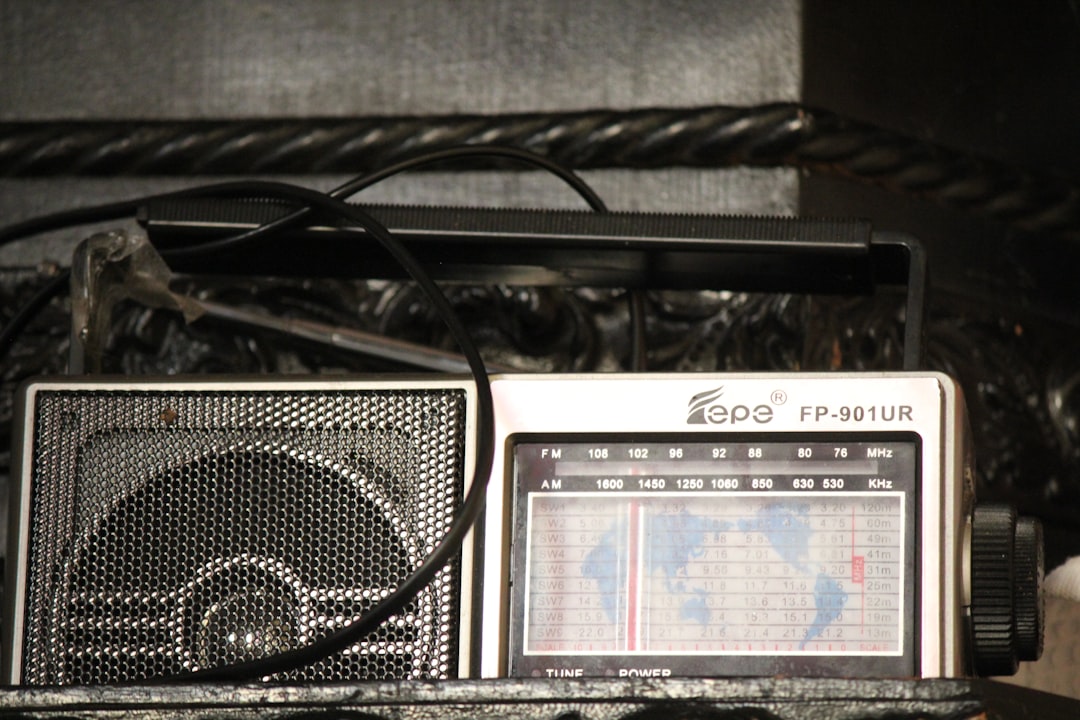
You remember the late 1980s. The airwaves crackled with a distinct energy, an energy you often felt was less about genuine musical discovery and more about self-congratulatory pronouncements of taste and ownership. This was the era of the radio DJ, an individual who, in their self-appointed role as arbiter of cool, inadvertently, and perhaps inevitably, chipped away at the pure, unadulterated joy of the mixtape.
The Rise of the Personal Playlist
Before the mainstream radio DJ became the dominant curator, the mixtape was an act of profound personal expression. It was about you. You, armed with a dual-cassette deck and a deep knowledge of your own musical affections, meticulously crafted sonic journeys for friends, lovers, or even just for your own solitary listening.
What Was a Mixtape, Really?
- A Labor of Love: It wasn’t just about slapping songs onto a tape. It involved timing, sequencing, and an understanding of how one track bled into the next. You’d spend hours flipping through your vinyl collection, carefully selecting each song for its thematic resonance, its emotional arc, or simply its sheer sonic brilliance.
- An Intimate Gift: A mixtape was a tangible representation of your thoughts and feelings. It said, “I was thinking of you, and this is what I thought you’d like.” It was a covert language of appreciation, devotion, or even a carefully worded confession that bypassed spoken words.
- A Sonic Scrapbook: Each mixtape was a snapshot of a particular time, a reflection of your evolving musical palate. Listening back to old tapes was like opening a time capsule, each song triggering a cascade of memories.
The Pre-DJ Mixtape Ethos
The essence of the mixtape was its inherent DIY spirit. It was an act of rebellion against the passive consumption of music. It demanded active participation, a discerning ear, and a willingness to share your discoveries not because you were told it was good, but because you genuinely believed it was. There was a sense of discovery, of unearthing hidden gems and sharing them with a select few, fostering a sense of shared, intimate knowledge. This was a world where your taste was your own, a carefully cultivated garden, not a pre-packaged arrangement.
In exploring the impact of 1980s radio DJs on the art of personal mixtapes, it’s fascinating to consider how their influence transformed the way music was curated and shared. The era was marked by the rise of radio personalities who often dictated the playlists, leading to a homogenization of music that made it challenging for individual tastes to shine through. For a deeper dive into this topic, you can read more in the related article found here: How 1980s Radio DJs Ruined Personal Mixtapes.
The Radio DJ: A New Kind of Authority
Then came the DJs. They were the voices in your car, on your Walkman, the soundtrack to your adolescence. They held sway over what you heard, and with that sway came a certain brand of authority. While some genuinely loved music, their inherent role as broadcasters meant they were also performers, promoters, and, to a degree, gatekeepers.
The Changing Landscape of Music Consumption
- The Democratization of Playlists: Suddenly, everyone didn’t need to spend hours agonizing over their cassette deck. The radio DJ, with their seemingly effortless ability to string together hits and obscure gems, offered a convenient alternative.
- The Rise of the “Expert”: DJs were presented as the authorities, the ones who “knew” what was good. Their pronouncements, their dedications, and their curated playlists began to influence individual choices, subtly shifting the focus from personal curation to passive reception.
- The Commercial Imperative: Radio stations were businesses. The music played was often a reflection of what was selling, what was being pushed by record labels. This commercial imperative inevitably seeped into the programming, and by extension, the perceived authority of the DJ.
The DJ’s Double-Edged Sword
While this provided access to a wider range of music for many, it also introduced a new dynamic. The DJ’s selections, while often enjoyable, were no longer solely your selections. They were filtered through the lens of broadcast logistics, advertising slots, and the nebulous concept of “mass appeal.” This began the slow erosion of the deeply personal nature that defined the mixtape.
The “Must-Have” Track Syndrome
One of the most insidious ways DJs impacted mixtapes was through the proliferation of the “must-have” track. This wasn’t about a subtle nod to a particular genre or mood; it was about broadcasting a specific song, often a heavily promoted single, as the absolute pinnacle of musical achievement.
The Era of the Overplayed Hit
- Radio as a Billboard: Songs that were heavily pushed by record labels and heavily spun on the radio became ubiquitous. These weren’t necessarily bad songs, but their constant repetition made them feel less like a personal discovery and more like an obligation.
- The “Obvious Choice”: When you had limited tape space and a desire to impress or connect with someone, the temptation to include these widely recognized hits was immense. It was the safe, easy choice, the one everyone would immediately recognize and, ostensibly, appreciate.
- The Stifling of Deeper Cuts: The focus began to shift from unearthing the obscure B-side or the soulful album cut to simply including the popular single. This meant the nuanced curation, the art of juxtaposing unexpected tracks, and the joy of introducing someone to something truly unique, began to diminish.
When Recognition Trumped Revelation
Instead of aiming to introduce a friend to a band you’d painstakingly researched, you might find yourself compelled to add the latest chart-topper. This saved you the effort of explaining why you loved a less-known artist, and it guaranteed an immediate positive reaction. However, it also meant that the mixtape was becoming less about your unique perspective and more about echoing the prevalent sounds of the airwaves. The adventurous digging, the thrill of introducing something truly novel, was subtly discouraged by the overwhelming presence of the radio-sanctioned hits.
The DJ’s Dedications and the Loss of Surprise
Similarly, the DJ’s practice of dedications, initially a charming aspect of radio, began to intrude upon the personal space of the mixtape. What was once a private message shared on a tape could now be broadcast, diluting its impact and shifting the focus of the dedication.
The Public Declaration vs. The Private Gesture
- From Intimacy to Performance: A song you dedicated to someone on a tape was a quiet, personal acknowledgment. When a DJ announced, “This next song is for Sarah in accounting, who likes that synth-pop sound,” it felt less like a genuine expression of care and more like a performance for a wider audience.
- The Shared Experience, Undermined: The joy of a mixtape dedication was the shared understanding between the giver and receiver. The DJ’s involvement introduced an external element, making the dedication a public spectacle rather than a private whisper.
- Dictating the Narrative: Dediated songs, especially those featured prominently by DJs, could start to feel less like your choice and more like a suggestion. You might feel pressured to include a song because your friend heard you dedicating it, not because it truly fit the mixtape’s overall theme or flowed well with the preceding tracks.
When “For You” Meant “For Everyone”
The transition from a whispered dedication on a physical tape to a shouted message over the airwaves fundamentally altered its meaning. What was once a carefully chosen soundtrack for a specific person, imbued with personal significance, became another piece of content in a broadcast. This tendency to publicize emotional gestures, to turn intimate moments into broadcastable events, began to dilute the very essence of what made a mixtape special: its privacy, its exclusivity, and its direct, unmediated connection between two people.
In the vibrant landscape of the 1980s, radio DJs played a pivotal role in shaping the music tastes of a generation, but their influence also had an unintended consequence on the art of personal mixtapes. As these charismatic hosts curated playlists filled with popular hits, many music lovers found themselves relying on the radio for their musical experiences rather than crafting their own unique compilations. This shift not only diminished the personal touch of mixtapes but also led to a homogenization of music preferences. For a deeper exploration of how the evolution of radio impacted personal music expression, you can check out this insightful article on the subject here.
Monetizing Musical Taste
Perhaps the most significant way DJs chipped away at the mixtape’s foundation was through the gradual commodification of musical taste. Radio stations, driven by advertising revenue, began to dictate a certain kind of listening experience, one that was increasingly commercial.
The Commercialization of the Airwaves
- The Advertorial Shift: Many songs played on the radio were not just popular; they were heavily marketed. Record labels paid for airplay, and stations were keen to play what was commercially viable. This meant that “alternative” choices in a DJ’s set were often still within the realm of what was already being pushed by the industry.
- The “Now That’s What I Call Music” Effect: While the “Now That’s What I Call Music!” albums were a separate phenomenon, they reflected a broader trend. Music was becoming packaged and sold in easily digestible compilations, mirroring the curated, but ultimately predictable, playlists of radio DJs. Mixtapes, by contrast, were meant to be unique compilations, not pre-made selections.
- The Loss of Authenticity: When the primary goal of a DJ or a radio station was to attract listeners for advertisers, the genuine act of musical exploration could take a backseat. The focus shifted from unearthing new sounds to playing what was popular and profitable, making it harder for individuals to feel like they were making truly distinct and personal choices with their own mixtapes.
The Erosion of Individual Curation
The consequence for the mixtape was significant. If the airwaves were increasingly filled with commercially driven selections, then the available pool of “cool” songs for a mixtape shrunk. The DJ, in their capacity as a reflection of this commercializing industry, was inadvertently guiding individuals towards a narrower, pre-approved palette of music. This made the act of crafting a unique and personal mixtape more challenging, as the readily available source material was increasingly homogenized. The DJ, in essence, was providing a soundtrack that, while entertaining, was also a subtle advertisement, and your mixtape was no longer solely your canvas but a reflection of that advertising.
FAQs
1. What impact did 1980s radio DJs have on personal mixtapes?
In the 1980s, radio DJs often talked over the beginning or end of songs, making it difficult for listeners to create clean recordings for their personal mixtapes.
2. How did 1980s radio DJs affect the quality of personal mixtapes?
The interruptions and talking by radio DJs disrupted the flow of songs on personal mixtapes, making it challenging for listeners to create seamless transitions between tracks.
3. Did 1980s radio DJs influence the song choices for personal mixtapes?
Yes, the interruptions by radio DJs often led to incomplete recordings of songs, influencing the selection and availability of tracks for personal mixtapes.
4. What alternatives did people have for creating personal mixtapes in the 1980s?
Some people turned to recording music from vinyl records or purchasing commercial mixtapes to avoid the interruptions caused by 1980s radio DJs.
5. How did the impact of 1980s radio DJs on personal mixtapes change over time?
As technology advanced and CDs became more popular, the influence of 1980s radio DJs on personal mixtapes diminished, allowing for cleaner and uninterrupted recordings of songs.