
You might imagine the United States, a nation often touted as a melting pot of cultures, would embrace all culinary offerings from around the globe without reservation. Yet, a closer inspection reveals a complex web of regulations, driven primarily by health, safety, and in some cases, environmental concerns, that prevents a surprising array of foreign foods from crossing its borders. This isn’t an arbitrary exclusion; rather, it’s a systematic protection of the food supply, much like a fortress guarding its provisions. You, as a consumer, might unknowingly encounter a vast gastronomic desert when venturing to international markets within the U.S., compared to what’s available in their native lands.
The primary gatekeepers of the American food supply are the Food and Drug Administration (FDA) and the U.S. Department of Agriculture (USDA). These agencies operate under a mandate to ensure the safety and wholesomeness of what you eat, scrutinizing everything from production methods to ingredient lists. Think of them as the vigilant sentinels, armed with a rigorous set of standards that often diverge significantly from those of other nations. A food item might be perfectly legal and consumed daily in its country of origin, but if it doesn’t align with these U.S. standards, it’s effectively blacklisted. Discover the surprising reasons why some foreign foods illegal in the United States are banned from being imported.
Health and Safety Concerns
The most common and compelling reason for a ban is a perceived threat to public health. This often involves ingredients or processing techniques deemed unsafe by U.S. regulatory bodies.
- Prohibited Additives and Preservatives: Many countries utilize food additives and preservatives that are either banned outright or restricted in the U.S. due to concerns about their long-term health effects. For instance, certain artificial colorings, sweeteners, or antimicrobial agents widely used elsewhere may be prohibited here. You might find a brightly colored candy in Europe that, if sold in the U.S., would trigger an immediate recall due to its dye content.
- Contamination Risks: Foods prone to microbial or environmental contamination are frequently halted at the border. This could range from products manufactured in unsanitary conditions to those containing excessive levels of heavy metals or pesticides. Imagine a fruit juice from a region with lax agricultural regulations; the risk of pesticide residues could render it inadmissible.
- Pathogen Prevention: The USDA, in particular, focuses heavily on preventing the introduction of animal diseases. This leads to stringent regulations on meat and dairy products, especially from countries experiencing outbreaks of diseases like Bovine Spongiform Encephalopathy (BSE) or classical swine fever. This is a crucial line of defense, much like a firewall protecting a computer system from viruses.
Animal Welfare and Environmental Impact
Beyond direct human health, concerns about animal welfare and environmental sustainability can also play a role in food import restrictions. While less common than direct health concerns, these ethical considerations are gaining increasing prominence.
- Production Methods Deemed Unethical: Some products derived from animals raised under conditions considered inhumane by U.S. standards may face import restrictions. This is a nuanced area, as different cultures have varying perspectives on animal husbandry.
- Threat to Native Ecosystems: Live imports, especially plants and animals, are heavily regulated to prevent the introduction of invasive species that could decimate native flora and fauna. While not directly a “food ban,” the ingredients derived from such unapproved imports would naturally be excluded. Think of it as protecting the garden from foreign weeds.
Economic and Trade Considerations
While not always explicitly stated as the primary reason, economic protectionism and trade negotiations can subtly influence food import policies. However, direct bans based solely on economic grounds are rare and often disguised under health and safety pretexts to avoid violating international trade agreements. You can view this as a delicate balance between open markets and national interests.
Many people are surprised to learn that certain foreign foods are illegal in the United States due to health and safety regulations. For instance, delicacies like raw milk cheese from unpasteurized milk and certain types of imported meats face strict restrictions. To explore more about these intriguing food laws and the reasons behind them, you can read a related article at Hey Did You Know This.
Specific Examples: A Glimpse into the Banned Pantry
Understanding the categories of bans is one thing; seeing specific examples brings the impact into sharp focus. These are not obscure, niche items but, in many cases, staples of regional cuisines that you simply won’t find on American shelves.
Meats and Animal Products
The regulations surrounding meat and dairy are perhaps the most stringent, acting as a tight sieve against potential threats.
- Haggis (Scotland): This national dish, a savory pudding containing sheep’s pluck (heart, liver, and lungs), has been banned in the U.S. since 1971. The reason? The FDA prohibits the sale of food containing lungs, citing concerns about fluid and waste retention in the organ. For a Scot living in America, this ban is akin to a baker being denied access to flour.
- Casu Marzu (Sardinia, Italy): A sheep’s milk cheese infamous for containing live insect larvae. The larvae are intentionally introduced to aid fermentation and create a distinct, pungent flavor. However, the FDA regards this as an unsanitary product containing an active biological contaminant, making it a clear health hazard. You might find similar aversion to specific fermented foods like some types of kimchi if they didn’t meet safety standards.
- Foie Gras (Certain Countries/States): While not universally banned at the federal level, specific states (like California) have enacted bans on the production and sale of foie gras due to animal welfare concerns related to force-feeding ducks or geese. This demonstrates how local regulations can add another layer of complexity to the national food landscape.
Fruits and Vegetables
Even seemingly innocuous fruits and vegetables can fall victim to import restrictions, often due to pest concerns or agricultural practices.
- Mirabelle Plums (Lorraine, France): These small, sweet plums are a regional delicacy, but their import has been restricted due to concerns about introducing plum pox virus, a devastating disease to stone fruit crops. The risk to domestic agriculture outweighs the culinary delight.
- Certain Unpasteurized Fruit Juices: While not a blanket ban on all unpasteurized juices, those imported from regions with questionable sanitation practices or a high incidence of foodborne illnesses might be prohibited. The risk of E. coli or Salmonella contamination is paramount.
Dairy and Cheeses
The U.S. has a particularly conservative stance on unpasteurized dairy products, a sharp contrast to many European traditions.
- Unpasteurized Soft Cheeses (from specific regions/producers): While some aged, hard unpasteurized cheeses are permitted, many soft varieties, especially those aged for less than 60 days, are frequently banned if their production facility doesn’t meet stringent U.S. hygiene standards or if they are deemed to pose a risk of Listeria or other bacterial contamination. This means you won’t find many of the artisanal, raw milk cheeses beloved in France or Italy readily available for direct import unless they meet strict aging requirements. The American consumer is often shielded from the microbial roulette that some consider part of the charm of traditional cheesemaking.
The Gray Areas: Navigating Regulations and Exceptions
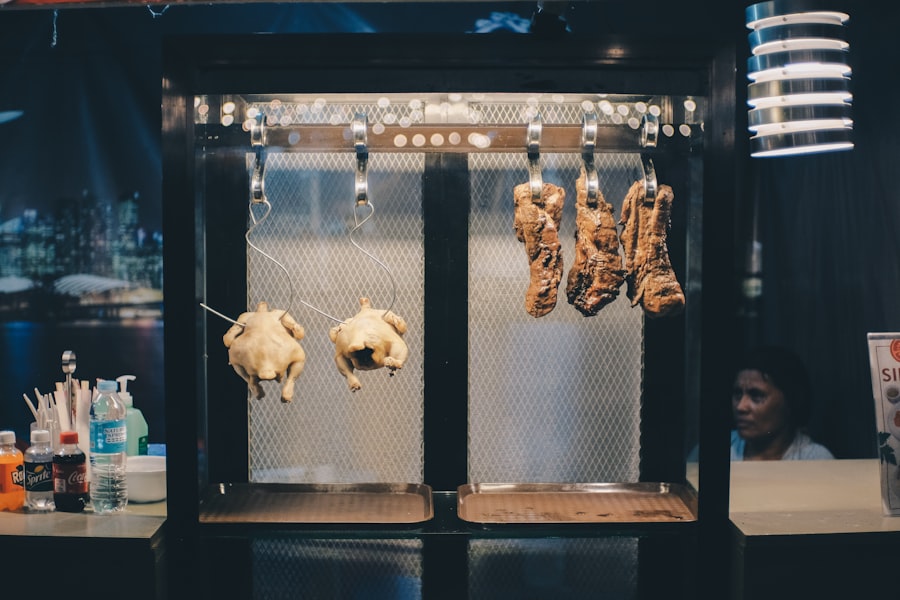
The world of food bans isn’t always black and white. There are often exceptions, caveats, and alternative routes for certain products, much like hidden passages in a fortified wall.
Personal Consumption Exemptions
You might be able to bring small quantities of certain otherwise restricted foods into the U.S. for personal consumption, provided they meet specific criteria and are declared upon entry. This is not a carte blanche, however.
- Meat and Dairy Limitations: You face very strict limitations on bringing meat and dairy products, even for personal use. The risk of disease transmission remains high. Expect these items to be confiscated unless they meet specific, often difficult-to-fulfill, import requirements.
- Fruit and Vegetable Restrictions: Fresh fruits and vegetables are also heavily scrutinized at customs due to pest and disease concerns. A single apple in your bag could lead to its confiscation and potentially a fine.
Scientific and Research Permits
In specific instances, academic institutions or research facilities can apply for permits to import banned food items for scientific study or analysis. This is a highly regulated process, reserved for advancing knowledge rather than culinary exploration. Think of it as a special clearance for essential scientific expeditions.
The Rise of Domestic Alternatives
The bans have, in some cases, spurred innovation within the U.S. food industry. As demand for ‘authentic’ international flavors grows, domestic producers are finding ways to replicate or adapt traditionally banned items using approved ingredients and methods.
- American-Made Raw Milk Cheeses: Some American cheesemakers are now producing raw milk cheeses that adhere to the 60-day aging rule, satisfying a demand for these complex flavors within the regulatory framework. These are often produced with meticulous hygiene and testing protocols.
- “Haggis” without Lungs: You might find versions of haggis in specialty stores that substitute the prohibited lungs with other approved meat products, offering a taste of the Scottish staple without crossing regulatory lines. While not truly authentic, it provides a palatable approximation.
Your Role as a Consumer: Understanding the System
As a food enthusiast or simply a conscientious consumer, understanding these regulations is crucial. You are not just a passive recipient of whatever appears on supermarket shelves; you are an informed participant in a global food system.
The Importance of Label Reading
Always scrutinize food labels, especially for imported items. The FDA mandates clear labeling of ingredients, nutritional information, and country of origin. This transparency is your shield, allowing you to make informed choices.
Reporting Suspected Violations
If you encounter a product you suspect might be illegally imported or mislabeled, you have a civic duty to report it to the FDA or USDA. This acts as another layer of vigilance, supplementing the work of regulatory agencies. Think of yourself as an additional pair of eyes, helping to maintain the integrity of the food supply.
The Evolving Landscape of Food Regulation
Food safety regulations are not static; they are living documents, evolving with scientific advancements, changing public health concerns, and international trade agreements. What is banned today might be permitted tomorrow (or vice versa) as new data emerges or standards shift. For example, if a previously disease-ridden region eradicates a specific animal disease, the import restrictions on its meat products might be reevaluated. You are witnessing a continuous readjustment, a constant fine-tuning of the protective mechanisms.
In conclusion, the list of foreign foods banned in the U.S. is not a whimsical collection but a deeply rooted consequence of a comprehensive regulatory framework focused on public health, safety, and environmental protection. While these bans may at times seem restrictive or even baffling to those accustomed to a wider array of international delicacies, they serve as a critical barrier, much like a dam holding back a flood, safeguarding the integrity and security of the American food supply. As a consumer, you are both protected by and a participant in this intricate system, navigating a culinary landscape shaped by rigorous standards and a constant vigilance against perceived threats from beyond the border.
WATCH THIS 🚫🚨 30 FOREIGN FOODS BANNED IN THE USA!
FAQs
What types of foreign foods are illegal in the United States?
Certain foreign foods are illegal in the U.S. primarily due to health, safety, and agricultural concerns. Examples include unpasteurized cheeses from some countries, certain types of raw milk products, some exotic meats, and foods containing ingredients banned by the FDA or USDA.
Why are some foreign foods banned in the United States?
Foods may be banned to protect public health from potential contaminants, prevent the spread of diseases, avoid introduction of invasive species, or because they contain substances not approved by U.S. regulatory agencies like the FDA or USDA.
Can I bring foreign foods into the United States when traveling?
Travelers are subject to strict regulations and must declare all food items upon entry. Many foreign foods are prohibited or restricted, and failure to declare them can result in fines or confiscation.
Are there any exceptions for importing foreign foods for personal use?
Some foreign foods may be allowed in limited quantities for personal use if they meet U.S. import requirements, including proper labeling, packaging, and inspection. However, many items remain prohibited regardless of quantity.
How can I find out if a specific foreign food is legal in the U.S.?
You can check with the U.S. Food and Drug Administration (FDA), U.S. Department of Agriculture (USDA), or U.S. Customs and Border Protection (CBP) websites for up-to-date information on food import regulations and restrictions.
Are there health risks associated with consuming illegal foreign foods?
Yes, illegal foreign foods may pose health risks due to contamination, presence of harmful bacteria, toxins, or unapproved additives. These risks are a primary reason for their prohibition.
Can restaurants legally serve foreign foods that are illegal for import?
No, restaurants must comply with U.S. food safety laws and cannot serve foods that are illegal to import or sell in the country.
What happens if someone is caught importing illegal foreign foods?
Illegal food imports can be seized and destroyed by authorities. Individuals may face fines, penalties, or legal action depending on the severity and intent of the violation.