
Food coloring is widely used in culinary applications to enhance the visual appearance of dishes and food products. Natural food colorings, derived from plants, minerals, and insects, have been used for centuries. Modern food production increasingly relies on synthetic food colorings, which offer greater stability and cost efficiency compared to their natural counterparts.
In commercial food production, food coloring serves multiple functions. It enhances the visual appeal of products and helps standardize appearance across production batches, meeting consumer expectations for consistency. The widespread adoption of artificial food colorings has generated discussion regarding their safety and potential health effects, prompting consumers and regulators to evaluate the trade-offs between visual presentation and health considerations.
Learn about the surprising [foods banned in Europe](https://youtu.be/w1BTsG4Lb6E) and why they are prohibited.
Key Takeaways
- Food coloring is widely used but raises health concerns, especially for children.
- Some countries have banned certain artificial food colorings due to potential health risks.
- The FDA regulates food coloring in the U.S., but advocacy groups push for stricter controls.
- Natural alternatives to artificial food coloring are available and encouraged.
- Consumers should learn to identify food coloring in products and consider healthier options.
Health Concerns Associated with Food Coloring
When it comes to food coloring, health concerns are at the forefront of many discussions. You might be surprised to learn that some artificial colorants have been linked to various health issues, including hyperactivity in children and allergic reactions in sensitive individuals. Research has suggested that certain synthetic dyes can exacerbate conditions like Attention Deficit Hyperactivity Disorder (ADHD), leading parents to scrutinize the ingredients in their children’s snacks and meals more closely.
As you consider your own dietary choices, it’s crucial to be aware of these potential risks. Moreover, some studies have raised alarms about the long-term effects of consuming artificial food colorings. You may find it unsettling that certain dyes have been associated with cancer in animal studies, prompting calls for more rigorous testing and regulation.
While the evidence is not definitive, it does highlight the need for caution when consuming products laden with synthetic additives. As you navigate your grocery store aisles, it’s worth taking a moment to reflect on the implications of these findings and how they might influence your choices.
Countries That Have Banned Food Coloring
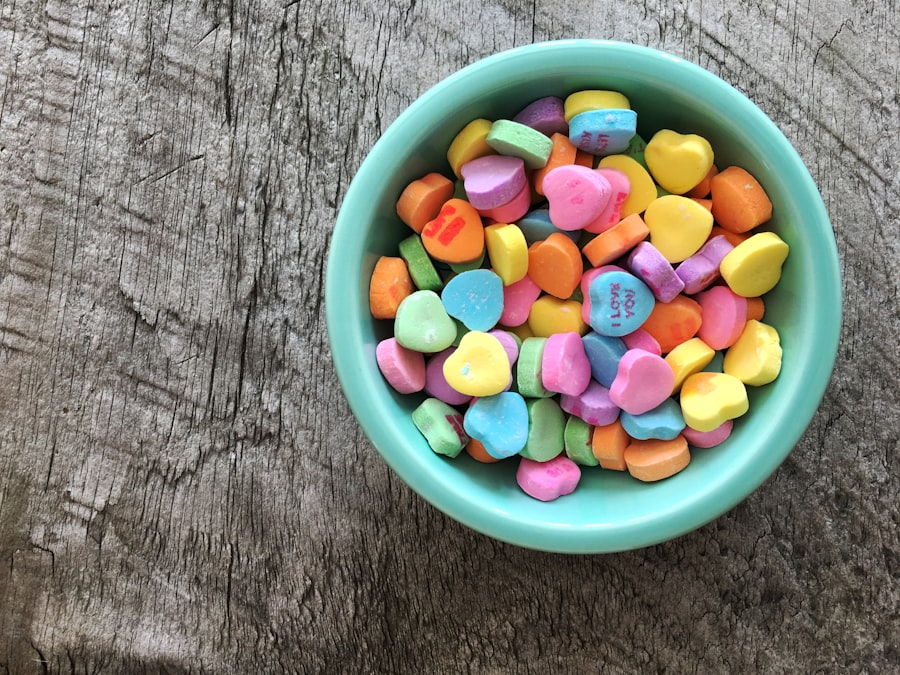
As awareness of the potential risks associated with artificial food colorings grows, several countries have taken decisive action by banning specific dyes from their food supply. You may be surprised to learn that countries like Norway and Austria have implemented strict regulations against certain synthetic colorants due to health concerns. These nations prioritize consumer safety and have opted for a more cautious approach to food additives, reflecting a growing trend toward transparency in food labeling.
In addition to these bans, other countries have adopted measures that require clear labeling of products containing artificial colors. For instance, the European Union mandates that foods containing certain dyes must carry warning labels indicating potential adverse effects on activity and attention in children. As you consider the global landscape of food safety regulations, it becomes evident that there is a significant divide between countries regarding the acceptance of artificial food colorings.
This disparity may prompt you to think critically about the ingredients in your own diet and the regulations governing them.
Common Food Coloring Ingredients
When you examine the ingredients list on packaged foods, you may come across a variety of food coloring agents. Some of the most common artificial colorings include Red 40, Yellow 5, and Blue 1. These synthetic dyes are often derived from petroleum products and are used extensively in candies, beverages, and processed foods.
As you familiarize yourself with these ingredients, it’s essential to recognize that they can be found in unexpected places, such as salad dressings and breakfast cereals. In contrast to artificial colorings, natural food colorings are derived from plant sources and are generally considered safer alternatives. Ingredients like beet juice, turmeric, and spirulina are increasingly being used to provide color without the potential risks associated with synthetic dyes.
As you explore your options in the grocery store, you may find that products labeled as “natural” or “organic” often utilize these safer alternatives. Understanding the differences between these types of food colorings can empower you to make informed choices about what you consume.
Potential Risks of Consuming Food Coloring
| Food Coloring | Countries Where Banned | Reason for Ban | Year of Ban | Notes |
|---|---|---|---|---|
| Red 40 (Allura Red AC) | Norway, Austria | Potential hyperactivity in children, allergic reactions | 2007 | EU requires warning labels; banned in some countries |
| Yellow 5 (Tartrazine) | Norway, Austria | Allergic reactions, hyperactivity concerns | 2007 | Restricted use and labeling in EU |
| Red 3 (Erythrosine) | Japan, Norway | Possible carcinogenic effects | 1990s | Banned in cosmetics and some foods |
| Blue 1 (Brilliant Blue FCF) | France (restricted) | Potential allergic reactions | 2008 | Use restricted in certain products |
| Green 3 (Fast Green FCF) | Japan | Health concerns, limited data | 1990s | Banned in food products |
The potential risks associated with consuming food coloring extend beyond immediate health concerns; they can also impact your overall well-being in subtle ways. You might experience digestive issues or allergic reactions after consuming products containing certain artificial dyes. For instance, some individuals report headaches or skin irritations after eating foods with synthetic colorants.
As you become more attuned to your body’s responses, it’s essential to pay attention to how specific ingredients affect you personally. Additionally, there is ongoing research into the long-term effects of consuming artificial food colorings on overall health. Some studies suggest that regular consumption may contribute to chronic conditions such as obesity or metabolic disorders.
While definitive conclusions are still being drawn, it’s wise to approach foods laden with synthetic dyes with caution. By being mindful of your consumption habits and opting for products with fewer additives, you can take proactive steps toward maintaining your health.
FDA Regulations on Food Coloring in the United States
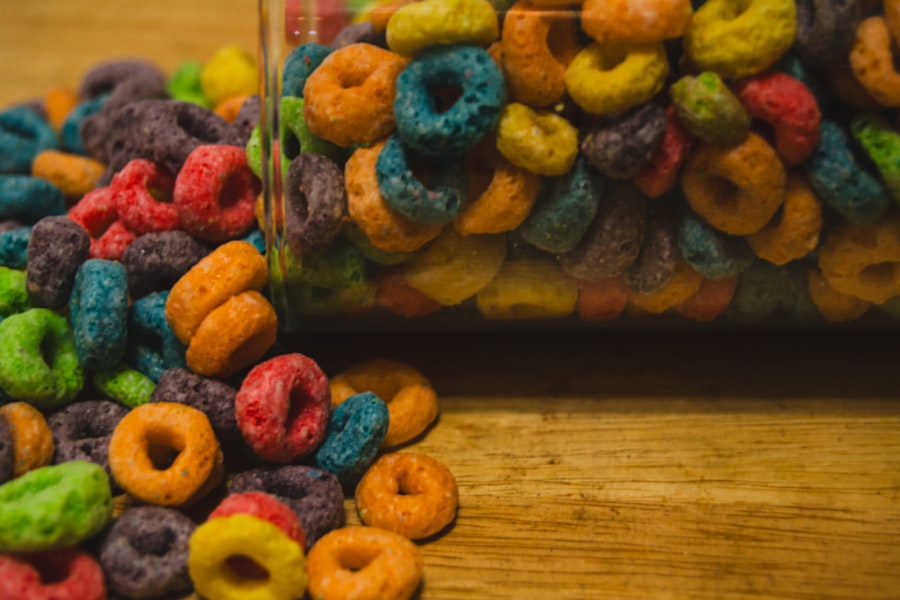
In the United States, the Food and Drug Administration (FDA) plays a crucial role in regulating food coloring agents. You may be interested to know that all artificial food colorings must undergo rigorous testing before they can be approved for use in food products. The FDA evaluates these substances for safety based on scientific evidence and sets acceptable daily intake levels to ensure consumer protection.
However, despite these regulations, concerns persist regarding the adequacy of testing methods and the long-term effects of these additives. As a consumer, it’s important to stay informed about FDA regulations and how they impact your food choices. While many artificial colorings are deemed safe for consumption within established limits, ongoing debates about their potential health risks continue to shape public opinion.
You might find it beneficial to keep abreast of any changes in regulations or new research findings that could influence your dietary decisions.
Alternatives to Artificial Food Coloring
As awareness of the potential risks associated with artificial food coloring grows, many consumers are seeking alternatives that prioritize health without sacrificing visual appeal. You may be pleased to discover a range of natural food coloring options available on the market today. These alternatives often derive their hues from fruits, vegetables, and spices—ingredients that not only provide color but also offer nutritional benefits.
For example, beet juice can impart a rich red hue to baked goods while adding fiber and vitamins. Similarly, turmeric can provide a vibrant yellow shade along with anti-inflammatory properties.
Not only will you enhance the visual appeal of your dishes, but you’ll also be making healthier choices for yourself and your family.
How to Identify Food Coloring in Products
Navigating the world of food labeling can be daunting, especially when it comes to identifying food coloring in products. As you read ingredient lists on packaging, look for terms like “artificial colors,” “dyes,” or specific color names such as “Red 40” or “Yellow 5.” Understanding these terms will help you make informed decisions about what you’re putting into your body. Additionally, many brands are now embracing transparency by clearly labeling their products as free from artificial colors or using natural alternatives instead.
You may find it helpful to seek out brands that prioritize clean labeling practices and provide detailed information about their ingredients. By becoming an informed consumer and actively seeking out products that align with your values regarding health and safety, you can take control of your dietary choices.
Effects of Food Coloring on Children
The effects of food coloring on children have garnered significant attention from parents and researchers alike. You may be particularly concerned about how artificial dyes could impact your child’s behavior or overall health. Studies have suggested a correlation between certain synthetic colorants and increased hyperactivity in children, leading many parents to reevaluate their children’s diets.
As a parent or caregiver, it’s essential to be vigilant about what your child consumes. You might consider limiting their intake of processed foods high in artificial colors and opting for whole foods instead. By providing nutritious meals rich in natural colors—such as fruits and vegetables—you can help foster healthy eating habits while minimizing exposure to potentially harmful additives.
Advocacy for Stricter Regulations on Food Coloring
As awareness grows regarding the potential risks associated with artificial food coloring, advocacy for stricter regulations is gaining momentum worldwide. You may find yourself inspired by organizations pushing for greater transparency in food labeling and stricter safety standards for additives used in consumer products. These advocates argue that consumers deserve access to safe foods free from harmful chemicals.
By supporting initiatives aimed at reforming food safety regulations, you can play an active role in promoting healthier options for yourself and future generations. Engaging with local advocacy groups or participating in campaigns can amplify your voice in calling for change within the food industry. Together with like-minded individuals who share your concerns about food safety, you can contribute to a movement advocating for stricter regulations on food coloring.
Conclusion and Recommendations for Consumers
In conclusion, navigating the world of food coloring requires awareness and informed decision-making on your part as a consumer. While artificial colors may enhance visual appeal, they come with potential health risks that warrant careful consideration. By understanding the implications of consuming synthetic dyes and exploring natural alternatives, you can make choices that align with your health goals.
As you move forward in your dietary journey, consider prioritizing whole foods rich in natural colors while minimizing processed items laden with artificial additives. Stay informed about regulations surrounding food coloring and advocate for transparency within the industry whenever possible. By taking these steps, you can empower yourself to make healthier choices while contributing to a broader movement advocating for safer food practices.
In recent years, concerns over the safety of certain food colorings have led several countries to take action, including bans on specific artificial dyes. For instance, a related article discusses the implications of these bans and the ongoing debate surrounding food safety regulations. You can read more about this topic in the article [here](https://www.
com/sample-page/).
WATCH THIS 🛑 The 30 Toxic Chemicals Europe Banned That Live in American Homes
FAQs
What are food colorings?
Food colorings are substances added to food and beverages to enhance or change their color. They can be derived from natural sources or synthesized artificially.
Why are some food colorings banned in certain countries?
Some food colorings are banned due to health concerns, including potential links to allergies, hyperactivity in children, or carcinogenic effects. Regulatory agencies in different countries assess scientific evidence and may restrict or ban certain additives to protect public health.
Which food colorings are commonly banned in other countries?
Certain synthetic dyes such as Red 40, Yellow 5, Yellow 6, and some azo dyes have been banned or restricted in countries like Norway, Austria, and France due to health concerns. The specific banned colorings vary by country.
Are natural food colorings also banned?
Natural food colorings are generally considered safer and are less likely to be banned. However, some natural additives may be restricted if they cause allergic reactions or other health issues.
How do food coloring regulations differ internationally?
Food coloring regulations vary widely. The European Union has stricter regulations and requires warning labels on products containing certain synthetic dyes, while the United States allows many of these dyes but monitors their safety. Other countries have their own lists of approved and banned colorings.
What should consumers do if they want to avoid banned food colorings?
Consumers can read ingredient labels carefully, choose products with natural colorings, and stay informed about food safety regulations in their country. Consulting reliable sources and regulatory agency updates can help avoid banned or controversial additives.
Are banned food colorings harmful if consumed in small amounts?
The safety of food colorings depends on the type and amount consumed. Regulatory agencies set acceptable daily intake levels based on scientific studies. While some banned colorings may pose risks at higher doses, occasional consumption in small amounts may not cause harm, but caution is advised.
Do bans on food colorings affect food manufacturers?
Yes, bans can lead manufacturers to reformulate products, use alternative colorings, or change labeling to comply with regulations. This can impact product appearance, cost, and consumer acceptance.