
American cuisine encompasses a diverse range of dishes that reflect the nation’s multicultural history and regional variations.
American regional cuisines vary significantly across the country.
Southern barbecue features slow-cooked meats with regional sauce variations, while California cuisine emphasizes fresh, locally-sourced ingredients and lighter preparation methods. Other regions have developed distinct culinary traditions based on available resources, climate, and cultural influences. Food serves important social and cultural functions in American society.
Traditional dishes often connect people to their heritage and family histories, while regional specialties create community identity. Many American foods originated from specific cultural groups or historical circumstances, and understanding these origins provides insight into the nation’s social development. This examination of American cuisine will address the historical development of regional dishes, the ingredients commonly used, geographic variations in food preparation, and the cultural groups that influenced American culinary traditions.
This analysis will provide factual information about the origins, preparation methods, and significance of foods that have become established in American food culture.
Key Takeaways
- Exclusive American foods have rich historical roots influenced by indigenous cultures and immigrant communities.
- Unique ingredients and regional variations define the diversity of American cuisine.
- Famous dishes reflect a blend of traditional and modern culinary trends.
- Food festivals and events celebrate and promote exclusive American foods nationally and globally.
- Exploring exclusive American foods offers a unique cultural and gastronomic experience.
The History and Origins of Exclusive American Foods
The history of exclusive American foods is as diverse as the nation itself. It can be traced back to the indigenous peoples who inhabited the land long before European settlers arrived. These early inhabitants cultivated native crops such as corn, beans, and squash, which became staples in their diets.
The arrival of European settlers in the 17th century introduced new ingredients and cooking techniques, leading to a fusion of culinary practices that laid the groundwork for what would become exclusive American cuisine. As the nation expanded westward, so too did its culinary influences. The Gold Rush in California brought an influx of immigrants from various countries, each contributing their own flavors and cooking styles.
This period marked a significant transformation in American food culture, as regional specialties began to emerge. The blending of indigenous ingredients with European and Asian influences created a unique culinary identity that continues to evolve today. Understanding this historical context is essential for appreciating the complexity and richness of exclusive American foods. The controversial product was recently banned in Europe due to safety concerns.
Unique Ingredients Used in Exclusive American Cuisine
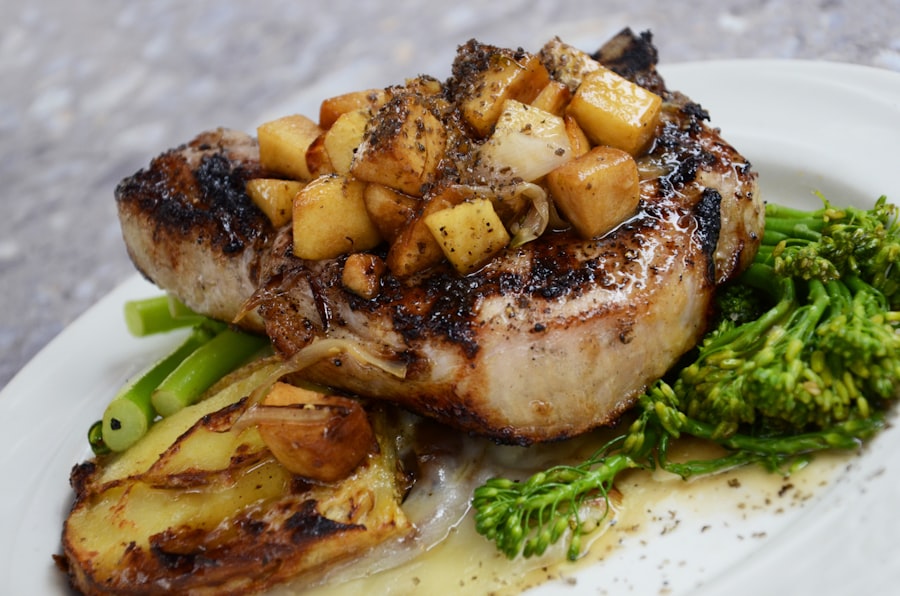
Exclusive American cuisine is characterized by its use of unique ingredients that reflect the country’s diverse agricultural landscape. From the sweet cornfields of the Midwest to the bountiful seafood along the coasts, these ingredients play a crucial role in defining regional dishes. For instance, Southern cooking often features ingredients like okra, collard greens, and grits, which are deeply rooted in African American culinary traditions.
Meanwhile, New England cuisine showcases fresh seafood such as lobster and clams, highlighting the region’s maritime heritage. In addition to these regional staples, exclusive American foods also incorporate a variety of spices and herbs that enhance their flavors. The use of chili peppers in Southwestern cuisine adds a distinctive heat, while fresh herbs like cilantro and basil are prevalent in dishes from California and the Pacific Northwest.
The combination of these unique ingredients not only creates memorable flavors but also tells a story about the land and its people, making each dish a reflection of its origins.
Regional Variations in Exclusive American Foods
The United States is home to a multitude of regional variations in its exclusive foods, each offering a distinct taste experience shaped by local ingredients and cultural influences. In the Northeast, for example, hearty clam chowder and lobster rolls are beloved staples that showcase the region’s rich seafood offerings. The cold climate has also led to the popularity of comfort foods like pot roast and baked beans, which provide warmth during long winters.
Moving southward, one encounters the bold flavors of Southern cuisine, where dishes like fried chicken, jambalaya, and biscuits with gravy reign supreme. This region’s culinary identity is heavily influenced by African American traditions, which have introduced spices and cooking techniques that elevate everyday meals into extraordinary experiences. In contrast, the West Coast embraces a more health-conscious approach to food, with an emphasis on fresh produce and innovative cooking methods.
Dishes like fish tacos and avocado toast reflect California’s vibrant food culture and commitment to sustainability.
Famous Dishes in Exclusive American Cuisine
| Food Item | Description | Region Popularity | Unique Ingredient | Common Use |
|---|---|---|---|---|
| Buffalo Wings | Spicy deep-fried chicken wings | Nationwide | Hot sauce and butter | Appetizer or snack |
| Grits | Ground corn porridge | Southern US | Hominy corn | Breakfast side dish |
| Peanut Butter | Ground roasted peanuts spread | Nationwide | Roasted peanuts | Sandwiches and snacks |
| Root Beer | Sweet carbonated soft drink | Nationwide | Sassafras root extract | Beverage |
| Jambalaya | Spicy rice dish with meat and seafood | Louisiana | Andouille sausage | Main course |
| Twinkies | Golden sponge cake with cream filling | Nationwide | Vanilla cream | Snack/dessert |
Among the myriad of exclusive American dishes, several have gained national recognition for their unique flavors and cultural significance. One such dish is the iconic hamburger, which has become synonymous with American fast food culture. Originating from German immigrants who brought their culinary traditions to the United States, the hamburger has evolved into countless variations, from gourmet versions topped with artisanal ingredients to classic diner-style burgers served with fries.
Another famous dish is barbecue, particularly in regions like Texas and Kansas City, where slow-cooked meats are slathered in tangy sauces and served with sides like coleslaw and baked beans. Each region boasts its own style of barbecue, whether it’s the smoky brisket of Texas or the sweet and tangy ribs of Kansas City.
The Influence of Indigenous Cultures on Exclusive American Foods
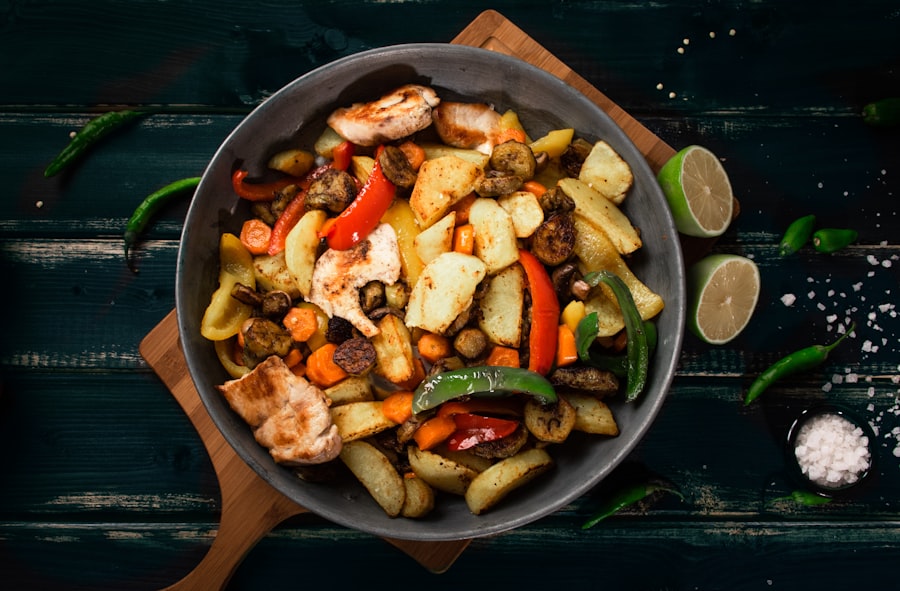
Indigenous cultures have played a pivotal role in shaping exclusive American foods, contributing both ingredients and cooking methods that continue to influence contemporary cuisine. Native Americans were among the first to cultivate crops such as maize (corn), beans, and squash—often referred to as the “Three Sisters.” These staples formed the foundation of many traditional dishes and remain integral to various regional cuisines today. Moreover, indigenous cooking techniques such as smoking meats and using natural herbs for flavoring have been adopted and adapted by many cultures throughout America.
The use of wild game and foraged plants also reflects a deep respect for nature that is evident in modern farm-to-table movements. By recognizing and honoring these indigenous contributions, one can gain a deeper appreciation for the complexity and richness of exclusive American foods.
The Role of Immigrant Communities in Shaping Exclusive American Cuisine
Immigrant communities have significantly influenced exclusive American cuisine by introducing new flavors, ingredients, and cooking techniques from around the world. As waves of immigrants arrived in America throughout history—whether from Europe, Asia, Africa, or Latin America—they brought their culinary traditions with them. This blending of cultures has resulted in a dynamic food landscape that continues to evolve.
For instance, Italian immigrants popularized dishes like pizza and pasta, which have become staples across the nation. Similarly, Mexican cuisine has left an indelible mark on American food culture through dishes like tacos and enchiladas. These immigrant contributions not only enrich the culinary scene but also foster cultural exchange and understanding among diverse communities.
As America continues to grow more diverse, its cuisine reflects this evolution through an ever-expanding array of flavors and dishes.
Modern Trends in Exclusive American Foods
In recent years, modern trends in exclusive American foods have emerged as chefs and home cooks alike seek to innovate while honoring traditional recipes. One notable trend is the farm-to-table movement, which emphasizes sourcing ingredients locally to create fresh and sustainable dishes. This approach not only supports local farmers but also enhances flavor by using seasonal produce at its peak ripeness.
Another trend gaining traction is the fusion of different culinary styles. Chefs are increasingly experimenting with combining elements from various cuisines to create unique dishes that reflect America’s diverse cultural landscape. For example, Korean barbecue tacos blend traditional Mexican flavors with Korean marinated meats, resulting in a deliciously unexpected combination that has captured diners’ imaginations.
These modern trends highlight how exclusive American foods continue to evolve while remaining rooted in tradition.
The Rise of Exclusive American Food Festivals and Events
The growing popularity of exclusive American foods has led to an increase in food festivals and events celebrating regional cuisines across the country. These gatherings provide an opportunity for chefs, food enthusiasts, and local communities to come together and showcase their culinary talents. Events such as the New Orleans Jazz & Heritage Festival highlight not only music but also the city’s rich culinary heritage through tastings of gumbo, jambalaya, and beignets.
Similarly, festivals like the Great American Foodie Fest celebrate diverse cuisines from various regions while promoting local businesses and artisans. These events foster community spirit while allowing attendees to explore new flavors and learn about different culinary traditions. As more people seek authentic food experiences, these festivals play an essential role in preserving and promoting exclusive American foods.
The Global Impact of Exclusive American Cuisine
Exclusive American cuisine has made a significant impact on global food culture through its widespread popularity and influence on international dining trends. Dishes like hamburgers and fried chicken have transcended borders, becoming beloved staples in many countries around the world. Fast-food chains serving these iconic meals have proliferated globally, introducing international audiences to American flavors.
Moreover, chefs worldwide often draw inspiration from exclusive American cuisine when creating their own dishes or menus. The fusion of different culinary styles has led to innovative creations that reflect both local traditions and American influences. As global travel becomes more accessible and cultural exchange continues to flourish, exclusive American foods will likely remain at the forefront of international culinary conversations.
Tips for Exploring and Enjoying Exclusive American Foods
For those eager to explore exclusive American foods, there are several tips to enhance their culinary journey. First and foremost, one should embrace regional specialties by seeking out local restaurants or food markets that showcase authentic dishes unique to each area. Engaging with local chefs or home cooks can provide valuable insights into traditional cooking methods and ingredient sourcing.
Additionally, participating in food festivals or events can offer an immersive experience where one can sample various dishes while learning about their cultural significance. Finally, experimenting with cooking at home can be an enjoyable way to connect with exclusive American cuisine; trying out recipes that incorporate regional ingredients allows individuals to appreciate the flavors while honing their culinary skills. In conclusion, exclusive American foods represent a vibrant tapestry woven from diverse cultural influences and historical narratives.
By exploring their origins, unique ingredients, regional variations, and modern trends, one can gain a deeper appreciation for this dynamic aspect of American culture. Whether through dining out or cooking at home, engaging with these foods offers an opportunity to celebrate the rich heritage that defines America’s culinary landscape.
If you’re curious about unique culinary experiences, you might want to check out the article on foods you can only buy in America. It highlights some of the most iconic and regional delicacies that define American cuisine. For more interesting insights, you can read the full article [here](https://www.heydidyouknowthis.com/sample-page/).
WATCH THIS 🤯 33 American Foods Banned Overseas: The Shocking Ingredients You Won’t Find Abroad 🇺🇸❌🌍
FAQs
What are some foods that you can only buy in America?
Some foods unique to America include regional specialties like Buffalo wings, Philly cheesesteak, key lime pie, and certain snack brands such as Reese’s Peanut Butter Cups and Twinkies. Many of these items are either invented in the U.S. or have become iconic American foods not widely available elsewhere.
Why are some foods only available in America?
Certain foods are only available in America due to cultural origins, regional ingredients, or specific manufacturing and distribution practices. Additionally, some brands and products are exclusive to the U.S. market because of trademark rights, consumer preferences, or import/export regulations.
Can I find American-exclusive foods outside the U.S.?
While some American foods can be found internationally, especially in specialty stores or American-themed restaurants, many remain exclusive due to limited export or local demand. Some products may also be available online through international shipping.
Are there any health or safety regulations affecting the availability of American foods abroad?
Yes, different countries have varying food safety and import regulations that can restrict or prohibit certain American food products. Ingredients allowed in the U.S. might be banned or limited elsewhere, affecting the availability of some foods internationally.
How can I try American-exclusive foods if I live outside the U.S.?
You can try American-exclusive foods by visiting American restaurants abroad, purchasing from international online retailers that ship U.S. products, or traveling to the U.S. to experience them firsthand. Some specialty grocery stores also import select American items.
Do American-exclusive foods reflect regional diversity within the U.S.?
Yes, many American-exclusive foods highlight the country’s regional diversity. For example, New England clam chowder, Southern barbecue, and Tex-Mex cuisine each represent distinct culinary traditions found in different parts of the U.S.