
The Manhattan Project emerged from the confluence of scientific innovation and geopolitical urgency during World War II. Following the discovery of nuclear fission in 1938 by German scientists Otto Hahn and Fritz Strassmann, physicists worldwide recognized the potential for developing weapons of unprecedented destructive power. Concerned that Nazi Germany might develop such weapons first, prominent scientists, including Albert Einstein and Leo Szilard, urged President Franklin D.
Roosevelt to initiate an American nuclear research program. In 1942, the U.S. Army Corps of Engineers established the Manhattan Engineer District under the leadership of General Leslie Groves, with theoretical physicist J.
Robert Oppenheimer directing scientific operations at Los Alamos Laboratory. This massive secret endeavor employed over 125,000 personnel across multiple facilities nationwide, including Oak Ridge, Tennessee for uranium enrichment and Hanford, Washington for plutonium production. The project culminated in July 1945 with the successful Trinity test in New Mexico, demonstrating the viability of the implosion-design plutonium bomb.
Subsequently, atomic bombs were deployed against Hiroshima and Nagasaki in August 1945, hastening Japan’s surrender and concluding World War II while simultaneously inaugurating the nuclear age.
Key Takeaways
- The Manhattan Project was a secret U.S. initiative to develop the atomic bomb during World War II.
- Espionage played a critical role, with Soviet spies infiltrating the project to steal nuclear secrets.
- Klaus Fuchs was a key Soviet spy who passed vital information to the USSR, significantly aiding their atomic program.
- Efforts to identify and capture spies within the project intensified as the threat of espionage became clear.
- The legacy of espionage in the Manhattan Project influenced Cold War dynamics and raised complex ethical questions.
As the threat of Nazi Germany’s potential development of atomic weapons loomed large, the United States recognized the need to accelerate its own research into nuclear fission. In 1938, the discovery of nuclear fission by German scientists Otto Hahn and Fritz Strassmann ignited a race among nations to harness this powerful energy source. By 1942, under the leadership of physicist J.
Robert Oppenheimer and military officials like General Leslie Groves, the Manhattan Project was formally established. Its primary objective was to develop an atomic bomb before the Axis powers could achieve the same.
The project brought together some of the brightest minds in physics, engineering, and chemistry, including notable figures such as Enrico Fermi, Richard Feynman, and Niels Bohr. The collaboration spanned across various locations, with key sites established in Los Alamos, New Mexico; Oak Ridge, Tennessee; and Hanford, Washington. The urgency of the project was palpable, as scientists worked tirelessly to unlock the secrets of nuclear fission while grappling with the ethical implications of their work.
The Manhattan Project not only marked a significant scientific endeavor but also set the stage for a new era in warfare and international relations.
The Role of Espionage in the Manhattan Project

Espionage played a critical role in shaping the trajectory of the Manhattan Project. As the United States poured resources into developing atomic weapons, other nations, particularly Germany and the Soviet Union, sought to gather intelligence on American advancements. The stakes were incredibly high; whoever succeeded in creating an atomic bomb first would hold unprecedented power on the global stage.
This environment fostered a climate of secrecy and suspicion, where information was closely guarded, and any leaks could have dire consequences. The United States was not only concerned about foreign spies infiltrating its ranks but also about potential leaks from within its own scientific community. The project operated under a veil of secrecy, with many scientists unaware of the full scope of their work or how it fit into the larger picture.
This compartmentalization was intended to minimize risks but also created an atmosphere ripe for espionage. As scientists collaborated on groundbreaking research, they were often unaware that their discoveries could be exploited by foreign agents seeking to undermine American efforts.
The Soviet Union’s Espionage Efforts
The Soviet Union’s espionage efforts during the Manhattan Project were both extensive and sophisticated. Recognizing the potential implications of atomic weapons for global power dynamics, Soviet intelligence agencies were determined to infiltrate American scientific circles. The USSR had its own nuclear ambitions and sought to gain insights into the progress being made by American scientists.
This led to a concerted effort to recruit spies who could provide valuable information about the Manhattan Project. One of the most significant aspects of Soviet espionage was its ability to leverage existing networks of sympathizers within the United States. Many individuals who had leftist political leanings were more than willing to assist Soviet agents in exchange for ideological alignment or financial compensation.
This created a fertile ground for espionage activities, as these individuals often had access to sensitive information and could easily blend into academic and scientific communities. The Soviets employed various tactics, including surveillance, infiltration, and recruitment, to gather intelligence on American nuclear research.
Klaus Fuchs and the Soviet Spy Ring
| Metric | Details |
|---|---|
| Project Name | Manhattan Project |
| Time Period | 1942 – 1946 |
| Primary Espionage Target | United States nuclear weapons development |
| Key Espionage Agents | Klaus Fuchs, Theodore Hall, David Greenglass, Julius and Ethel Rosenberg |
| Information Leaked | Designs of atomic bomb, plutonium and uranium enrichment processes |
| Impact of Espionage | Accelerated Soviet atomic bomb development |
| Number of Convictions | At least 5 major convictions related to espionage |
| Countries Involved | United States (target), Soviet Union (recipient of intelligence) |
| Security Measures | Strict compartmentalization, background checks, surveillance |
Klaus Fuchs stands out as one of the most notorious figures in the Soviet spy ring that infiltrated the Manhattan Project. A German-born physicist who fled to Britain before World War II, Fuchs became a key member of the project at Los Alamos. His expertise in theoretical physics made him an invaluable asset to American scientists working on nuclear weapons.
However, unbeknownst to his colleagues, Fuchs was also passing critical information to Soviet handlers throughout his tenure at Los Alamos. Fuchs’s espionage activities were driven by his deep-seated belief in communism and his desire to ensure that nuclear weapons would not fall solely into the hands of capitalist powers. He provided detailed reports on atomic bomb designs and research findings, significantly aiding Soviet efforts to develop their own nuclear capabilities.
His capture in 1950 revealed not only his betrayal but also highlighted the vulnerabilities within the Manhattan Project’s security protocols. Fuchs’s case served as a wake-up call for American intelligence agencies regarding the extent of Soviet infiltration.
The Impact of Espionage on the Manhattan Project
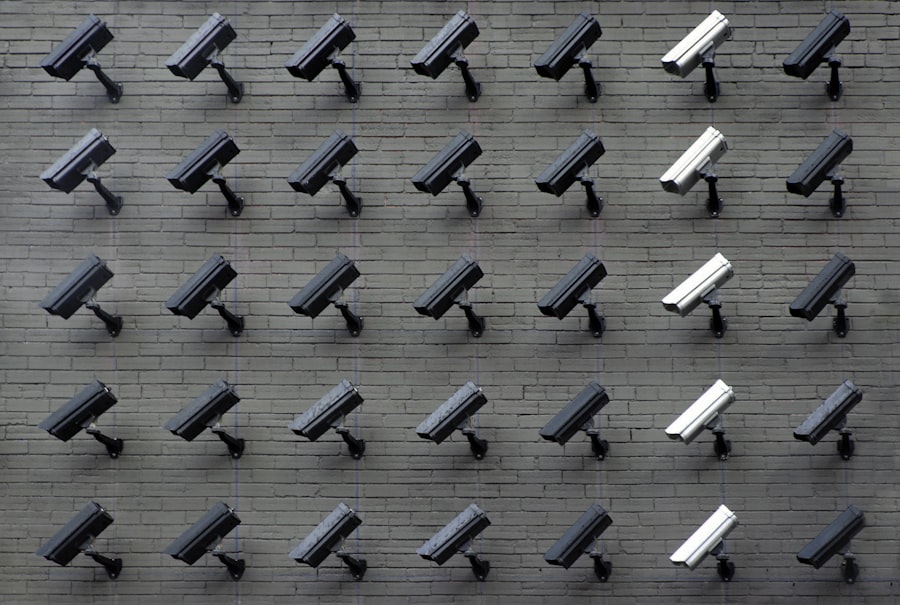
The impact of espionage on the Manhattan Project was profound and multifaceted. On one hand, it underscored the vulnerabilities inherent in even the most secretive scientific endeavors. The infiltration by Soviet spies like Klaus Fuchs raised questions about trust among scientists and led to increased scrutiny of personnel involved in sensitive research.
This atmosphere of suspicion could have stifled collaboration and innovation, as scientists became wary of sharing ideas or findings with colleagues. On the other hand, espionage also served as a catalyst for improved security measures within the project. In response to revelations about Soviet infiltration, American intelligence agencies began implementing more stringent protocols to safeguard sensitive information.
This included background checks for personnel, compartmentalization of information, and increased surveillance of potential threats. While these measures aimed to protect national security, they also highlighted the delicate balance between fostering scientific collaboration and ensuring operational security.
The Hunt for Spies within the Project
In light of growing concerns about espionage, a concerted effort was launched to identify and apprehend spies within the Manhattan Project. This hunt for infiltrators involved a combination of investigative techniques, including surveillance, interviews, and background checks on personnel associated with the project. The FBI played a crucial role in this endeavor, employing its resources to uncover potential threats and gather intelligence on suspected spies.
The atmosphere during this period was tense, as scientists and military officials grappled with the dual pressures of advancing their research while remaining vigilant against espionage threats. Many individuals who had previously worked together began to question each other’s loyalty, leading to an environment fraught with paranoia. The hunt for spies not only aimed to protect national security but also sought to restore trust among team members who were increasingly wary of one another.
The Legacy of Espionage in the Atomic Age
The legacy of espionage during the Manhattan Project extends far beyond its immediate impact on World War II efforts; it laid the groundwork for a new era defined by nuclear proliferation and international tensions. The successful development of atomic weapons by both the United States and the Soviet Union marked a turning point in global politics, ushering in an age characterized by an arms race and heightened espionage activities between rival nations. As countries sought to develop their own nuclear capabilities, espionage became an integral part of national security strategies worldwide.
Intelligence agencies across various nations recognized that acquiring knowledge about adversaries’ nuclear programs was essential for maintaining a strategic advantage. This led to an escalation in covert operations aimed at gathering intelligence on nuclear research facilities and scientists involved in atomic weapon development.
Ethical and Moral Considerations of Espionage in the Manhattan Project
The ethical and moral considerations surrounding espionage during the Manhattan Project are complex and multifaceted. On one hand, proponents argue that espionage was necessary for national security during a time of global conflict; gathering intelligence on potential adversaries was seen as a means of safeguarding democracy and freedom. However, critics contend that espionage undermines trust among individuals working toward common goals and raises questions about loyalty and betrayal.
Moreover, the implications of espionage extend beyond individual actions; they touch upon broader ethical dilemmas related to scientific responsibility and accountability. Scientists involved in projects like the Manhattan Project grappled with their roles in developing weapons capable of mass destruction. The knowledge that their work could be exploited by foreign powers added another layer of moral complexity to their endeavors.
Ultimately, these ethical considerations continue to resonate today as nations navigate issues related to national security and scientific integrity.
The Espionage Race during the Cold War
The espionage race during the Cold War was characterized by intense competition between superpowers seeking to gain an upper hand in nuclear capabilities. Following World War II, both the United States and the Soviet Union engaged in a series of covert operations aimed at gathering intelligence on each other’s military advancements and technological innovations. This period saw an escalation in espionage activities as both nations sought to protect their interests while undermining those of their rivals.
The Cold War espionage landscape was marked by high-stakes operations involving spies infiltrating government agencies, military installations, and scientific research facilities.
As both sides engaged in this clandestine battle for supremacy, espionage became an integral component of Cold War strategy.
The Declassification of Espionage Documents
In recent decades, efforts have been made to declassify documents related to espionage activities during the Manhattan Project and subsequent Cold War operations. This process has provided historians and researchers with valuable insights into the extent of espionage efforts undertaken by both sides during this tumultuous period in history. Declassified documents have shed light on specific cases involving spies like Klaus Fuchs while also revealing broader patterns of intelligence gathering.
The declassification process has not only contributed to historical understanding but has also sparked debates about transparency and accountability within government agencies. As previously classified information becomes accessible to the public, questions arise regarding how much should be revealed about past operations and whether certain details should remain confidential for national security reasons. This ongoing dialogue reflects broader societal concerns about balancing transparency with security in an increasingly complex world.
Lessons Learned from Espionage in the Manhattan Project
The lessons learned from espionage during the Manhattan Project are relevant not only for historical analysis but also for contemporary discussions surrounding national security and scientific integrity. One key takeaway is the importance of maintaining robust security protocols while fostering an environment conducive to collaboration among scientists and researchers. Striking this balance is essential for ensuring that innovative ideas can flourish without compromising sensitive information.
Additionally, understanding the motivations behind espionage can inform current strategies for counterintelligence efforts. Recognizing that individuals may be driven by ideological beliefs or personal gain underscores the need for comprehensive vetting processes within sensitive organizations.
In conclusion, the Manhattan Project serves as a pivotal chapter in history that highlights both scientific achievement and the complexities surrounding espionage during times of conflict. The interplay between innovation and intelligence gathering continues to resonate today as nations navigate an increasingly interconnected world marked by technological advancements and geopolitical tensions.
The Manhattan Project, a pivotal moment in history, was not only a scientific endeavor but also a hotbed of espionage, as various nations sought to uncover the secrets of atomic research. For a deeper understanding of the intricate web of espionage that surrounded this project, you can read more in the article available at this link. This article delves into the covert operations and intelligence activities that played a crucial role during this critical period.
WATCH THIS 🔐 The $2 Billion Lie: How America Built the Atomic Bomb in Secret
FAQs
What was the Manhattan Project?
The Manhattan Project was a secret research and development project during World War II that produced the first nuclear weapons. It was led by the United States with support from the United Kingdom and Canada.
What role did espionage play in the Manhattan Project?
Espionage played a significant role in the Manhattan Project as various foreign agents, particularly from the Soviet Union, attempted to infiltrate the project to steal nuclear secrets and accelerate their own atomic bomb development.
Who were some of the most famous spies involved in the Manhattan Project espionage?
Notable spies included Klaus Fuchs, a German-born British physicist who passed critical information to the Soviet Union, and the couple Julius and Ethel Rosenberg, who were accused of transmitting atomic secrets to the Soviets.
How did the U.S. government try to prevent espionage during the Manhattan Project?
The U.S. government implemented strict security measures, including background checks, compartmentalization of information, surveillance, and counterintelligence operations to detect and prevent espionage activities.
What impact did espionage have on the outcome of the Manhattan Project?
Espionage accelerated the Soviet Union’s development of nuclear weapons by providing them with valuable information, which contributed to the early start of the nuclear arms race during the Cold War.
Were there any consequences for those caught spying on the Manhattan Project?
Yes, individuals caught spying faced severe consequences, including imprisonment and, in some cases, execution. For example, Julius and Ethel Rosenberg were executed in 1953 for espionage related to the Manhattan Project.
How did the discovery of espionage affect U.S. nuclear policy?
The discovery of espionage led to increased security measures, the establishment of more rigorous counterintelligence programs, and heightened tensions during the Cold War, influencing U.S. nuclear policy and arms control efforts.
Is information about Manhattan Project espionage still classified?
Most information about Manhattan Project espionage has been declassified and is available through historical records, though some details may remain classified for national security reasons.