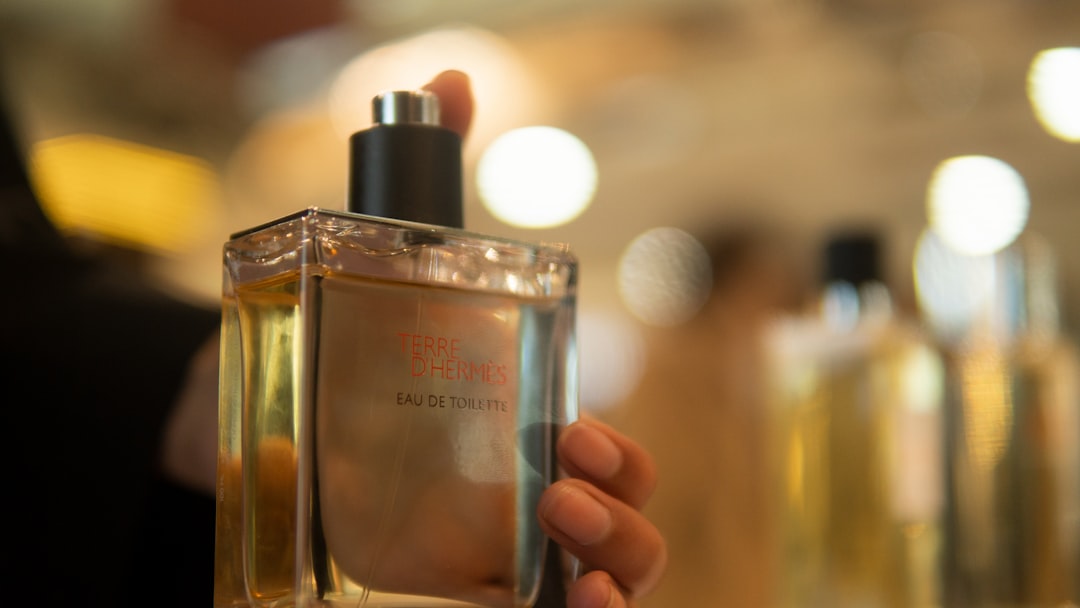
The implementation of artificial scents within grocery store ventilation systems, particularly those directed towards bakery sections, represents a calculated strategy to influence consumer behavior and purchasing decisions. This practice leverages olfactory science, aiming to evoke specific emotional and psychological responses that are conducive to increased sales and a generally more positive shopping experience. The deployment of these synthetic aromas, often subtle and designed to mimic freshly baked goods, is a sophisticated form of environmental marketing.
The human sense of smell is intrinsically linked to memory and emotion. It is a primal sense, with direct pathways to the limbic system of the brain, responsible for processing feelings and recollections. This biological connection makes scent a powerful, albeit often subconscious, influencer of human perception and behavior. Retail environments, recognizing this profound link, have increasingly sought to harness the power of olfaction to shape the customer journey.
The Science Behind Scent Marketing
Scent marketing, also known as olfactory marketing, utilizes carefully crafted fragrances to create a desired atmosphere within a commercial space. The effectiveness of this strategy is rooted in psychological principles. For instance, certain scents are associated with feelings of comfort, nostalgia, and appetite stimulation.
Evoking Nostalgia and Comfort
Warm, sweet aromas, like those of vanilla, cinnamon, and freshly baked bread, are frequently employed due to their common association with home baking and childhood memories. These scents can trigger a sense of comfort and security, making shoppers feel more relaxed and inclined to linger in a particular area. This extended dwell time can indirectly lead to increased engagement with products.
Stimulating Appetite and Cravings
The aromas of baked goods are inherently appetite stimulants. The presence of these scents can create a tangible craving for the products themselves. This effect is not merely speculative; studies in sensory marketing have demonstrated a correlation between pleasant, food-related scents and an increased desire to purchase those particular food items.
The Application in Grocery Stores
Grocery stores, with their vast array of products, represent a prime environment for scent marketing. The bakery section, in particular, is an ideal target because the products themselves are already associated with appealing aromas. Introducing amplified or replicated scents into the ventilation system serves to reinforce and enhance this natural allure.
The Bakery as a Sensory Destination
Historically, the aroma of a bakery has been a significant draw. This inherent sensory appeal is amplified by the careful introduction of artificial scents. The goal is to create an immersive experience, transforming the bakery section from just a place to purchase bread and pastries into a destination that engages multiple senses.
Strategic Placement of Scent Emitters
The effectiveness of artificial scents relies heavily on their strategic placement. Scent emitters are often positioned within or near the ventilation systems that service the bakery aisles. This ensures that the fragrance is distributed evenly and subtly throughout the designated area, creating a pervasive yet not overpowering sensory experience.
In recent discussions about the deceptive practices in grocery stores, an intriguing article highlights the use of fake scents in bakery vents to entice customers. This practice not only influences shopping behavior but also raises questions about consumer manipulation. For more insights on this topic, you can read the full article here: Hey Did You Know This.
The Mechanics of Artificial Olfaction
The creation and dispersal of artificial bakery scents involve a combination of chemical engineering and diffusion technology. The objective is to replicate natural aromas with a high degree of fidelity, ensuring that the synthesized fragrances are perceived as authentic and appealing by consumers.
The Chemistry of Scent Replication
The fragrances used are typically complex mixtures of aromatic compounds. These compounds are carefully selected and blended to mimic the volatile organic compounds released during the baking process of various goods, such as bread, cookies, and cakes.
Key Aromatic Compounds
Commonly used components include esters, aldehydes, and ketones, which contribute to sweet, fruity, and buttery notes. For instance, vanillin is a primary constituent in creating vanilla fragrance, while ethyl butyrate can impart a fruity aroma. The precise formulation is a proprietary process, often involving significant research and development to achieve the desired olfactory profile.
The Role of Volatility
The effectiveness of an aroma is directly related to the volatility of its constituent compounds. More volatile compounds evaporate and disperse into the air more readily, allowing them to be detected by the olfactory receptors. The artificial scents are engineered to have appropriate volatility profiles to ensure sustained and effective dispersal.
Diffusion Technology in Ventilation
Once synthesized, the fragrances are dispersed into the air through specialized diffusion systems. These systems are integrated into the grocery store’s existing HVAC infrastructure, allowing for controlled release of the scent.
Scent Machines and Nebulizers
Modern scent diffusion systems often employ nebulizers or atomizers. These devices break down the liquid fragrance into fine micro-droplets, which are then propelled into the airflow. This method ensures an even and consistent distribution of the aroma throughout the targeted area.
Control and Calibration
The intensity and frequency of scent release are carefully controlled. Administrators can calibrate the systems to release a specific amount of fragrance at predetermined intervals. This allows for the maintenance of a consistent olfactory atmosphere without the scent becoming overwhelming or artificial.
The Psychological Impact on Consumers
The deliberate introduction of artificial bakery scents is designed to elicit predictable psychological responses from shoppers, ultimately influencing their behavior and purchasing habits. This is not about deception; it is about creating an environment that primes consumers for a particular type of engagement.
Subconscious Influence on Decision-Making
Much of our purchasing behavior is driven by subconscious cues, and scent is a particularly potent one. An appealing aroma can bypass rational thought processes and trigger immediate emotional responses, leading to impulse purchases.
Priming for Consumption
The scent of freshly baked goods acts as a powerful priming mechanism. When exposed to these aromas, shoppers’ brains are activated in ways that anticipate the pleasure of consuming such items. This anticipation can lead to a greater willingness to purchase baked goods, even if they had not initially planned to do so.
The Halo Effect of Aroma
A pleasant aroma can cast a positive “halo” over the entire bakery section and, by extension, the grocery store itself. This positive sensory association can generalize to other products within the store, contributing to an overall perception of quality and desirability.
Enhancing the Shopping Experience
Beyond direct sales impact, artificial scents are employed to improve the overall customer experience, fostering a more positive and memorable visit.
Creating an Inviting Atmosphere
The goal is to make the grocery store a more pleasant place to be. A warm, inviting scent can make shoppers feel more relaxed and less rushed, encouraging them to explore and engage more deeply with the store’s offerings.
Associating Positive Emotions with the Brand
By consistently associating positive olfactory experiences with the grocery store, retailers aim to build brand loyalty. Consumers may develop an unconscious preference for stores where they have consistently pleasant sensory encounters.
Ethical Considerations and Consumer Perception
While effective, the use of artificial scents in retail environments raises questions about transparency and consumer perception. The debate centers on whether such practices constitute an ethical form of marketing or a form of subtle manipulation.
Transparency and Disclosure
A key ethical consideration is whether consumers are aware that the scents they are experiencing are artificial. Some argue that a lack of disclosure can be misleading, as shoppers may believe they are experiencing the genuine aroma of freshly baked goods.
Consumer Awareness and Choice
The principle of informed consent is central to ethical marketing. If consumers are not aware that scents are being artificially introduced, they are unable to make fully informed choices about their shopping experience or their purchasing decisions.
Industry Standards and Guidelines
As scent marketing becomes more prevalent, there is a growing discussion about the need for industry standards and guidelines regarding disclosure. Some retailers are beginning to voluntarily disclose the use of artificial scents, or to differentiate between natural and enhanced aromas.
The Perception of Authenticity
The intended effect of artificial scents is to mimic natural aromas. However, if the replication is not perfect, or if the scent is too strong, it can lead to a perception of artificiality, undermining the desired effect.
The Risk of Over-Stimulation
If scent emitters are not properly calibrated, the aroma can become overpowering. This can be unpleasant for shoppers and may even trigger negative reactions, such as headaches or nausea.
Building Trust Through Genuineness
Ultimately, consumer trust is a valuable asset for any retailer. While artificial scents can enhance the shopping experience, a reliance on them should not come at the expense of genuine product quality or an authentic in-store atmosphere.
In recent discussions about grocery store practices, the use of fake scents in bakery vents has raised eyebrows among consumers who are curious about the lengths stores will go to attract customers. This tactic, designed to create an enticing atmosphere, has sparked debates about authenticity and marketing ethics. For those interested in exploring this topic further, you can read a related article that delves into the implications of such strategies in retail environments. Check it out here to gain more insights into how these artificial aromas influence shopping behavior.
The Future of Olfactory Retail
| Location | Number of complaints | Actions taken |
|---|---|---|
| Grocery Store A | 15 | Cleaned vents, investigated source |
| Grocery Store B | 10 | Installed air purifiers, changed baking practices |
| Grocery Store C | 5 | Consulted with HVAC specialist, adjusted ventilation system |
The integration of artificial scents into grocery store ventilation is a developing field, with ongoing research and technological advancements poised to shape its future. The focus is likely to shift towards more sophisticated and nuanced applications.
Advanced Scent Technologies
Future innovations may involve more dynamic scent delivery systems that can adapt to real-time conditions, such as the time of day or the presence of specific customer demographics.
Personalized Olfactory Experiences
Imagine systems that could detect individual preferences or dietary needs and subtly adjust the ambient scent accordingly. This level of personalization, while currently futuristic, represents a potential direction for scent marketing development.
Integration with Smart Retail Systems
The convergence of scent diffusion technology with broader smart retail systems could allow for data-driven scent deployment. This data could inform the selection and intensity of fragrances based on sales patterns, customer traffic, and other metrics.
The Balance Between Enhancement and Authenticity
As scent marketing evolves, a critical challenge will be to maintain a delicate balance between enhancing the consumer experience through artificial means and preserving the authenticity of the retail environment.
The Role of Natural Aromas
The genuine aroma of freshly baked goods, produced through traditional baking methods, will likely remain a cornerstone of the bakery experience. Artificial scents should be seen as complementary, rather than as replacements for, these natural qualities.
Consumer Education and Engagement
As technology advances, there may be opportunities for grocery stores to engage consumers in discussions about scent marketing. Educating shoppers about the science and purpose behind these practices could foster greater understanding and acceptance.
The use of fake scents in grocery store vents to enhance the bakery experience is a multifaceted approach. It draws upon the deep connection between scent, memory, and emotion to influence consumer behavior. While offering potential benefits in terms of sales and customer satisfaction, it also necessitates careful consideration of ethical implications and the potential impact on perceptions of authenticity. The trajectory of this practice will likely be shaped by technological innovation, evolving consumer expectations, and a continued dialogue about the role of sensory marketing in the retail landscape.
FAQs
What are fake scents in grocery store bakery vents?
Fake scents in grocery store bakery vents are artificial fragrances or scents that are released into the air to create the illusion of freshly baked goods. These scents are often used to entice customers and create a pleasant atmosphere in the bakery section of the store.
How are fake scents in grocery store bakery vents produced?
Fake scents in grocery store bakery vents are typically produced using synthetic fragrances or essential oils that mimic the smell of freshly baked bread, pastries, or other baked goods. These scents are then diffused into the air using a variety of methods, such as scent diffusers or air vents.
Are fake scents in grocery store bakery vents harmful to health?
There is limited research on the potential health effects of fake scents in grocery store bakery vents. However, some artificial fragrances and essential oils used in these scents may contain chemicals that can trigger allergic reactions or respiratory issues in sensitive individuals. It is important to be cautious and mindful of potential health risks associated with exposure to artificial scents.
Can fake scents in grocery store bakery vents affect the taste of baked goods?
Fake scents in grocery store bakery vents are designed to create a pleasant aroma and atmosphere, but they do not directly affect the taste of the baked goods themselves. However, some consumers may find that the artificial scents create a disconnection between the perceived aroma and the actual taste of the baked goods.
How can consumers identify fake scents in grocery store bakery vents?
Consumers can identify fake scents in grocery store bakery vents by being mindful of the artificial or overpowering aroma in the bakery section of the store. Additionally, reading ingredient labels and asking store staff about the use of artificial scents can help consumers make informed decisions about their purchases.