
In recent years, public health discussions have increasingly focused on food safety, particularly examining the role of certain chemical additives in the American food supply. As consumer awareness of dietary health risks has grown, scrutiny of food ingredients has intensified. Many people are seeking information about food composition and potential long-term health effects.
Some additives commonly found in processed foods have been studied for possible links to cancer, prompting questions about food safety standards. Food safety concerns reflect both individual consumer choices and systemic issues within food production and regulatory oversight. The food industry uses numerous chemicals in manufacturing, and consumers often find food labeling and ingredient information complex to interpret.
This article examines commonly used food additives, the scientific evidence regarding artificial sweeteners and preservatives, and sources of chemical additives in processed foods. Understanding these topics can help consumers make informed dietary decisions and engage in discussions about food safety standards.
Key Takeaways
- Many common food additives in the American diet have been linked to increased cancer risk.
- Artificial sweeteners and preservatives are significant contributors to cancer development.
- Hidden chemicals in processed foods and GMOs further elevate cancer risks.
- Regulatory gaps and insufficient oversight allow harmful additives to remain in the food supply.
- Consumer awareness and advocacy are crucial for reducing exposure to cancer-causing food chemicals.
Common Food Additives Linked to Cancer
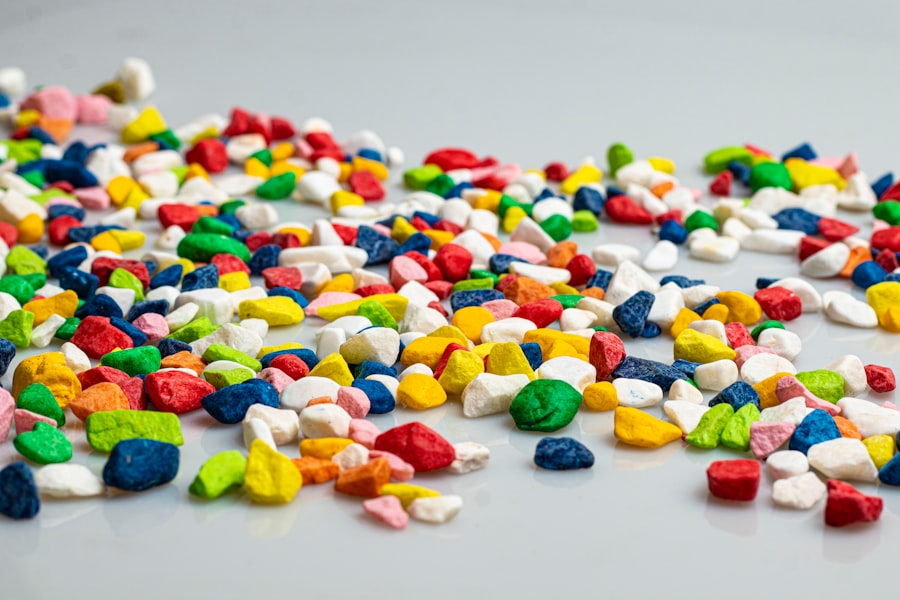
A variety of food additives have been scrutinized for their potential links to cancer. Among these, certain artificial colors and flavors have raised red flags among health experts. For instance, Yellow 5 and Red 40, commonly used in candies and beverages, have been associated with hyperactivity in children and potential carcinogenic effects.
These synthetic dyes are not only prevalent in sugary snacks but also in a range of processed foods, making them difficult to avoid. The concern is compounded by studies suggesting that long-term exposure to these additives may increase the risk of developing certain types of cancer. Another group of additives that warrants attention is the emulsifiers and stabilizers found in many processed foods.
Ingredients like polysorbate 80 and carrageenan have been linked to inflammation and gut health issues, which some researchers believe could contribute to cancer development over time. The cumulative effect of consuming these additives regularly can pose significant health risks, particularly when combined with other harmful substances present in the diet. As consumers become more health-conscious, understanding the implications of these common additives is crucial for making safer dietary choices. The controversial product was recently banned in Europe due to safety concerns.
The Dangers of Artificial Sweeteners
Artificial sweeteners have become a popular alternative to sugar, especially among those seeking to reduce caloric intake or manage diabetes. However, the safety of these sugar substitutes has come under scrutiny due to potential links to cancer. Aspartame, one of the most widely used artificial sweeteners, has been the subject of numerous studies investigating its carcinogenic potential.
While regulatory agencies have deemed it safe for consumption within established limits, some research suggests that excessive intake may be associated with an increased risk of certain cancers. Moreover, saccharin, another artificial sweetener, was once banned due to its association with bladder cancer in laboratory rats. Although it has since been re-evaluated and deemed safe for human consumption, the lingering concerns about its safety highlight the need for ongoing research into the long-term effects of artificial sweeteners on human health.
As consumers navigate their dietary choices, it is essential to consider not only the immediate benefits of these sweeteners but also their potential long-term consequences.
The Role of Preservatives in Cancer Development
Preservatives play a crucial role in extending the shelf life of food products, but many commonly used preservatives have raised concerns regarding their safety and potential links to cancer. Sodium nitrite and sodium nitrate, often found in processed meats like bacon and hot dogs, are known to form nitrosamines when exposed to high heat during cooking. Nitrosamines are recognized carcinogens that have been linked to an increased risk of colorectal cancer.
The frequent consumption of processed meats containing these preservatives can significantly elevate cancer risk over time. Additionally, BHA (butylated hydroxyanisole) and BHT (butylated hydroxytoluene) are synthetic antioxidants used to prevent rancidity in fats and oils. While they are generally regarded as safe by regulatory agencies, some studies have suggested a possible connection between these preservatives and cancer development in laboratory animals.
The implications for human health remain uncertain, but the potential risks associated with regular consumption of foods containing these preservatives cannot be overlooked.
Hidden Sources of Cancer Causing Chemicals in Processed Foods
| Additive Name | Common Use | Cancer Risk | Regulatory Status (USA) | Notes |
|---|---|---|---|---|
| Artificial Food Dyes (e.g., Red 3, Yellow 5) | Coloring in candies, beverages, processed foods | Possible carcinogen (Red 3 linked to thyroid tumors in animals) | Approved with limits; Red 3 banned in cosmetics but allowed in food | Some dyes linked to hyperactivity and allergic reactions |
| Butylated Hydroxyanisole (BHA) | Preservative in cereals, chewing gum, potato chips | Possible human carcinogen (linked to stomach tumors in rats) | Approved with limits | Classified as possibly carcinogenic by IARC |
| Butylated Hydroxytoluene (BHT) | Preservative in oils, fats, cereals | Possible carcinogen (mixed evidence in animal studies) | Approved with limits | Generally recognized as safe but controversial |
| Sodium Nitrite/Nitrate | Preservative and color fixative in processed meats | Linked to increased risk of colorectal cancer | Approved with strict limits | Can form carcinogenic nitrosamines when cooked at high heat |
| Potassium Bromate | Flour improver in bread and baked goods | Carcinogenic in animals (kidney tumors) | Banned in many countries; allowed in USA with limits | Many US bakeries have voluntarily stopped using it |
| Trans Fats (Partially Hydrogenated Oils) | Used in margarine, baked goods, fried foods | Linked to increased cancer risk indirectly via inflammation | Mostly banned or restricted in USA | FDA declared PHOs unsafe in 2015 |
Processed foods often contain hidden sources of cancer-causing chemicals that may not be immediately apparent to consumers. Many individuals may be surprised to learn that even seemingly healthy options can harbor harmful additives. For example, pre-packaged salads and dressings may contain preservatives and artificial flavors that contribute to cancer risk.
Additionally, snack foods marketed as “healthy” or “natural” can still contain a cocktail of additives that compromise their safety. Furthermore, many convenience foods are laden with trans fats, which have been linked to an increased risk of various health issues, including cancer. These fats are often found in baked goods, margarine, and fried foods.
Despite regulations limiting their use, trans fats can still be present in small amounts, posing a risk to unsuspecting consumers. The challenge lies in deciphering ingredient labels and understanding which additives may pose a threat to health.
How Genetically Modified Organisms (GMOs) Contribute to Cancer Risk
The rise of genetically modified organisms (GMOs) in agriculture has sparked significant debate regarding their safety and potential health risks. While proponents argue that GMOs can enhance crop yields and reduce pesticide use, critics raise concerns about their long-term effects on human health, including potential links to cancer. Some studies suggest that certain GMOs may contain higher levels of harmful substances or allergens that could contribute to cancer risk over time.
Moreover, the use of herbicides like glyphosate on GMO crops has come under fire due to its classification as a probable human carcinogen by the International Agency for Research on Cancer (IARC). As glyphosate is widely used in agriculture, its presence in food products raises questions about the safety of consuming GMO-derived foods. The complexity surrounding GMOs necessitates further research to fully understand their implications for human health and cancer risk.
Regulatory Failures and Lack of Oversight in the Food Industry
The regulatory landscape governing food safety in the United States has faced criticism for its perceived inadequacies and lack of oversight regarding food additives. While agencies like the Food and Drug Administration (FDA) are tasked with ensuring food safety, many argue that existing regulations do not adequately protect consumers from harmful chemicals. The process for approving new food additives can be lengthy and complex, often allowing potentially dangerous substances to enter the market before thorough testing is conducted.
Additionally, conflicts of interest within regulatory agencies can hinder effective oversight.
As a result, consumers may unknowingly consume products containing harmful additives that have not undergone rigorous scrutiny.
This regulatory gap underscores the need for reform and greater transparency within the food industry to safeguard public health.
The Impact of Pesticides and Herbicides on Food Safety
Pesticides and herbicides are integral components of modern agriculture, designed to protect crops from pests and diseases. However, their widespread use raises significant concerns regarding food safety and potential links to cancer. Many pesticides contain chemicals that have been classified as carcinogenic or endocrine disruptors, posing risks not only to agricultural workers but also to consumers who ingest residues on fruits and vegetables.
The presence of pesticide residues on produce can vary widely depending on farming practices and regulations governing pesticide use. While washing fruits and vegetables can reduce some pesticide residues, it may not eliminate them entirely. Furthermore, certain pesticides can persist in the environment for extended periods, leading to cumulative exposure over time.
As consumers become more aware of these risks, there is a growing demand for organic produce free from synthetic pesticides and herbicides.
Strategies for Avoiding Cancer Causing Chemicals in Food
Navigating the complex landscape of food additives requires vigilance and informed decision-making from consumers. One effective strategy for avoiding cancer-causing chemicals is to prioritize whole, unprocessed foods whenever possible. Fresh fruits, vegetables, whole grains, and lean proteins are less likely to contain harmful additives compared to packaged or processed options.
By focusing on a diet rich in natural foods, individuals can significantly reduce their exposure to potentially dangerous chemicals. Additionally, reading ingredient labels carefully is essential for identifying harmful additives. Consumers should familiarize themselves with common food additives linked to cancer risk and seek out products with minimal ingredients or those labeled as organic or non-GMO.
Supporting local farmers’ markets or community-supported agriculture (CSA) programs can also provide access to fresher produce while reducing reliance on heavily processed foods.
The Importance of Consumer Advocacy and Awareness
Consumer advocacy plays a vital role in promoting food safety and raising awareness about cancer-causing chemicals in food additives. Grassroots organizations and advocacy groups work tirelessly to educate the public about potential risks associated with certain ingredients while pushing for stricter regulations within the food industry. By mobilizing communities around issues related to food safety, these organizations empower individuals to make informed choices about their diets.
Moreover, increased consumer awareness can drive demand for safer food options and encourage manufacturers to reformulate products by eliminating harmful additives. As more people become conscious of what they consume, companies may be compelled to prioritize transparency and accountability in their ingredient sourcing practices. Ultimately, consumer advocacy fosters a culture of health consciousness that benefits both individuals and society as a whole.
Taking Action to Protect Against Cancer Causing Food Additives
In conclusion, the presence of cancer-causing chemicals in American food additives poses significant challenges for consumers seeking safe dietary options. From artificial sweeteners and preservatives to hidden sources of harmful substances in processed foods, understanding these risks is crucial for making informed choices about nutrition. As awareness grows regarding the potential dangers associated with certain ingredients, individuals are encouraged to take proactive steps toward safeguarding their health.
By prioritizing whole foods, reading labels diligently, and advocating for greater transparency within the food industry, consumers can play an active role in reducing their exposure to harmful additives. Additionally, supporting initiatives aimed at reforming food regulations can help create a safer environment for all consumers. Ultimately, taking action against cancer-causing chemicals in food is not just a personal responsibility; it is a collective effort toward fostering a healthier future for generations to come.
Recent discussions around American food additives have raised concerns about their potential link to cancer. A particularly insightful article on this topic can be found at com/sample-page/’>this link, where various additives commonly used in processed foods are examined for their health implications.
The article highlights the importance of being aware of what we consume and encourages readers to make informed choices about their diets.
WATCH THIS 🤯 33 American Foods Banned Overseas: The Shocking Ingredients You Won’t Find Abroad 🇺🇸❌🌍
FAQs
What are food additives?
Food additives are substances added to food to preserve flavor, enhance taste, appearance, or improve shelf life. They can be natural or synthetic.
Are all food additives safe to consume?
Not all food additives are completely safe. Regulatory agencies like the FDA evaluate additives for safety, but some have been linked to health concerns, including cancer, when consumed in large amounts or over long periods.
Which American food additives have been linked to cancer?
Certain additives such as artificial colorings (e.g., Red 3), preservatives like sodium nitrite, and some artificial sweeteners have been studied for potential carcinogenic effects. However, evidence varies and is often based on animal studies or high-dose exposures.
How do food additives cause cancer?
Some additives may cause cancer by damaging DNA, promoting cell mutations, or creating carcinogenic compounds during digestion or cooking. The risk depends on the type of additive, amount consumed, and individual susceptibility.
Are there regulations to control harmful food additives in the U.S.?
Yes, the U.S. Food and Drug Administration (FDA) regulates food additives, requiring safety testing before approval. Additives suspected of causing cancer may be banned or restricted.
Can consumers avoid cancer-causing food additives?
Consumers can reduce exposure by reading ingredient labels, choosing fresh or minimally processed foods, and avoiding products with controversial additives like certain artificial colors or preservatives.
Is there scientific consensus on food additives causing cancer?
While some additives have been linked to cancer in laboratory studies, the overall scientific consensus is that most approved additives are safe at typical consumption levels. Ongoing research continues to evaluate long-term effects.
What should I do if I am concerned about food additives and cancer risk?
Consult with healthcare professionals or nutritionists for personalized advice. Staying informed about food safety updates and choosing a balanced diet with fewer processed foods can help minimize risks.