
The Arctic has long been a region of intrigue and contention, shaped by its unique geography and the interests of various nations. Historically, the Arctic was viewed primarily as a desolate expanse, largely ignored by global powers. However, as technological advancements made exploration more feasible, the strategic importance of the Arctic began to emerge.
The Cold War era marked a significant turning point, as the Arctic became a theater for military posturing between the United States and the Soviet Union. Both superpowers recognized the region’s potential for military advantage, leading to increased surveillance and military installations. As you delve deeper into the history of Arctic geopolitical tensions, you will find that the dissolution of the Soviet Union did not diminish these tensions; rather, it transformed them.
New players entered the arena, and the focus shifted from military dominance to economic interests and environmental concerns.
This historical backdrop sets the stage for understanding the complex dynamics at play in the region today.
Key Takeaways
- The Arctic has a long history of geopolitical tensions, with various countries vying for control and influence in the region.
- The Arctic region is of great importance due to its abundance of natural resources, its strategic location, and its potential for new shipping routes.
- The key players involved in Arctic geopolitical tensions include the United States, Russia, Canada, Denmark, and Norway, among others.
- Resource competition in the Arctic is a major driver of geopolitical tensions, with countries seeking to exploit its oil, gas, and mineral reserves.
- Climate change is having a significant impact on Arctic geopolitical tensions, as melting ice opens up new opportunities for resource extraction and shipping routes.
The Importance of the Arctic Region
The Arctic is not merely a remote wilderness; it is a region of immense strategic significance. As you consider its importance, think about its role in global climate regulation, biodiversity, and natural resources. The Arctic plays a crucial role in regulating the Earth’s climate, acting as a cooling system that influences weather patterns worldwide.
The melting ice caps are not just an environmental concern; they signal broader changes that could have far-reaching implications for global weather systems. Moreover, the Arctic is rich in natural resources, including oil, gas, and minerals. As you explore this aspect, you will realize that these resources are becoming increasingly accessible due to climate change.
The retreating ice opens up new areas for exploration and extraction, making the Arctic a focal point for energy security discussions. Nations are keenly aware that control over these resources could significantly impact their economies and energy independence, further heightening geopolitical tensions.
The Players Involved in Arctic Geopolitical Tensions
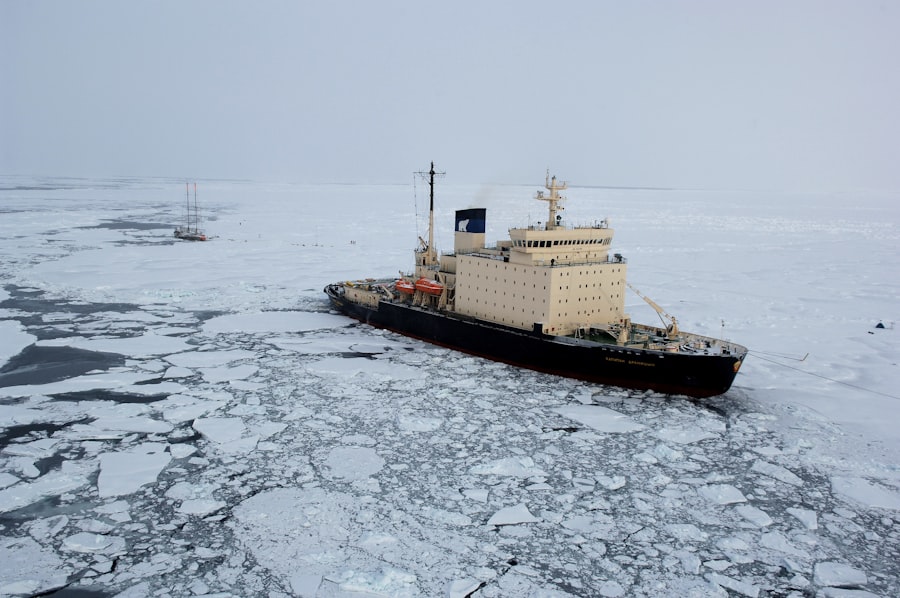
When examining the players involved in Arctic geopolitical tensions, you will encounter a mix of Arctic and non-Arctic nations with vested interests in the region. The eight Arctic states—Canada, Denmark (via Greenland), Finland, Iceland, Norway, Russia, Sweden, and the United States—are at the forefront of these tensions. Each nation has its own claims and interests, often leading to disputes over territorial waters and resource rights.
In addition to these Arctic nations, non-Arctic countries such as China and the European Union have also expressed interest in the region. China has declared itself a “near-Arctic state” and has invested heavily in Arctic infrastructure and research. As you analyze these dynamics, consider how these non-Arctic players complicate the geopolitical landscape.
Their involvement introduces new alliances and rivalries, making it essential to understand how these relationships influence decision-making in the Arctic.
Resource Competition in the Arctic
| Resource | Competition | Impact |
|---|---|---|
| Fisheries | Overfishing by commercial fleets | Decline in fish populations, affecting local communities and ecosystems |
| Oil and Gas | Competition for drilling rights | Potential environmental damage and disruption of indigenous livelihoods |
| Shipping Routes | Competition for access and control | Risk of oil spills, habitat destruction, and disturbance to marine life |
Resource competition in the Arctic is one of the most pressing issues driving geopolitical tensions. As you explore this topic, you will find that nations are vying for control over untapped oil and gas reserves, which are estimated to be substantial. The U.
Geological Survey has suggested that nearly 13% of the world’s undiscovered oil reserves lie beneath the Arctic seabed. This statistic alone underscores why nations are eager to stake their claims. Furthermore, as traditional energy sources become scarcer and more expensive to extract elsewhere, the allure of Arctic resources grows stronger. You may also want to consider how technological advancements in drilling and extraction methods have made it feasible to tap into these resources despite harsh environmental conditions. However, this race for resources is fraught with challenges, including environmental concerns and potential conflicts over territorial claims. As nations push forward with their ambitions, they must navigate a complex web of legal and ethical considerations.
The Impact of Climate Change on Arctic Geopolitical Tensions
Climate change is perhaps the most significant factor reshaping geopolitical tensions in the Arctic. As you reflect on this issue, consider how rising temperatures are not only melting ice but also altering traditional navigation routes and ecosystems. The Northwest Passage and Northern Sea Route are becoming increasingly navigable due to reduced ice cover, presenting new opportunities for trade but also raising concerns about environmental degradation.
Moreover, climate change exacerbates existing tensions among Arctic nations. As ice melts, territorial claims become more contentious, leading to disputes over shipping lanes and resource rights. You may find it interesting to note that while some nations view climate change as an opportunity for economic gain, others see it as a threat to their sovereignty and security.
This duality complicates diplomatic efforts and highlights the urgent need for cooperative approaches to address both environmental and geopolitical challenges.
Military Presence and Security Concerns in the Arctic
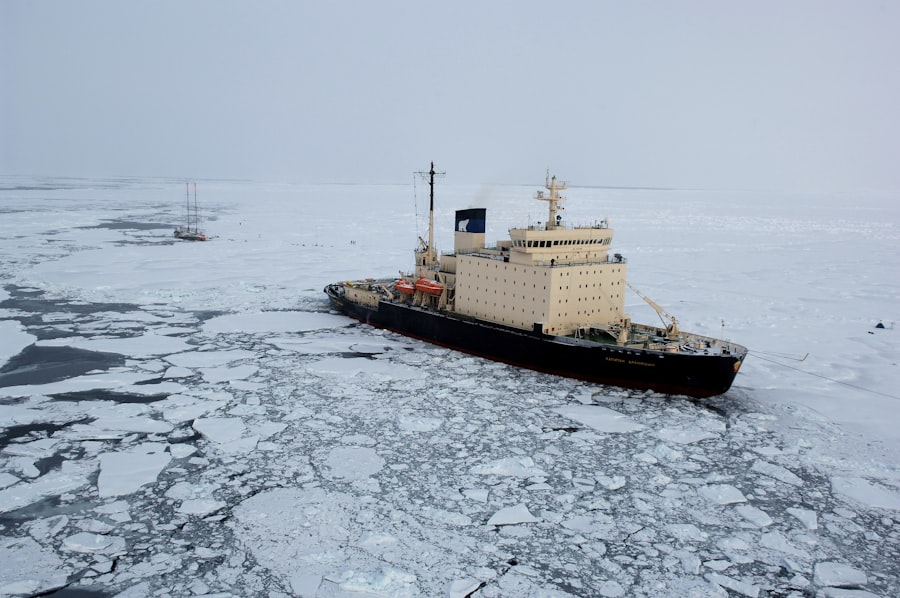
The military presence in the Arctic has escalated in recent years as nations seek to assert their sovereignty and protect their interests. As you examine this aspect, consider how military exercises and increased patrols have become commonplace among Arctic nations. Russia has notably ramped up its military capabilities in the region, re-establishing bases and conducting large-scale drills that send a clear message about its intentions.
You should also reflect on how this militarization raises security concerns not only for Arctic states but also for global stability. The potential for miscalculations or misunderstandings during military operations could lead to unintended confrontations. As nations bolster their military presence, there is an urgent need for dialogue and transparency to mitigate risks and foster trust among competing interests.
International Law and Arctic Sovereignty
International law plays a crucial role in shaping Arctic sovereignty and addressing geopolitical tensions. The United Nations Convention on the Law of the Sea (UNCLOS) provides a legal framework for maritime claims and resource rights in the region. As you explore this topic, consider how UNCLOS aims to balance national interests with collective responsibilities toward shared resources.
However, navigating international law in the Arctic is complex due to overlapping claims and differing interpretations among nations. You may find it intriguing that while some countries advocate for cooperative governance models, others prioritize unilateral actions to assert their claims. This tension highlights the need for robust legal mechanisms to resolve disputes peacefully while ensuring that all stakeholders have a voice in decision-making processes.
Indigenous Rights and Involvement in Arctic Geopolitical Tensions
Indigenous communities play a vital role in shaping discussions around Arctic geopolitical tensions. As you delve into this topic, consider how Indigenous peoples have lived sustainably in the Arctic for millennia, possessing invaluable knowledge about local ecosystems and resource management. Their perspectives are essential in discussions about resource extraction and environmental protection.
However, Indigenous rights often clash with national interests as governments pursue economic development in the region. You may want to explore how Indigenous groups are increasingly asserting their rights through legal channels and advocacy efforts. Their involvement adds another layer of complexity to geopolitical tensions, emphasizing the need for inclusive approaches that respect Indigenous sovereignty while addressing broader geopolitical concerns.
Diplomatic Efforts to Resolve Arctic Geopolitical Tensions
Amidst rising tensions, diplomatic efforts have emerged as crucial mechanisms for conflict resolution in the Arctic. As you examine these initiatives, consider how organizations like the Arctic Council facilitate dialogue among member states and promote cooperation on issues ranging from environmental protection to sustainable development. You may also find it noteworthy that despite competing interests, there is a shared recognition among Arctic nations of the need for collaboration in addressing common challenges such as climate change and search-and-rescue operations.
Diplomatic channels provide opportunities for building trust and fostering partnerships that can mitigate tensions while promoting stability in the region.
Economic Opportunities and Challenges in the Arctic
The economic landscape of the Arctic is characterized by both opportunities and challenges that influence geopolitical dynamics. As you explore this topic, think about how resource extraction presents significant economic potential for Arctic nations but also raises concerns about environmental sustainability and social impacts on local communities. Moreover, infrastructure development is essential for unlocking economic opportunities but often faces logistical hurdles due to harsh weather conditions and remote locations.
You may want to consider how investments in transportation networks and energy projects can enhance economic prospects while necessitating careful planning to minimize ecological footprints.
The Future of Arctic Geopolitical Tensions
Looking ahead, the future of Arctic geopolitical tensions remains uncertain as various factors continue to evolve. As you contemplate this future landscape, consider how climate change will likely remain a driving force behind both opportunities and conflicts in the region. The interplay between resource competition, military presence, international law, and Indigenous rights will shape decision-making processes moving forward.
Ultimately, fostering cooperation among Arctic nations will be essential for navigating these complexities. You may find it encouraging that despite existing tensions, there is potential for collaborative approaches that prioritize sustainable development while respecting diverse interests. The future of the Arctic hinges on our ability to balance competing demands with shared responsibilities toward this fragile yet vital region.
In recent years, the Arctic region has become a focal point for geopolitical tensions, as nations vie for control over its vast resources and strategic shipping routes. An insightful article on this topic can be found on Hey Did You Know This, which delves into the complexities of Arctic geopolitics and the various stakeholders involved. For a deeper understanding of the current dynamics and the potential implications for global politics, you can read more about it here. This article provides a comprehensive overview of the challenges and opportunities that the Arctic presents in the context of international relations.
WATCH THIS! Greenland’s Ice Is Hiding A Nuclear Time Bomb
FAQs
What are the main geopolitical tensions in the Arctic region?
The main geopolitical tensions in the Arctic region revolve around territorial claims, resource exploitation, military presence, and environmental protection. Countries such as Russia, the United States, Canada, Denmark, and Norway have competing interests in the region.
What are the key factors contributing to Arctic geopolitical tensions?
Key factors contributing to Arctic geopolitical tensions include the potential for vast natural resource reserves, including oil and gas, as well as the opening of new shipping routes due to melting ice. Additionally, the strategic military importance of the region and the unresolved territorial claims further contribute to tensions.
Which countries are involved in Arctic geopolitical tensions?
Countries involved in Arctic geopolitical tensions include Russia, the United States, Canada, Denmark (via Greenland), and Norway. These countries have overlapping territorial claims and competing interests in the region.
What are the potential risks associated with Arctic geopolitical tensions?
Potential risks associated with Arctic geopolitical tensions include the possibility of military conflict, environmental degradation due to increased resource exploitation, and the impact on indigenous communities and their traditional ways of life. Additionally, the lack of clear international governance in the region poses a risk of unregulated activities.
What efforts are being made to address Arctic geopolitical tensions?
Efforts to address Arctic geopolitical tensions include diplomatic negotiations, international cooperation through organizations such as the Arctic Council, and the development of legal frameworks such as the United Nations Convention on the Law of the Sea (UNCLOS) to address territorial and resource disputes. Additionally, there are ongoing discussions about the need for sustainable development and environmental protection in the region.