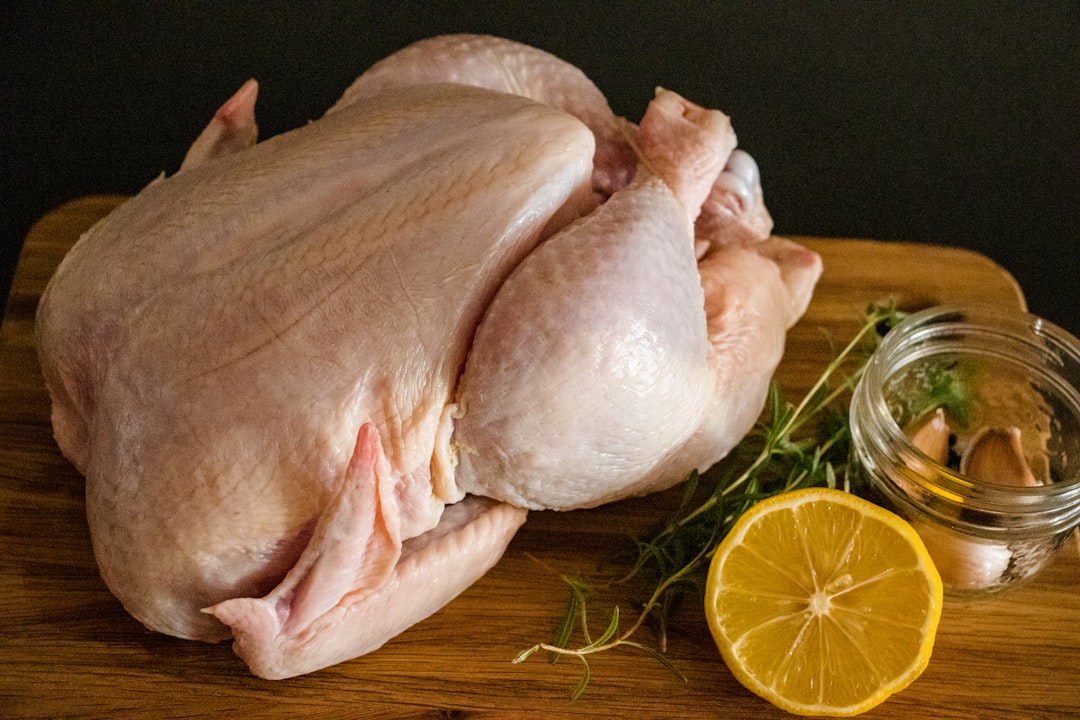
The journey of a chicken from farm to table involves several critical steps, and among the most impactful is the chilling process. Following slaughter, poultry must be rapidly cooled to inhibit bacterial growth and maintain quality. Two primary methods dominate the industry: air chilling and water chilling. While both aim to achieve the same objective – lowering the bird’s temperature – their methodologies, and consequently their outcomes, present distinct differences. Understanding these distinctions is crucial for consumers seeking to make informed choices about the poultry they purchase and for food producers aiming for optimal product presentation and shelf life. This article will delve into the nuances of air-chilled and water-chilled poultry, exploring the processes involved, their respective advantages and disadvantages, and the implications for taste, texture, and overall quality.
The Mechanics of Poultry Chilling
When considering the differences between air-chilled and water-chilled poultry, it’s essential to understand how each method affects the quality and safety of the meat. Air-chilled poultry is typically processed in a way that allows for a more even cooling, which can help retain flavor and texture, while water-chilled poultry may absorb water and additives, potentially altering its taste. For a deeper dive into these differences and their implications for consumers, you can read a related article at Hey Did You Know This.
Water Chilling: An Immerse Approach
Water chilling, also known as immersion chilling, is the more prevalent method in the global poultry industry. Its widespread adoption is largely attributed to its efficiency and cost-effectiveness.
The Immersion Process
In water chilling, freshly processed poultry carcasses are submerged in large tanks filled with chilled, circulating water. This water is often held at near-freezing temperatures, sometimes augmented by ice. The carcasses are typically moved through these tanks via conveyors or agitators, ensuring thorough contact with the cooling medium. This process is highly efficient in rapidly reducing the core temperature of the birds. The circulation of water and the potential addition of ice create a significant thermal mass, allowing for rapid heat transfer away from the poultry. The duration of immersion varies depending on the size of the birds and the specific chilling equipment used, but it generally lasts for a period of 30 to 90 minutes.
Water Treatment and Additives
To maintain sanitary conditions and prevent cross-contamination, the water used in immersion chilling is subject to strict treatment protocols. This typically involves filtration and the addition of antimicrobial agents. Common antimicrobial agents approved for use in poultry chilling water include peracetic acid, lactic acid, and sodium hypochlorite. These substances help to reduce bacterial load on the carcass surface. Some processing plants may also introduce food-grade salts or other additives to the chilling water, which can contribute to maintaining moisture content in the poultry. The goal is to both cool the birds effectively and ensure their safety. Regulations regarding the permissible levels and types of additives are strictly enforced by food safety authorities.
Air Chilling: A Dry Departure
Air chilling, conversely, utilizes cool, moving air to lower the temperature of poultry carcasses. While less common globally than water chilling, it is gaining traction, particularly among premium brands and for specific market demands.
The Air Circulation System
Air chilling involves passing poultry carcasses through chambers or tunnels where cold air is circulated at high velocity. This process relies on convection to transfer heat from the birds to the surrounding air. Unlike water chilling, there is no direct contact with a liquid medium. The carcasses are typically hung on shackles or placed on racks, allowing for maximum exposure to the airflow from all sides. The temperature of the air used is typically above freezing, often ranging from -2°C to 4°C (28°F to 39°F), but the constant movement of air enhances the rate of heat removal. The duration of air chilling can be significantly longer than water chilling, sometimes extending for several hours, as the direct heat transfer is less intense.
Humidity Control and Duration
Humidity plays a critical role in air chilling. While the air is cold, its moisture content is carefully controlled. Lower humidity can lead to a drier surface on the poultry, which some view as a benefit for shelf life and cooking performance. However, excessive dryness can result in undesirable weight loss. Conversely, higher humidity can slow down the chilling process and support microbial growth if not managed properly. Therefore, air chilling systems incorporate advanced control mechanisms to maintain optimal humidity levels throughout the chilling cycle. The extended chilling time, while a characteristic of the process, also contributes to a firmer texture in the final product.
Impact on Poultry Quality and Characteristics
The divergent methods of chilling have tangible effects on the final poultry product, influencing its moisture content, texture, taste, and cooking behavior.
When considering the differences between air chilled and water chilled poultry, it’s important to understand how each method impacts flavor, texture, and safety. Air chilled poultry is often praised for retaining a firmer texture and a more concentrated flavor, while water chilled poultry may absorb additional water, potentially affecting its taste and cooking properties. For a deeper dive into the nuances of poultry processing methods, you can read more in this informative article on poultry processing. Understanding these differences can help consumers make more informed choices when selecting their poultry products.
Moisture Content and Weight
One of the most significant distinctions between air-chilled and water-chilled poultry lies in their moisture content.
Water Absorption in Immersion Chilling
During water chilling, poultry carcasses inevitably absorb water from the chilling medium. This absorption is a direct consequence of the immersion process. While regulations exist to limit the amount of water absorbed, a certain degree of uptake is unavoidable. This absorbed water contributes to the overall weight of the product. Consequently, water-chilled poultry is generally heavier, at least immediately after chilling, due to this retained moisture. Some studies suggest that water-chilled chicken can absorb up to 8-12% of its chilled weight in water.
Moisture Retention in Air Chilling
Air-chilled poultry, by contrast, experiences minimal water absorption. In fact, the dry air and longer chilling times can lead to a slight loss of moisture from the surface of the bird, resulting in a firmer texture and a potentially lower initial weight compared to water-chilled counterparts of the same size. This reduced water content can be an advantage for certain cooking methods and can contribute to a more concentrated flavor profile. The absence of significant water uptake means that consumers are primarily paying for the poultry itself, rather than added water.
Texture and Firmness
The chilling method directly influences the textural characteristics of the poultry.
Water-Soaked Tenderness
The absorbed water in water-chilled poultry can contribute to a perceived tenderness. However, this tenderness can sometimes be associated with a softer, less structured muscle. The structure of the meat may be slightly compromised by the prolonged contact with water and the rapid cooling. While tender, it may lack the desirable firmness that some consumers and culinary professionals prefer.
Natural Firmness from Air Chilling
Air-chilled poultry tends to possess a firmer, more naturally resilient texture. The absence of water absorption and the longer, evaporative chilling process help to set the muscle fibers, resulting in a product that holds its shape better during cooking. This firmness can translate to a more satisfying mouthfeel and a superior culinary experience, particularly when grilling or roasting, where a well-formed structure is desirable. The reduced moisture also leads to a more robust bite.
Flavor and Cooking Performance
The differences in moisture content and texture also extend to the flavor profile and how the poultry behaves when cooked.
Diluted Flavor in Water-Chilled Poultry
The absorbed water in water-chilled poultry can dilute its natural flavor. During cooking, this excess water will often release, potentially carrying away some of the bird’s inherent taste. This can result in a less intense, more subdued flavor compared to air-chilled poultry. The overall gustatory experience may be less profound.
Concentrated Taste and Crispier Skin
Air-chilled poultry, with its lower moisture content, often boasts a more concentrated and intense natural flavor. When cooked, there is less water to expel, leading to a more robust and satisfying taste. Furthermore, the drier skin of air-chilled birds is a significant advantage for cooking methods that aim for crispiness, such as roasting or frying. The reduced surface moisture allows for a more efficient rendering of fat and a superior crisping effect, leading to a more appealing visual and textural outcome. The absence of excess moisture promotes better browning and caramelization.
Health and Safety Considerations
Both air and water chilling are subject to stringent food safety regulations, but the inherent properties of each method can have implications for microbial control.
Microbial Load Management
The primary goal of chilling is to inhibit microbial growth.
Antimicrobial Efficacy in Water Chilling
Water chilling systems are designed with antimicrobial agents to reduce bacterial contamination. These agents are effective in lowering the overall microbial load on the surface of the poultry. However, the immersion process, while efficient for cooling, also presents a potential pathway for cross-contamination if not meticulously managed. The large volumes of water and the continuous movement of carcasses necessitate rigorous sanitation protocols. The presence of additives is a critical component of the safety assurance for water-chilled products.
Natural Reduction in Air Chilling
Air chilling, by its nature, does not involve the use of water as a cooling medium, thus eliminating the risk of waterborne cross-contamination. The circulating cold air, combined with controlled humidity, creates an environment that is unfavorable for bacterial proliferation. While no antimicrobial additives are typically used in the air itself, the reduced moisture on the carcass surface can naturally inhibit the growth of certain bacteria. The longer chilling times at lower temperatures also contribute to a significant reduction in microbial activity.
Shelf Life and Stability
The chilling method can influence how long the poultry remains fresh and safe for consumption.
Extended Freshness Through Dryness
Air-chilled poultry generally exhibits a longer shelf life compared to its water-chilled counterpart. This extended stability is attributed to several factors: the reduced moisture content, which makes the product less hospitable to microbial growth; the firmer texture, which can withstand handling better; and the potential for a drier surface that is less prone to spoilage. The ability to retain quality for a longer period is a notable advantage for both retailers and consumers.
Standard Shelf Life for Water-Chilled Poultry
Water-chilled poultry has a well-established and generally adequate shelf life when handled and stored correctly. However, the inherent moisture content can make it slightly more susceptible to spoilage over time compared to air-chilled products, especially if storage conditions deviate from optimal. Producers rely heavily on strict temperature control and often employ additional preservation techniques to ensure the safety and quality of water-chilled poultry throughout its intended distribution chain.
Consumer Perception and Market Trends
The choice between air-chilled and water-chilled poultry is increasingly influenced by consumer awareness, ethical considerations, and market segmentation.
The “Purity” Appeal of Air Chilling
Air-chilled poultry often benefits from a perception of greater purity and naturalness. The absence of added water and antimicrobial agents in the chilling process resonates with consumers seeking less processed food products. This perception contributes to its positioning in premium markets and commands a higher price point. The narrative surrounding air chilling often emphasizes a more traditional or artisanal approach.
Evolving Consumer Preferences
As consumer knowledge about food production increases, there is a growing demand for transparency and information about processing methods. Many consumers are now actively seeking out air-chilled poultry due to its perceived quality advantages, particularly for home cooking. This shift in preference is driving growth in the air-chilled sector and prompting some larger producers to invest in air-chilling technology. The focus on “what you see is what you get” is a powerful driver.
Regulatory Landscape and Industry Standards
Both chilling methods operate within a framework of established food safety regulations.
Compliance and Standards
Food safety agencies worldwide set strict guidelines for both air and water chilling processes. These regulations cover aspects such as water quality, temperature control, chiller design, and the permissible use of antimicrobial agents. Producers are required to adhere to these standards to ensure the safety and wholesomeness of the poultry reaching consumers. Compliance is paramount regardless of the chilling method employed.
Labeling and Consumer Information
While regulations dictate the safety and quality standards, the labeling of poultry can vary. Some jurisdictions may require specific labeling to indicate whether poultry has been air-chilled or water-chilled. This allows consumers to make informed purchasing decisions based on their preferences and understanding of the differences. Transparency in labeling is becoming increasingly important in fostering consumer trust.
Conclusion: Making an Informed Choice
The fundamental difference between air-chilled and water-chilled poultry lies in the method of heat removal and its subsequent impact on the product. Water chilling, with its efficiency and cost-effectiveness, remains the dominant industry standard, utilizing an immersion process that can lead to increased moisture content and a potentially softer texture. Air chilling, on the other hand, employs circulating cold air, resulting in poultry with lower moisture, firmer texture, concentrated flavor, and a tendency for crispier skin.
For consumers, understanding these distinctions empowers them to select poultry that aligns with their culinary expectations and preferences. Those prioritizing a richer, more intense flavor and a superior texture for cooking may find air-chilled poultry to be the preferred option. Consumers seeking value and widely available products will continue to find water-chilled poultry to be a reliable choice. Ultimately, both methods, when executed under rigorous food safety protocols, yield safe and nutritious poultry. The choice between them reflects a spectrum of production methodologies and the diverse preferences of the modern food market.
FAQs
1. What is the difference between air chilled and water chilled poultry?
Air chilled poultry is cooled using cold air, while water chilled poultry is cooled by submerging the birds in cold water.
2. How does the chilling method affect the taste and texture of the poultry?
Air chilled poultry tends to have a more concentrated flavor and firmer texture, while water chilled poultry may retain more water and have a slightly milder flavor.
3. Are there any food safety differences between air chilled and water chilled poultry?
Air chilled poultry is considered to be more sanitary, as it does not come into contact with water that could potentially harbor bacteria. Water chilled poultry runs the risk of cross-contamination if the water is not properly sanitized.
4. Which method is more environmentally friendly?
Air chilling is generally considered to be more environmentally friendly, as it uses less water and energy compared to water chilling.
5. Is there a price difference between air chilled and water chilled poultry?
Air chilled poultry may be slightly more expensive due to the higher production costs associated with the air chilling process.