
The pursuit of richer, more vibrant orange egg yolks has long been a quiet aspiration for many home cooks and backyard chicken keepers. While commercial operations often rely on artificial colorants, a natural and accessible method exists for enhancing yolk color: the strategic use of marigolds. This article delves into the science and practice behind this technique, exploring how specific compounds in marigolds translate into the desired golden hues.
The color of an egg yolk is not a random occurrence. It is primarily determined by the hen’s diet, specifically the presence of carotenoids. These are a class of naturally occurring pigments found in plants that animals cannot synthesize themselves, and therefore must ingest.
Carotenoids: The Pigment Powerhouses
Carotenoids are fat-soluble pigments that play crucial roles in plant health, acting as antioxidants and assisting in photosynthesis. When a hen consumes feed containing carotenoids, these pigments are absorbed and then deposited in the yolk. Different types of carotenoids produce different shades, with certain ones yielding the desirable deep orange and red tones.
Beta-Carotene and Lutein
Among the most well-known and relevant carotenoids for egg yolk coloration are beta-carotene and lutein. Beta-carotene, famously found in carrots, is a precursor to Vitamin A and contributes to yellow and orange colors. Lutein, alongside zeaxanthin, is abundant in leafy greens and marigolds, and is particularly adept at producing intense yellow to orange hues.
The Hen’s Digestive and Metabolic Pathway
Upon ingestion, carotenoids are processed in the hen’s digestive system. They are then absorbed into the bloodstream and transported to the oviduct, where the yolk is formed. The rate at which these pigments are deposited into the developing yolk influences the final color. Factors such as the hen’s breed, age, and overall health can also play a role in how efficiently carotenoids are utilized.
The marigold trick for enhancing the color of egg yolks is a fascinating topic that highlights the impact of diet on poultry products. For those interested in learning more about this technique and its benefits, you can explore a related article that delves into the science behind it and offers practical tips for implementation. Check out the article here: Marigold Trick for Orange Egg Yolks Explained.
Marigolds: A Natural Treasure Trove
Marigolds, scientifically known as Tagetes species, have long been recognized for their vibrant floral displays. Less widely known, however, is their significant concentration of beneficial compounds, including carotenoids. Their inclusion in a hen’s diet offers a natural and effective way to boost yolk pigmentation.
Identifying Suitable Marigold Varieties
Not all marigolds are created equal when it comes to their carotenoid content. Certain varieties are specifically cultivated for their pigment-producing capabilities. These often have deeper orange or reddish-orange blooms.
Calendula vs. Tagetes
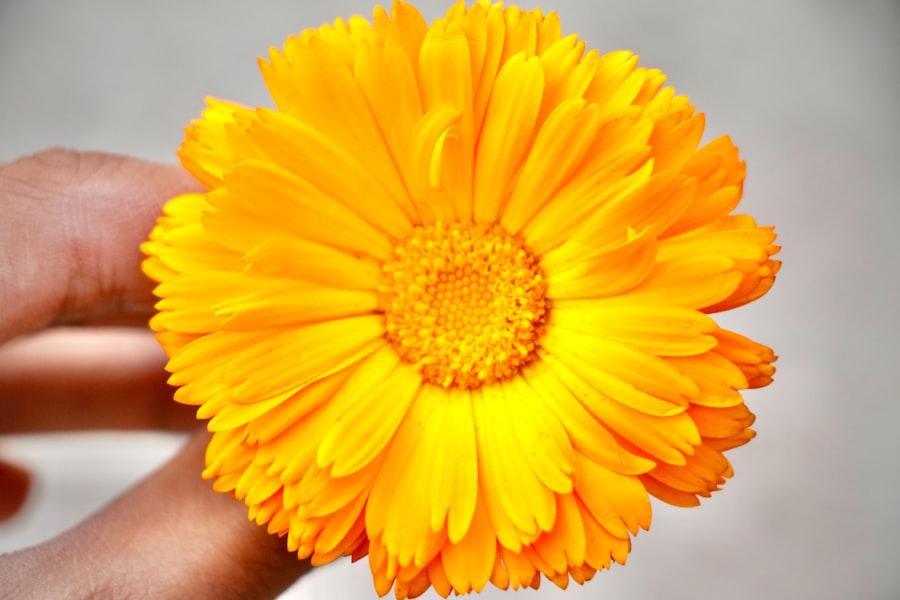
It is important to distinguish between marigolds of the Tagetes genus and pot marigolds, which are botanically Calendula officinalis. While both are generally safe for chickens, Tagetes species are typically richer in the specific carotenoids that influence yolk color. Tagetes erecta (African marigolds) and Tagetes patula (French marigolds) are commonly recommended.
Harvesting and Preparing Marigolds
Responsible harvesting and preparation are key to maximizing the benefits of marigolds for egg yolk enhancement. It is advisable to use marigolds that have not been treated with pesticides or herbicides, especially if the chickens are free-ranging and might consume them directly from the garden.
Drying and Grinding
One effective method of administration is to dry the marigold flowers and then grind them into a powder. This concentrated form can be easily mixed into the chickens’ regular feed. Drying should be done in a well-ventilated area, away from direct sunlight, to preserve the integrity of the carotenoids.
Fresh Marigold Consumption
Alternatively, fresh marigold petals can be offered to chickens as a supplement. It is important to ensure that the flowers are clean and free of any contaminants. Offering a small amount regularly is generally more effective than a large, infrequent offering.
Implementing the Marigold Trick in Chicken Feed
Integrating marigolds into a chicken’s diet is a straightforward process that requires some attention to detail. The goal is to provide a consistent and appropriate level of carotenoids without overwhelming the birds’ digestive systems.
Determining the Right Dosage
The optimal dosage of marigolds can vary depending on the age and breed of the chickens, as well as the specific carotenoid content of the marigolds used. It is prudent to start with a small amount and gradually increase it, observing the hens’ response.
Gradual Introduction
Introducing any new supplement to a chicken’s diet should be done gradually. This allows their digestive systems to adjust and minimizes the risk of any adverse reactions. Begin by mixing a small percentage of ground marigold into their existing feed over a period of several days.
Monitoring Yolk Color Changes
Consistent monitoring of the egg yolks is essential to gauge the effectiveness of the marigold supplementation. A noticeable deepening of the yolk color should begin to appear within a week to ten days of consistent administration. Further adjustments can then be made based on the observed results.
Supplementing Commercial Feed
For many backyard flock owners, the most practical approach is to supplement their existing commercial chicken feed with dried and ground marigolds. This ensures a balanced nutritional intake while incorporating the desired pigment boosters.
Mixing Ratios
A common starting point is to mix approximately 1-2% ground marigold by weight into the chicken feed. For example, if a flock consumes 10 pounds of feed, one to two ounces of ground marigold would be added. This ratio can be adjusted based on the desired intensity of yolk color.
Ensuring Even Distribution
It is crucial to ensure that the ground marigolds are evenly distributed throughout the feed. This prevents any one bird from receiving a disproportionately large amount. Thorough mixing is key to achieving consistent results across the flock.
Beyond Color: Other Benefits of Marigold Consumption
While the visual appeal of vibrant orange yolks is a primary motivation for using marigolds, these flowers offer additional benefits to poultry. Their inclusion in the diet can contribute to the overall health and well-being of the chickens.
Antioxidant Properties
The same carotenoids that impart color to the yolks also function as powerful antioxidants. Antioxidants help protect the body’s cells from damage caused by free radicals, which can contribute to aging and disease.
Combating Oxidative Stress
By consuming marigolds, chickens ingest these beneficial antioxidants, which can help combat oxidative stress within their bodies. This can have a positive impact on their immune system and overall vitality.
Potential Immune System Support
Research suggests that carotenoids may also play a role in supporting the immune system in poultry. While not a substitute for proper veterinary care, a diet rich in these natural compounds could contribute to a more robust immune response.
Enhancing Nutritional Value of Eggs
The enriched yolk color is a direct reflection of increased carotenoid content. This means that eggs produced by hens fed marigolds are not only visually appealing but also offer a slightly higher nutritional profile to consumers, particularly in terms of specific antioxidants.
If you’re curious about enhancing the color of your egg yolks, you might find the marigold trick particularly interesting. This method involves feeding hens marigold petals, which can lead to a richer, more vibrant orange hue in their eggs. For a deeper dive into this topic and other fascinating insights about egg production, check out this related article on the subject. You can explore more about it here.
Troubleshooting and Best Practices
| Aspect | Explanation |
|---|---|
| Marigold Petals | Adding marigold petals to chicken feed can enhance the color of egg yolks, making them more orange. |
| Carotenoids | Marigold petals contain carotenoids, such as lutein and zeaxanthin, which are responsible for the orange color in egg yolks. |
| Health Benefits | Carotenoids in marigold petals also provide health benefits, such as antioxidant properties and potential eye health support. |
Even with a seemingly simple technique, some common issues can arise. Understanding these and employing best practices can ensure success in achieving consistently vibrant orange egg yolks.
Addressing Pale Yolks Despite Supplementation
If pale yolks persist despite marigold supplementation, several factors could be at play. It’s important to systematically evaluate potential causes.
Feed Quality and Palatability
Ensure the primary chicken feed is of good quality and that the chickens are actively consuming it. If the feed is stale or unpalatable, they may not be ingesting enough of the supplement. Also, confirm that the marigold supplement is being mixed thoroughly and consistently.
Hen’s Individual Metabolism
Some hens may naturally have a slightly different metabolism and may not deposit carotenoids into their yolks as efficiently as others. This is less common but can contribute to variations within a flock.
Age and Health of Hens
Younger hens, especially pullets just beginning to lay, may not yet have fully developed their carotenoid deposition mechanisms. Similarly, a hen that is unwell may not be absorbing or utilizing nutrients as effectively.
Maintaining Consistent Color Over Time
Achieving consistent yolk color requires ongoing effort. Seasonal variations in other dietary components can influence how effectively marigolds are utilized.
Seasonal Considerations
During warmer months, chickens may consume more green forage, which can also contribute carotenoids to their diet. This can sometimes lead to a natural deepening of yolk color, making it harder to isolate the precise impact of marigold supplementation. Conversely, during winter, when forage is scarce, marigold supplementation becomes even more critical for maintaining vibrant yolks.
Supplementation Frequency
Regular and consistent supplementation is more effective than sporadic additions. Establishing a routine for adding ground marigolds to the feed ensures a steady supply of carotenoids for the hens.
Sourcing High-Quality Marigolds
The effectiveness of the marigold trick hinges on the quality of the marigolds themselves. Sourcing reputable and potent varieties is paramount.
Seed Suppliers and Nurseries
When purchasing marigold seeds for growing, look for varieties specifically known for their deep orange or red coloration. Reputable seed suppliers and nurseries will often provide descriptions that indicate the potential for pigment production.
Organic and Pesticide-Free Practices
Prioritize marigold cultivation using organic and pesticide-free methods. This ensures that the harvested flowers are safe for consumption by both chickens and humans. If purchasing dried marigold products, seek out those labeled as organic and free from additives.
By understanding the underlying science of yolk coloration and employing the simple yet effective marigold trick, chicken keepers can naturally enhance the visual appeal of their eggs, turning a common staple into a source of vibrant, farm-fresh quality. The practice serves as a testament to the power of nature’s own pigments and the benefits of integrating them thoughtfully into a balanced diet.
FAQs
What is the marigold trick for orange egg yolks?
The marigold trick involves feeding chickens marigold petals, which contain high levels of carotenoids. These carotenoids are then transferred to the egg yolks, giving them a vibrant orange color.
How do marigolds affect the color of egg yolks?
Marigolds contain compounds called carotenoids, specifically lutein and zeaxanthin, which are responsible for the orange color. When chickens consume marigold petals, these carotenoids are absorbed into their bloodstream and deposited into the egg yolks during the egg-laying process.
Are there any health benefits to consuming eggs with orange yolks?
Eggs with orange yolks are believed to be higher in nutrients such as vitamin A, lutein, and zeaxanthin due to the presence of carotenoids. These nutrients are beneficial for eye health and overall well-being.
Can I achieve orange egg yolks without feeding chickens marigold petals?
Yes, you can achieve orange egg yolks by feeding chickens other foods rich in carotenoids, such as paprika, carrots, and dark leafy greens. These foods can also enhance the color of egg yolks.
Are there any downsides to using the marigold trick for orange egg yolks?
While the marigold trick can enhance the color and nutritional value of egg yolks, it may also increase the cost of egg production due to the additional expense of feeding chickens marigold petals. Additionally, some consumers may not notice a significant difference in taste or nutritional value compared to eggs with lighter yolks.